 "navigation"


02
Content
Fabric blinds are forgiving in a lot of ways. They soften a room, filter harsh daylight and hide a surprising number of sins. But the moment dust starts clinging to those woven vanes, or a greasy fingerprint appears at eye level, plenty of people freeze. Should you wipe them? Vacuum them? Take the whole thing down and hose it off?
The honest answer is yes to all three, but in the right order and with the right amount of water. We have spent years working with the woven slats, ladder cords and lift tapes that go into these blinds, and we have watched more than a few otherwise good sets get ruined by over-eager cleaning. So here is the calmer version: what actually works, what to skip, and how to keep the fabric looking sharp for years rather than weeks.
Most modern fabric blinds are woven from polyester or fibreglass yarn and finished with a coating that gives the material its body, colour and a little water resistance. That coating is your friend on a Tuesday afternoon and your enemy on a Saturday morning if you attack it with a stiff brush and a bucket of hot water.
Before you do anything, run three quick checks. Look for a care label on the headrail. Test your cleaning solution on the bottom edge of a vane, or on a slat tucked up near the headrail where nobody will notice a slight change in tone. And check whether the vanes lift out of their carriers, because that single detail decides whether deep cleaning takes ten minutes or an hour.
Water plus dust equals mud, and mud pushed into a woven surface is much harder to remove than loose dust. So the dry pass always comes first, and it should happen more often than most people think.
For vertical blinds, run the brush or duster down each vane in a single stroke rather than scrubbing back and forth. Two light passes beat one heavy one.
Most marks on fabric blinds come from hands, kitchen air or a splash of something. All of them respond better to dabbing than to rubbing.
Horizontal fabric blinds collect more dust per square metre than almost any other window covering because every vane has two flat faces catching air. When spot cleaning is no longer keeping up, a full wash is worth the effort — provided you keep the water lukewarm and your hands gentle.
 Horizontal Fabric Blinds for Easy-Care Light ControlHorizontal fabric blinds with adjustable slats and dustproof, waterproof surfaces, suited to homes and offices where easy cleaning matters.View Product →
Vertical blinds are a different job. The headrail, the chain and the vane carriers are fussier than the fabric itself, so the sensible approach is to leave everything assembled and clean vane by vane.
 Vertical Fabric Blinds for Large Windows and Glare ControlVertical fabric blinds with angled slats for privacy and glare reduction, suited to floor-to-ceiling windows in homes and commercial spaces.View Product →
Nine times out of ten, the difference between a stain that lifts cleanly and one that becomes a permanent shadow is knowing what to reach for first. Keep this close by.
| Mark | Best first move | What to avoid |
|---|---|---|
| Grey dust film | Vacuum with a brush attachment on low suction | Dry wiping, which pushes dust deeper into the weave |
| Finger marks and hand oils | Blot with microfibre, then lift with mild soap foam | Rubbing hard with a wet cloth |
| Kitchen grease | Dab with dish-soap foam, then rinse with a damp cloth | Solvent sprays near the headrail |
| Water marks | Dampen the whole vane evenly and dry it quickly | Spot-rinsing one small area only |
| Coffee or tea | Blot with cold water, working from the edge inward | Hot water, which sets many tannin stains |
| Ink or marker | Test a little rubbing alcohol on a hidden slat first | Full-strength alcohol on coated fabric |
| Mould specks | Wipe with diluted white vinegar and dry fully | Bleach on coloured or coated fabric |
| Pet marks | Apply an enzyme cleaner to a cloth, not the blind | Soaking the vane in solution |
If you remember one thing from this guide, make it this: fabric blinds dried badly will look worse than blinds that were never cleaned. Trapped moisture dulls the coating, water rings reappear as the fabric dries unevenly, and vanes left folded while damp can crease permanently.
We have seen all of these, and each one shortens the life of a good blind.
Consistency matters more than intensity here. A few minutes of dry dusting each week prevents the kind of build-up that forces a full wash in the first place — the same principle behind our own blinds maintenance rules for anyone who wants a longer routine to follow.
Sometimes the fabric is not dirty; it is simply worn. If a vane looks faded, feels stiff or has developed a permanent wavy edge, no amount of careful washing will bring it back. Water rings that return after every deep clean usually mean the coating has broken down, and vanes that no longer hang straight are often a sign that the carriers or the cords have stretched.
In that case, replacement slats are the practical fix, and they are far cheaper than a new blind.
 Custom Fabric Blinds Slats for Replacement and ProjectsPractical replacement horizontal and vertical fabric slats in waterproof, dustproof nano-coated polyester, with color and pattern options for custom projects.View Product →
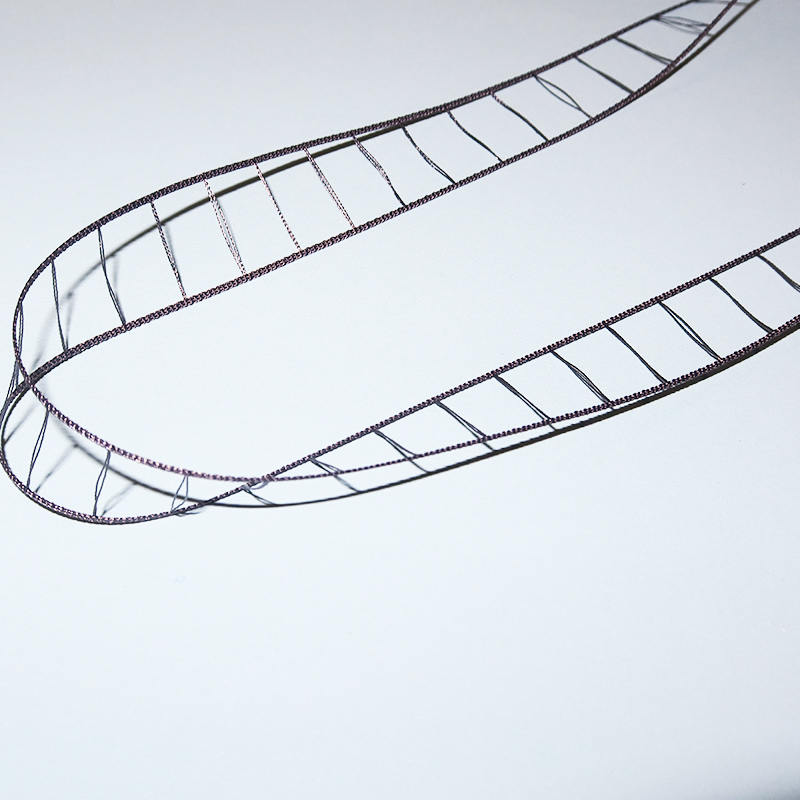
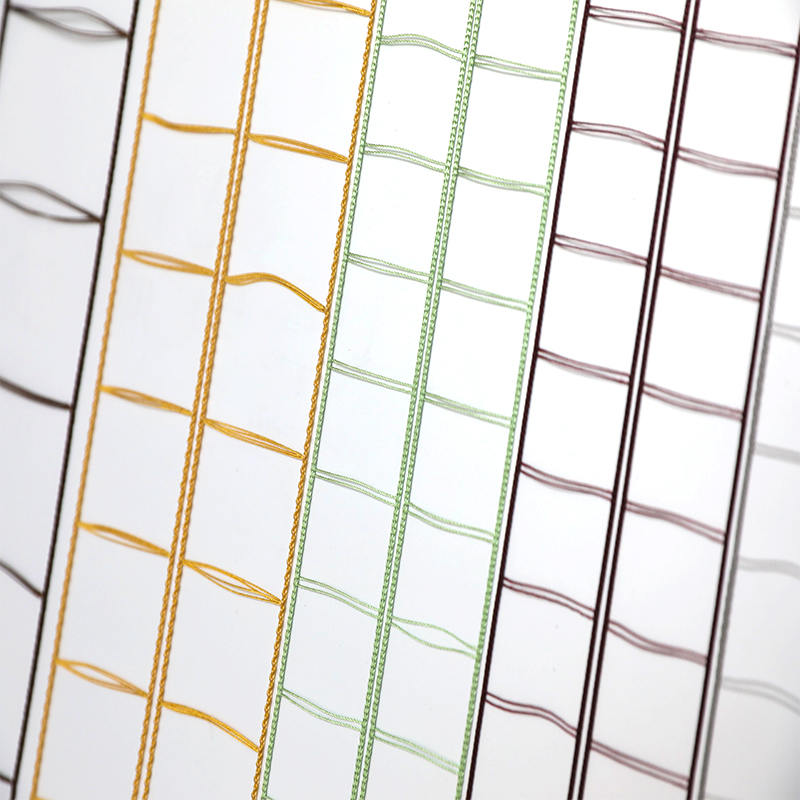
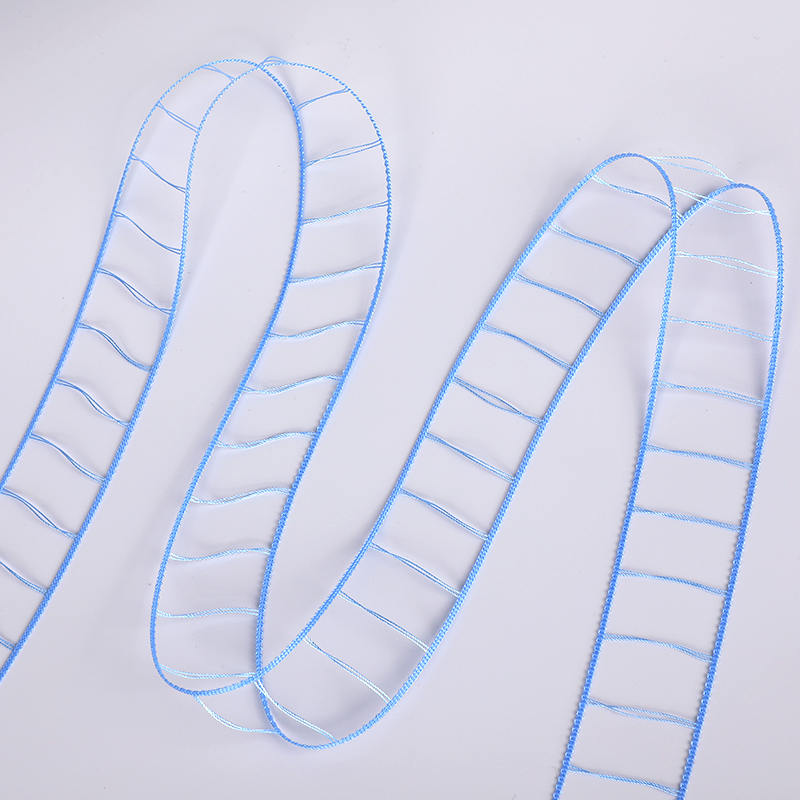
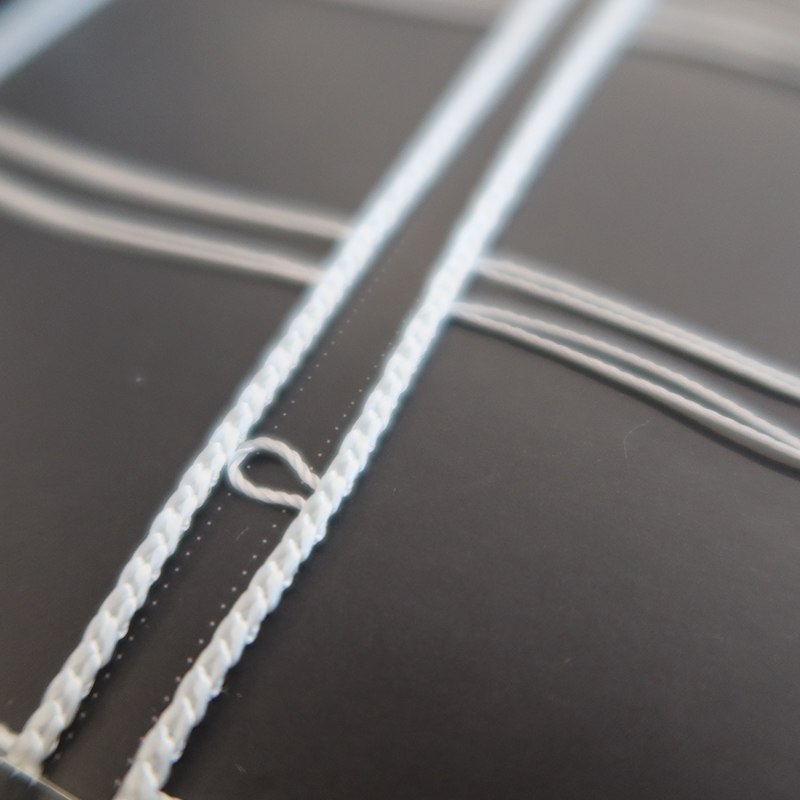
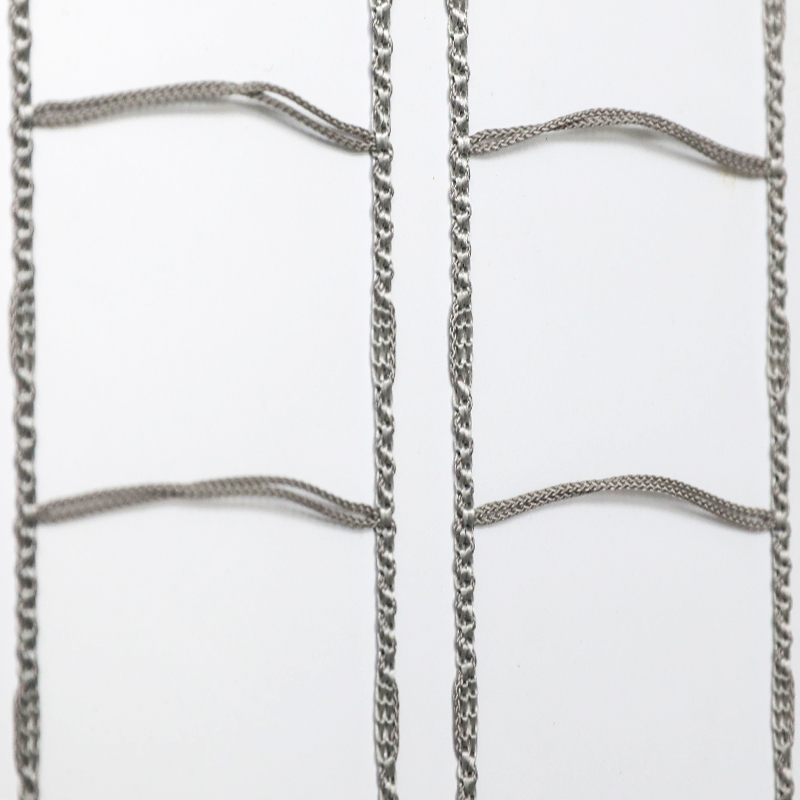
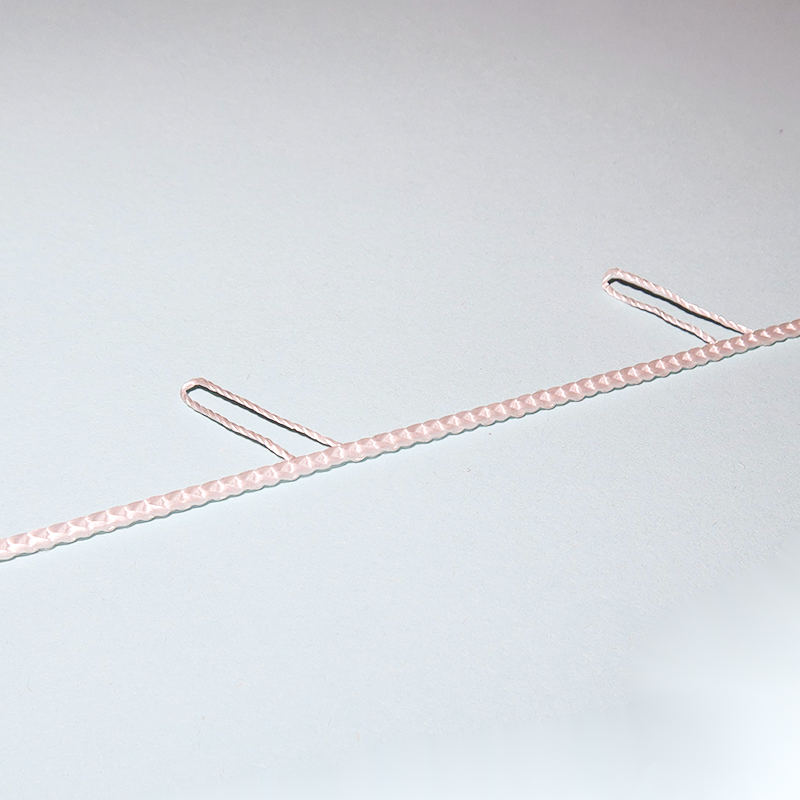
While you have the blind down, give the cords and ladder tapes the same attention: run the blind fully up and down a couple of times and look for fraying, uneven tension or a lift tape that has started to delaminate. Small hardware faults caught early are simple to solve; left alone, they are often what actually ends a blind's working life. If you are sourcing materials for a project of your own, our team is always happy to talk specifications, samples and custom requirements.
Get in touch with our team if you need help matching slats, cords or tapes to a blind you already have.
Cleaning fabric blinds is not complicated, but it rewards patience. Dust before you wet, dab before you rub, use less water than feels natural, and let everything dry completely before you close it up again. Do that, and the fabric keeps its colour, the vanes keep their shape, and the only thing you will need to think about is which room to open up next.