 "navigation"


02
Content
Pleated fabric blinds are easy to appreciate but easy to clean too aggressively. A few months of sunlight, cooking steam, and dust can leave a visible line on the top fold and make the cord feel gritty. The solution is simpler than most people think: vacuum the pleats weekly, keep the headrail dry and clean, and spot-treat stains with a barely damp cloth before you consider any deeper wash. Once you understand the fabric and the folding structure, cleaning pleated fabric blinds takes less than fifteen minutes per window without shortening their service life.
Pleated fabric blinds behave differently from aluminum blinds or vertical PVC slats. The fabric surface has a soft pile that catches fine particles, and the folds create many small pockets where dust collects even when the window is closed. If you wash them with the same pressure you use on hard blinds, you can push dust into the textile and leave permanent crease marks.
The three biggest risks are moisture, heat, and friction. Excessive water can soften the pleat line, a hair dryer can shrink or distort the fabric, and rubbing with a dry cloth can cause static that attracts more dust. Pleated blinds in kitchens and bedrooms also face different challenges: cooking grease becomes a sticky film, while skin oils and moisture can settle near the chain and cord guides.
Before you start, gather a small set of simple tools. Most pleated blinds can be maintained with things already in your home:
Do not use oil-based dusting sprays or solvent-type cleaners unless the manufacturer states they are safe. Sprays that are fine on metal blinds can leave a waxy residue on fabric and attract more dust within days.
Lower the blind fully so each fold is open. Attach a soft brush to the vacuum hose and move from the top of the blind down, using short horizontal strokes that follow the fold direction. On deep pleats, angle the brush slightly so it reaches the bottom of each crease. Vacuuming left to right across the entire blind prevents you from pushing loose dirt further down.
Once the fabric is free of loose dust, clean the headrail before you go back to the pleats. Dip a microfiber cloth in warm water with a drop of mild soap, wring it until barely damp, and wipe the top surface, end caps, and the visible mechanism. Dry with a separate cloth so moisture does not drip onto the fabric.
Do not dampen the whole blind to remove a small mark. Wet a cloth, squeeze it thoroughly, and press the marked pleat with light pressure. Work from the outer edge toward the center so you do not spread the mark. Let the area air dry before raising the blind.
| Task | Recommended tool | Suggested frequency |
|---|---|---|
| Light dust removal | Vacuum with soft brush | Weekly |
| Surface wipe | Barely damp microfiber cloth | Every 4 to 6 weeks |
| Headrail wipe | Microfiber cloth with mild soapy water | Monthly |
| Deep cleaning | Gentle soak or professional cleaning | Once or twice a year, only if the care label allows |
Stains are most treatable when they are fresh. Blotting, not rubbing, is the key. Rubbing only pushes the stain deeper into the weave and can leave a halo on the fabric.
If the stain does not lift after the first attempt, wait until the area is dry and repeat once. Do not reach for bleach, nail polish remover, or general-purpose kitchen spray. These can remove the color or permanently distort the pleat.
Deep cleaning is not an automatic step. Some pleated fabrics are treated with a stain-resistant coating that does not tolerate aggressive soaking. Check the care label before you remove the blind. If the label is missing, test a small hidden area with a damp white cloth and wait ten minutes to see if the color changes.
When the fabric genuinely needs a soak, remove the blind from the mounting bracket and dust it fully first. Fill a clean tub with lukewarm water and a small amount of mild soap. Submerge the blind, press it gently under the water, and let it soak for no more than fifteen minutes. Rinse with clean water of the same temperature. Do not wring, twist, or use a washing machine. Hang the blind vertically and let it dry away from direct sunlight, then reinstall it only when the fabric is completely dry.
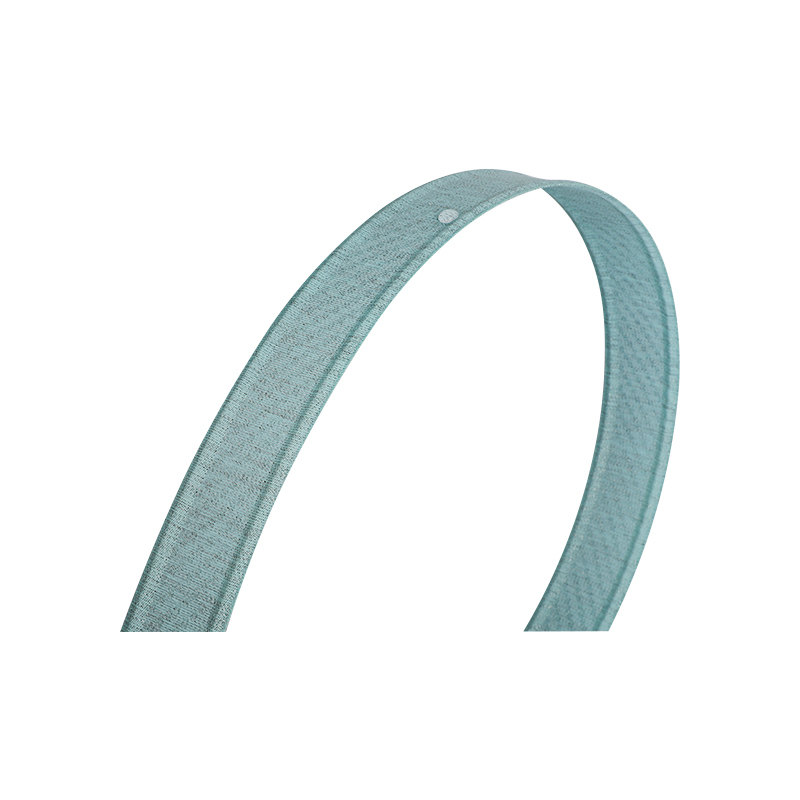
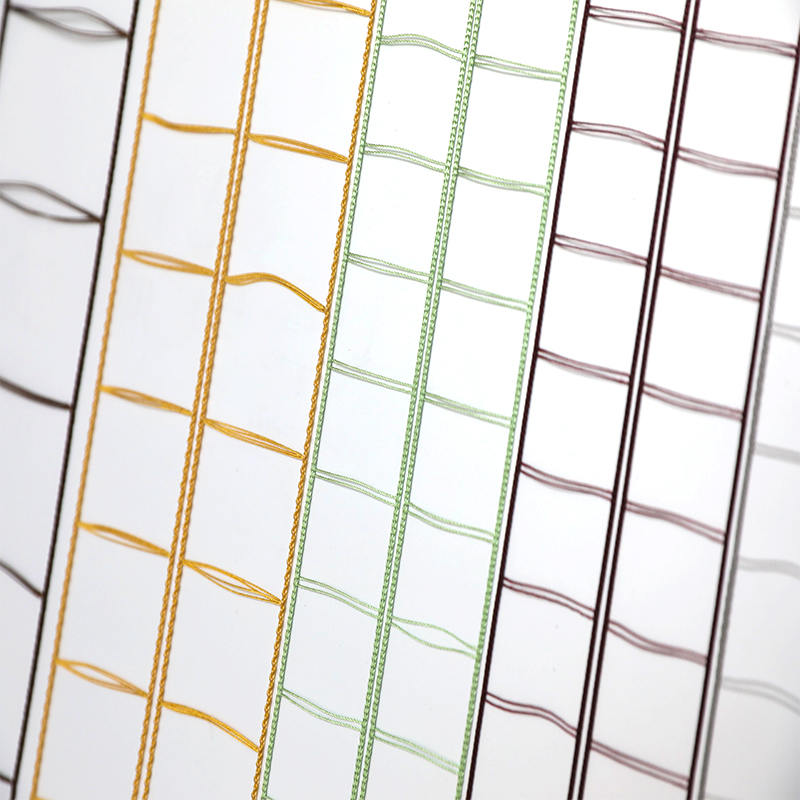
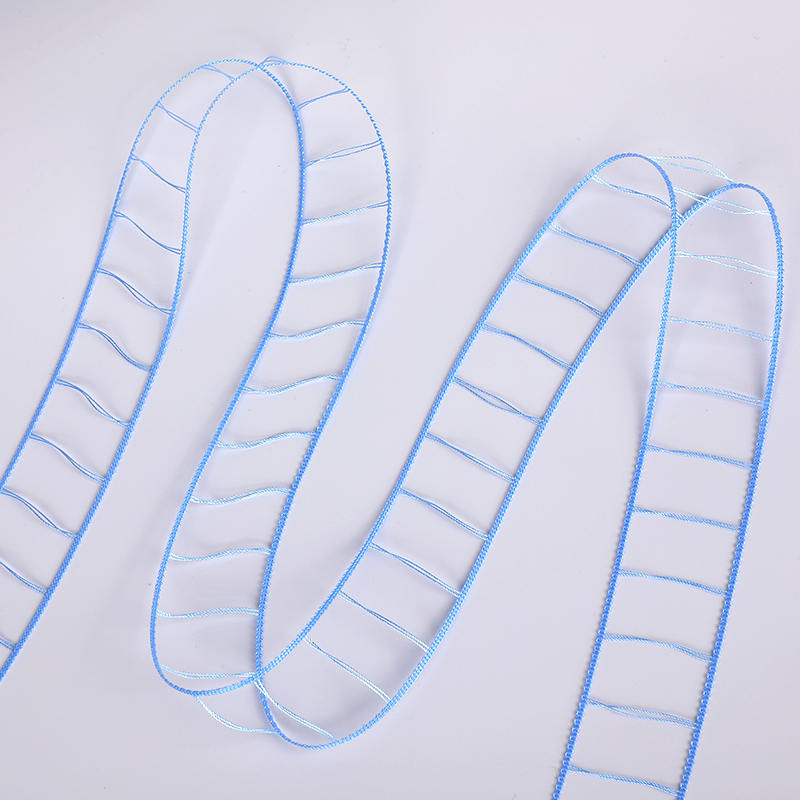
Washing also affects the cord system. If a pull cord has become stiff, uneven, or visibly worn after repeated cleaning, do not let it strain against the folds. A matching pleated blind cord will restore smooth travel and keep the pleat alignment stable.
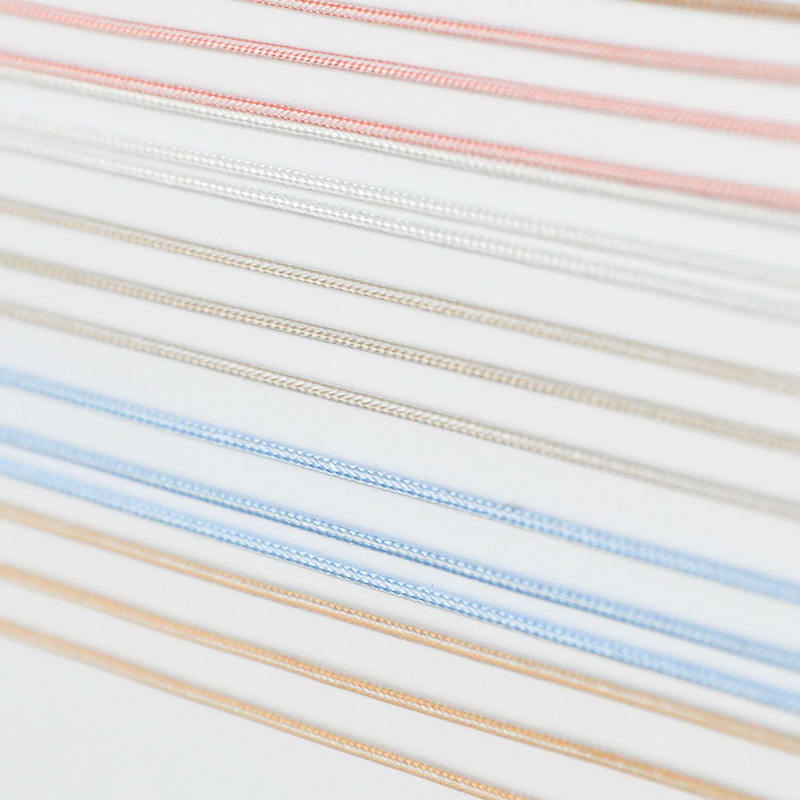 Pleated Blinds Cord Manufacturers, Wholesale FactoryHangzhou Youpu Decoration Materials Co., Ltd is China Wholesale Pleated Blinds Cord Manufacturers and Pleated Blinds Cord Factory, offer ...View Product →
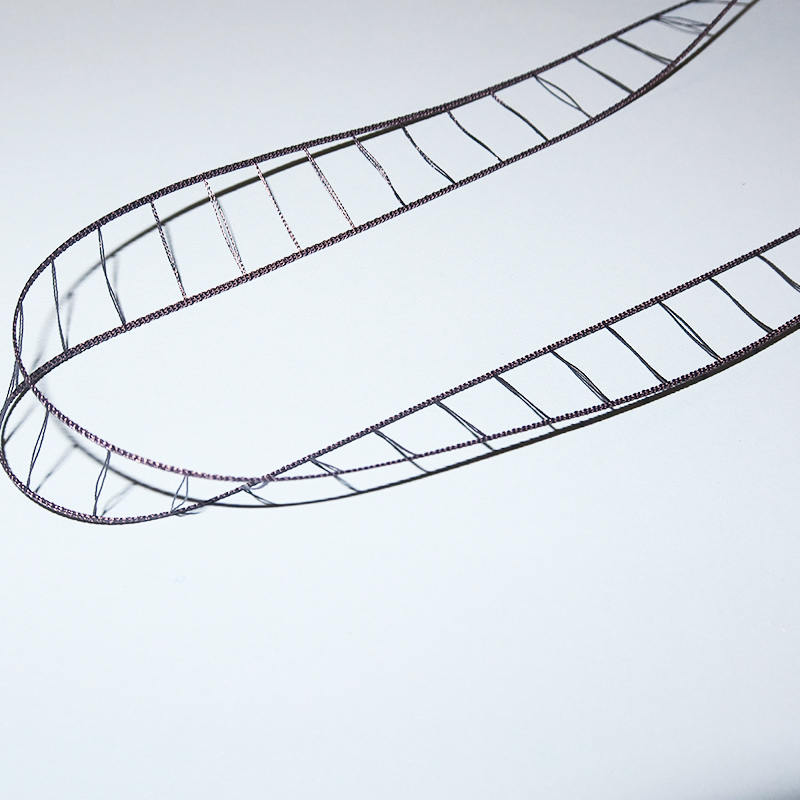
Pleated fabric blinds rely on a small network of rings, lift cords, and hitching cords to hold the fold pattern. After a deep clean, the fabric can dry in a slightly different shape, so check that the blind still rises and lowers without hesitation. If the bottom rail does not stay level, or if the pleats look loose in the center, the cord system may need attention.
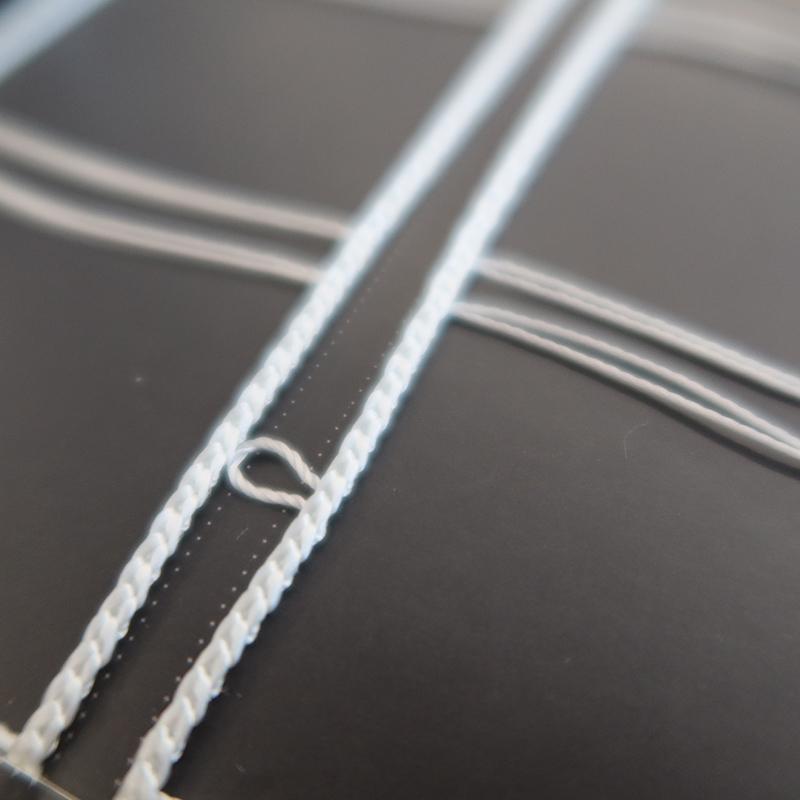
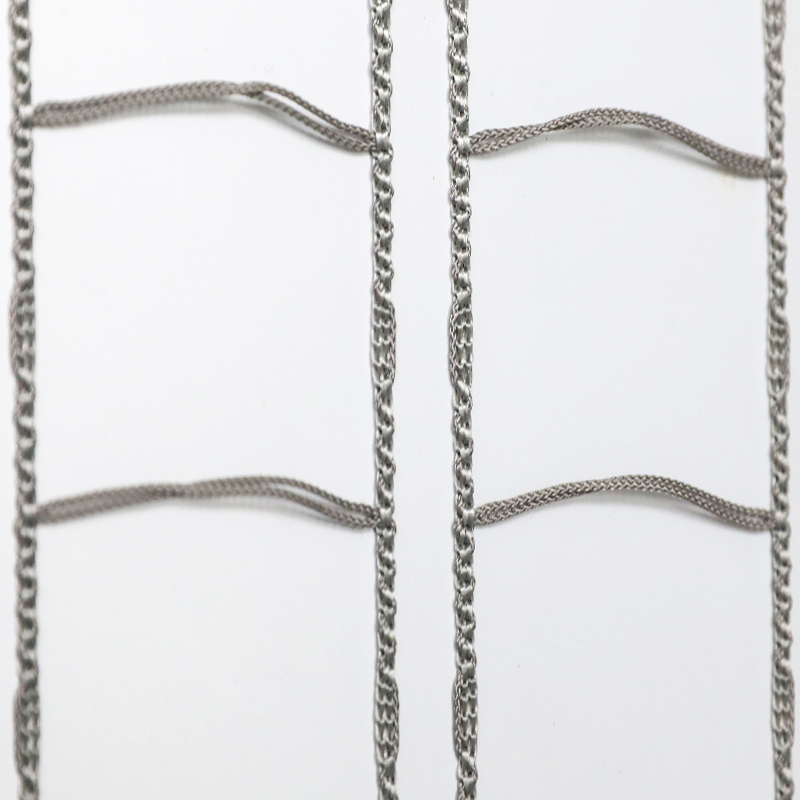
Run the blind up and down slowly and watch the pleats as they stack. A sudden tilt or hesitation usually means one cord is rubbing against a rough edge. Fixing it early is faster than repairing a torn pleat. In some cases the fabric is fine but the hitching arrangement has stretched. A fresh hitching cord for pleated and Roman blinds will stabilize the fold and reduce strain on the fabric.
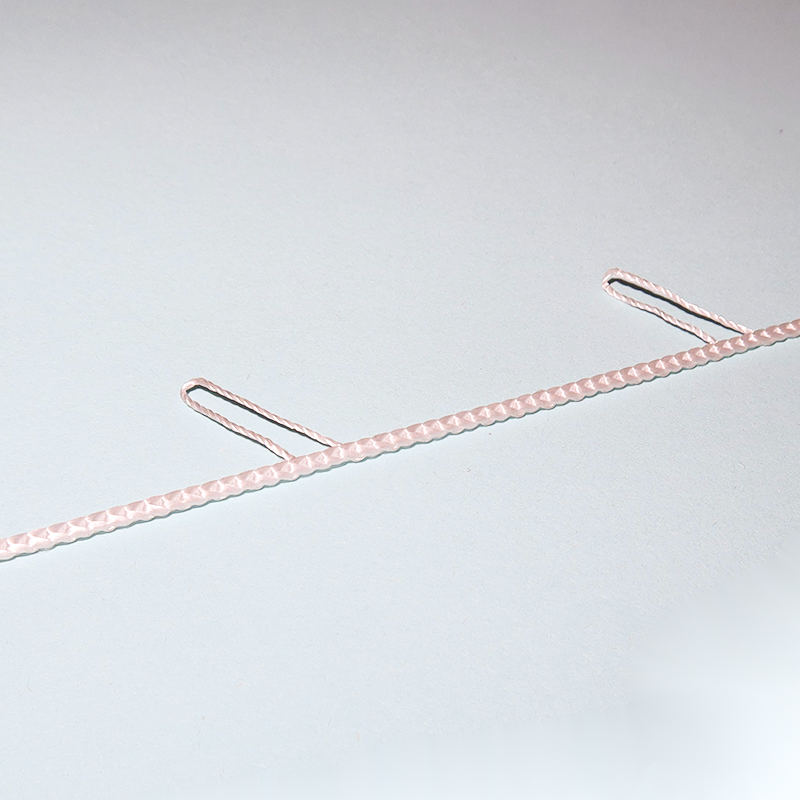 Pleated Blinds And Roman Blinds Hitch Cord Manufacturers, Wholesale FactoryHangzhou Youpu Decoration Materials Co., Ltd is China Wholesale Pleated Blinds And Roman Blinds Hitch Cord Manufacturers and Pleated Blin...View Product →
The best way to clean pleated fabric blinds is to start with the lightest method and add more only when needed. Vacuum weekly, wipe marks immediately, keep the headrail clean, and avoid soaking unless the fabric label clearly allows it. When the blind starts to move unevenly, check the cord system before the problem becomes a tear. With this approach, pleated fabric blinds will stay crisp, quiet, and pleasant to look at for years.