 "navigation"


02
Content
Horizontal fabric blinds are window coverings constructed from fabric slats or panels arranged in a horizontal orientation that can be tilted, raised, or lowered to control the amount of light and privacy in a room. Unlike hard material alternatives such as aluminum venetian blinds or wooden shutters, fabric versions introduce softness, texture, and acoustic dampening into a space while still delivering precise light management. The horizontal configuration allows the user to adjust the angle of the slats independently of raising or lowering the blind entirely, giving a level of light control granularity that curtains and roller blinds simply cannot match.
Their popularity stems from this combination of practical functionality and design versatility. A single product type can serve a modern minimalist living room, a child's bedroom requiring blackout conditions, a home office needing glare reduction without complete darkness, or a bathroom requiring both privacy and diffused natural light. The wide range of fabric types, opacities, slat widths, and operating mechanisms available means horizontal fabric blinds can be tailored to almost any window size, architectural style, or performance requirement — making them one of the most adaptable window treatment categories on the market.
The category of horizontal fabric blinds encompasses several distinct product types, each with a different construction method, operating mechanism, and set of ideal use cases. Understanding the differences helps buyers narrow their selection before investing time in measuring, ordering, and installing a product that may not suit their specific needs.
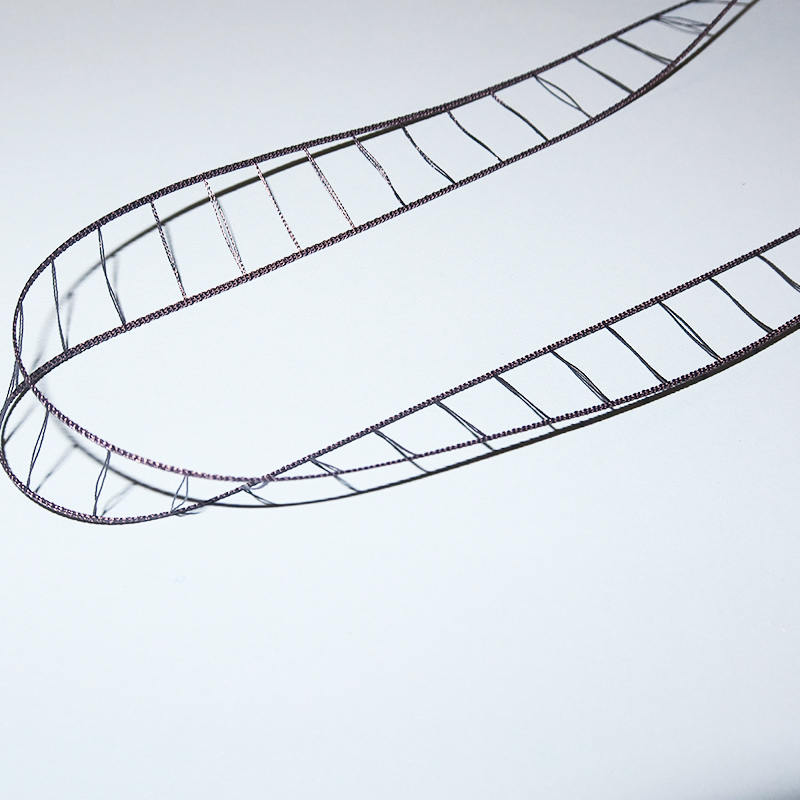
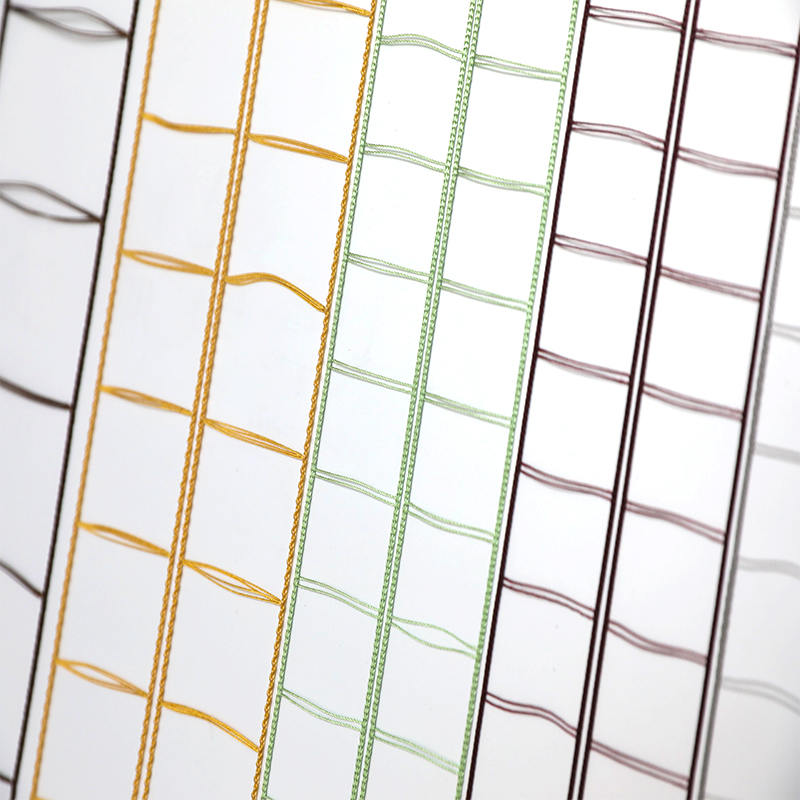
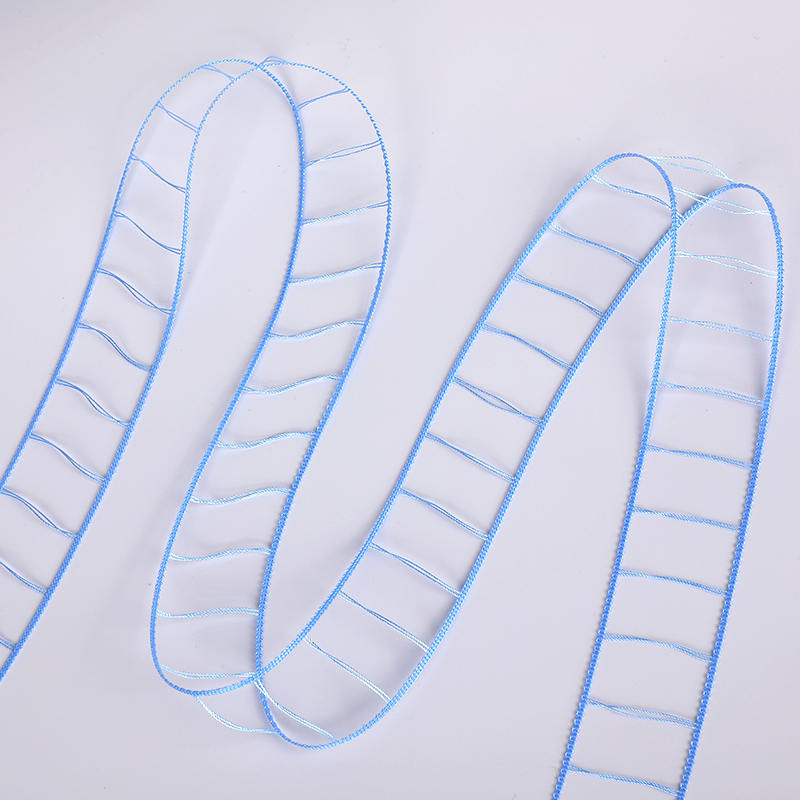
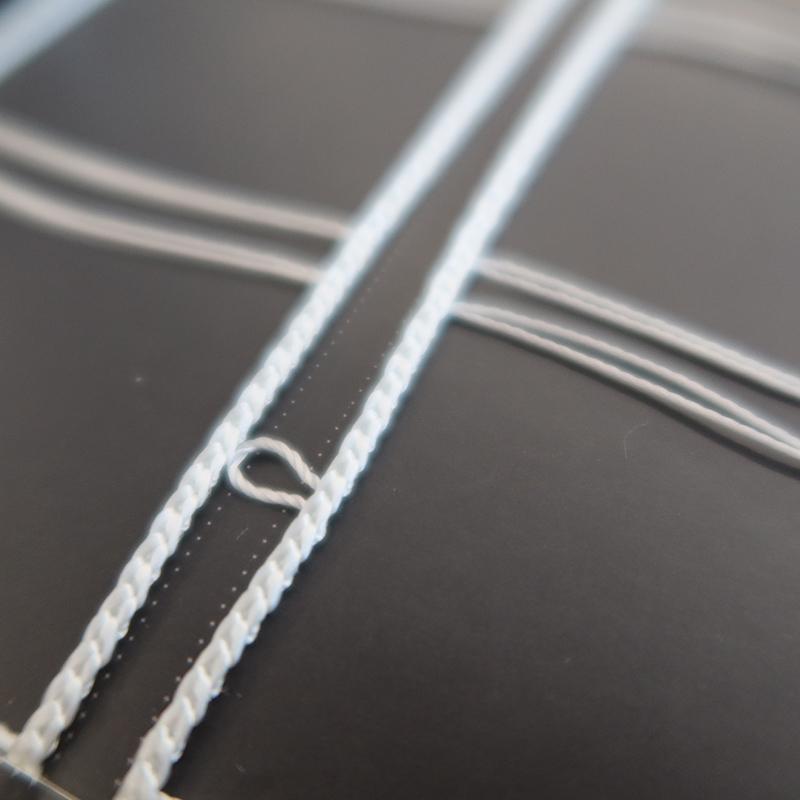
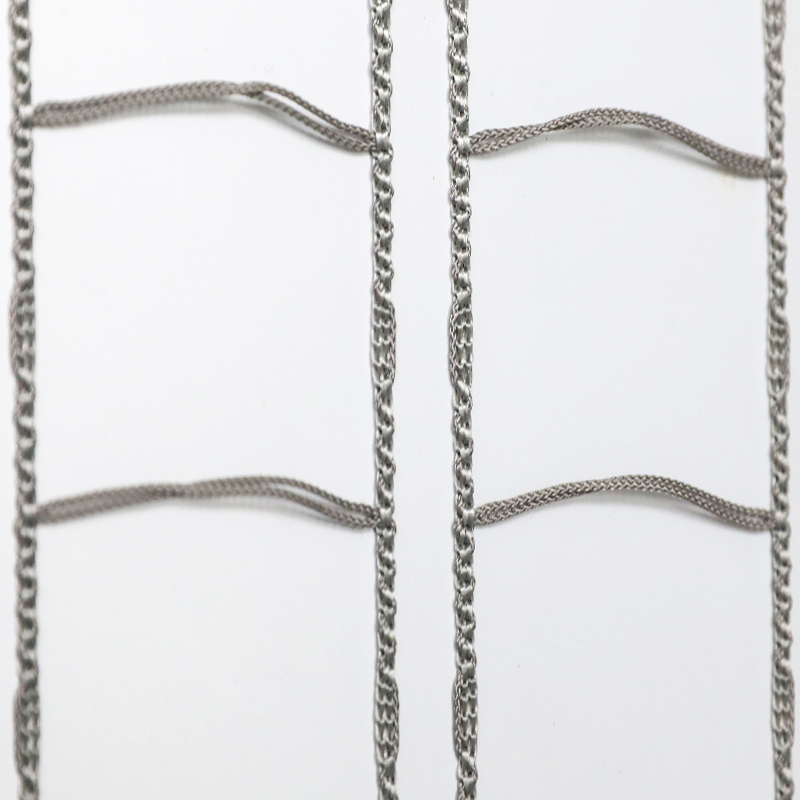
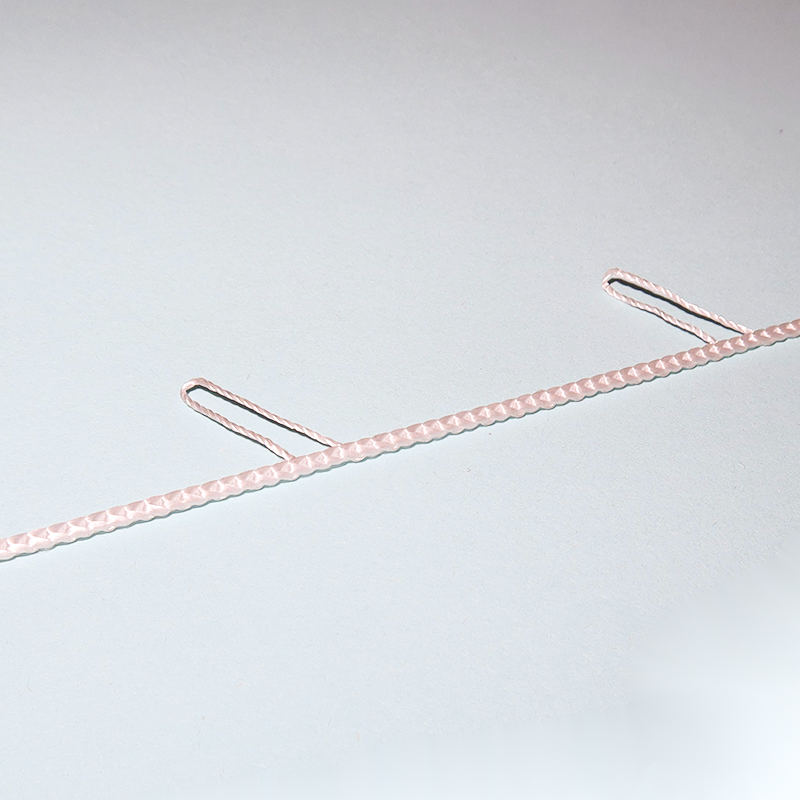
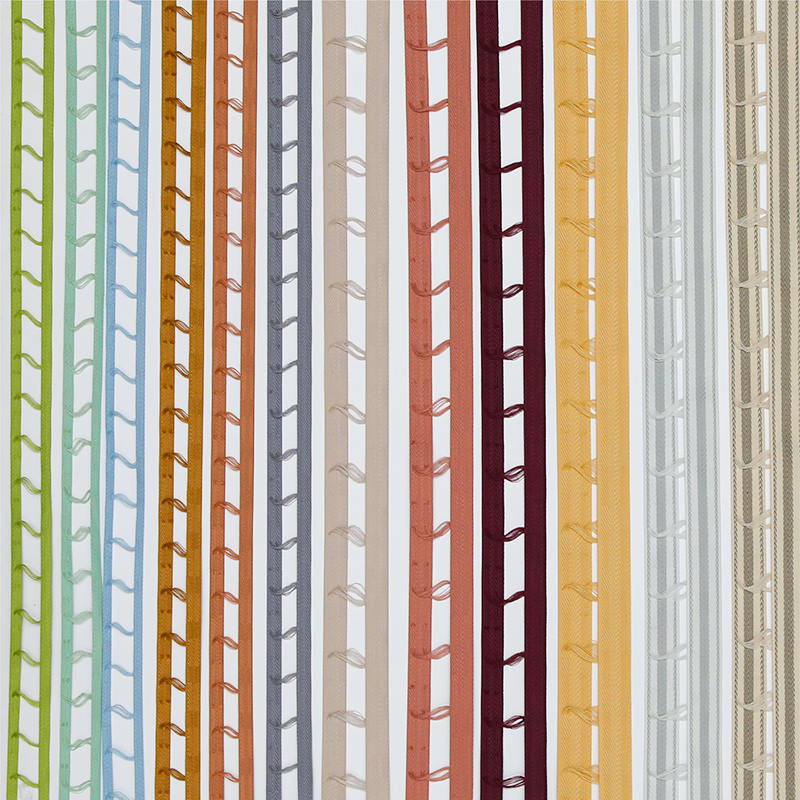
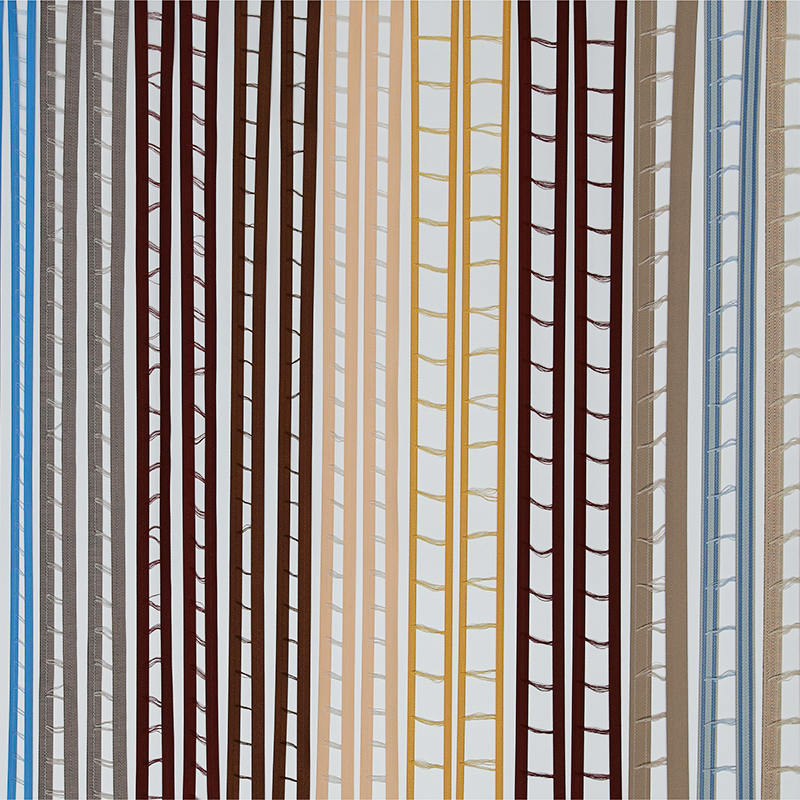
Fabric venetian blinds replicate the classic multi-slat structure of traditional aluminum venetian blinds but replace the metal slats with woven or non-woven fabric alternatives. The slats are typically 25mm or 50mm wide and are threaded with ladder tape and lift cords that allow them to be tilted for light control or stacked at the top of the window when fully raised. Fabric slats have a warmer, less industrial appearance than aluminum and absorb rather than reflect sound, making them particularly well-suited to home environments where acoustic comfort matters. The fabric material also eliminates the tendency of metal slats to produce noise when touched or when air circulation causes them to rattle against each other.
Shangri-La or zebra-style blinds consist of alternating horizontal bands of sheer and opaque fabric woven into a continuous loop of material. When the two layers are aligned so that sheer bands overlap, light filters softly through the entire window. When the layers are shifted so that opaque bands overlap, the window is blocked. This layered mechanism creates a fluid, elegant aesthetic that bridges the visual gap between traditional blinds and roller shades, and the continuous fabric construction eliminates the visible ladder tape and cord holes found in conventional venetian styles. These blinds are exceptionally popular in living rooms and dining areas where the transition between filtered daylight and evening privacy needs to be smooth and effortless.
Roman blinds fold into horizontal pleats as they are raised, creating a series of soft horizontal fabric bands that stack neatly at the top of the window. When fully lowered, they present a flat or lightly textured fabric panel. The horizontal fold structure is an inherent result of how Roman blinds operate mechanically, making them a form of horizontal fabric blind even though they are typically categorized separately. They are available in flat fold, hobble fold, and relaxed fold styles, each producing a different visual rhythm of horizontal fabric layers that can complement everything from tailored contemporary interiors to relaxed coastal or country-style spaces.
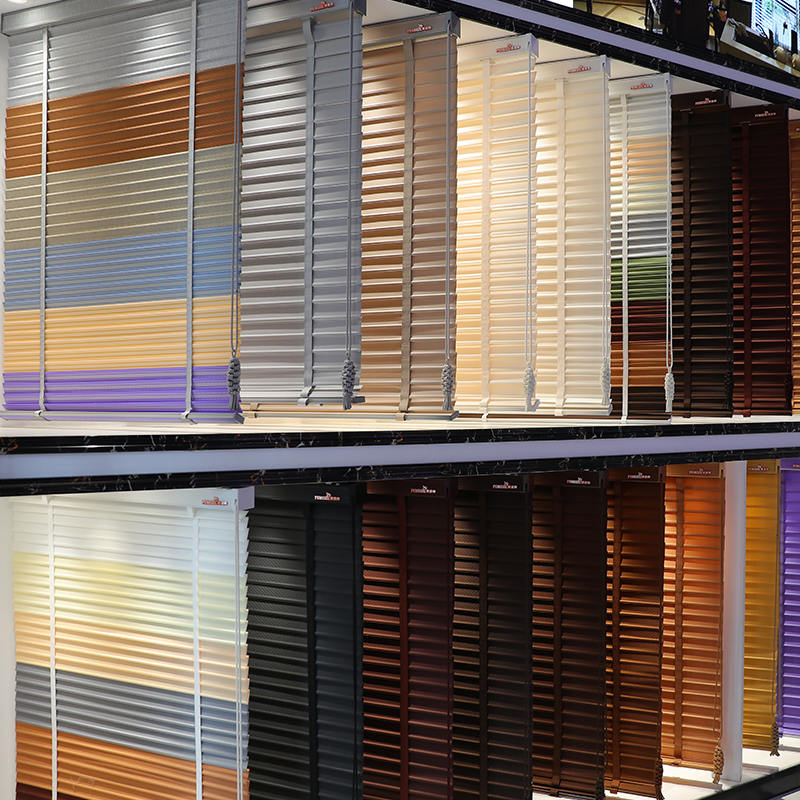
The fabric used in horizontal blinds determines not only the visual character of the product but also its functional performance in terms of light filtering, UV protection, thermal insulation, and durability. Selecting the wrong fabric opacity for a room's purpose is one of the most common mistakes buyers make, resulting in either insufficient privacy or unnecessarily dark interiors.
| Fabric Opacity | Light Transmission | Privacy Level | Best Room Use |
| Sheer / Open Weave | High — 10–14% openness | Low (daytime only) | Living rooms, offices with views |
| Light Filtering | Moderate — 3–5% openness | Moderate | Dining rooms, kitchens, hallways |
| Room Darkening | Low — 1% openness | High | Bedrooms, media rooms |
| Blackout | None — 0% openness | Maximum | Children's rooms, shift workers' bedrooms |
| Solar / UV Blocking | Variable with UV filter | Moderate to high | South-facing rooms, conservatories |
Accurate measurement is the most critical step in ordering horizontal fabric blinds, and measurement errors are the leading cause of returns, remakes, and installation problems. The process differs depending on whether the blinds are to be installed inside the window recess (inside mount) or on the wall or frame surrounding the window (outside mount), and each approach requires a different measurement strategy.
For inside mount installation, measure the internal width of the window recess at three points — top, middle, and bottom — and use the narrowest measurement as your ordering width. Most manufacturers automatically deduct 6–12mm from the width you provide to allow the blind to operate without binding against the recess walls, but it is important to confirm this with your supplier before ordering. Measure the height of the recess at left, center, and right, and use the longest measurement as your ordering height to ensure full coverage. Check that the recess is deep enough to accommodate the headrail — a minimum depth of 60–80mm is typically required for fabric venetian and zebra blinds.
Outside mount installation allows the blind to cover not just the glass but also the window frame and part of the surrounding wall, which maximizes light blockage around the edges and can make a window appear larger than it actually is. For this configuration, add a minimum of 75mm to each side of the window opening width to create adequate overlap, and extend the height by at least 100mm above the frame to position the headrail clear of the glass and prevent light gaps at the top. In rooms where complete light control is critical — such as bedrooms — increasing the overlap to 100–150mm on each side and at the top makes a significant practical difference to the darkness achieved with the blind fully closed.
The operating mechanism of horizontal fabric blinds affects daily ease of use, child safety compliance, aesthetic cleanliness, and long-term maintenance requirements. Each mechanism type has distinct practical implications that go beyond personal preference.
Installing horizontal fabric blinds is a manageable DIY project for most homeowners, provided the correct tools are used and the mounting surface is suitable for the fixing hardware supplied. The process takes between 15 and 30 minutes per window once the materials and tools are assembled.
Horizontal fabric blinds accumulate dust, cooking grease, moisture condensation, and airborne particles over time, and without regular maintenance, these contaminants degrade both the appearance and the functional performance of the fabric. The cleaning approach should match the fabric type and the level of soiling rather than defaulting to the most aggressive method available.
For routine dust removal, use a soft-bristle brush attachment on a vacuum cleaner set to low suction, working along the length of each slat rather than across it to avoid distorting the fabric weave. A microfiber duster or dry microfiber cloth is an effective alternative for light dust accumulation between more thorough cleanings. Most fabric slat blinds can be spot-cleaned using a small amount of mild upholstery shampoo diluted in lukewarm water, applied with a clean white cloth and blotted rather than rubbed to prevent spreading the stain or distorting the fabric pile. Always test any cleaning solution on a hidden section of the blind before applying it to a visible area, as some fabric dyes are not colorfast when wet.
For heavily soiled blinds, individual fabric slats on venetian-style blinds can often be removed and hand-washed in cool water with mild detergent, then rehung to air-dry in place to prevent creasing. Zebra and Shangri-La style blinds with continuous fabric loops are more difficult to deep-clean without professional equipment and are best maintained through frequent light dusting to prevent heavy soiling from accumulating in the first place. Avoid machine washing or tumble drying fabric blind components unless the manufacturer's care label explicitly permits it, as the heat and mechanical action of domestic appliances typically causes irreversible shrinkage, distortion, or delamination of the fabric structure.