 "navigation"


02
Content
Fabric blind slats are one of the most versatile and stylish components in modern window treatment design. Whether you're outfitting a home office, living room, or bedroom, understanding how fabric slats work — and how to select the right ones — can make a significant difference in both function and aesthetics. This guide walks you through everything you need to know, from the basic construction of fabric blind slats to the practical decisions that affect your purchase.
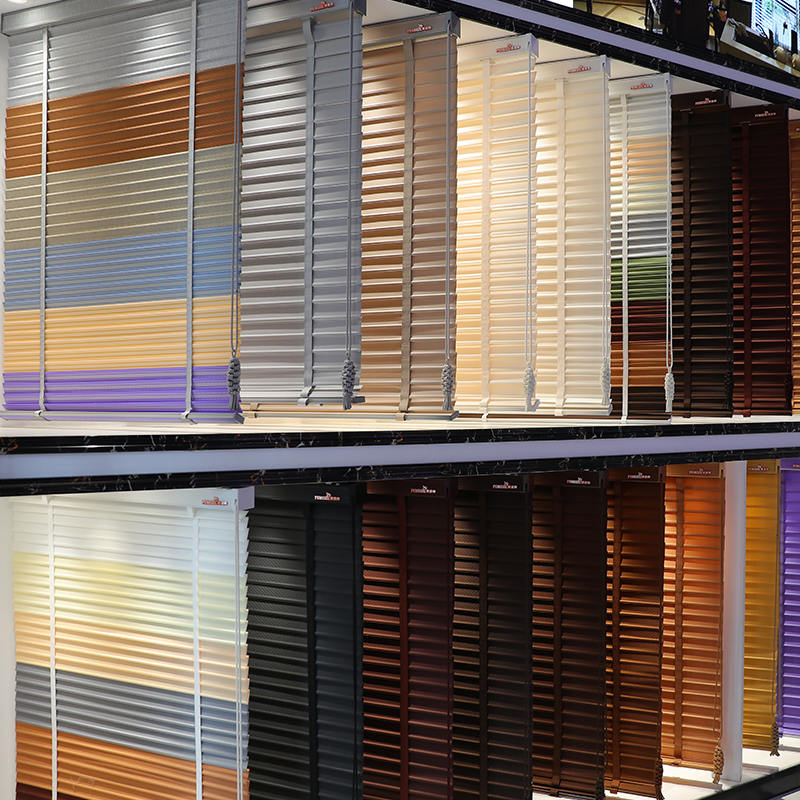
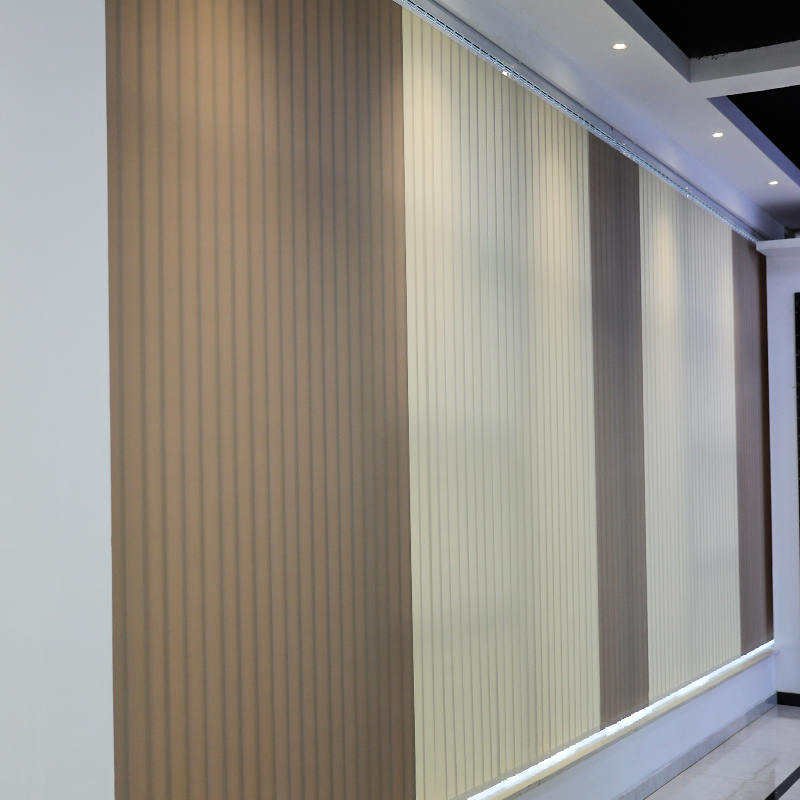
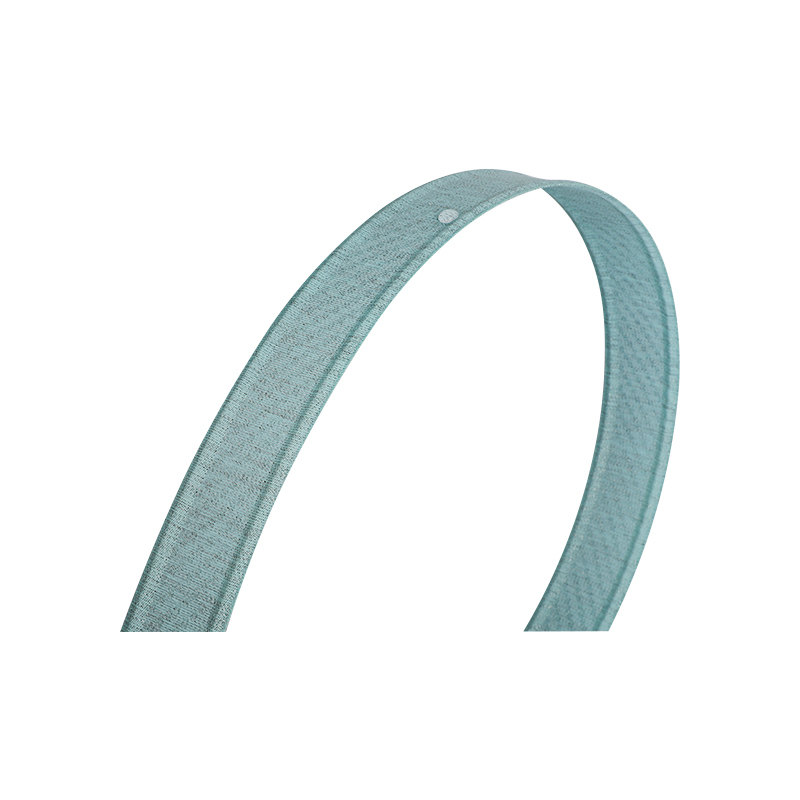
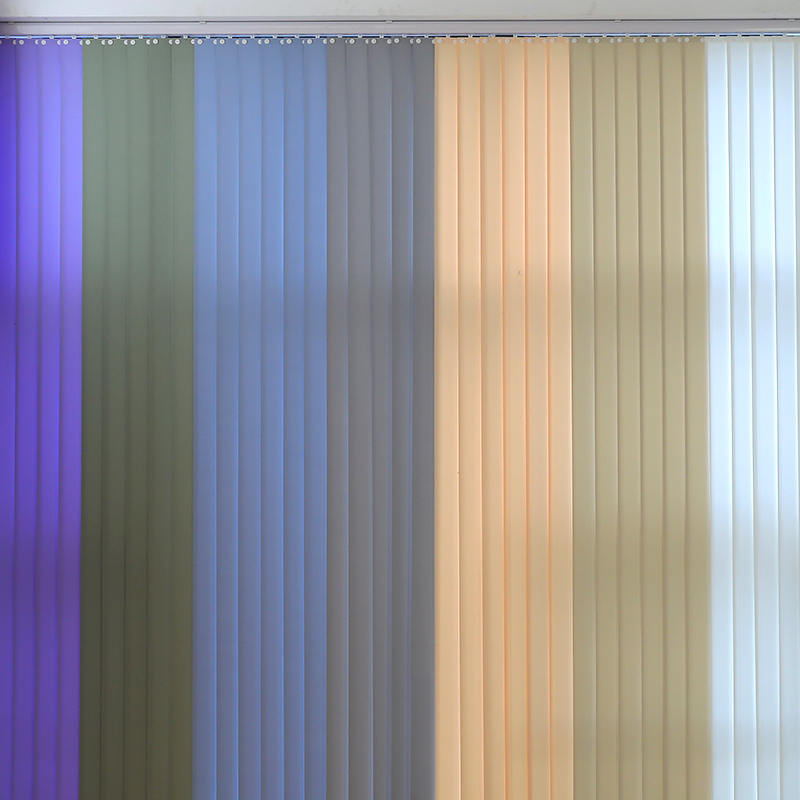
Fabric blind slats are the horizontal or vertical strips of woven or non-woven textile material used in blinds to control light, provide privacy, and add a decorative element to windows. Unlike traditional aluminum or wood slats, fabric slats introduce a softer texture and a wider range of color and pattern options. They are commonly found in vertical blinds, Venetian-style fabric blinds, and cellular or pleated shades that use fabric as the primary slat material.
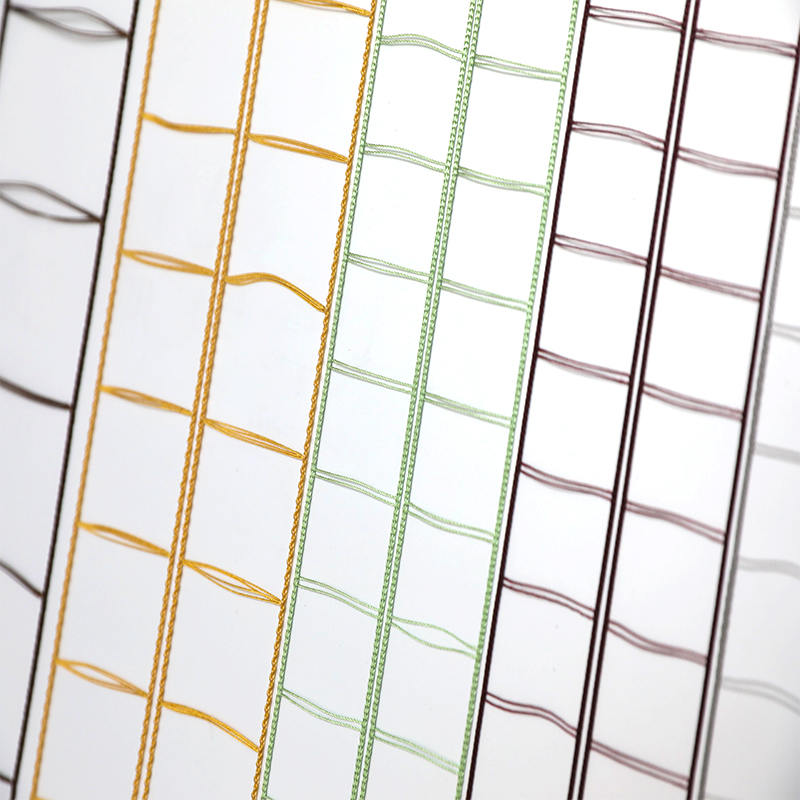
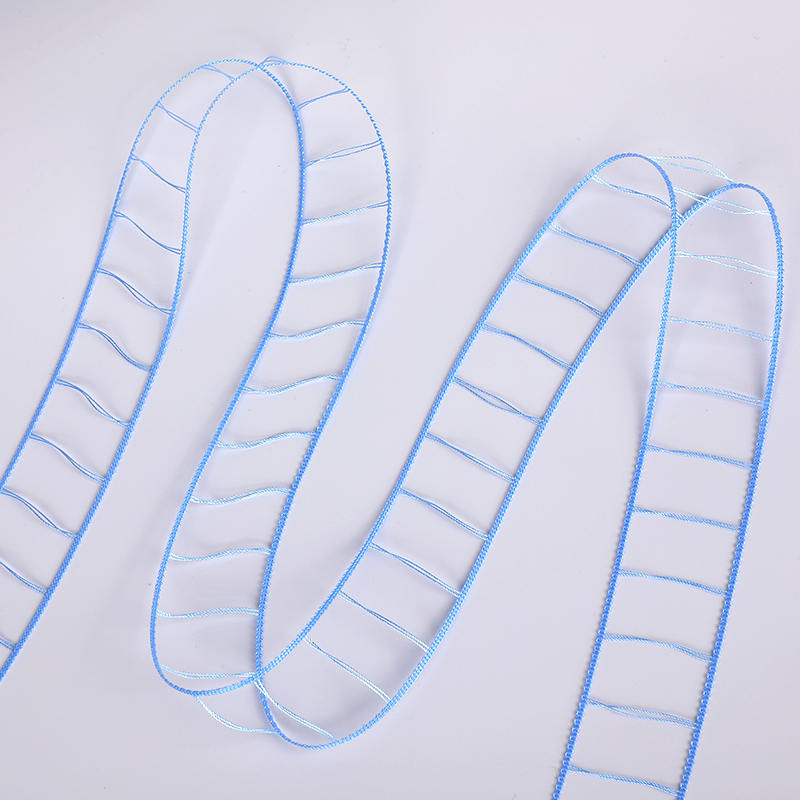
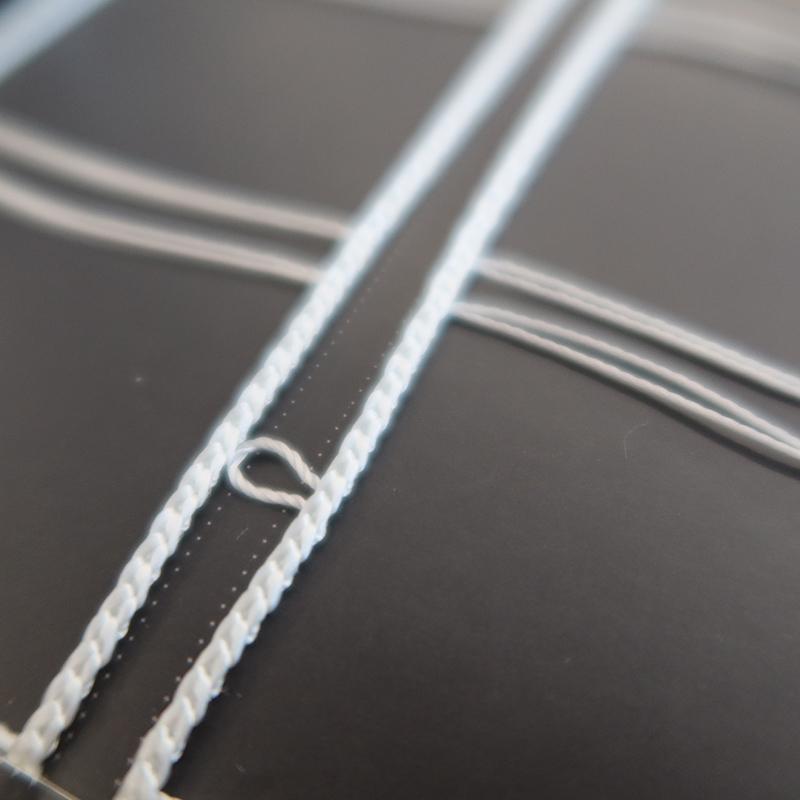
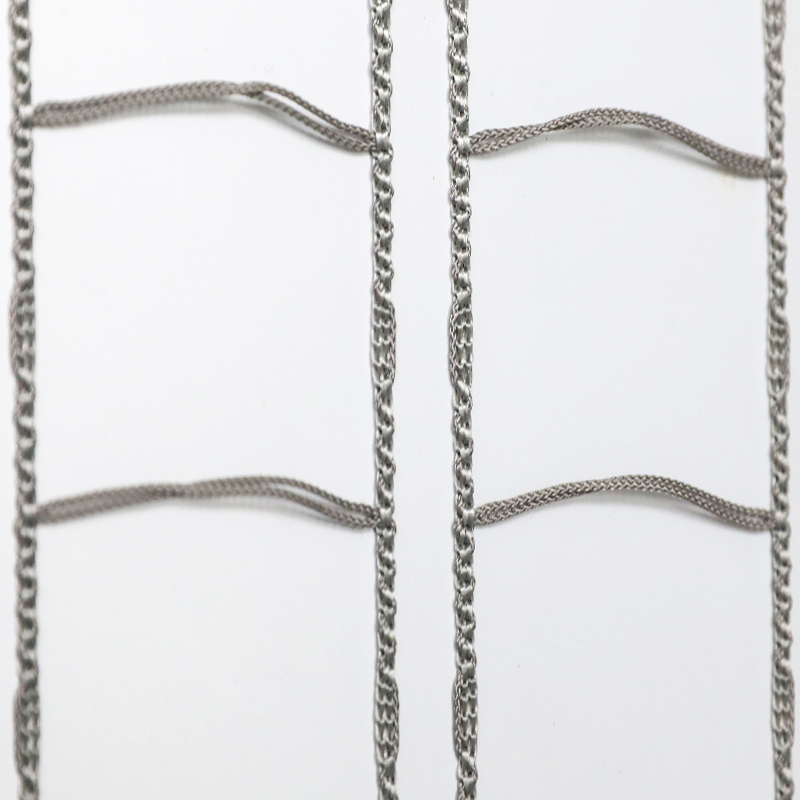
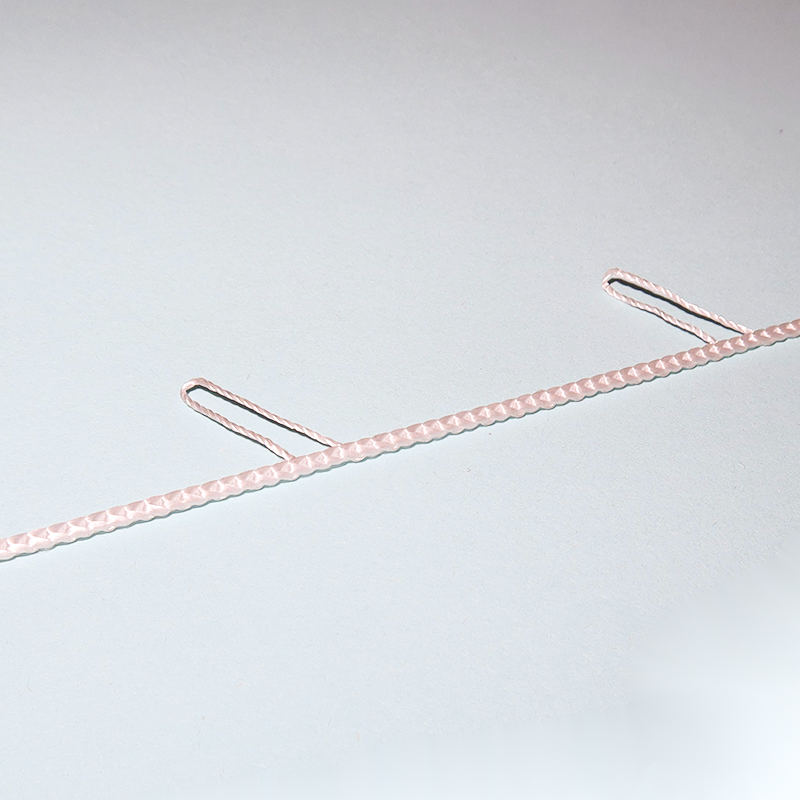
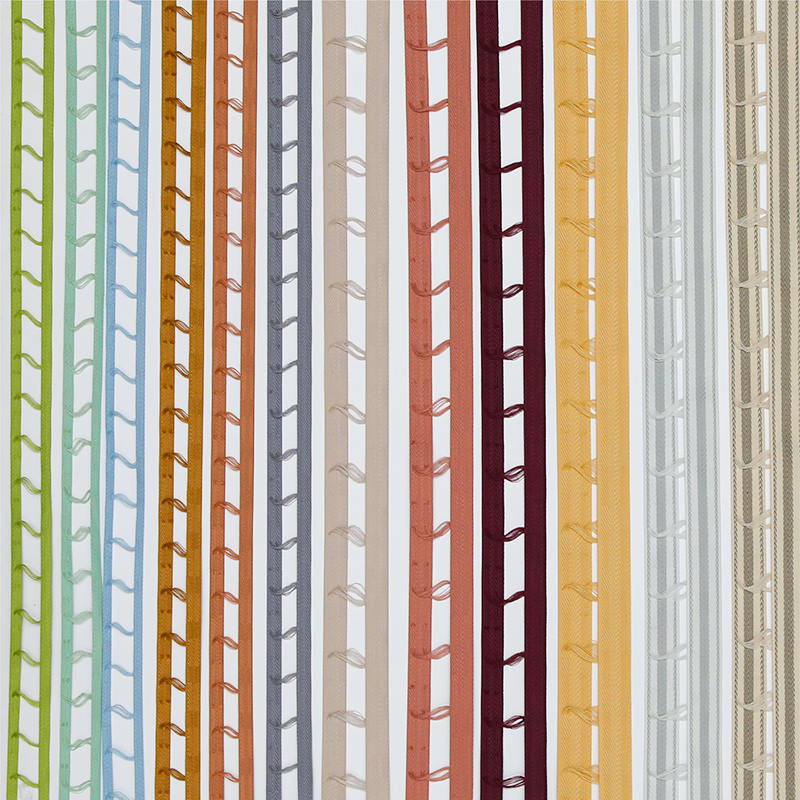
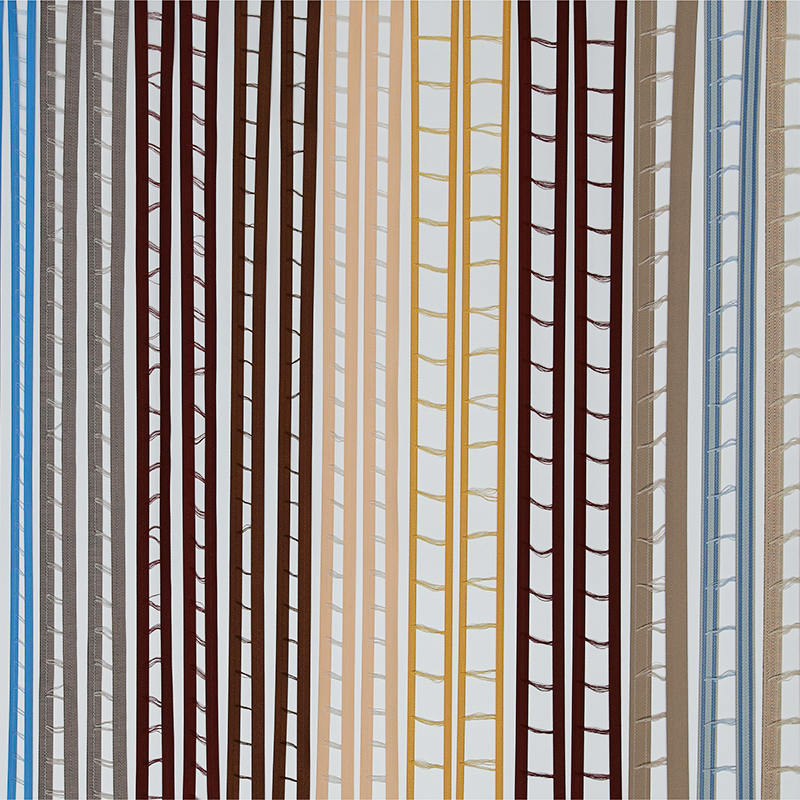
The slats are typically held together by ladder tapes or cords, and they rotate or stack to allow varying levels of light filtration. The fabric itself can be sheer, semi-opaque, or blackout, giving users precise control over their interior environment.
Not all fabric slats are created equal. The type you choose will depend on your light control needs, design preferences, and the specific room you're furnishing. Below are the most common varieties available on the market:
Sheer slats allow diffused natural light to pass through while still providing a degree of privacy. They work best in living rooms and dining areas where you want an airy, luminous feel without full exposure. The translucent weave softens harsh sunlight, reducing glare without darkening the room.
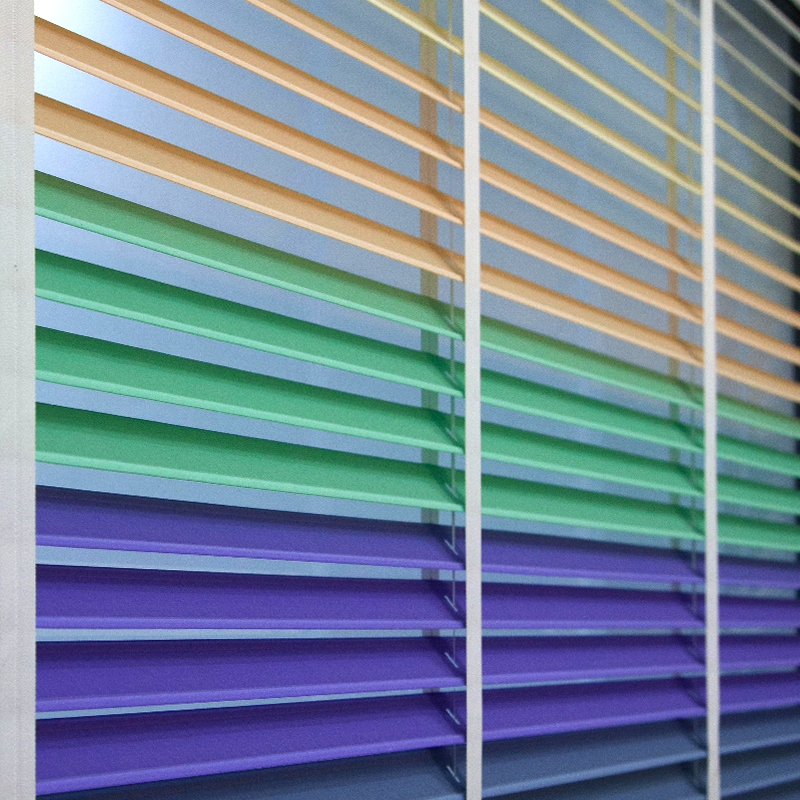
Semi-opaque slats offer a balance between light filtering and privacy. They block a significant portion of UV rays and direct sunlight while still allowing some ambient light into the room. These are popular choices for bedrooms and home offices where screen glare is a concern but complete darkness isn't necessary.
Blackout slats are engineered with tightly woven or coated fabric that blocks virtually all incoming light. They are ideal for bedrooms, media rooms, or nurseries where light control is critical. Many blackout slats also provide thermal insulation, helping to regulate room temperature and reduce energy costs.
Beyond light control, fabric slats serve a strong decorative purpose. Manufacturers offer slats in linen textures, grasscloth-inspired weaves, geometric prints, and solid colors. These options allow homeowners to use their blinds as a visual feature rather than just a functional element.
Fabric slats provide several distinct advantages when compared to aluminum, faux wood, or real wood slats. Understanding these benefits helps clarify why so many interior designers and homeowners prefer them for certain applications.
Selecting fabric slats is not a one-size-fits-all decision. Room function, window orientation, and interior design style all play critical roles. Use the table below as a quick reference guide:
| Room | Recommended Slat Type | Key Consideration |
| Living Room | Sheer or Semi-Opaque | Maximize natural light while maintaining privacy |
| Bedroom | Blackout Fabric | Full light blocking for better sleep quality |
| Home Office | Semi-Opaque | Reduce screen glare without losing daylight |
| Kitchen | Moisture-Resistant Fabric | Withstands steam and humidity near cooking areas |
| Bathroom | PVC-Coated or Water-Repellent | Prevent mold and moisture absorption |
| Media Room | Blackout Fabric | Eliminate reflections and light interference |
Before committing to a set of fabric blind slats, there are several technical specifications worth verifying. These details directly affect performance, longevity, and compatibility with your existing blind hardware.
Fabric slats come in various widths, typically ranging from 25mm to 127mm for horizontal blinds, and up to 127mm for vertical blinds. Wider slats offer a more modern, streamlined look and allow more light when open, while narrower slats create a finer, more traditional appearance and provide more precise light control when adjusted.
Heavier fabrics tend to hang more neatly and resist warping, while lighter fabrics may be prone to bowing or sagging over time. For vertical blinds especially, slat stiffness is crucial — look for fabric slats with a firm backing or stiffening insert to maintain their shape under daily rotation.
In commercial environments or homes with specific building codes, fabric slats may need to meet fire-retardant standards. Check for certifications such as NFPA 701 (USA), BS 5867 (UK), or equivalent regional standards before purchasing for commercial or high-risk residential applications.
If you are replacing slats rather than purchasing a complete blind system, ensure the new slats are compatible with your current headrail, ladder tape spacing, and tilt mechanism. Measure the original slats carefully — both width and length — and confirm the hole positioning matches your existing ladder cord configuration.
Fabric slats require more careful maintenance than hard materials, but they are by no means difficult to keep clean. Following a consistent care routine extends their lifespan significantly and preserves their appearance.
Even with good maintenance, fabric slats will eventually show signs of wear. Knowing when to replace them — rather than the entire blind — saves money and reduces waste. Consider replacing your slats when you notice any of the following:
Replacement slats are widely available from blind manufacturers, and many brands sell individual slats or slat packs compatible with their headrail systems. This makes refreshing the look of your blinds straightforward and cost-effective without investing in a brand-new installation.
Fabric blind slats combine practicality with design flexibility in a way that few other window treatment components can match. By understanding the different types available, the specifications that matter most for your application, and the care required to maintain them, you can make a confident purchase that serves your home well for years. Whether you prioritize light filtering performance, thermal efficiency, or interior style, there is a fabric slat solution tailored to your exact needs. Take the time to compare options, request fabric samples when possible, and always verify compatibility with your existing blind hardware before placing an order.