 "navigation"


02
Content
Blinds ladder cords are a critical component of window blinds, responsible for holding the slats in place and allowing them to tilt and lift efficiently. Choosing the right type of ladder cord affects both functionality and aesthetics of your blinds. Two main types dominate the market: hidden-hole ladder cords and regular ladder cords. Understanding the differences between these two options can help you make an informed decision for your windows.
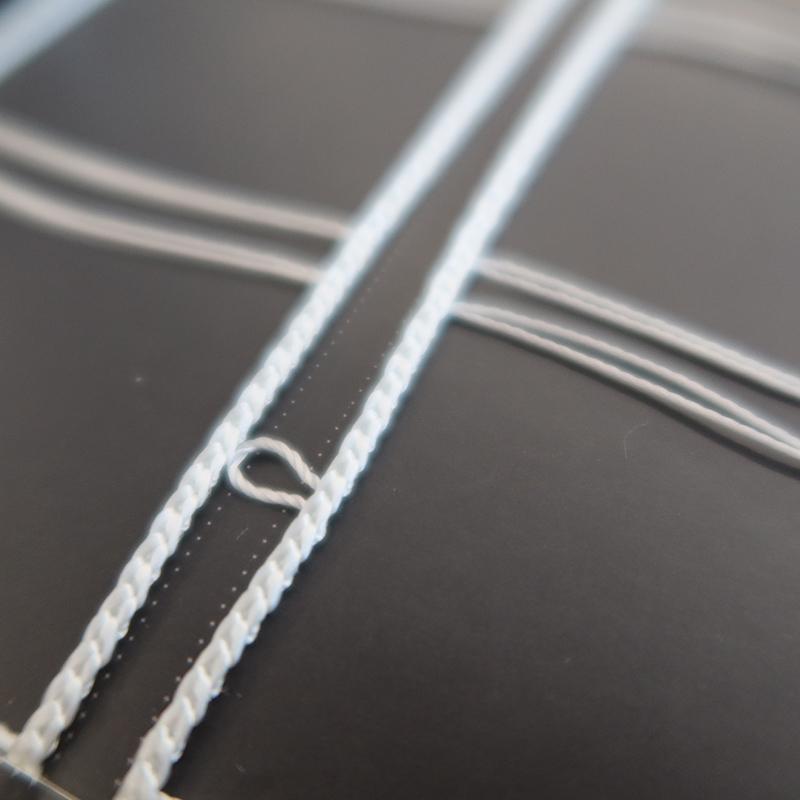
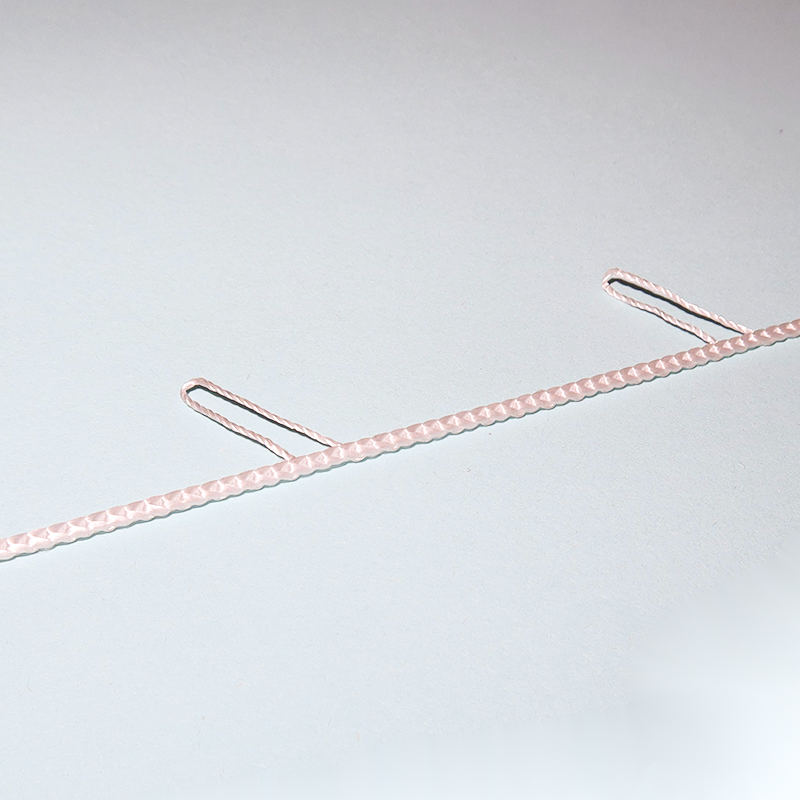
Hidden-hole blinds ladder cords are designed with the cord running through small holes in the slats rather than wrapping around the exterior of the slat. This creates a cleaner, more streamlined appearance and reduces the visibility of cords from the front of the blind. They are widely used in modern blinds systems for their aesthetic appeal and improved safety.
In hidden-hole blinds, the ladder cord passes through drilled holes in each slat, which keeps the cord largely concealed. This not only provides a neater look but also reduces the risk of tangling or snagging. The cord still maintains the same function of supporting the slats and enabling smooth tilting and raising.
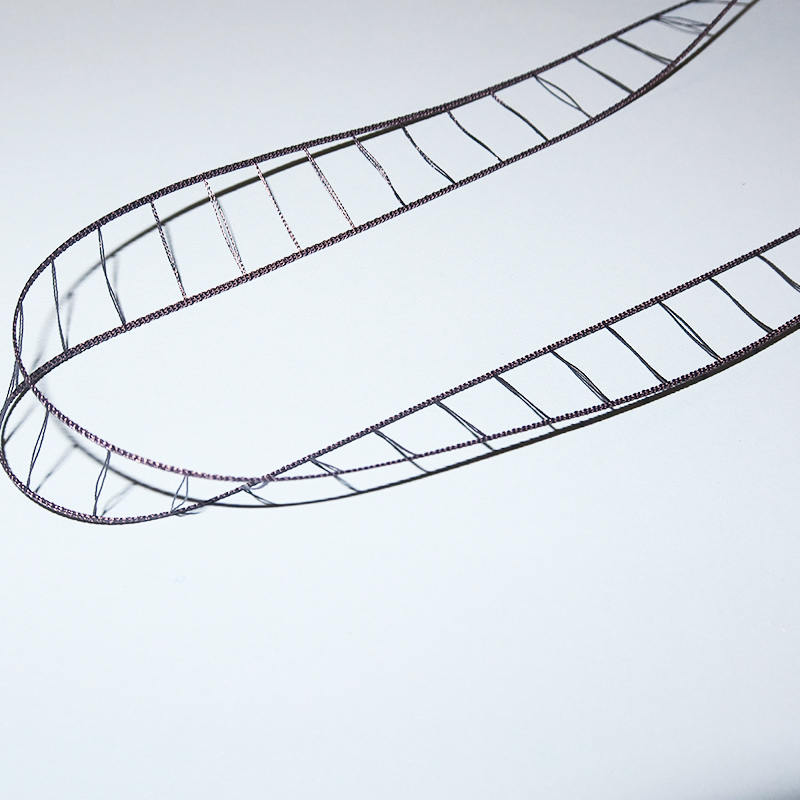
Regular ladder cords, also known as standard ladder cords, run along the sides of the slats and are visible from the front of the blind. This traditional design has been widely used for decades and is recognized for its simplicity and cost-effectiveness.
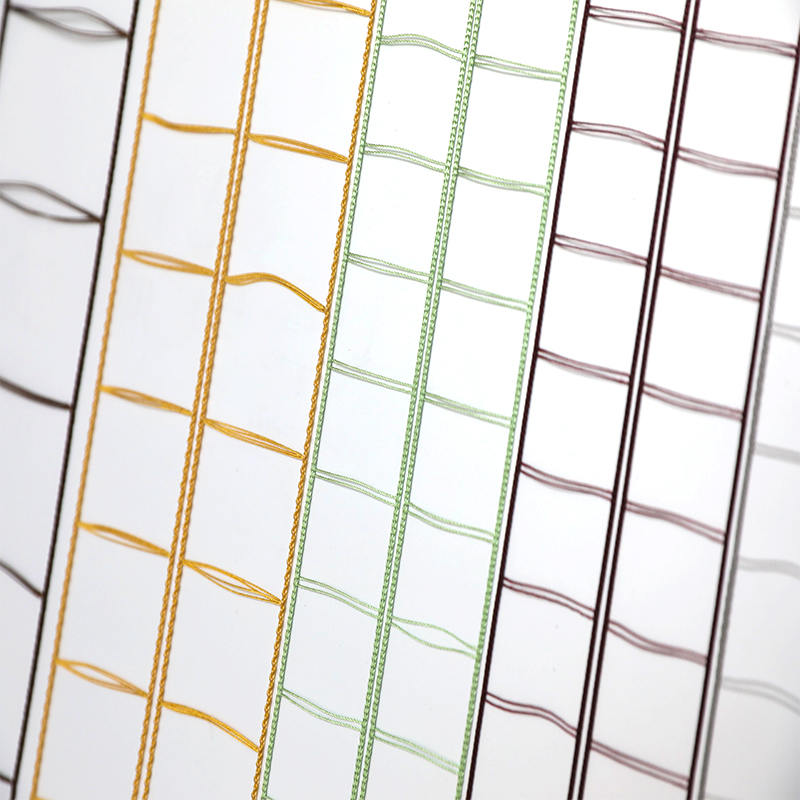
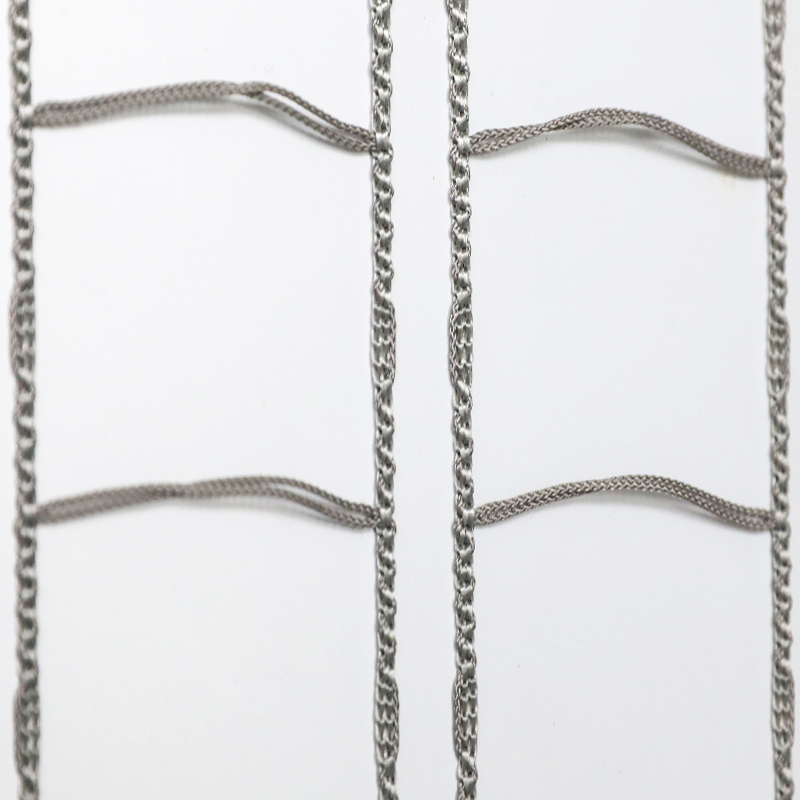
Regular ladder cords consist of two vertical cords on either side of the slats, connected by horizontal rungs that hold the slats in position. The slats rest on these rungs, which are exposed from the front of the blind. While functional, the exposed cords can affect the overall aesthetics, especially in contemporary interior designs.
While both ladder cord types serve the primary function of supporting slats and allowing tilt operation, their design, aesthetics, safety, and maintenance characteristics differ significantly. Below is a detailed comparison table highlighting these differences:
| Feature | Hidden-Hole Ladder Cord | Regular Ladder Cord |
| Appearance | Cord mostly invisible; clean and modern look | Cord visible; traditional appearance |
| Child Safety | Higher safety; cords less accessible | Lower safety; cords accessible and may pose risk |
| Durability | Better protection from wear and tear | Cords more exposed; potential for fraying |
| Cost | Higher; more complex manufacturing | Lower; simpler production |
| Installation | Slightly more complex; requires precise alignment | Simple and straightforward |
Selecting between hidden-hole and regular ladder cords depends on multiple factors including interior design, safety concerns, maintenance preferences, and budget.
Hidden-hole cords offer a sleek, minimalistic look ideal for modern interiors, while regular ladder cords suit traditional or industrial-style settings. Choose based on your overall decor and design preferences.
If the blinds are installed in homes, daycare centers, or schools, hidden-hole ladder cords are preferred for child safety. The reduced accessibility of cords lowers the risk of accidental entanglement.
Consider how often the blinds will be operated and cleaned. Hidden-hole cords are better protected from wear, while regular cords are easier to replace if damaged. The frequency of maintenance may influence your choice.
Regular ladder cords are generally more affordable and widely available. Hidden-hole cords are a premium option, so factor in higher initial costs against long-term benefits in aesthetics and safety.
Proper installation is essential for the performance and longevity of blinds. Whether using hidden-hole or regular ladder cords, follow manufacturer guidelines carefully.
Both hidden-hole and regular blinds ladder cords serve their primary function of supporting and operating blinds effectively. Hidden-hole cords are ideal for modern aesthetics, child safety, and reduced wear, while regular cords offer cost-efficiency and simplicity. Understanding the differences and evaluating your specific needs ensures you select the right ladder cord system for your blinds, balancing appearance, functionality, and safety.