 "navigation"


02
Content
Aluminum blinds are a popular window treatment choice due to their durability, sleek appearance, and ease of operation. Central to their functionality are the cords, which allow users to tilt and raise or lower the blinds. Over time, these cords can accumulate dust, dirt, and grime, or become frayed and tangled. Regular cleaning and proper maintenance of aluminum blinds cords not only ensures smooth operation but also prolongs the lifespan of the blinds. This guide provides practical, step-by-step advice for cleaning, inspecting, maintaining, and repairing aluminum blinds cords safely and effectively.
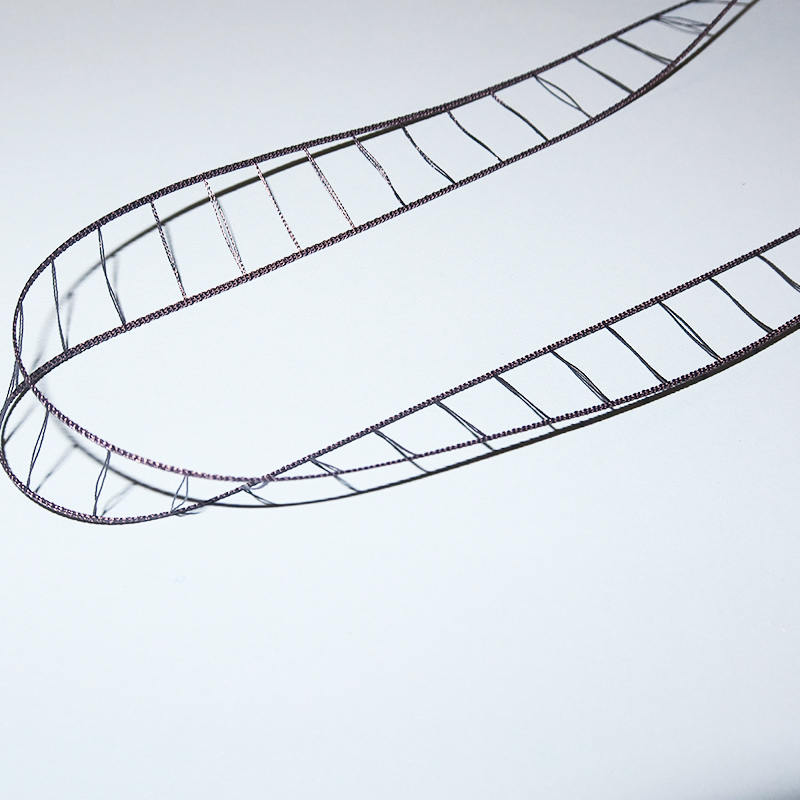
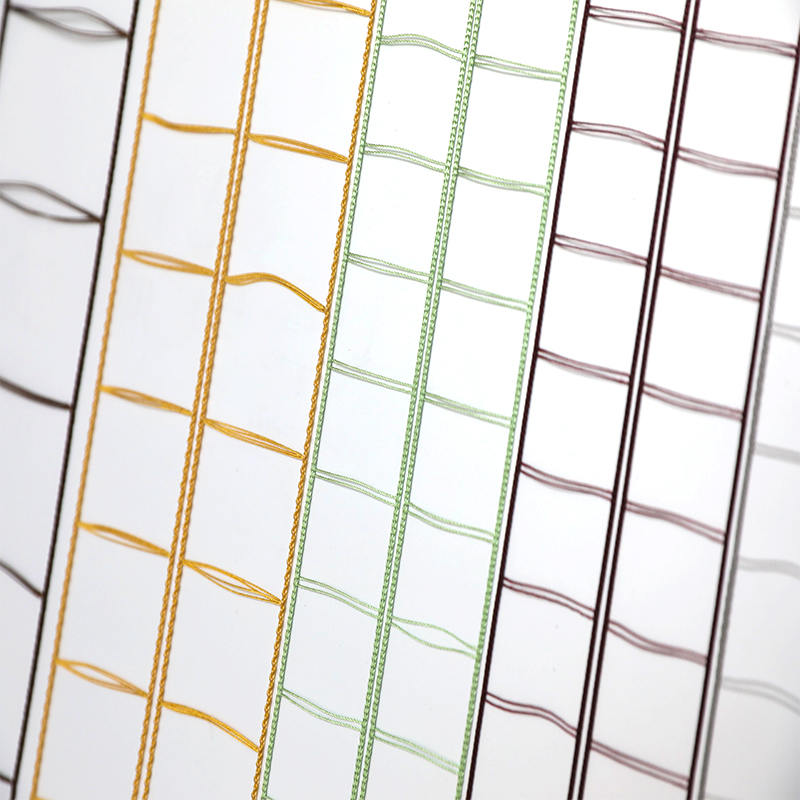
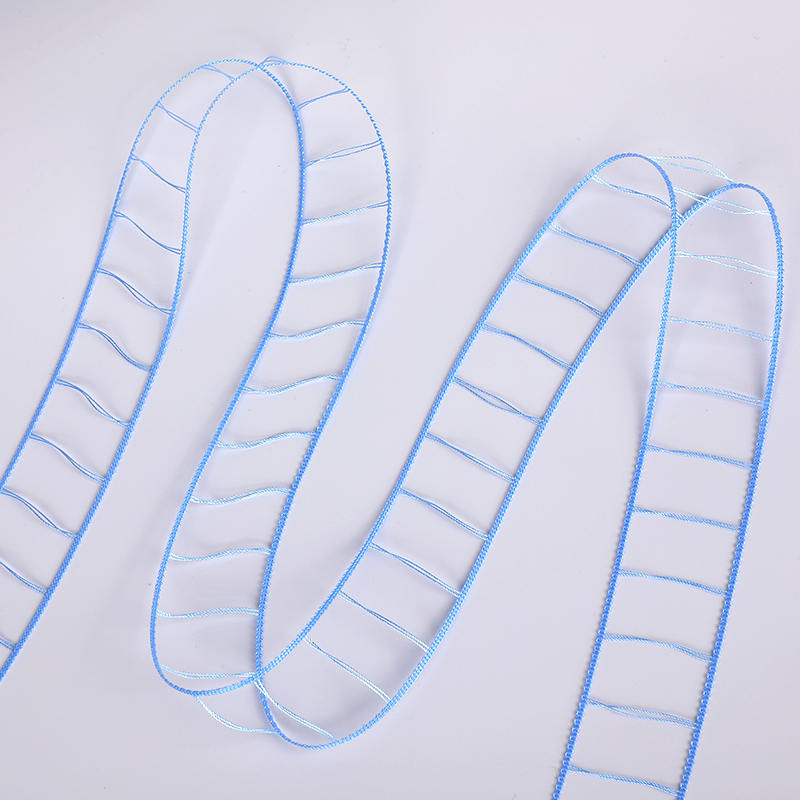
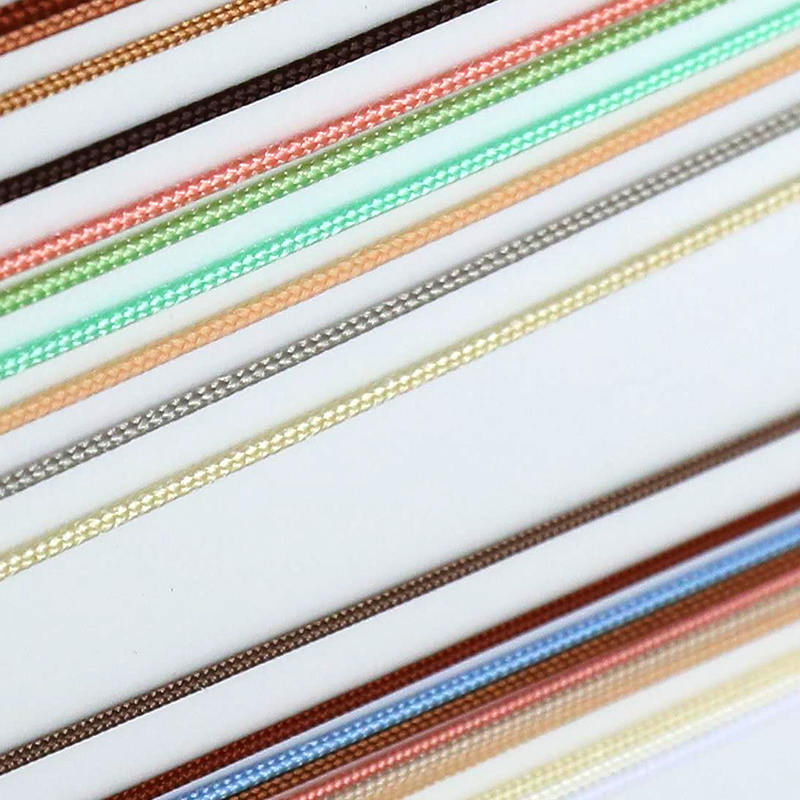
Aluminum blinds cords are typically made of durable synthetic fibers such as polyester or nylon. They are designed to withstand repeated tension and movement. Understanding the materials and mechanics of these cords is crucial before attempting cleaning or maintenance. The cord runs through a series of pulleys and guides inside the headrail, and improper handling can cause tangling, fraying, or even breakage.
Some frequent problems include:
Before beginning any cleaning, ensure safety and proper setup:
Regular dusting is essential to prevent the accumulation of debris that can damage cords. Use a microfiber cloth or a duster to gently wipe the cords. Alternatively, a vacuum cleaner with a soft brush attachment can remove dust without putting strain on the cords.
For cords that have accumulated dirt or sticky residue, a deeper cleaning is required. Mix a small amount of mild detergent in warm water. Dip a soft cloth or sponge into the solution, wring out excess water, and gently wipe the cords from top to bottom. Avoid saturating the cords as excessive moisture can weaken the fibers or cause mold in the headrail.
For stubborn stains or grease, use a soft brush or toothbrush dipped in the cleaning solution to gently scrub the affected area. Always rinse the cord by wiping with a clean damp cloth to remove any detergent residue. Avoid harsh chemicals that can degrade synthetic fibers.
Proper maintenance ensures cords operate smoothly and last longer:
When cords are frayed, broken, or stretched beyond repair, replacement is necessary. Many aluminum blinds come with manufacturer replacement cords, or universal replacement kits are available. Follow these steps:
Aluminum blinds cords can pose a strangulation hazard, especially for children and pets. Consider these safety measures:
Cleaning and maintaining aluminum blinds cords is a simple yet essential part of extending the life and performance of your blinds. Regular dusting, occasional deep cleaning, inspection, and timely repair or replacement of frayed cords ensures smooth operation. Coupled with safe installation practices and preventive measures, these steps make aluminum blinds a durable and reliable window covering for years to come.