 "navigation"


02
Content
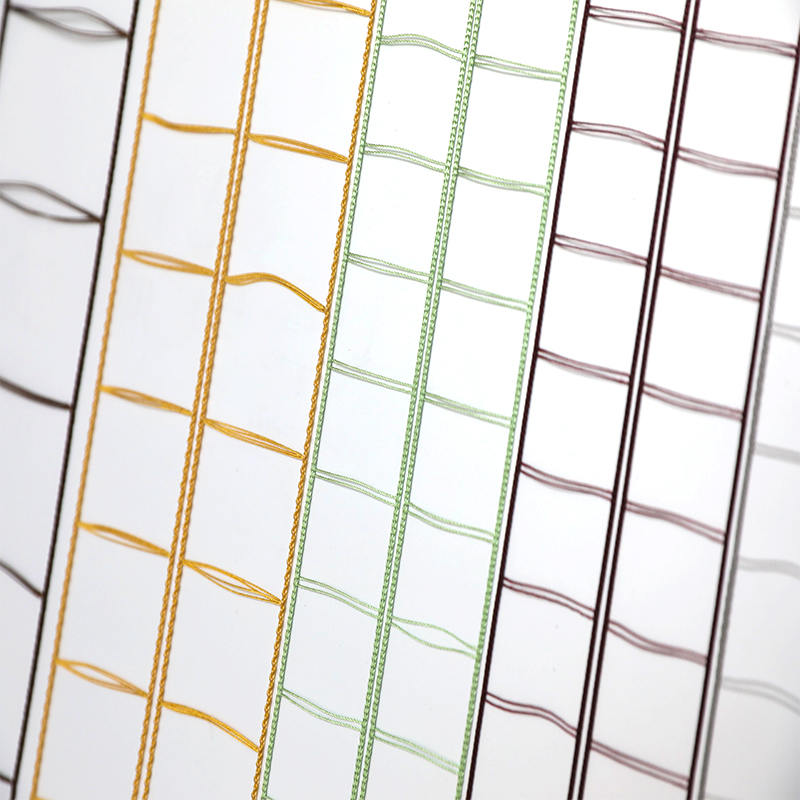
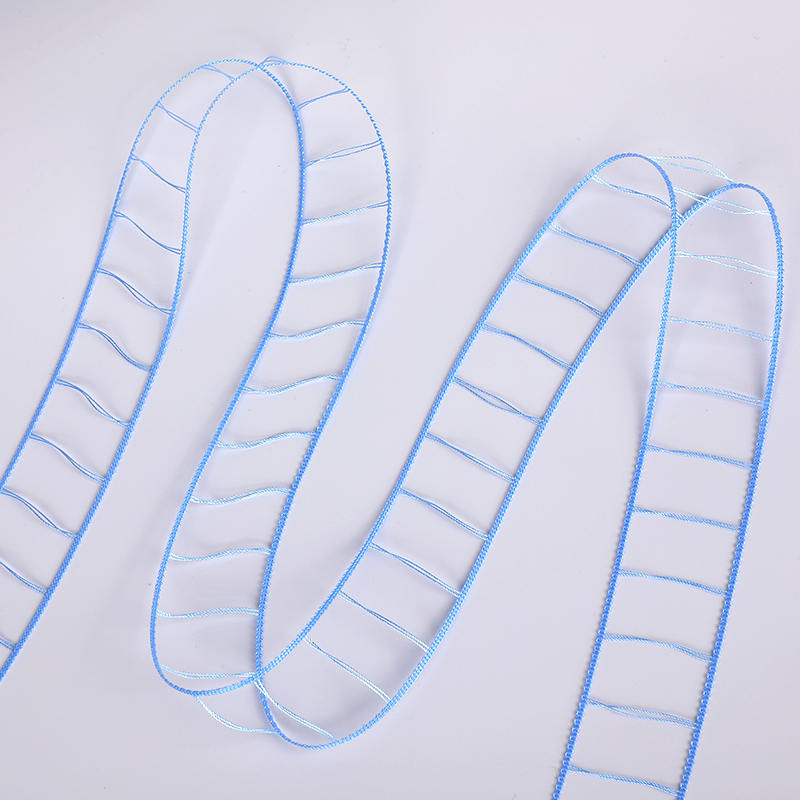
Pleated blinds are a popular window treatment known for their sleek appearance, light control, and energy efficiency. At the heart of their operation lies the pleated blinds cord, which controls the raising, lowering, and tilting of the blinds. Understanding the types of cords, their functions, maintenance requirements, and safety considerations is essential for homeowners and professionals seeking durable and reliable performance.
Pleated blinds use different cord systems depending on design, size, and functionality. Selecting the right cord type ensures smooth operation and safety.
A continuous loop cord forms a closed loop that moves the blinds up and down. This design is suitable for large windows and allows precise control of blind positioning. Continuous loop cords often include safety devices to reduce the risk of entanglement, especially in homes with children.
Standard lift cords are individual cords attached to the blind’s headrail. They allow manual raising and lowering of pleated blinds and are typically locked in position using cord locks. Standard cords are simple, reliable, and widely used in residential applications.
Motorized pleated blinds utilize cords connected to a motor mechanism, allowing remote or automated control. These systems are ideal for hard-to-reach windows, large installations, or smart home integration. Motorized cords eliminate manual operation and enhance convenience while maintaining precise adjustment.
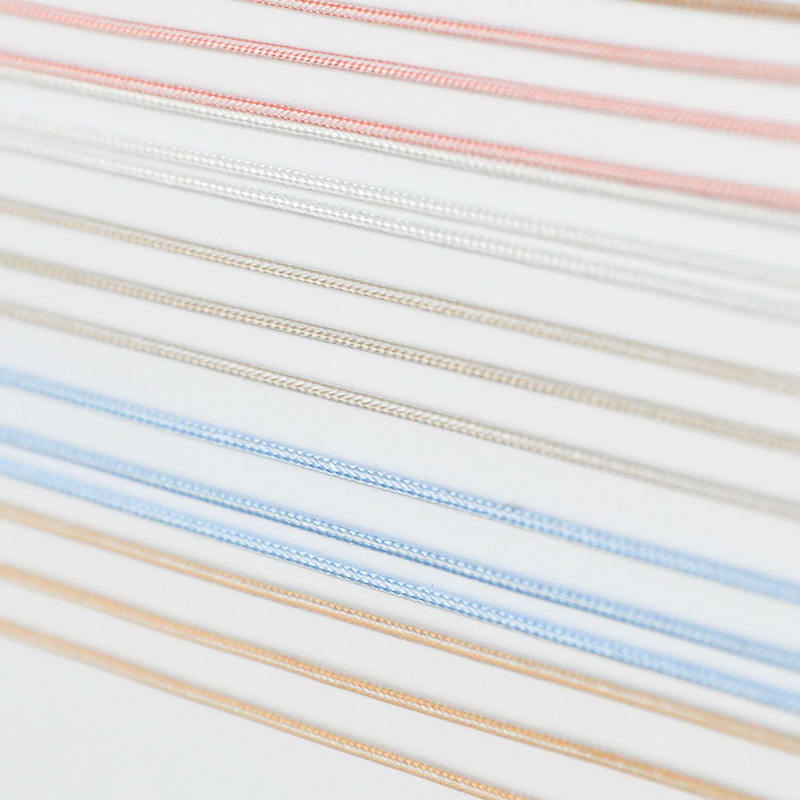
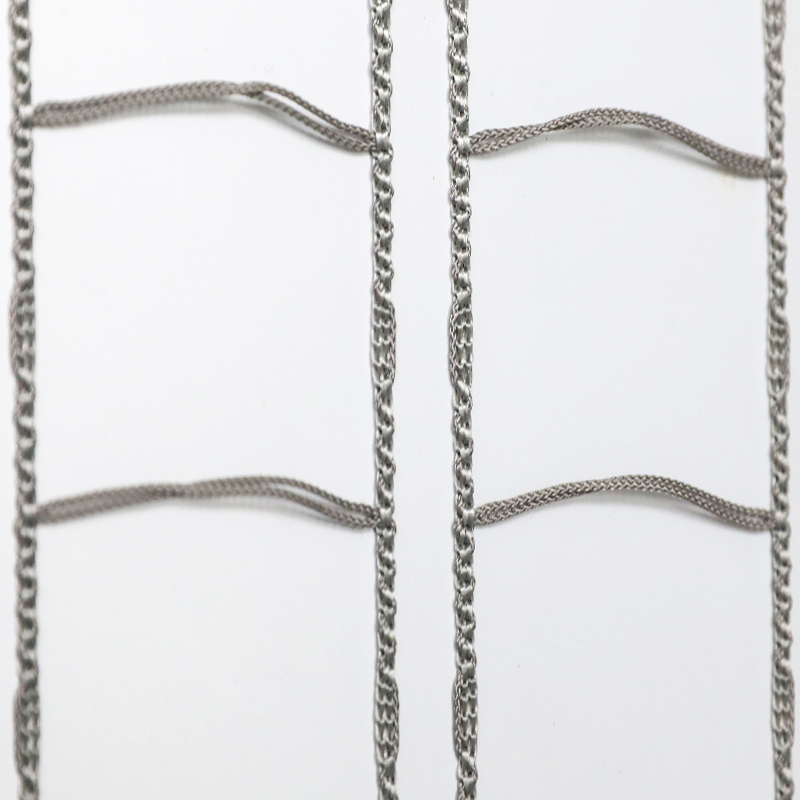
The quality and durability of pleated blinds cords depend on the materials used and their construction method. Common materials include polyester, nylon, and cotton blends.
Polyester cords are widely used for their strength, resistance to stretching, and minimal wear over time. They maintain tension and smooth operation even under frequent use. Polyester also resists moisture, making it suitable for humid areas like kitchens and bathrooms.
Nylon cords offer high tensile strength and excellent abrasion resistance. Their smooth texture ensures silent operation, reducing friction noise. Nylon cords are ideal for larger pleated blinds and high-traffic window areas.
Cotton or blended cords provide a softer texture and a natural appearance. While aesthetically pleasing, they may require more frequent maintenance due to susceptibility to wear or stretching over time.
Proper installation of pleated blinds cords ensures smooth operation, safety, and longevity. Understanding the mechanics of cord systems helps in achieving optimal performance.
Accurate measurement of the window frame is essential. The cord length should match the height of the blinds plus extra for operation loops. Incorrect cord length can cause improper locking, uneven folding, or difficulty raising and lowering the blinds.
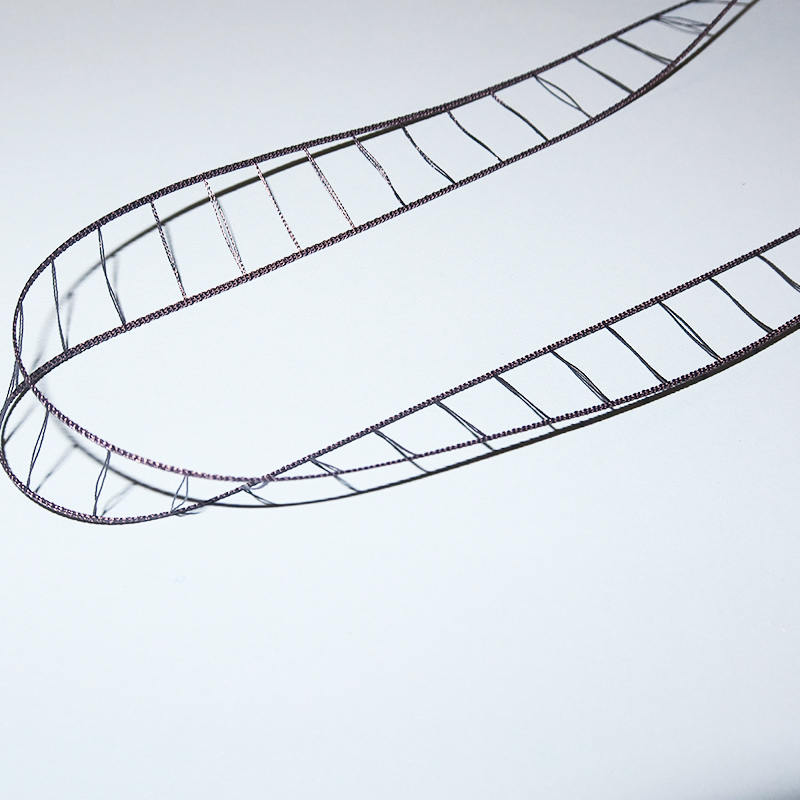
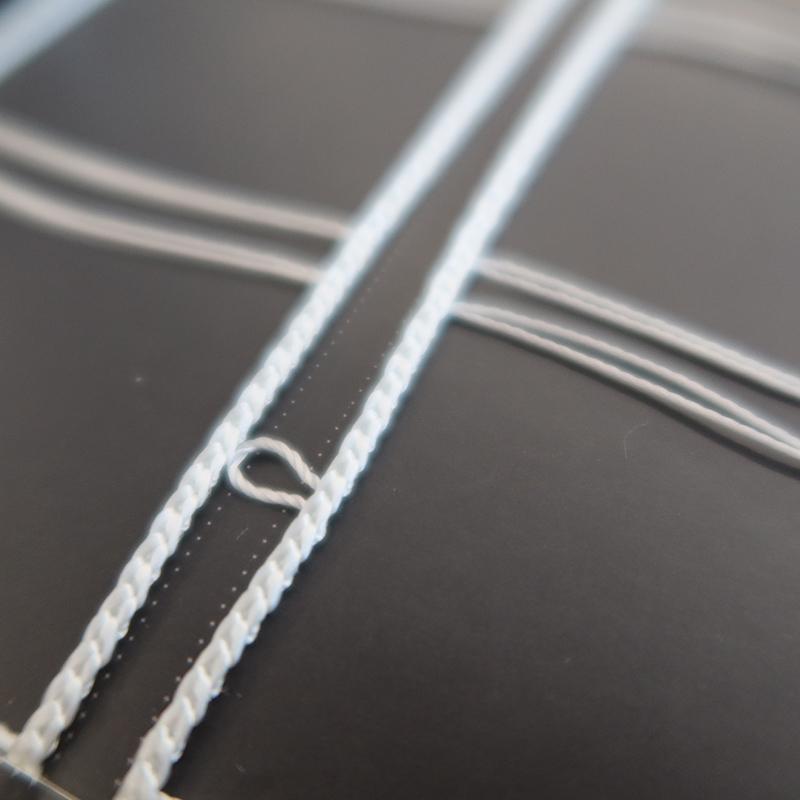
Cords are threaded through the pleats of the blinds and attached to the headrail. Ensure that the cord follows the designated channel or guide to prevent tangling or uneven movement. Smooth threading is critical for consistent blind operation.
Cord locks or tension devices secure the blinds at the desired height. Adjustable tension ensures that the blinds move freely without slack or excessive tightness. Regular adjustment maintains cord alignment and prevents premature wear.
Pleated blinds cords pose potential safety risks, particularly for households with children or pets. Implementing safety measures is essential to prevent accidents.
Regular maintenance ensures that pleated blinds cords remain functional and safe. Troubleshooting common issues helps extend their lifespan and maintain smooth operation.
Dust and dirt accumulation can affect cord movement. Wipe cords with a damp cloth and mild soap solution. Avoid harsh chemicals that can weaken fibers or damage cord coatings.
Ensure cords are not twisted or overlapping. Regularly inspect the cord path for smooth operation and correct any misalignment. Using cord guides or tension devices minimizes tangling risk.
Frayed or broken cords should be replaced immediately. Most pleated blinds allow for individual cord replacement without removing the entire blind. Use manufacturer-recommended cords to maintain proper tension and safety standards.
High-quality pleated blinds cords offer numerous practical benefits for homeowners and businesses.
Choosing the right cord type depends on blind size, window placement, and user needs. The table below summarizes key differences:
| Cord Type | Ease of Operation | Safety | Maintenance | Ideal Application |
| Continuous Loop | High | Medium-High | Medium | Large or high windows |
| Standard Lift | Medium | Medium | Low-Medium | Residential windows |
| Motorized | Very High | High | Low | Hard-to-reach or automated windows |
Pleated blinds cords are essential components that define the functionality, safety, and longevity of pleated window treatments. By selecting appropriate cord types, ensuring proper installation, and performing regular maintenance, users can enjoy smooth operation, reliable performance, and enhanced safety. High-quality cords combined with thoughtful design provide an efficient, elegant, and user-friendly window covering solution suitable for homes, offices, and commercial spaces.