 "navigation"


02
Content
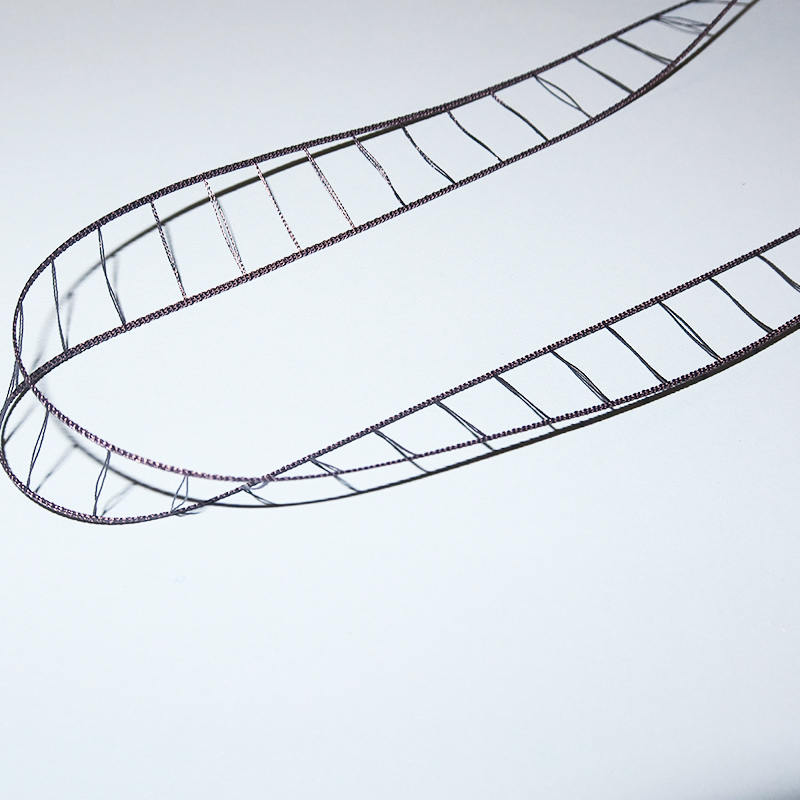
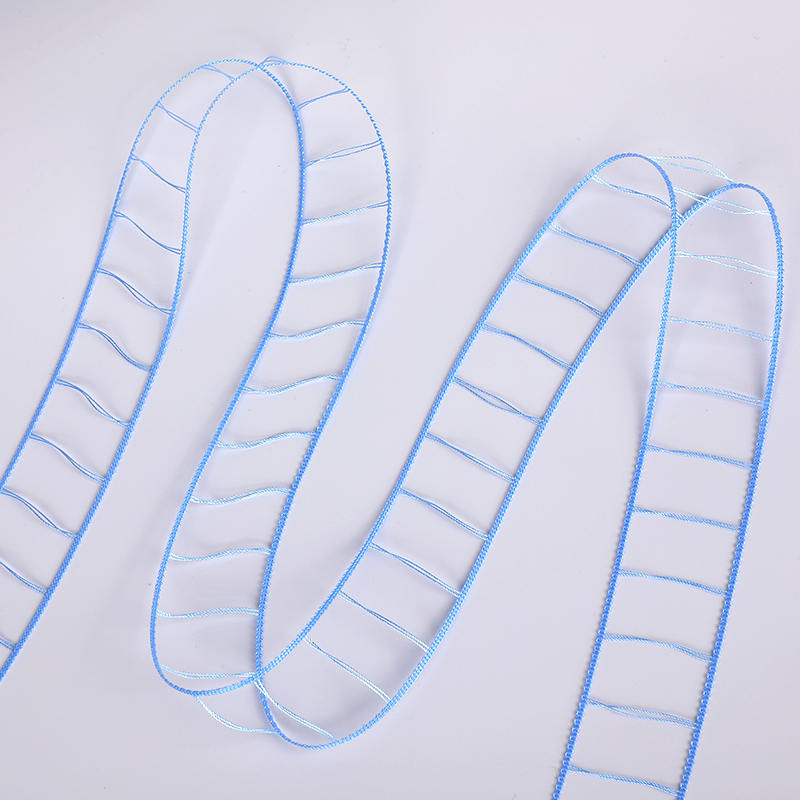
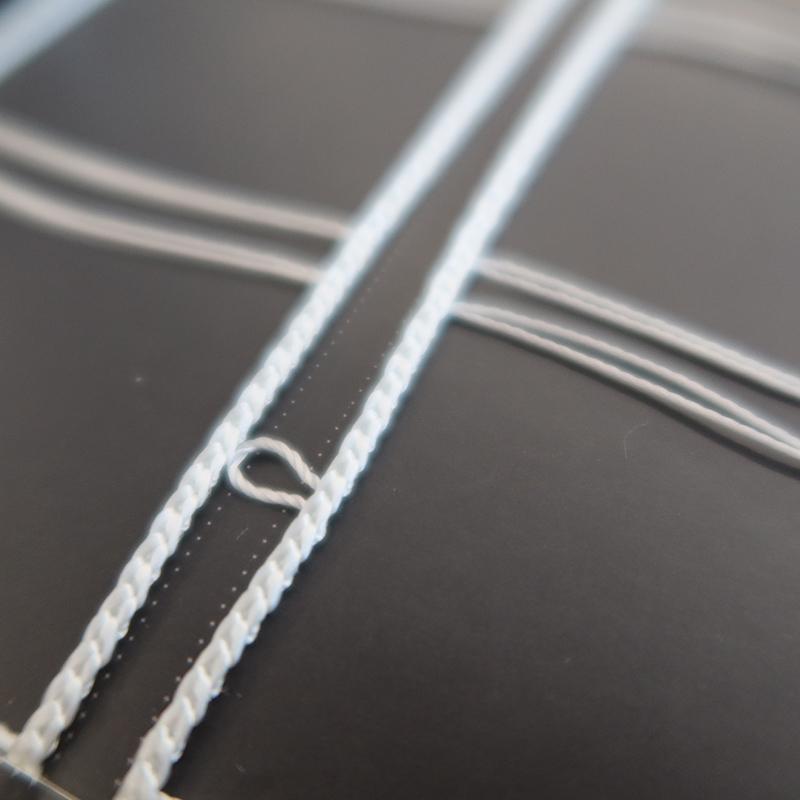
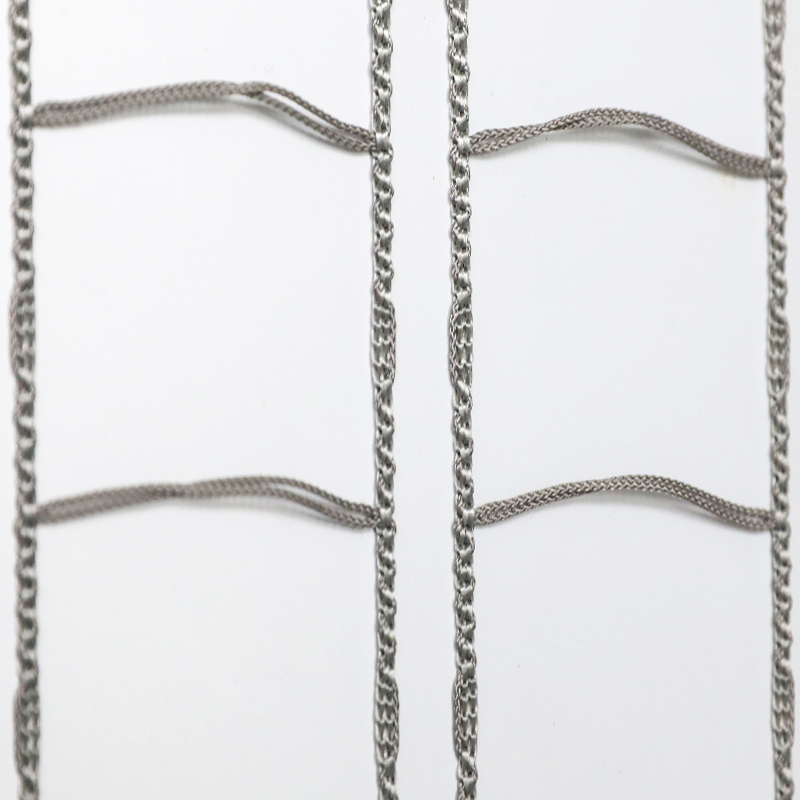
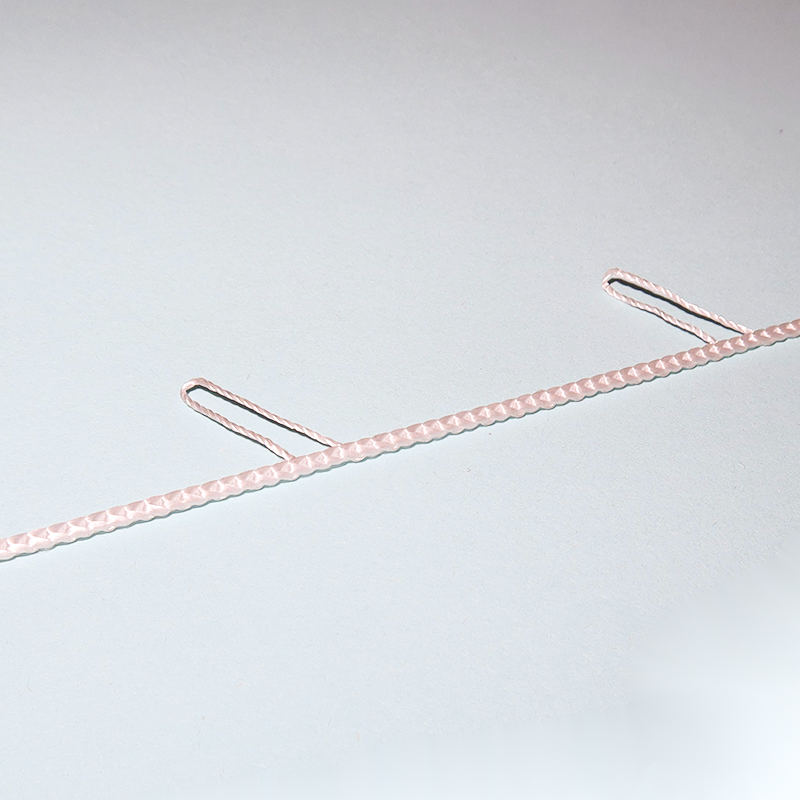
A hidden-hole blinds ladder cord is a specially designed ladder system for window blinds where the cord runs through small, concealed holes in the slats. This design creates a cleaner, more modern look compared to traditional ladder tapes or visible cord ladders. It also reduces light leakage and improves privacy, while maintaining the functionality of tilting and raising the blinds.
Hidden-hole ladder cords have gained popularity in recent years because they offer a balance between aesthetics and practicality. Interior designers often choose them for minimalist and contemporary styles, as they eliminate the visual clutter of ladder tapes. Additionally, they can enhance the performance of the blinds by providing smoother movement and less friction.
One of the main advantages of hidden-hole ladder cords is their clean appearance. Without visible ladders or tapes, the blinds look more streamlined and elegant. This is especially beneficial for high-end projects or spaces where design is a key priority, such as hotels, offices, and luxury homes.
Hidden-hole ladder cords can also improve functionality. Because the cords are concealed within the slats, they are less likely to snag on objects or clothing. The system also allows for smoother tilting and lifting, as there is less external friction and fewer exposed parts.
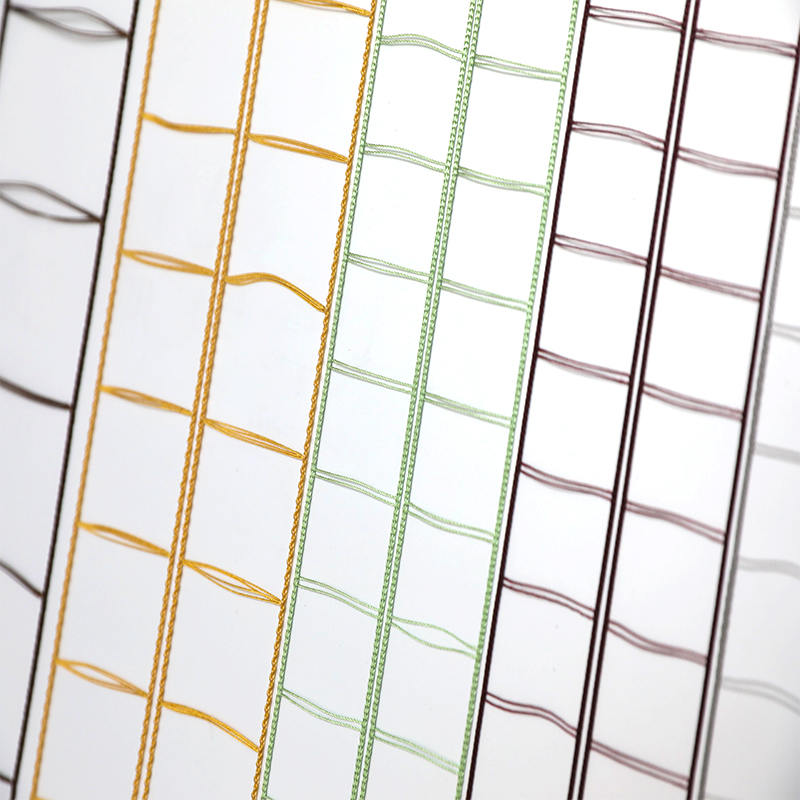
Hidden-hole ladder cords come in several types, mainly differentiated by the materials used and the method of integration with the blinds. Choosing the right type depends on the blind size, weight, and intended usage environment.
Nylon is one of the most common materials for hidden-hole ladder cords due to its strength, flexibility, and resistance to wear. It is ideal for lightweight to medium-weight blinds and offers excellent durability in residential settings.
Polyester cords are known for their high tensile strength and resistance to stretching. They are suitable for heavier blinds and commercial applications where long-term performance is required. Polyester also performs well in environments with higher humidity, such as kitchens and bathrooms.
Cotton ladder cords provide a soft, natural look, which is often preferred in traditional or rustic interiors. However, cotton is more prone to stretching and may require more frequent adjustments. It is best used for smaller blinds or low-usage areas.
Installing hidden-hole ladder cords requires precision because the cords must align perfectly with the holes in each slat. While installation can be done by experienced DIYers, it is often recommended to have professional installation for large or custom blinds.
The general installation steps include measuring the blind size, drilling or punching the hidden holes, threading the ladder cord through the holes, and attaching the cord to the headrail and bottom rail. Each step must be executed carefully to ensure smooth operation and prevent slat misalignment.
Common mistakes include misaligned holes, too-tight cord tension, and incorrect cord routing. These issues can cause uneven tilting, slat warping, or even cord breakage. To avoid these problems, always follow manufacturer guidelines and check the alignment at multiple points during installation.
When selecting a hidden-hole ladder cord, it is important to evaluate several performance factors, including load capacity, UV resistance, and friction. These factors affect how well the blinds will function over time, especially in environments with heavy usage or harsh conditions.
The load capacity of the ladder cord must match the weight of the blinds. If the cord is too weak, it can stretch or snap, leading to malfunction. For heavy blinds or large windows, choose a cord with high tensile strength, such as polyester or reinforced nylon.
If the blinds are installed in sun-exposed areas, UV resistance becomes crucial. UV exposure can weaken the cord over time, causing discoloration and loss of strength. For such environments, UV-stabilized nylon or polyester cords are recommended.
Friction between the cord and the slat holes affects how smoothly the blinds operate. Too much friction can cause jerky movement or cord wear. Proper hole sizing and high-quality cord materials help minimize friction and ensure long-lasting performance.
Safety is a critical consideration, especially in homes with children or pets. Traditional ladder cords can pose strangulation risks, so many manufacturers incorporate safety features or recommend cordless alternatives. Hidden-hole ladder cords reduce visible loops, but safety measures are still necessary.
In many regions, window covering products must meet child safety standards, such as limiting cord length or providing tension devices. It is important to choose ladder cords and blinds that comply with local regulations to ensure a safe home environment.
Maintenance is essential to keep hidden-hole ladder cords functioning smoothly. Regular checks can prevent cord wear, slat misalignment, and other issues that may affect performance and lifespan.
Dust and dirt can accumulate inside the hidden holes, increasing friction and reducing smoothness. Use a soft brush or compressed air to clean the holes periodically. Avoid harsh chemicals, as they can damage the cord material.
Inspect the cord tension and slat alignment every few months. If the blinds tilt unevenly or feel stiff, adjust the tension or re-thread the cord. Keeping the system aligned helps prevent premature wear.
Selecting the right hidden-hole ladder cord depends on the blind type, usage environment, and aesthetic goals. A well-chosen cord enhances both appearance and functionality, ensuring a long-lasting and attractive window treatment.
For lightweight blinds, nylon cords are often sufficient and cost-effective. For heavier blinds, polyester or reinforced cords provide better strength and longevity. Always consider the blind’s size and material when choosing the cord.
Hidden-hole ladder cords offer a sleek look, but it is important not to sacrifice functionality. Choose cords with smooth operation and proper tension to ensure the blinds perform well while maintaining a clean appearance.
Here are common questions about hidden-hole ladder cords, providing quick guidance for buyers and installers.
Hidden-hole ladder cords can be more durable in some cases because they have fewer exposed surfaces and less risk of snagging. However, durability depends on material quality, cord tension, and proper installation.
They are most suitable for horizontal slat blinds where drilling or punching holes is feasible. For some materials like thick wooden slats, the process may be more complex, and alternative ladder systems may be preferred.
Yes, replacement is possible but requires careful re-threading and alignment. It is recommended to consult a professional if the blinds are large or custom-made to avoid damage during the process.
Hidden-hole blinds ladder cords are an excellent option for modern window treatments that prioritize a clean appearance and smooth functionality. By choosing the right material, ensuring proper installation, and following regular maintenance, you can enjoy a stylish and reliable blind system that enhances your interior space. Whether for residential or commercial use, hidden-hole ladder cords offer a balance of aesthetics, performance, and safety.