 "navigation"


02
Content
Basswood is a lightweight hardwood prized for its fine, even grain and its resistance to warping compared to other timbers. When used in wood blinds, basswood slats offer a smooth, paintable surface that takes stain evenly, which is why so many manufacturers rely on it as their standard material. The wood is soft enough to cut cleanly during manufacturing, yet stable enough to hold its shape over years of daily opening and closing. For homeowners comparing wood blinds, understanding that basswood forms the core of most quality products helps explain why price and performance can vary so much between brands. A well-milled basswood slat resists sagging in the middle, keeps its color under sunlight exposure, and produces a clean, tailored look in nearly any room.
Slat width changes both the visual style and the function of your blinds, so it's worth thinking through before you order. Wider slats, typically 2 inches, are popular in living rooms and larger windows because they let in more light when open and create a bold, modern look when closed. Narrower slats, around 1 inch, suit smaller windows or spaces like kitchens and bathrooms where a more delicate appearance is preferred. Wider slats also mean fewer moving parts, which can translate into quieter operation and a cleaner sightline when the blinds are raised.
| Slat Width | Best Use | Visual Style |
| 1 inch | Small windows, bathrooms | Delicate, traditional |
| 2 inch | Living rooms, large windows | Bold, contemporary |
| 2.5 inch | Wide picture windows | Statement, minimal slats |
Accurate measurements are the single most important step in buying wood blinds, since even a small error can leave gaps or prevent the blinds from fitting the frame at all. Decide first whether you want an inside mount, where the blinds sit within the window frame, or an outside mount, where they hang outside the frame and cover the entire opening. For an inside mount, measure the width at the top, middle, and bottom of the window opening, then use the narrowest of the three measurements to ensure the blind fits without binding. For an outside mount, measure the width and height you want the blinds to cover, typically adding two to three inches on each side beyond the frame for better light blockage and a more finished look. Always measure in inches to the nearest eighth, and write down both width and height separately for each window, since even windows in the same room can differ slightly.
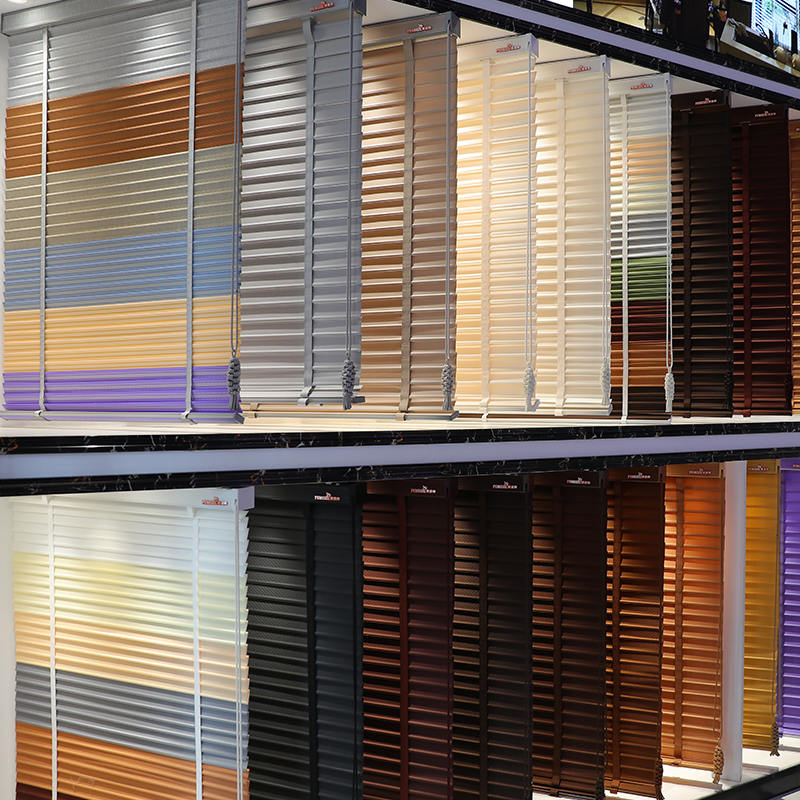
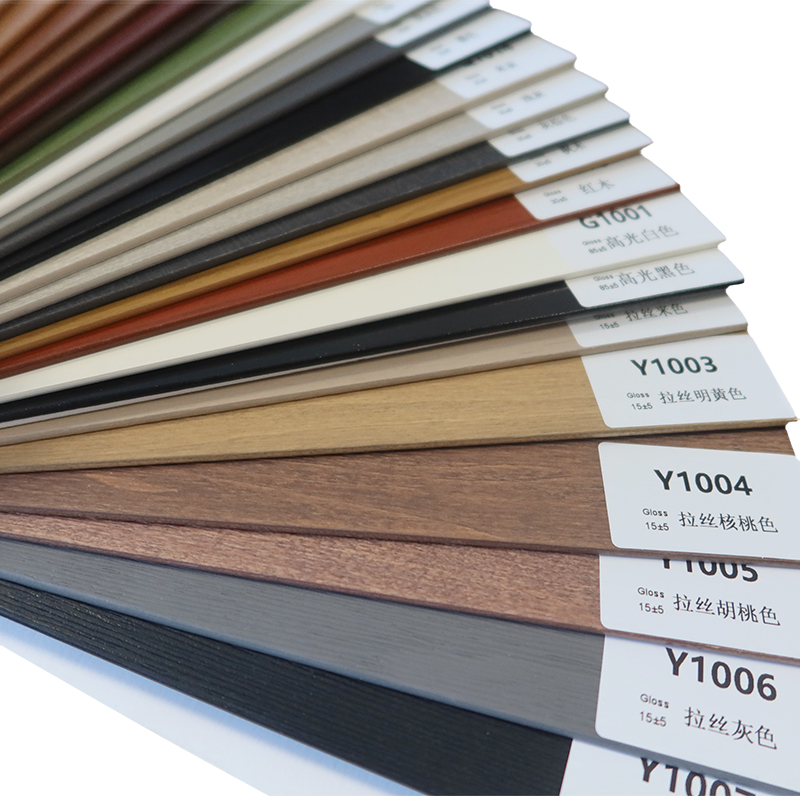
Basswood blinds come in a wide range of stains and paints, from natural honey tones to deep espresso browns, as well as painted whites and creams. Stained finishes tend to highlight the wood grain and work well in spaces with other natural wood elements like flooring or furniture, creating a cohesive look. Painted finishes, on the other hand, offer a crisper, more uniform appearance and pair easily with almost any wall color, making them a safer choice if you plan to redecorate in the future. When choosing a finish, bring a sample slat home and view it in your room at different times of day, since natural and artificial light can shift how a color reads compared to how it looks in a showroom.
Beyond the slats themselves, the control mechanism affects both daily convenience and safety, especially in homes with children or pets. Corded blinds remain the most affordable option and are widely available, but the hanging cords can pose a safety hazard if not properly secured or capped. Cordless blinds operate with a simple push or pull motion on the bottom rail, eliminating loose cords entirely and giving a cleaner appearance along the window. Motorized blinds, controlled by a remote or smartphone app, offer the most convenience and are especially useful for hard-to-reach windows, though they come at a higher price point and require batteries or wiring. For families with young children, cordless or motorized options are generally the safer choice.
While basswood is a common and reliable choice, it helps to know how it compares to other options on the market before making a final decision. Faux wood blinds, made from PVC or composite materials, resist moisture better and cost less, making them suitable for bathrooms and kitchens where humidity is a concern. Premium hardwoods like oak or cherry offer a heavier, more upscale appearance but come with a higher price tag and added weight, which can strain smaller mounting hardware. Basswood strikes a balance between these two extremes, offering the authentic wood look and light weight of a natural product without the premium cost of harder wood species.
Proper care extends the life and appearance of basswood blinds significantly. Dust the slats regularly with a microfiber cloth or a vacuum brush attachment, working from one end to the other to avoid pushing dust into the tilt mechanism. Avoid harsh chemical cleaners, since these can strip the finish or cause discoloration over time; a slightly damp cloth with mild soap is usually sufficient for tougher grime. Keep blinds tilted at an angle rather than fully closed for extended periods in direct sunlight, as this reduces uneven fading across the slats. With routine dusting and occasional gentle cleaning, basswood blinds can maintain their appearance and function for many years.