 "navigation"


02
Content
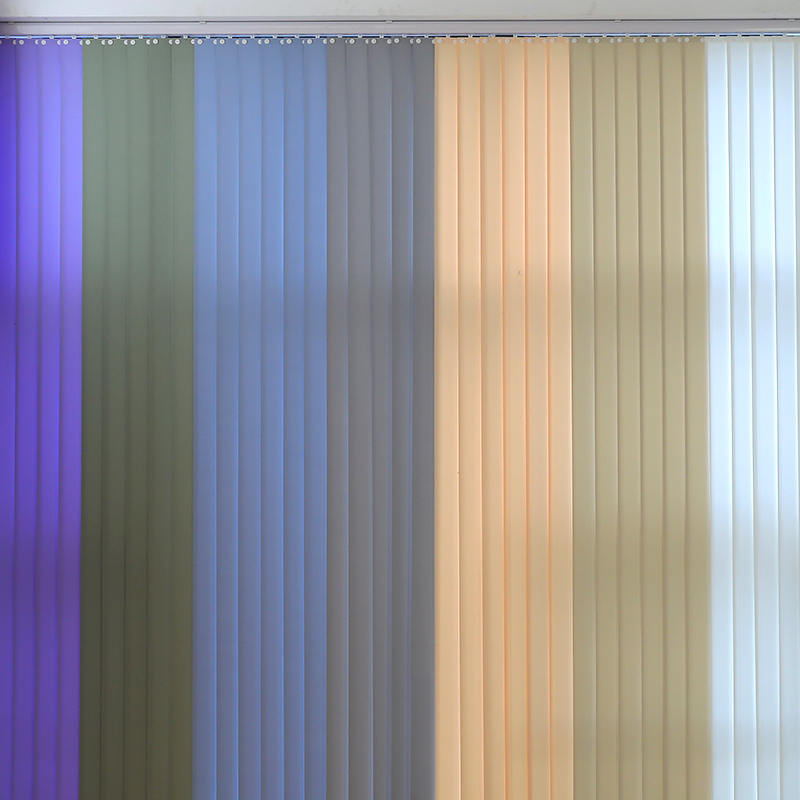
Vertical fabric blinds are a window covering made from long, rectangular fabric panels called vanes, which hang vertically from a horizontal track mounted above the window. Unlike horizontal blinds, which stack slats one above another, vertical blinds arrange their vanes side by side, rotating in unison to open or close and sliding along the track to draw the blinds fully open or closed. This design has made them a longstanding choice for large windows, sliding glass doors, and patio door openings, where their vertical orientation naturally complements the height and width of the opening.
The fabric used in vertical blinds ranges from lightweight, translucent materials to heavier, room-darkening fabrics, giving buyers significant flexibility in how much light control and privacy the blinds provide. This adaptability, combined with straightforward operation, has kept vertical fabric blinds a practical option for both residential and commercial spaces despite the growing popularity of alternative window treatments.
Understanding the mechanical operation of vertical fabric blinds helps clarify why they remain a popular choice for wide or sliding window openings, as well as what to expect during daily use.
Each vane in a vertical blind system is attached to a carrier within the headrail track, and a control wand or cord connects to a tilting mechanism that rotates all the vanes simultaneously. Turning this control allows the vanes to pivot from fully closed, blocking most light and visibility, to fully open, where the vanes sit edge-on and allow maximum light through while still providing some degree of privacy depending on the fabric's opacity.
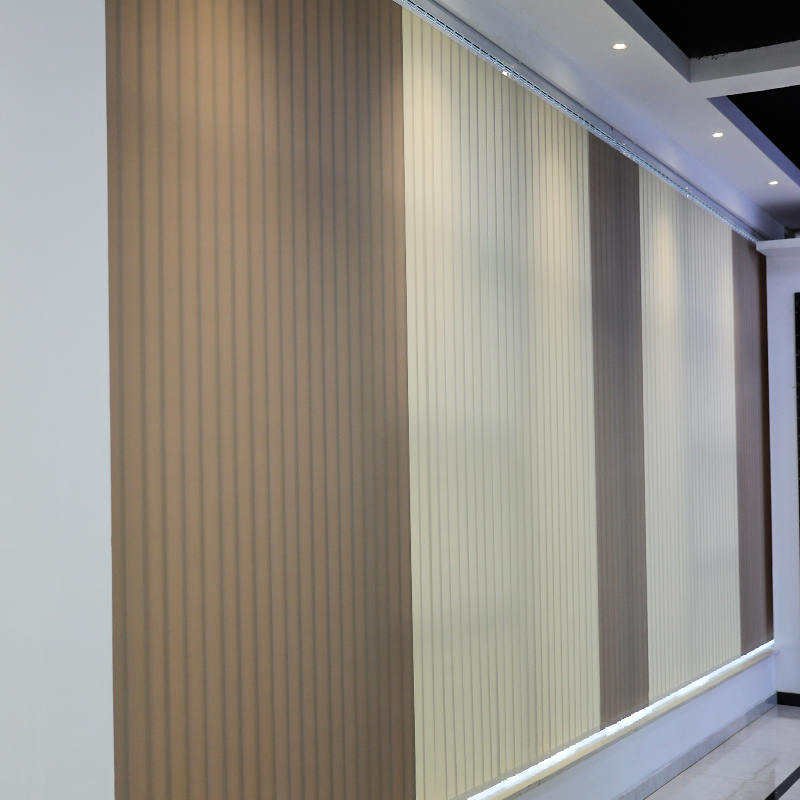
In addition to tilting, vertical blinds can be drawn fully to one side or split open from the center using a separate traverse cord or wand, similar to how curtains are drawn open along a rod. This allows the entire window or door opening to be uncovered when full access or an unobstructed view is desired, which is particularly useful for sliding glass doors that need to remain fully accessible for passage.
The fabric selected for vertical blind vanes significantly affects their appearance, light control performance, and overall durability. Manufacturers typically offer several fabric categories to suit different functional and aesthetic needs.
| Fabric Type | Light Control | Best Suited For |
| Sheer/Translucent | Light filtering | Living rooms, natural light spaces |
| Textured/Semi-Opaque | Moderate privacy | Offices, general use rooms |
| Blackout/Room-Darkening | Maximum light block | Bedrooms, media rooms |
Sheer fabric vanes allow soft, diffused light to enter a room while still providing a degree of privacy during daylight hours. These fabrics are often chosen for living rooms or dining areas where maintaining a bright, open feel is a priority, though they typically offer minimal privacy after dark when interior lights are on.
Semi-opaque fabrics strike a balance between light filtering and privacy, blocking direct visibility into the room while still allowing a moderate amount of natural light through. This fabric category is a common choice for home offices, kitchens, and general living spaces where a mix of privacy and brightness is desired throughout the day.
Blackout fabrics incorporate a tightly woven or coated construction that blocks nearly all incoming light, making them well suited for bedrooms, media rooms, or any space where minimizing outside light is a priority. These fabrics also tend to offer added insulation benefits, helping to reduce heat transfer through the window during both hot and cold weather.
Beyond fabric selection, several additional features affect how well vertical fabric blinds perform and how easily they integrate into a specific space.
While vertical blinds can be installed on nearly any window type, they offer particular advantages in certain settings compared to alternative window treatments.
Regular maintenance helps vertical fabric blinds maintain both their appearance and smooth operation over time. Dusting vanes weekly with a soft brush attachment or microfiber cloth prevents dust buildup that can affect fabric appearance and, over time, contribute to premature fading or discoloration.
For deeper cleaning, most fabric vertical blind vanes can be spot cleaned with a mild detergent and water solution, though it is important to check manufacturer care instructions first, since some fabrics may require dry cleaning or specific cleaning products to avoid damaging protective coatings. Vanes should always be allowed to air dry fully before being closed again, as trapped moisture can lead to mold growth or fabric warping.
Periodically checking the headrail track and carrier components for dust buildup or misalignment also helps maintain smooth tilting and sliding operation, preventing the vanes from sticking or becoming difficult to adjust over time. Addressing minor track issues promptly, rather than waiting for a full mechanical failure, generally extends the overall lifespan of the blind system.
Selecting the right vertical fabric blinds ultimately comes down to balancing light control needs, privacy requirements, and the specific dimensions and function of the window or door opening being covered. Buyers should consider not only which fabric type suits the room's purpose, but also which control mechanism, whether cord, wand, or motorized, best fits the household's daily habits and safety considerations, particularly in homes with children or pets.
Taking accurate window measurements and confirming mounting type before purchase helps avoid fitting issues during installation, while choosing fabric with appropriate fade and stain resistance for the room's sun exposure supports long-term appearance and durability. With the right combination of these factors, vertical fabric blinds can provide flexible, reliable window coverage that adapts to a wide range of interior design styles and everyday functional needs.