 "navigation"


02
Content
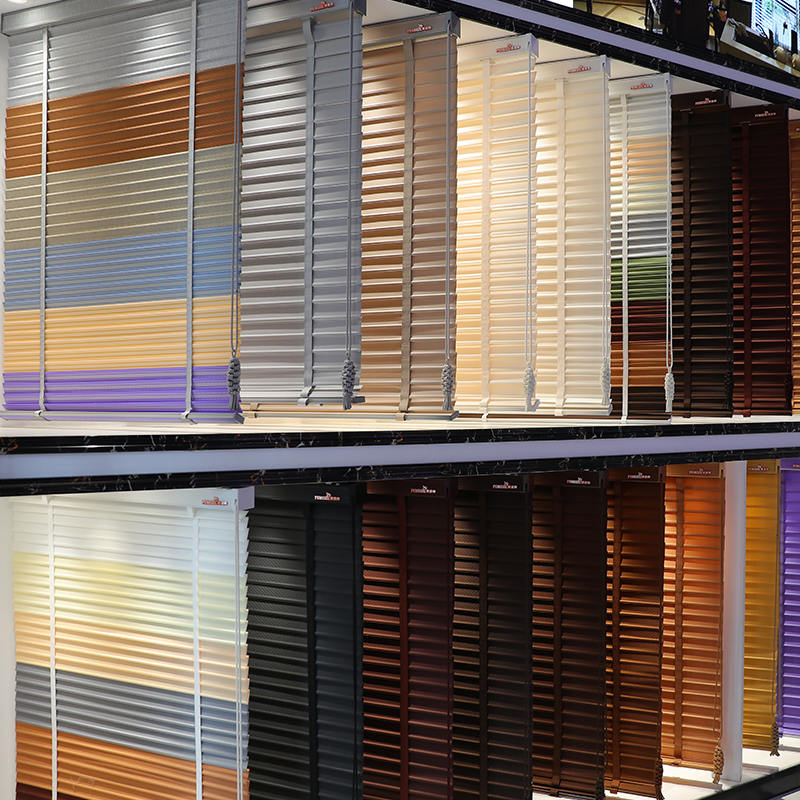
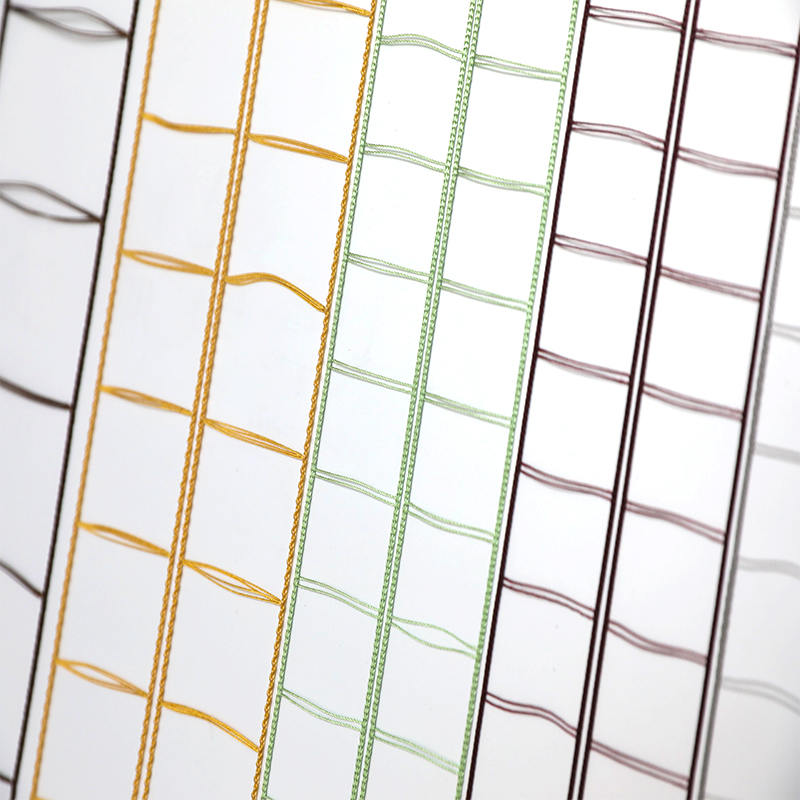
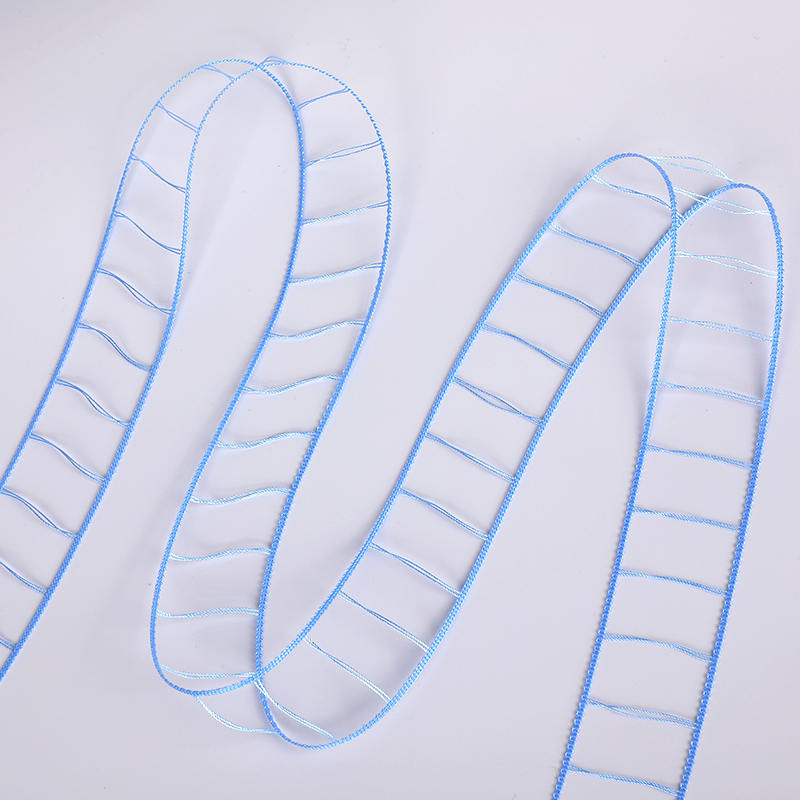
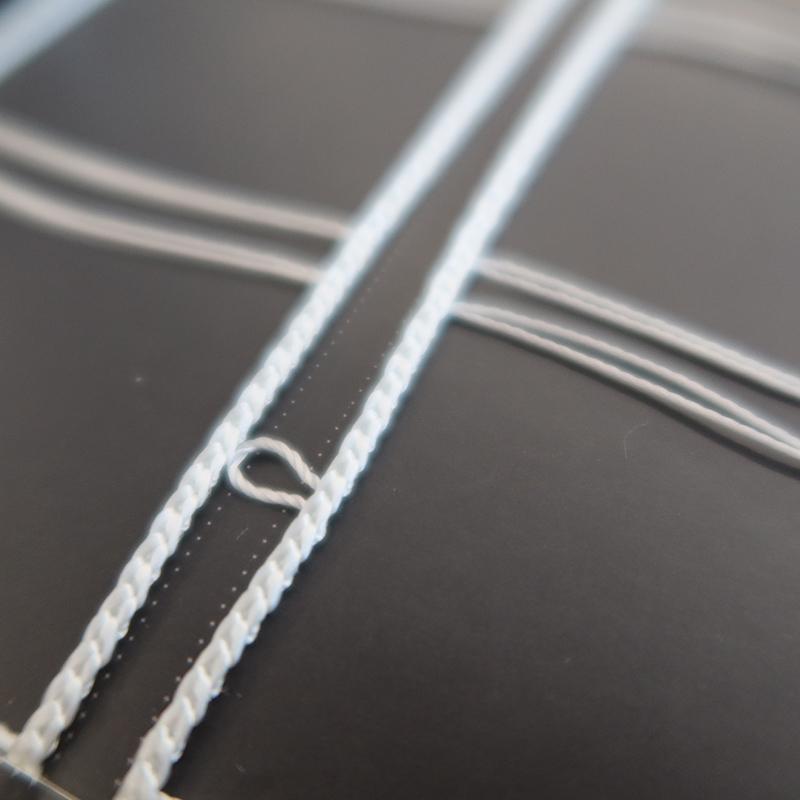
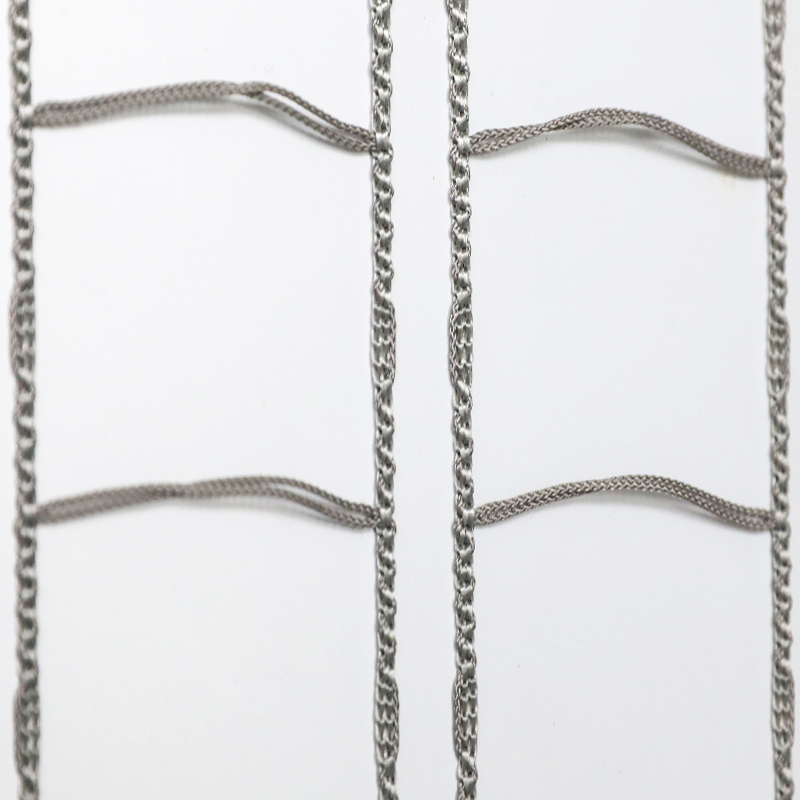
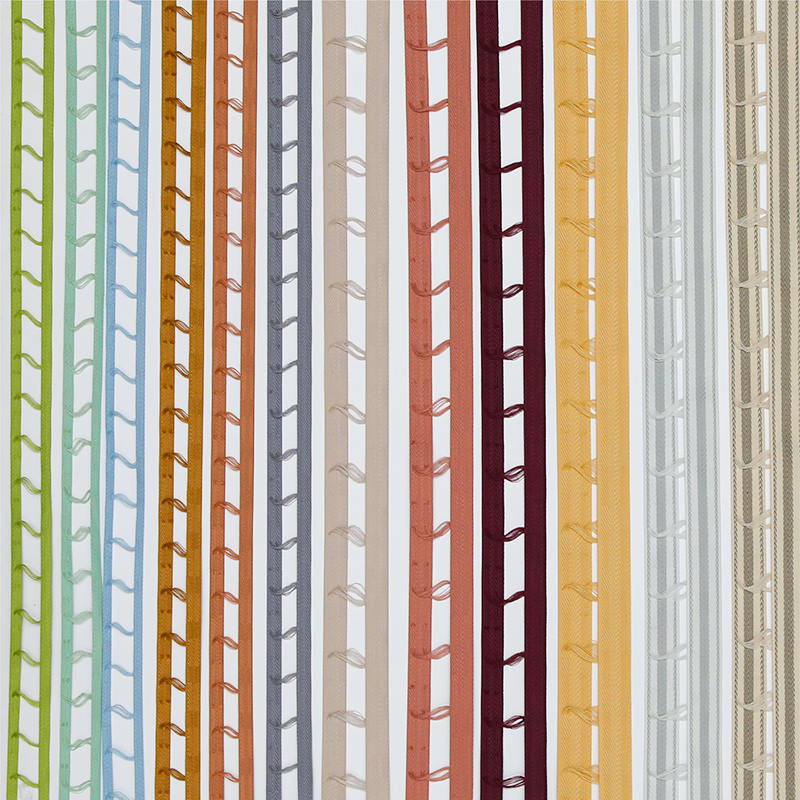
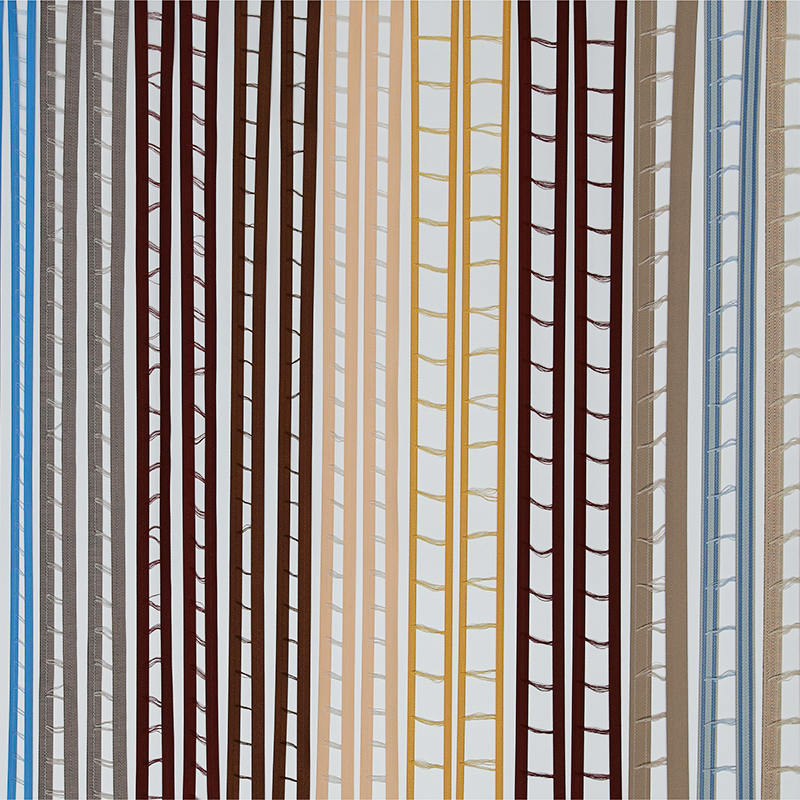
Horizontal fabric blinds slats are the individual flat strips that make up the visible body of a horizontal blind system. Unlike hard slats made from aluminum or wood, fabric slats are woven or non-woven textile panels that offer a softer aesthetic while still providing precise control over light and privacy. Each slat is threaded onto a ladder tape — a series of vertical fabric strings — and connected to a lift cord system that allows the entire blind to be raised, lowered, or tilted. When the tilt rod rotates, it shifts the ladder tapes simultaneously, causing all slats to pivot in unison and either open or close the gaps between them.
The appeal of fabric slats over rigid alternatives lies in their unique combination of texture, light diffusion, and warmth. Hard aluminum slats either block light entirely or let it pass through fully when open, but fabric slats scatter and soften incoming sunlight even in an open position, reducing glare without eliminating natural brightness. This makes them especially popular in home offices, living rooms, and bedrooms where comfortable ambient light is more desirable than harsh direct sunlight or total blackout.
The fabric composition of horizontal blind slats directly determines their light filtration, durability, moisture resistance, and visual character. Manufacturers typically offer several fabric categories, each suited to different environments and functional requirements.
Sheer fabric slats are woven from fine polyester or polyester-cotton blends with an open weave structure that allows a significant percentage of natural light to pass through even when the slats are fully closed. These are ideal for spaces where privacy is less critical — such as high-rise apartments or rooms facing a garden — because they soften sunlight while maintaining a bright, airy feel. Light-filtering fabrics sit slightly denser on the opacity scale and are one of the most common choices for living rooms and kitchens, blocking direct glare while still illuminating the space naturally.
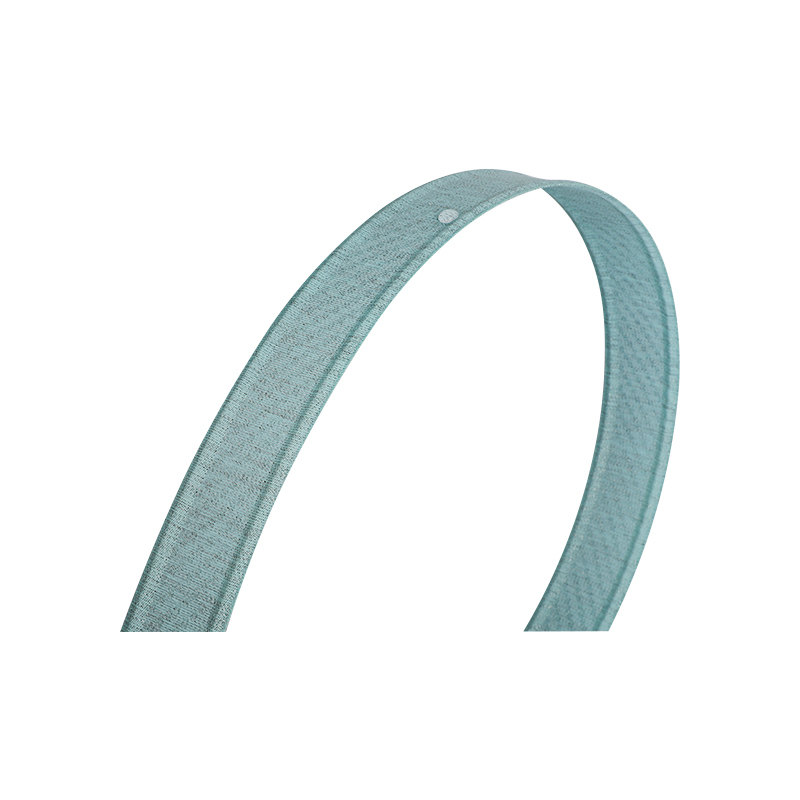
Room-darkening fabric slats are tightly woven or coated textiles that block the majority of incoming light. They are commonly used in bedrooms, media rooms, or nurseries where sleep quality or screen visibility is a priority. These fabrics typically incorporate a dense polyester base with a blackout liner or acrylic foam coating on the reverse side. It is worth noting that even with room-darkening slats fully closed, some light will enter through the gaps between slats and around the edges of the blind frame — true blackout performance requires additional side channels or cassette housing.
For bathrooms, kitchens, and laundry rooms, standard woven fabric slats are unsuitable because they absorb moisture, which promotes mold and mildew growth over time. Moisture-resistant slats are typically made from PVC-coated polyester or vinyl-impregnated fabric that repels water while retaining the soft look of a textile. These slats can be wiped clean with a damp cloth and do not sag or warp when exposed to humidity, making them a practical solution for high-moisture environments without sacrificing the aesthetic warmth of fabric.
Slat width is one of the most important specifications when selecting horizontal fabric blinds, as it affects both the visual scale of the window treatment and the level of light control you can achieve. Most horizontal fabric blind slats are available in three standard widths.
| Slat Width | Best For | Light Control | Visual Effect |
| 25mm (1 inch) | Small windows, bathrooms, kitchens | Precise, fine-grain | Delicate, detailed |
| 50mm (2 inches) | Living rooms, bedrooms, offices | Balanced, versatile | Classic, proportional |
| 63mm (2.5 inches) | Large windows, open-plan spaces | Broad, bold | Contemporary, spacious |
The 50mm slat width is by far the most widely used because it suits the proportions of most standard residential windows. Narrower 25mm slats create a more refined, traditional look and allow more granular light adjustment, but they also mean more slats per blind, which increases the overall weight and requires more maintenance. Wider 63mm slats deliver a bold, modern aesthetic and are particularly effective on large picture windows or floor-to-ceiling glazing where fine slats would look visually cluttered.
One of the practical advantages of horizontal blind systems is that individual slats can often be replaced without purchasing an entirely new blind. This is particularly useful when a single slat is damaged, stained, or broken while the rest of the blind remains in good condition. The replacement process requires careful measurement and the correct replacement slat specification to ensure the new slat integrates seamlessly with the existing system.
Begin by measuring the width of an existing undamaged slat from end to end. For most standard blinds this will correspond to one of the common slat widths listed above, but custom blinds may have non-standard dimensions. Also measure the thickness of the slat, as this affects how it sits in the ladder tape. Note the fabric texture and opacity level so you can match the replacement visually. Many blind manufacturers print their model number on the headrail — locating this reference will help you source an exact factory match from the original supplier.
To remove a damaged slat, first lower the blind fully and tilt the slats to the horizontal position. Locate the bottom rail plug at the base of the lift cord, remove it, and untie or pull the cord free. Slide the damaged slat out from its position in the ladder tape. Thread the new slat into the same position, ensuring it sits flat and level within the ladder rungs. Re-thread the lift cord through the slot or hole in the new slat if applicable, reattach the bottom rail, and re-plug the cord. Test the tilt function before rehooking the blind onto the headrail brackets.
Fabric slats are more susceptible to wear and degradation than their aluminum or wood counterparts, but understanding the key factors that shorten their lifespan allows you to make choices that protect your investment over time.
Beyond the functional specifications, horizontal fabric blinds slats play a significant role in the overall visual character of a room. Unlike hard blinds, fabric slats introduce texture, warmth, and a sense of softness that can bridge the gap between functional window covering and decorative interior element. Selecting the right design requires thinking about color, pattern, and how the slats interact with the rest of the room's palette and materials.
Neutral tones such as white, cream, grey, and beige remain the most popular choices because they complement virtually any interior color scheme and maximize perceived light in the room. However, fabric slats are also available in textured weaves that add visual depth without introducing color — linen-effect fabrics, for example, bring a natural organic quality that suits Scandinavian, coastal, and minimalist interiors particularly well. For bolder design statements, some manufacturers offer fabric slats with subtle geometric patterns or tone-on-tone textures that add interest without overwhelming a space.
When coordinating fabric slats with other soft furnishings in the room, it is generally more effective to match texture and weight rather than trying to achieve an exact color match. A linen-weave blind slat does not need to be the same shade as the curtains flanking it — it needs to feel like it belongs to the same material family. This approach gives the room a curated, intentional quality that an overly matched look can sometimes lack.
Choosing fabric slats over aluminum or wood alternatives is not always the obvious decision, and understanding where each material excels helps you make the right choice for each application in your home or commercial space.
Ultimately, horizontal fabric blinds slats occupy a specific and valuable niche in the window covering market — they are the best choice when you want the structured, controllable light management of a horizontal blind combined with the softer, more decorative quality of a fabric treatment. By understanding the material options, sizing implications, maintenance requirements, and design possibilities outlined above, you can make a well-informed selection that performs reliably and looks exceptional for years to come.