 "navigation"


02
Content
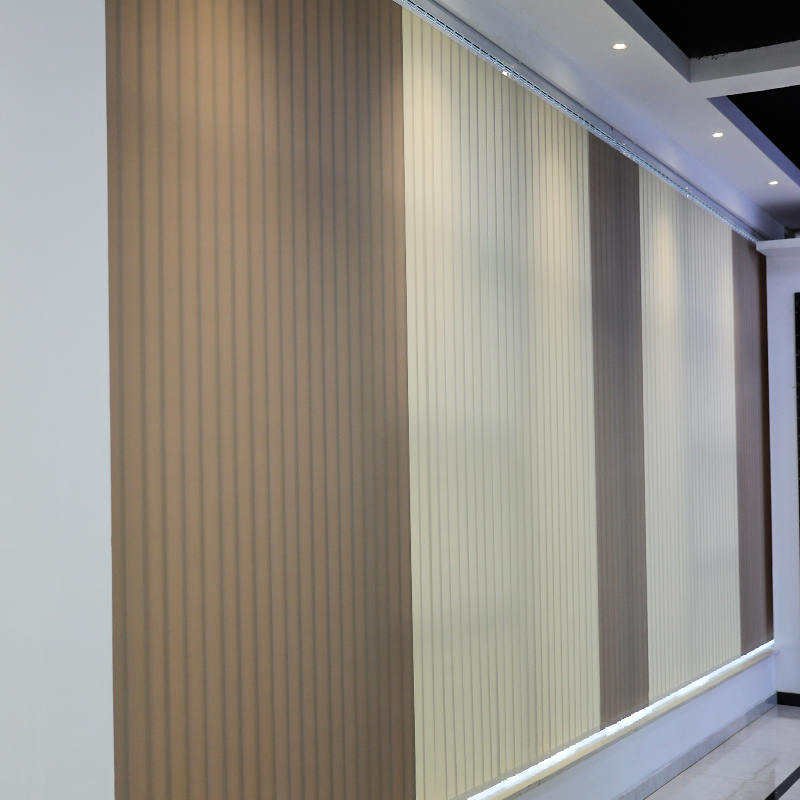
Vertical fabric blind slats occupy a unique space in the world of window treatments. Unlike horizontal blinds that stack upward or curtains that bunch to the side, vertical slats hang from a top track and swing open in a smooth, lateral motion. This operating style makes them especially practical for wide windows, patio doors, and sliding glass doors where you need to move large sections of covering quickly and without fuss. The slats themselves — long, narrow strips of fabric — do the real work, filtering or blocking light depending on their material and weave. Understanding what sets them apart helps you decide whether they belong in your home and, if so, which specific type will serve you best.
Fabric slats bring a softness to the vertical blind format that vinyl or aluminum slats simply cannot match. The woven or bonded textile surface diffuses light gently rather than reflecting it harshly, which reduces glare on screens and creates a warmer, more residential atmosphere. They also tend to drape more gracefully than rigid alternatives, holding their shape without looking stiff or institutional. For anyone who wants the functional convenience of vertical blinds combined with the aesthetic warmth of soft furnishings, fabric slats deliver exactly that combination.
The fabric used to construct vertical blind slats varies considerably, and each material type produces a noticeably different result in terms of light control, privacy, and durability. Knowing the main categories helps you match the slat to the room's demands.
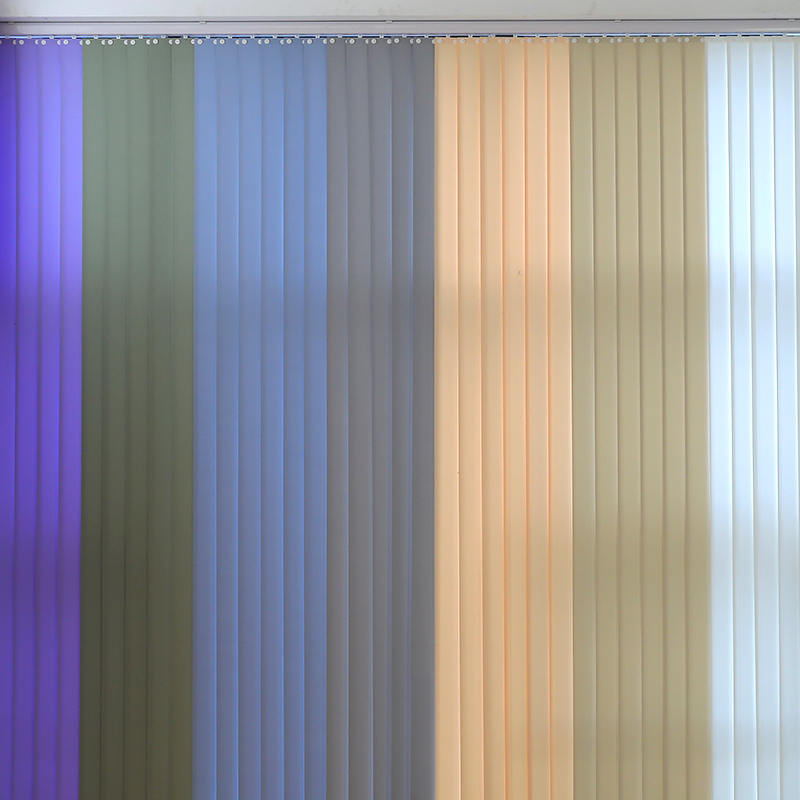
Sheer fabric slats allow a soft, diffused glow to pass through while still providing a degree of daytime privacy. They are woven loosely enough that bright outdoor light becomes gentle and ambient indoors, eliminating harsh shadows and glare. These are well suited to living rooms and dining areas where you want to maintain a connection to the outside world without sacrificing comfort. During the day they screen the view from outside quite effectively, though at night, when interior lights are on, privacy is reduced.
Dimout slats are constructed from a tighter, denser weave or a fabric with a light-inhibiting backing. They reduce incoming light significantly — typically blocking between 70 and 90 percent — making them a strong choice for bedrooms, media rooms, and home offices where screen glare is a concern. They still allow some ambient brightness around the edges and through the fabric itself, which distinguishes them from true blackout options. Many people prefer dimout slats precisely because they darken a space without making it feel sealed off.
Blackout vertical fabric slats incorporate a thick foam or acrylic coating on the back surface that prevents virtually all light from penetrating the slat material. They are the go-to solution for shift workers who sleep during daylight hours, young children's rooms, and any space used for professional video or photography. It is worth noting that even with blackout slats installed, small amounts of light can still enter around the track edges or between slats when they are rotated, so pairing them with a blackout pelmet or side channels improves overall performance.
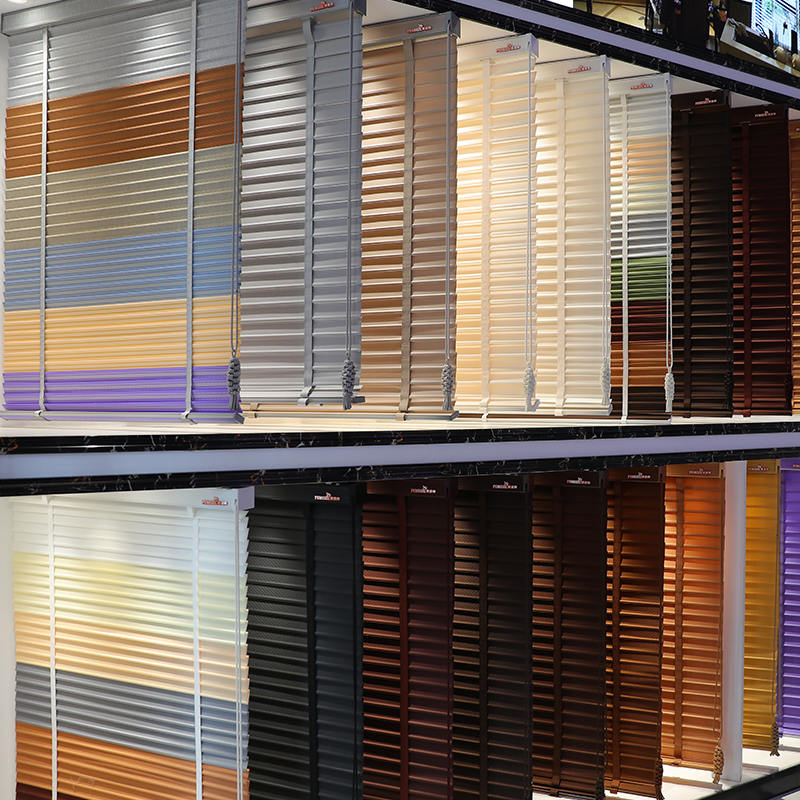
Beyond the functional categories, fabric slats are available in a wide range of textures, weaves, and printed patterns. Linen-look fabrics add organic warmth, while geometric or abstract prints introduce visual interest to an otherwise plain window. Textured options such as embossed or ribbed weaves catch light differently across their surface, creating subtle depth that flat fabrics cannot replicate. These decorative qualities have made vertical fabric blinds increasingly popular in design-conscious interiors where purely functional coverings would look out of place.
Accurate measurement is the single most important step in ordering replacement or new vertical fabric slats. Slats that are too short will leave a visible gap at the bottom; slats that are too long will buckle, curl, or drag on the floor. Most residential vertical blind systems use slats in one of two standard widths — 89mm (3.5 inches) or 127mm (5 inches) — though some commercial systems use wider formats. The width is determined by your existing headrail track, not by personal preference, so always check the carrier clips or stems in the track before ordering.
To determine the correct drop (length) of the slats, measure from the bottom of the carrier stem — where the slat actually clips in — down to the floor or sill, then subtract approximately 10 to 15mm to allow clearance. This measurement should be taken at multiple points across the width of the window, since floors are not always perfectly level. Use the shortest measurement to avoid any slats dragging. The table below summarises common sizing conventions:
| Slat Width | Typical Use | Standard Drop Range |
| 89mm (3.5") | Residential windows, narrower spans | Up to 250cm |
| 127mm (5") | Patio doors, wide windows | Up to 300cm |
The defining functional feature of vertical blinds is the ability to rotate all slats simultaneously by 180 degrees using a control chain or wand. This rotation changes the angle at which light enters the room and adjusts the level of visibility from outside. When slats face forward — presenting their flat face to the window — light filters directly through the fabric. When rotated to a 45-degree angle, light enters obliquely, softening and reducing in intensity. At full closure, the slats overlap slightly, minimising direct light transmission and providing strong privacy even in sheer fabric options.
The degree of light control you experience depends heavily on the fabric category you select, but the rotation mechanism itself is consistent across all vertical blind systems. This makes vertical blinds one of the more versatile window coverings for managing changing light throughout the day — you can open them fully in the morning to welcome natural light, rotate them partially in the afternoon to reduce glare, and close them fully in the evening for privacy.
One of the practical advantages of vertical fabric blinds is that individual slats can be replaced without fitting an entirely new blind. This is useful when a single slat becomes stained, torn, or warped. When sourcing replacements, there are several factors to consider carefully to ensure a seamless result:
Fabric slats accumulate dust more readily than smooth vinyl or aluminium alternatives because their woven surface creates more surface area for particles to cling to. Regular light maintenance prevents this build-up from becoming embedded in the fibres and keeps the slats looking fresh for longer. The most effective routine involves the following steps:
In high-humidity environments such as kitchens or bathrooms, choose a fabric slat with a moisture-resistant or anti-mould treatment. Standard fabric slats are not designed for prolonged exposure to steam or condensation and will degrade more quickly in those conditions without appropriate protection.
Vertical fabric blind slats suit a wide range of situations, but they perform best in specific contexts. They are an excellent solution for large glazed areas — particularly sliding or bi-fold doors — where the lateral opening mechanism is far more practical than a roller blind or curtain. They work well in rooms with strong afternoon sun where the ability to rotate slats at precise angles provides nuanced glare control throughout the day. They also perform well in rental properties and commercial spaces because individual slats are inexpensive and easy to replace, keeping long-term maintenance costs low.
Where they are less ideal is in rooms that experience very high levels of moisture, unless specifically treated fabrics are used. They also require a ceiling or wall-mounted headrail with adequate clearance, which can be a constraint in rooms with low ceilings or unusual architectural features. For those considering child safety, it is important to choose systems with breakaway safety chains or wand controls to eliminate looping cord hazards. With the right fabric selection, accurate sizing, and appropriate maintenance, vertical fabric blind slats remain one of the most practical and adaptable window covering solutions available.