 "navigation"


02
Content
Wooden blind slats are one of the most elegant window treatments available, but they come with a specific maintenance challenge that plastic or aluminum alternatives don't share: wood is sensitive to moisture, heat, and harsh chemicals. Unlike faux wood or vinyl blinds that can be wiped down aggressively or even soaked, real wooden slats can warp, crack, swell, or lose their finish if cleaned incorrectly. The natural grain and protective lacquer or stain coating that give wooden blinds their beauty are also what make them vulnerable to the wrong cleaning approach.
This means that effective cleaning is not simply about removing dirt — it's about doing so in a way that preserves the structural integrity and surface quality of each slat. Understanding the right tools, techniques, and frequency for cleaning wooden blinds will save you from costly repairs or premature replacement, and keep your blinds looking fresh for years.
Having the right supplies ready before you begin makes the process more efficient and prevents you from improvising with materials that might damage the wood. The tools required are mostly inexpensive and likely already available in your home. Here's what to gather:
The most important habit you can develop for wooden blind maintenance is regular, light dusting. Dust that is allowed to accumulate over weeks or months becomes harder to remove and can mix with moisture or grease — particularly in kitchens — to form a stubborn layer that requires more aggressive cleaning. A quick weekly dust takes only a few minutes and dramatically reduces how often you'll need to do a deeper clean.
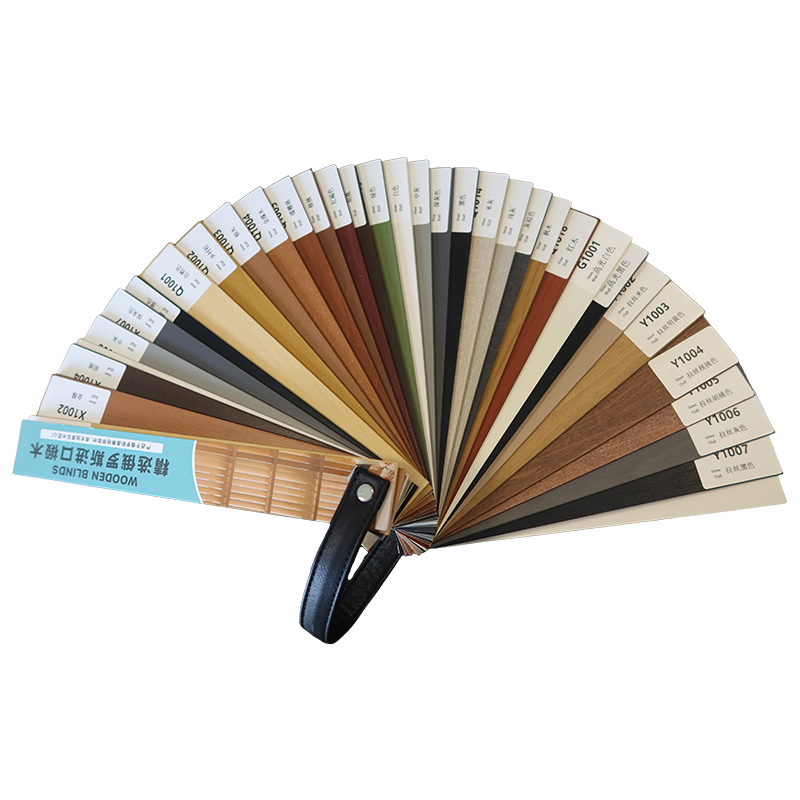
Close the slats fully in one direction — either tilted toward you or away — so that the flat face of each slat is exposed as a continuous surface. Run the vacuum brush attachment along the slats from top to bottom, using gentle suction. Avoid pressing the attachment firmly against the wood, as this can scratch the finish. Once one side is done, tilt the slats the opposite direction and repeat on the other face. This method is the fastest and least contact-intensive way to dust wooden slats regularly.
If you prefer a hands-on approach, a dry microfiber cloth works excellently. With the slats tilted to expose their flat surface, run the cloth along each individual slat from the center outward to the edges. Microfiber gloves are particularly convenient here — you can use your fingers to grip both the top and bottom face of each slat simultaneously, cleaning both sides in a single pass. Work from the top of the blind downward to avoid re-depositing dust onto already-cleaned slats.
Every few months — or whenever you notice visible grime, greasy buildup, or discoloration that dusting alone won't address — your wooden blinds need a more thorough clean. This process requires more time and care, but following the correct sequence will protect the wood throughout.
Before introducing any moisture, remove as much loose dust as possible using the vacuum brush or a dry microfiber cloth. Applying a damp cloth to a dusty slat simply turns dust into a muddy paste that smears across the surface and is harder to remove. Always begin with a dry dusting pass regardless of how dirty the blinds appear.
Mix a few drops of mild dish soap into a bowl of warm water. The solution should be barely soapy — if it foams significantly when stirred, it's too concentrated. Alternatively, a solution of equal parts white vinegar and water can be used for light disinfection, though vinegar should be used sparingly on finished wood as repeated use may dull the surface over time. Avoid commercial multi-surface sprays, which often contain alcohol or ammonia that can strip wood finishes.
Dip a microfiber cloth into the cleaning solution, then wring it out thoroughly until it is barely damp — not wet. There should be no dripping. Wipe each slat individually, following the direction of the wood grain. Wiping against the grain can push grime into the grain lines and may cause micro-scratches on the finish. Apply gentle, consistent pressure and avoid scrubbing. For stubborn spots, hold the damp cloth against the area for ten to fifteen seconds to loosen the buildup before wiping.
Follow each damp wipe immediately with a dry microfiber cloth or clean dry towel, removing any residual moisture from the slat surface. Never allow water to sit on wooden slats, as even a small amount of standing moisture can cause the wood grain to raise, the finish to cloud, or in extreme cases the slat to begin warping. This dry-follow step is non-negotiable and takes only a second per slat.
After a deep clean, apply a small amount of wood conditioner or furniture polish appropriate for finished wood. This step replaces moisture lost during cleaning, prevents the wood from drying and cracking over time, and restores a subtle sheen to the slats. Apply sparingly with a soft cloth and buff lightly. Avoid silicone-based polishes, which can create a slippery residue that attracts dust more rapidly.
Certain stains and buildup types require targeted approaches beyond standard cleaning. Here's how to handle the most common problem scenarios:
| Problem | Recommended Solution | What to Avoid |
| Grease buildup (kitchen blinds) | Diluted dish soap on a barely damp cloth; gentle circular motion | Degreaser sprays containing solvents |
| Mold or mildew spots | Diluted white vinegar (50/50 with water); dry immediately and improve ventilation | Bleach or moisture-heavy methods |
| Ink or pen marks | Small amount of rubbing alcohol on a cotton bud, applied only to the stain | Rubbing alcohol across the whole slat surface |
| Sticky residue | Warm water and mild soap; allow to sit briefly before gently wiping | Scraping with hard tools or abrasive pads |
| Water stains or rings | Fine steel wool (0000 grade) used extremely lightly along the grain, then re-polish | Re-wetting the area or heavy sanding |
Even well-intentioned cleaning can cause lasting damage to wooden blind slats if certain common errors are made. Knowing what to avoid is just as important as knowing the correct technique.
Cleaning frequency depends on the room the blinds are installed in and the general dust level of your home. As a practical guideline, use the following schedule:
Beyond cleaning, a few additional habits will extend the life and appearance of your wooden blind slats considerably. Humidity is one of the greatest environmental threats to real wood — if your home becomes excessively dry in winter due to central heating, the slats may dry out and crack. Using a humidifier to maintain indoor relative humidity between 40% and 60% helps wood remain stable throughout seasonal changes.
Direct sunlight is another factor to monitor. While wooden blinds are designed to control light, prolonged UV exposure can fade the stain or lacquer on the slats over years. Using a UV-filtering window film on south- or west-facing windows significantly slows this process without affecting the appearance of the blinds from inside the room. Finally, avoid installing wooden blinds in bathrooms or other high-humidity environments unless they are specifically sealed for moisture resistance — the steam and condensation in these spaces will cause warping regardless of how carefully you clean them.