 "navigation"


02
Content
Hanging venetian blinds looks straightforward, yet the details that decide how well they perform are easy to miss: a perfectly level headrail, consistent slat tilt, ladder tape and ladder cord positioning, and a bottom rail parallel to the window frame. Get these four points right, and the blinds will operate smoothly for years. Ignore them, and you will end up with crooked slats, unwanted light gaps, or a cord that sticks. The following guidance is based on hands-on experience in blind component manufacturing.
Before any bracket is fixed, you need to decide how the blinds should hang relative to the window. An inside mount places the headrail inside the window recess, keeping the blind compact and the window frame visible. An outside mount fixes the headrail onto the wall or the window frame itself, covering the frame completely and giving better light blocking.
For an inside mount, check the recess depth. Most venetian blinds need at least 2 to 3 cm of clear depth for the headrail and slats to hang without touching the glass. For an outside mount, a common starting point is to position the headrail 5 to 8 cm above the top of the window frame, depending on how much light control you want and how much of the frame you want to hide.
The table below compares the two mounting styles in terms of headrail position, light control, and typical room situations.
| Mount type | Headrail position | Light control | Best fit |
|---|---|---|---|
| Inside mount | Inside the window recess | Moderate; light seeps at edges | Deep recesses, tidy look |
| Outside mount | On wall or frame above the window | Excellent; frame fully covered | Shallow recesses, maximum privacy |
A headrail that is not perfectly horizontal will cause every slat to hang at an angle. The bottom rail will tilt, creating visible light gaps on one side and making the blind look sloppy. When measuring, use a spirit level or measure the distance from each end of the headrail to the same reference point, such as the window sill. The difference should be within 1 mm.
If the headrail is slightly off, the ladder tape and ladder cord will pull unevenly on one side. The slats on the high side will spread further apart while the slats on the low side will compress together. Over time, this uneven tension also accelerates wear on the cord and the ladder tape. Always check the level after tightening the brackets, not just before drilling.
The way venetian blinds hang is not only about the headrail. It is also about how the slats are tilted. When you fully open the slats, they sit nearly horizontal, allowing maximum light through. When you close them, the slats turn to a near-vertical position and overlap by roughly 2 mm to block light.
In a correctly hung venetian blind, all slats should have the same tilt angle. This depends on the ladder tape or ladder cord being evenly spaced and properly tensioned. If you see one slat hanging lower than its neighbours, the problem is usually not the blind itself but a twisted ladder tape or a slipped slat.
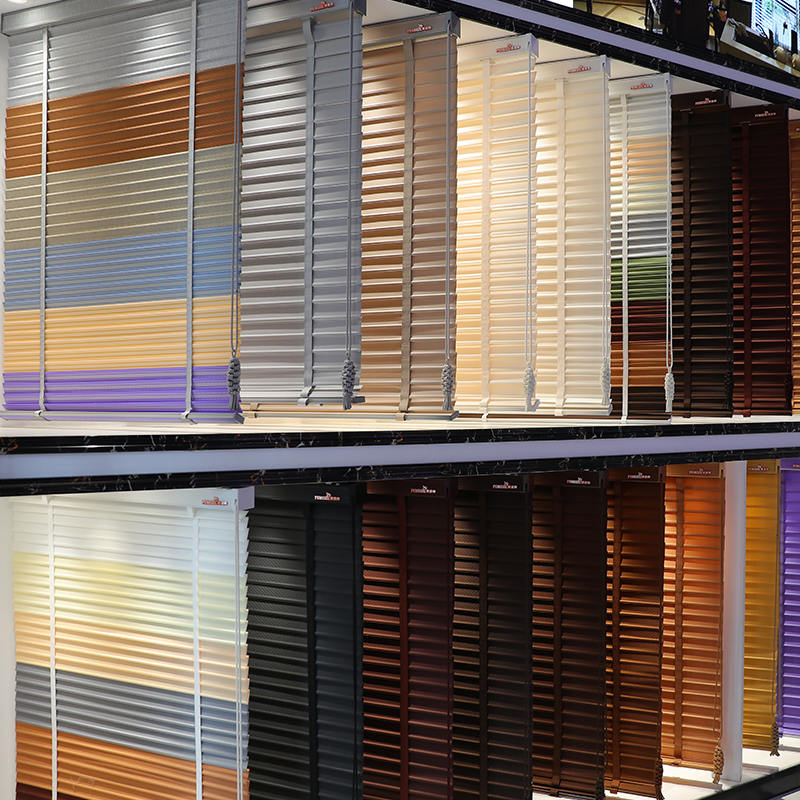
For fabric slats, the risk of uneven hanging increases if the slat material is flexible. The horizontal fabric slats we manufacture are designed with a stable woven structure so that they hold their shape when tilted. This keeps the overlap consistent and reduces the chance of an uneven hang.
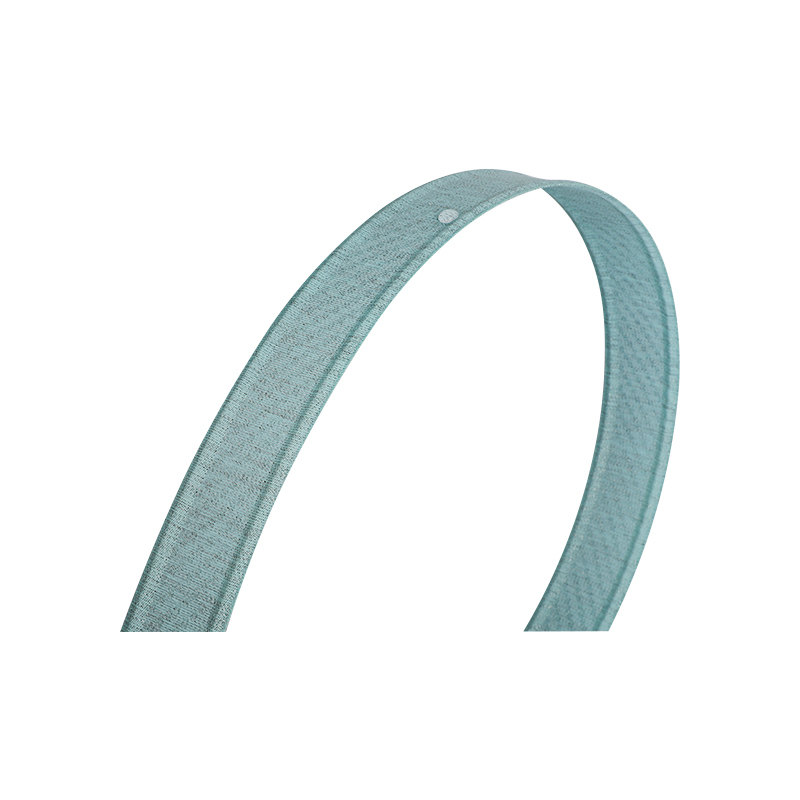 Horizontal Fabric Blinds Slats with Nano-CoatingManufactured from polyester fibers with a nano-coating, these slats are waterproof and dustproof. Their reinforced edges and flexible structure help maintain shape and reduce uneven hanging, while allowing precise angle adjustment for light control.View Product →
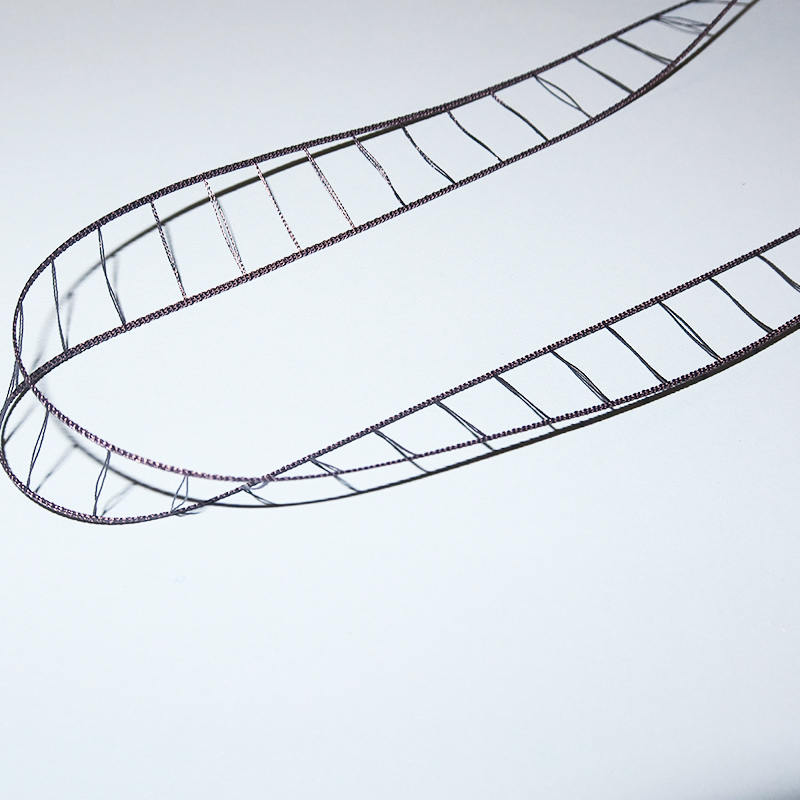
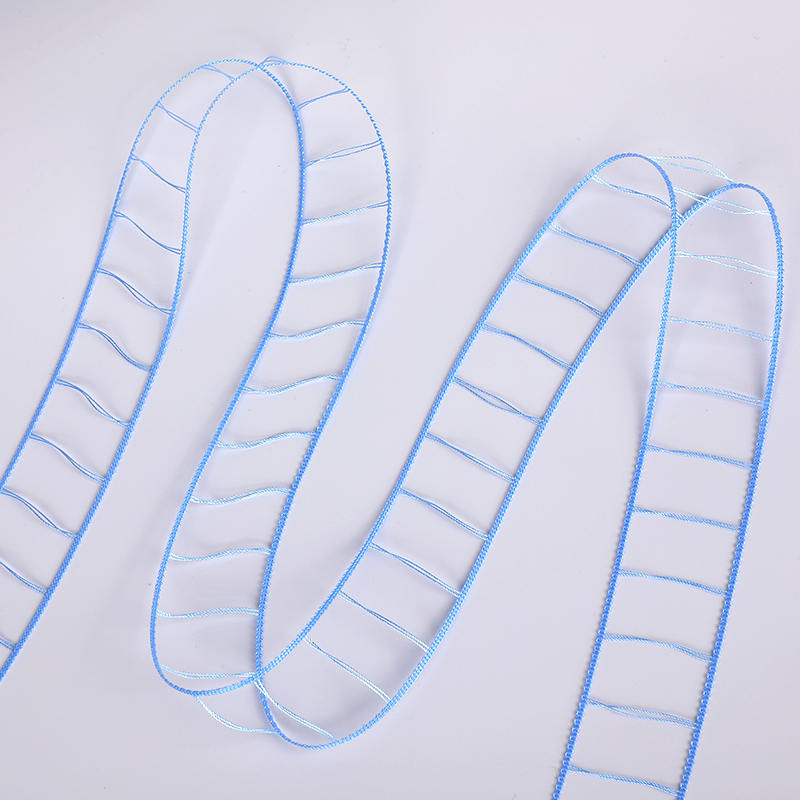
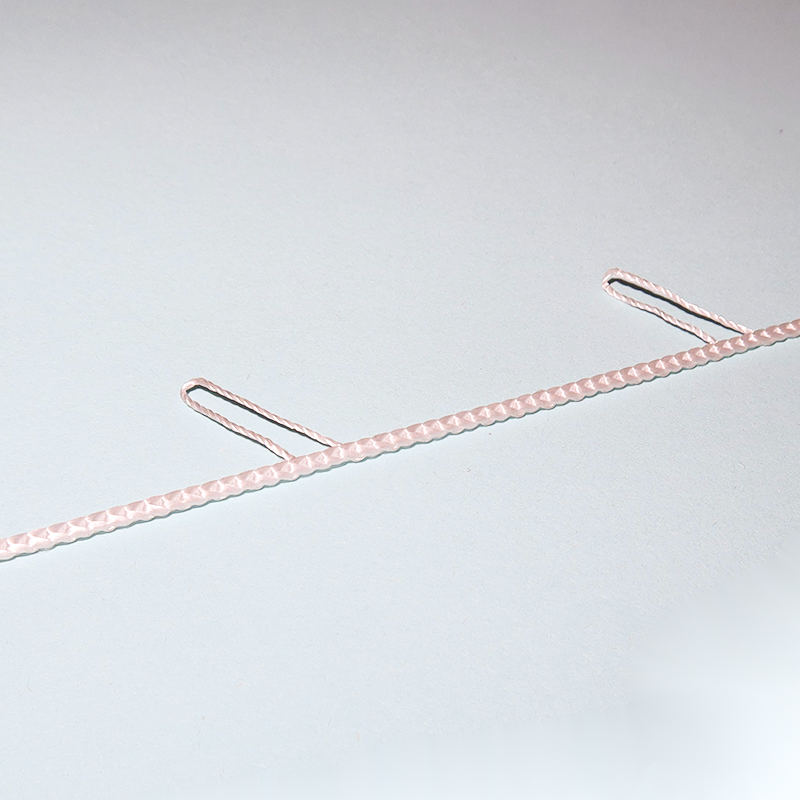
Ladder tape and ladder cord are the components that actually support each slat and control its tilt. Ladder tape is a woven band with rungs that hold the slats; it is wider and often used with thicker slats. Ladder cord is a finer string that creates a cleaner line and is common in thinner aluminum or wooden blinds.
When the blind hangs correctly, the ladder tape or cord should be taut and free from loops or tangles. A loose ladder tape can cause the slats to sag and create gaps. A ladder cord that has jumped out of a slat hole will make that slat tilt incorrectly. In our production we often see blinds returned because the ladder string was routed through the wrong slot during assembly or re-hanging.
If you are choosing between the two, the aesthetic and functional differences between ladder tape and ladder string matter more than most people think. Ladder tape can be more decorative and helps hide the internal mechanism, while ladder string offers a more minimalist look. This is one reason we offer both regular ladder tape and stylish fabric ladder tape. For a clean face, hidden-hole ladder cord is also an option that keeps the string from being visible on the front of the slats.
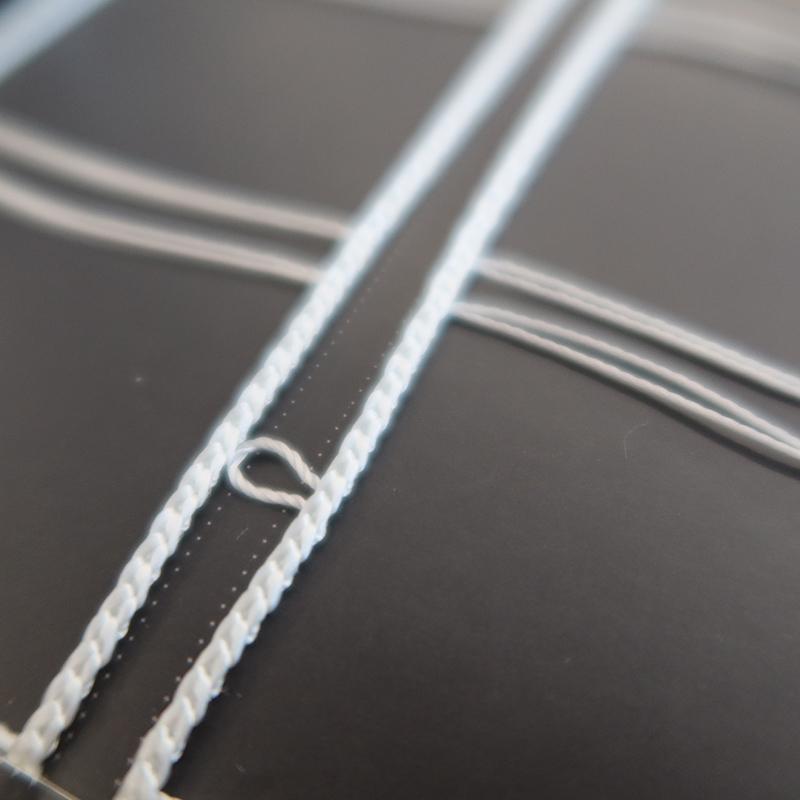
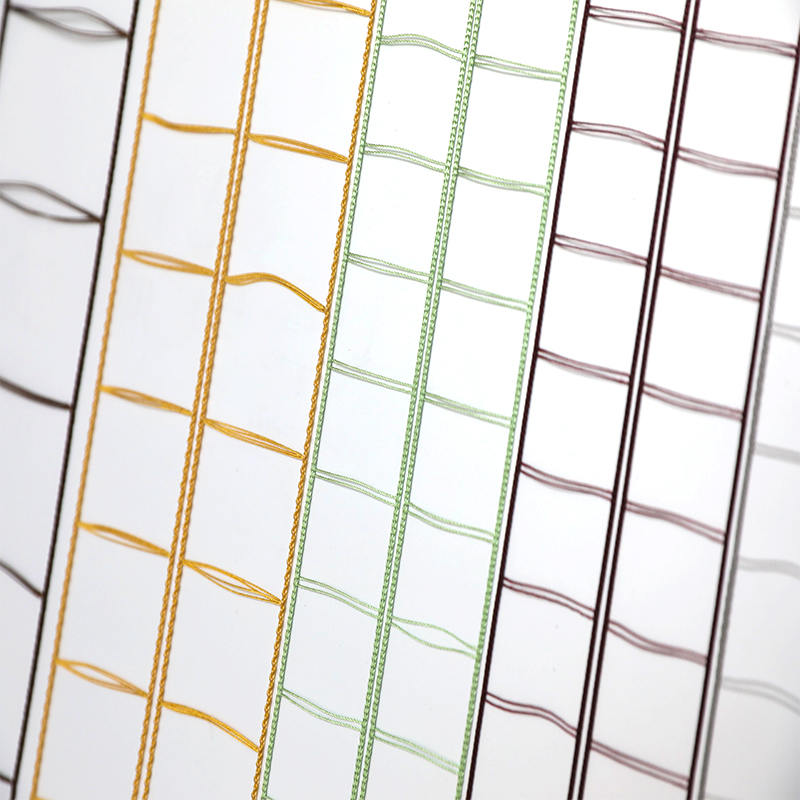 Hidden-Hole Blinds Ladder Cord for Clean AestheticsThis ladder cord features a hidden-hole design that conceals adjustment holes, enhancing appearance and light blocking. Made from high-strength materials, it supports precise slat angle adjustment and manual or smart control, making it suitable for various indoor environments.View Product →
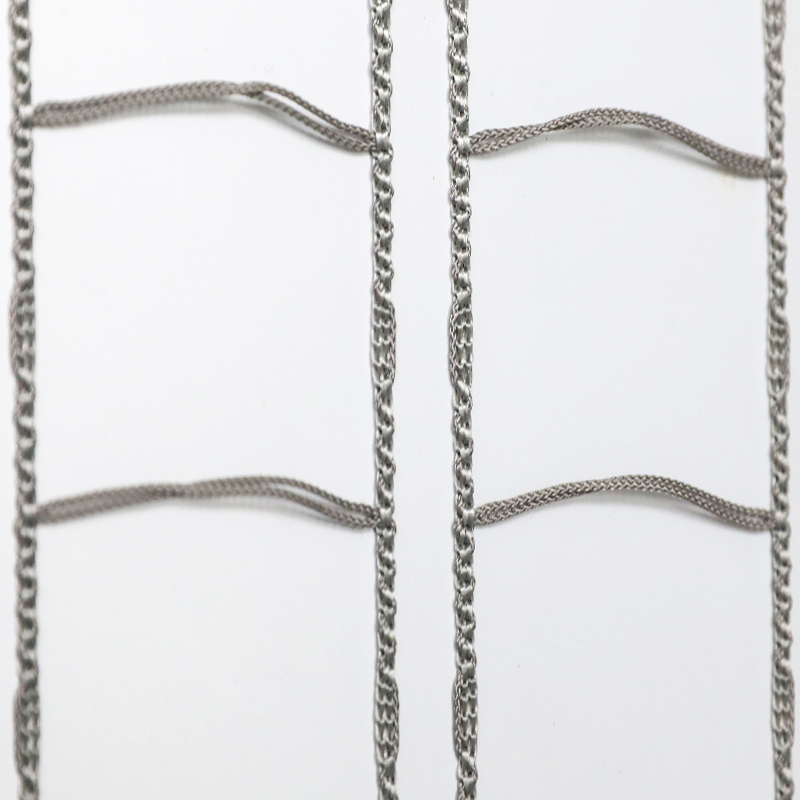
  II-Gen Stylish Fabric Ladder Tape for Lightweight BlindsThis patented fabric ladder tape is lightweight and refined, designed for aluminum and fabric blinds. It allows easy slat angle adjustment for precise light and privacy control, offering a more elegant appearance while maintaining durability and performance.View Product →
Once the headrail is level and the slats are tilted correctly, the bottom rail should rest parallel to the window sill or the bottom of the window frame. If the bottom rail touches the sill on one side and floats on the other, the headrail is not level or the cord lengths are different.
Measure from each end of the headrail down to the same point on the bottom rail. The distances should be equal. For an outside mount, the bottom rail should also clear the lower edge of the window frame so that the blind fully closes without hitting the handle or other hardware.
These are the issues we see most often when blinds are hung incorrectly. Each one is simple to identify and easy to correct once you know what to look for.
Getting venetian blinds to hang correctly is not complicated, but it requires attention to three things: a level headrail, a uniform slat angle, and a bottom rail that stays parallel to the window. When these are right, the blind remains stable, quiet, and easy to operate. If you are selecting components for a new window treatment project, discuss your requirements with our team. We can help you choose ladder tape, ladder cord, or fabric slats that match your installation conditions.