 "navigation"


02
Content
Blinds collect dust in a way that feels almost personal. The slats are thin, the gaps are narrow, and the whole assembly seems engineered to make you unscrew the brackets and haul everything into the bathtub. In practice, you almost never need to. A blind that is properly hung can be cleaned exactly where it is, with tools you probably already own, in fifteen to twenty minutes per window.
We manufacture cords, ladder tapes, and fabric blinds, so we spend a lot of time thinking about how these components behave after months of daily use. Below is the approach we would recommend to anyone standing in front of a dusty window, wondering where to begin.
Before you touch a cloth, look at what you are dealing with. The material decides everything: wood and faux wood hate water, aluminum shrugs it off, and fabric vanes need patience rather than pressure. Wiping a wooden slat with a dripping cloth is the fastest way to raise the grain and leave a permanent mark.
Then check the condition of the hardware. Give the blind a slow raise and lower, look along the ladder tapes, and run a thumb down the pull cord. Cleaning adds a small amount of pressure to these parts, and a cord that is already frayed will tell you so at the worst possible moment. If something looks tired, note it — you will deal with it after the dust is gone.
Nothing exotic. A small kit kept together makes the job quick enough that you will actually do it regularly.
Open the slats until they lie almost horizontal. Flat slats are easier to reach on both faces, and the cloth slides instead of catching. For vertical blinds, rotate the vanes so their broad face is toward you — clean one side, rotate, then do the other.
Wiping dust with a wet cloth simply moves it around and turns it into mud. Vacuum first, working from the top slat downward, then finish with a dry microfiber passed along each slat. Light pressure is enough; pressing hard bends slats and pushes dust into the ladder tapes.
Wring the washing cloth until it is barely damp, then wrap it around a slat and slide along its length. Follow with the rinse cloth, wrung out in clean water. Change the water when it starts looking grey — usually after four or five slats. A second, dry cloth behind the rinse removes any remaining moisture before it can sit.
This is where most of the visible grime hides. The headrail gathers dust and cooking residue, and pull cords pick up oils from hands every single day. Run a barely damp cloth down each cord and along the ladder tapes, then dry them immediately. Never soak a cord: moisture trapped inside a woven cord or a fabric ladder tape is what shortens its working life.
Ladder tapes and lift tapes deserve particular attention because they are under constant tension. Wipe them gently, check for fraying where they pass over the pulley, and let them dry fully before raising the blind again.
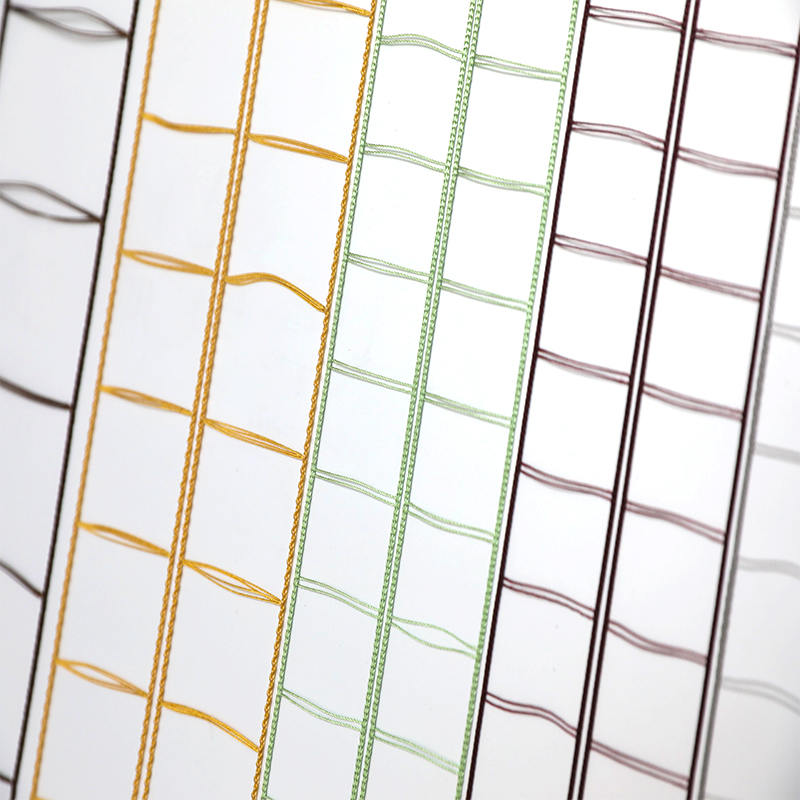
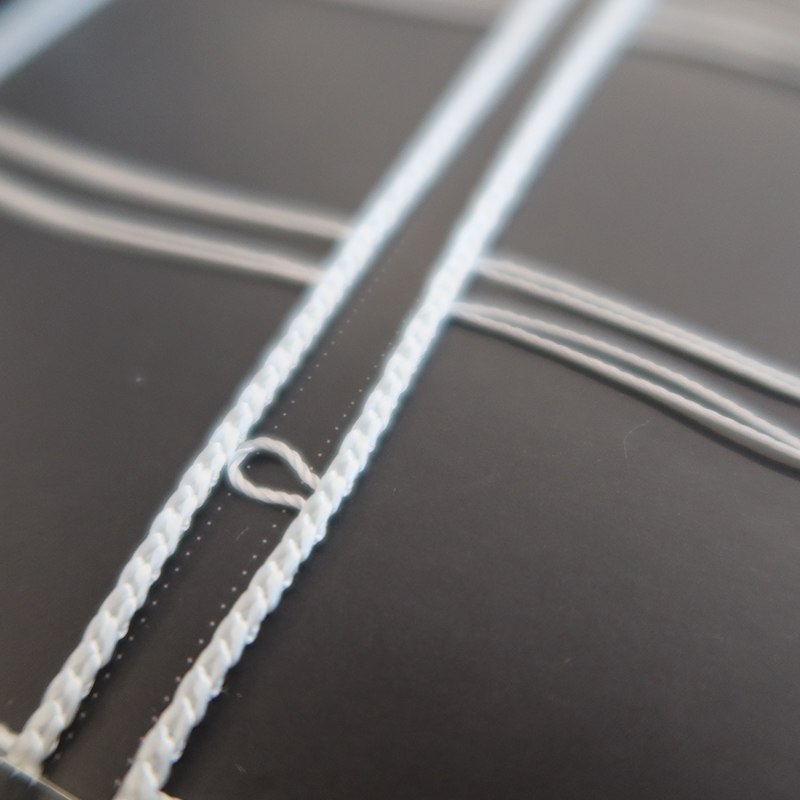
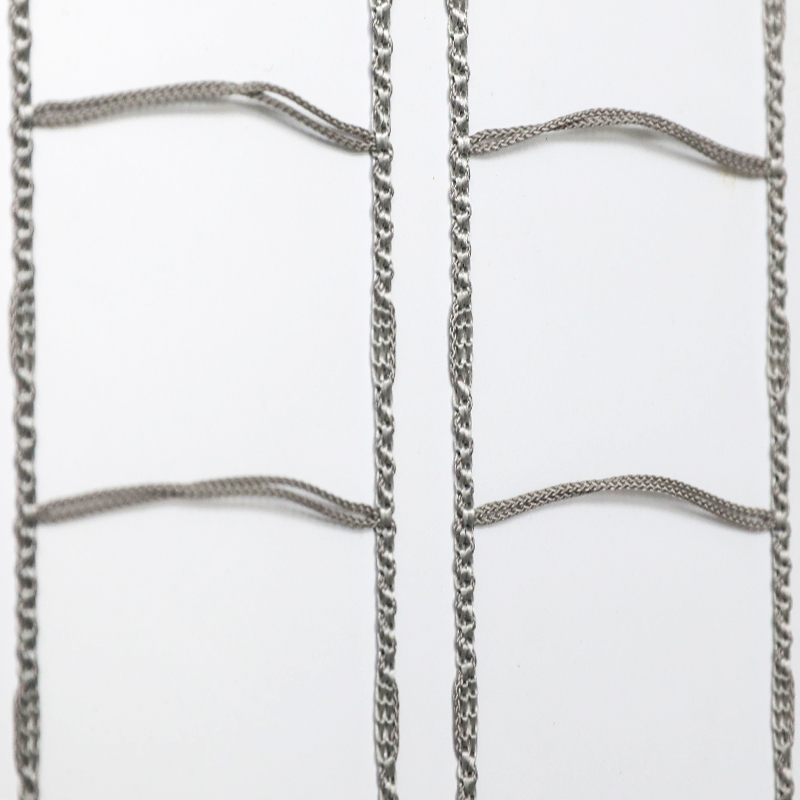
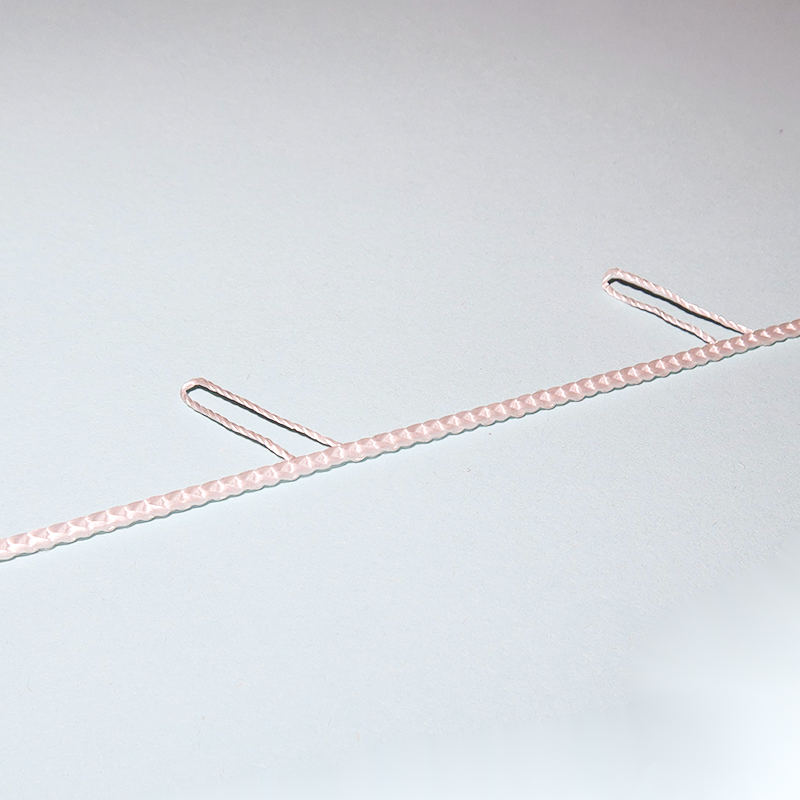
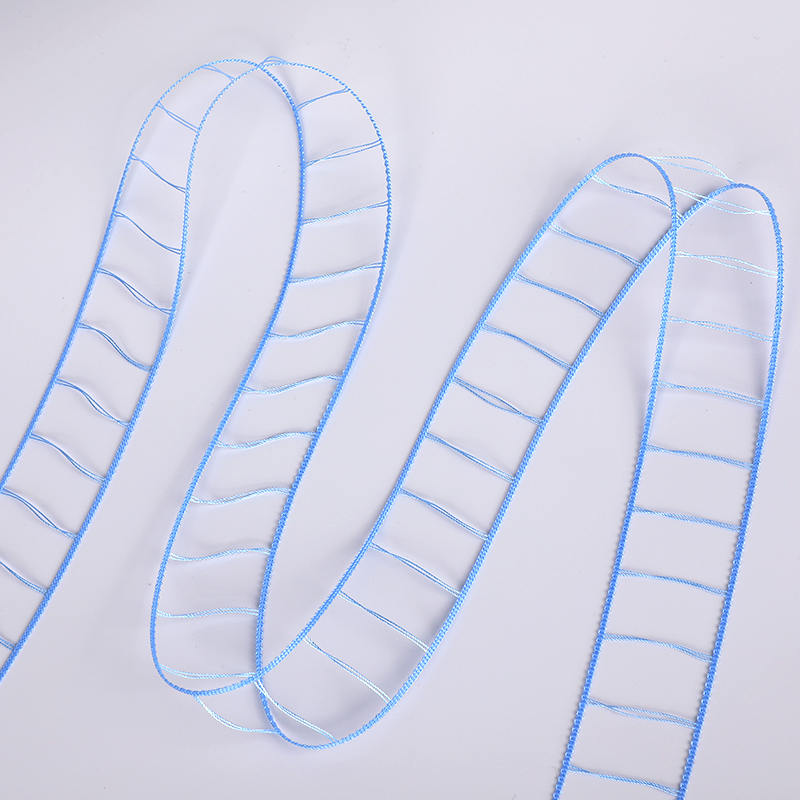 Regular Blinds Ladder Cord for Blind Adjustment and ReplacementA durable ladder cord series for regular blinds, offered for replacement or wholesale use and selected to match slat width and material.View Product →
Leave the slats open and the window ajar for an hour. Run the blind up and down once so any moisture on the cords spreads and evaporates evenly. Skip the hairdryer — heat warps vinyl, dries out wood, and can shrink fabric vanes.
Most cleaning damage comes from using the wrong method rather than from cleaning too often. The table below is the reference we keep coming back to.
| Material | Best approach | What to avoid |
|---|---|---|
| Aluminum | Vacuum, then wipe with mild soapy water; a little vinegar lifts water marks | Abrasive pads and bleach-based sprays |
| Wood and faux wood | Dry dust only, then a barely damp cloth; dry immediately | Soaking, dripping cloths, strong detergent |
| Vinyl and PVC | Warm soapy water works well; a soft brush handles textured slats | Solvents and alcohol-heavy cleaners |
| Fabric vanes and slats | Vacuum with a brush attachment, then spot clean with foam on a cloth | Rubbing, soaking, direct heat |
| Vertical blinds | Rotate vanes and clean both faces, top to bottom | Pulling vanes sideways at the bottom |
Fabric surfaces hold dust differently from hard slats. The fibres grip fine particles, so frequent light vacuuming does far more good than an occasional deep scrub. Keep the brush attachment moving in one direction and let the suction do the work.
For marks, blot rather than rub. A small amount of foam from a mild detergent, applied with a cloth and worked from the edge of the stain inward, lifts most everyday marks without spreading them. Test on a hidden area first, and always let the fabric dry completely before closing the blind, so moisture does not get trapped between the vanes.
Vertical fabric vanes are the easiest of all to keep clean, because you can rotate them one at a time and see both faces in daylight. Take the extra minute — it is far quicker than removing them.
 Vertical Fabric Blind Slats for Large Windows and Sliding DoorsWaterproof, dustproof fabric slats in multiple colors and patterns, suited to large windows and sliding doors with adjustable light and privacy control.View Product →
Dust every two to three weeks in a kitchen, and every four to six weeks elsewhere in the house. A deeper clean with a mild solution three or four times a year is plenty for most homes. Blinds in a bathroom or a south-facing window that stays open in summer will want more attention, while a rarely used guest room can go much longer.
The ten-second test never fails: run a finger along the top slat. If it leaves a line, dust it.
A little prevention goes a long way. Keep a microfiber duster near the window and run it along the slats once a week while the kettle boils — it takes under a minute and keeps dust from bonding to the surface. Leave the slats slightly open during the day so air moves between them, and address condensation around kitchen and bathroom windows rather than letting it settle.
If you would like a fuller routine, our blinds maintenance notes cover the seasonal side of the same job, including what to check on cords and ladder tapes as they age.
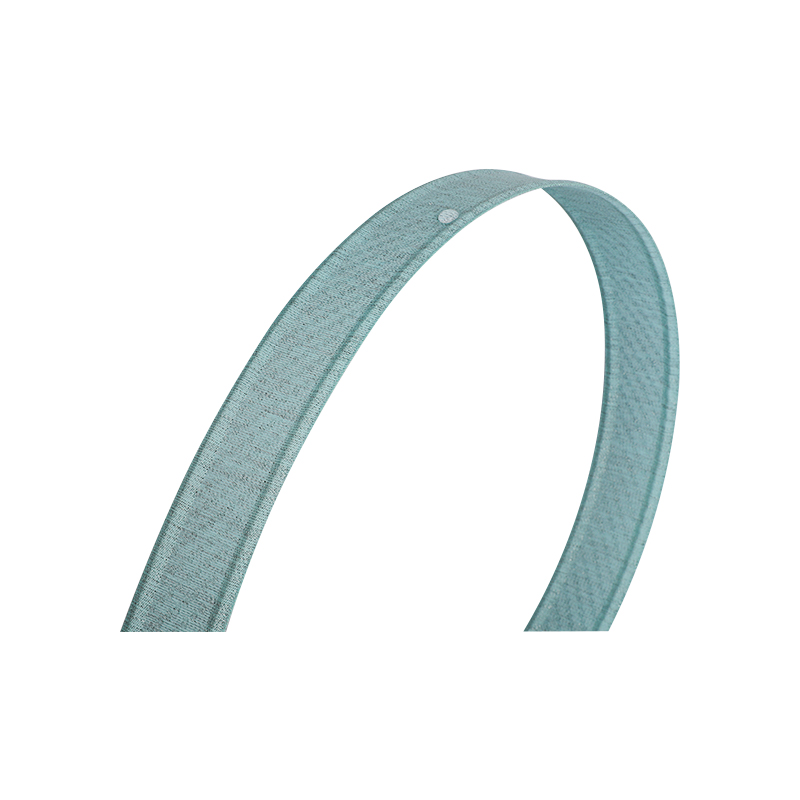
Sometimes the blind looks dull because something mechanical is worn rather than dirty. If the slats no longer sit level, if the blind rises unevenly, or if you can see fraying where a cord passes through the headrail, the hardware is asking for attention. A stretched ladder cord or a tired lift tape changes the way a blind hangs, and no amount of wiping will fix it.
The good news is that these parts are replaceable, and replacing a cord or a lift tape costs far less than a new window covering. It is also worth checking the tapes before a deep clean, since a worn ladder tape can give way under the extra handling.
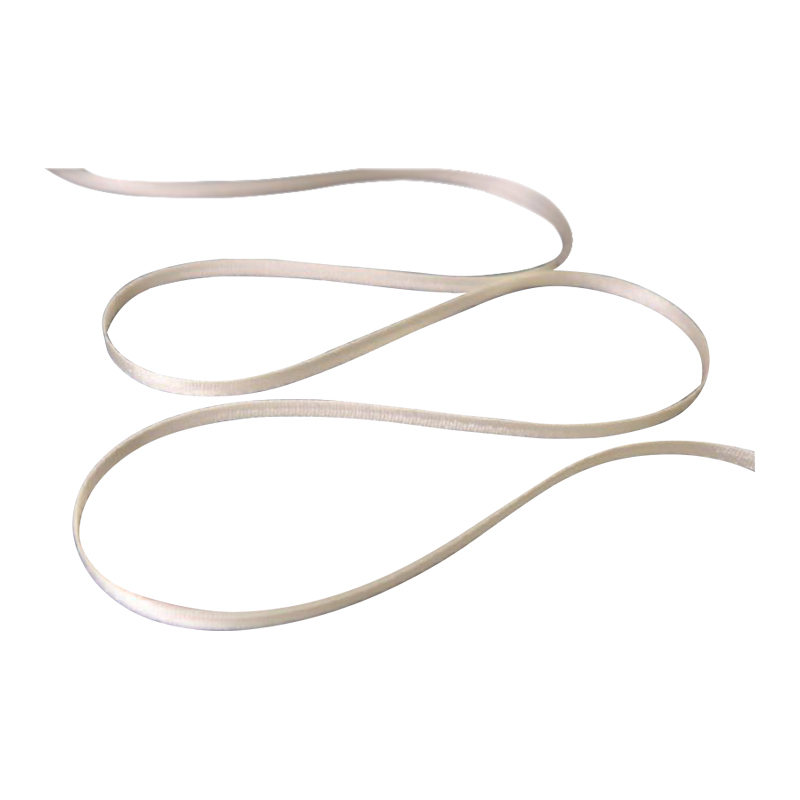 Blinds Lift Tape for Smooth Height Adjustment and ReplacementA low-stretch lift tape for raising and lowering blinds, presented as a replaceable component for smoother operation across vertical, roller, and Venetian blinds.View Product →
Cleaning blinds without taking them down is not a trick — it is simply a matter of working in the right order. Assess the material, dust before you wipe, keep every cloth barely damp, and give the cords and tapes the same attention as the slats. Fifteen minutes every few weeks keeps a window covering looking sharp for years, and saves you the small ordeal of the bracket screwdriver.
If you are sourcing cords, ladder tapes, or fabric blinds for production and want to talk through materials and specifications, our team is always glad to help — you can reach us here.