 "navigation"


02
Content
Most fabric window shades look easy to clean until a damp cloth leaves a watermark on them. The reason is simple: fabric shades combine a flexible textile with a mechanical system, so the cleaning method has to work for both. If you follow the right order, most fabric window shades can be cleaned at home without damage. Dry dust first, spot-clean visible marks, and deep-clean only when the whole shade feels dirty.
Start by checking the care label. It should tell you whether the shade can be hand-washed, machine-washed, wiped down, or dry-cleaned. If the label is missing or unreadable, test your cleaning solution on a small area that will not be visible once the shade is reinstalled, such as the bottom edge or the back side.
Fabric window shades are made from polyester, cotton, linen, or a blend, and the weave makes a big difference in how much dirt they absorb. Dense weaves and treated surfaces are easier to clean and resist dust better than loose, textured materials. If you are choosing new shades or trying to decide how often to clean them, it helps to understand how the material and weave affect long-term durability.
You also need to know how the shade moves. Roller shades, cellular shades, pleated shades, roman shades, and vertical or horizontal fabric blinds all need slightly different care. When in doubt, use the least wet method first and contact the manufacturer if you are unsure whether the fabric can handle water.
Dry dusting removes loose dust, pet hair, and surface dirt before water can turn them into a muddy film. Use a vacuum cleaner with a soft brush attachment and low suction. Move the nozzle along the front and back of each panel or slat, following the direction of the fabric. For cellular or honeycomb shades, vacuum along the open cell openings without pressing the fabric flat. A microfiber cloth or soft duster is fine for a quick weekly pass, but vacuuming is more effective when dust has settled into the weave.
If the shade still looks dull after vacuuming, or if you can see darker marks from candle soot, cooking grease, or fingerprints, move on to spot cleaning. Vacuuming alone will not remove stains embedded in the fabric.
For localized marks, mix two cups of lukewarm water with a few drops of mild dish soap. Keep the soap below about one-quarter teaspoon so the solution stays gentle and does not create excess foam. Dip a white microfiber cloth into the solution and wring it out until it is only damp. Blot the stain gently, working from the outer edge toward the center. Rubbing back and forth can push the stain deeper into the fibers and leave a fuzzy texture.
Once the stain is lifted, rinse the area by dabbing it with a cloth dampened with plain water. Pat the area dry with a clean cloth. For stubborn stains such as candle soot, repeat the process with a fresh cloth. Do not use bleach, acetone, or strong solvents unless the care label explicitly permits them.
When the whole shade looks dingy, greasy, or yellowed, deep cleaning is necessary. Remove the shade from the brackets if possible and lay it flat on a clean sheet or towel. Use a soft sponge and the same mild soap solution to wipe the entire surface with light, overlapping strokes. Work one section at a time and avoid soaking the fabric. After washing, rinse the sponge well, wring it out, and wipe the shade again with plain water to remove soap residue.
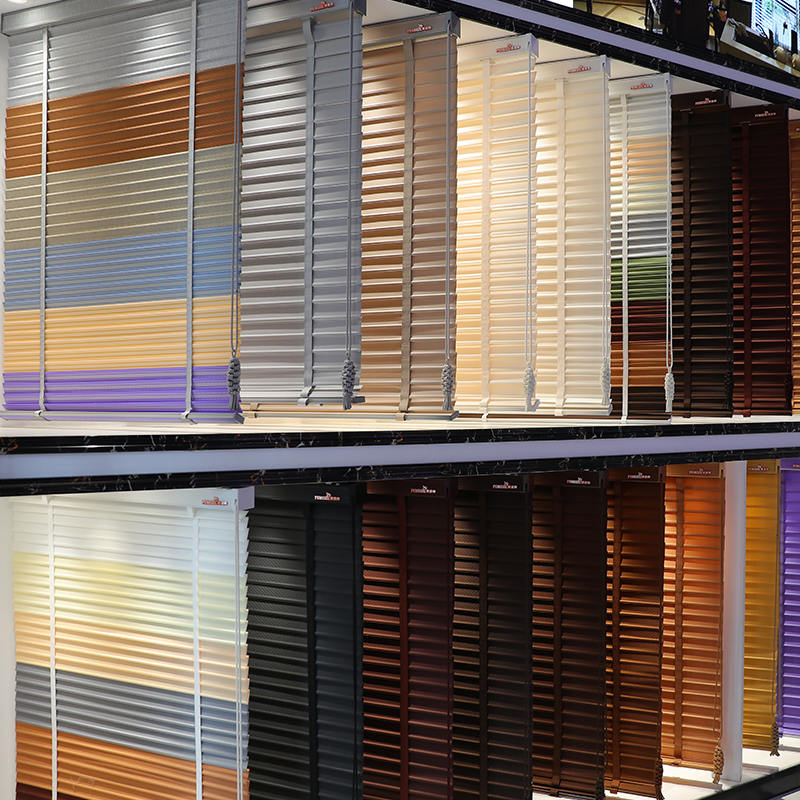
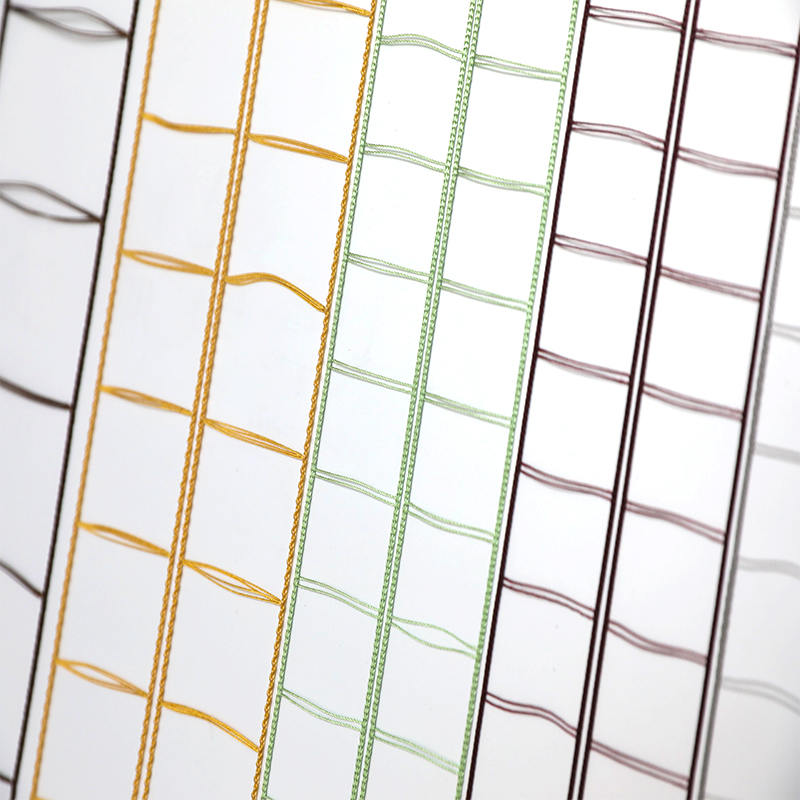
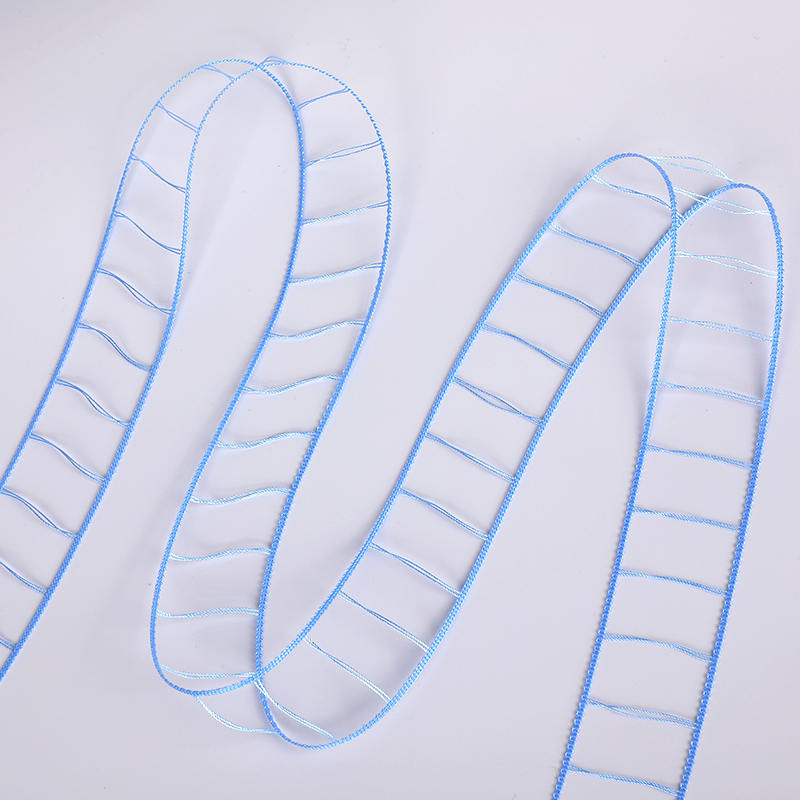
Do not submerge the shade unless the care label says it is safe. For horizontal fabric blinds, cleaning individual slats is often easier than trying to wash the entire shade while attached. If a slat is permanently stained, warped, or frayed, replacing just the damaged slat can save you the cost of a new shade. Many standard systems accept replacement horizontal fabric blinds slats without requiring a new headrail or mechanism.
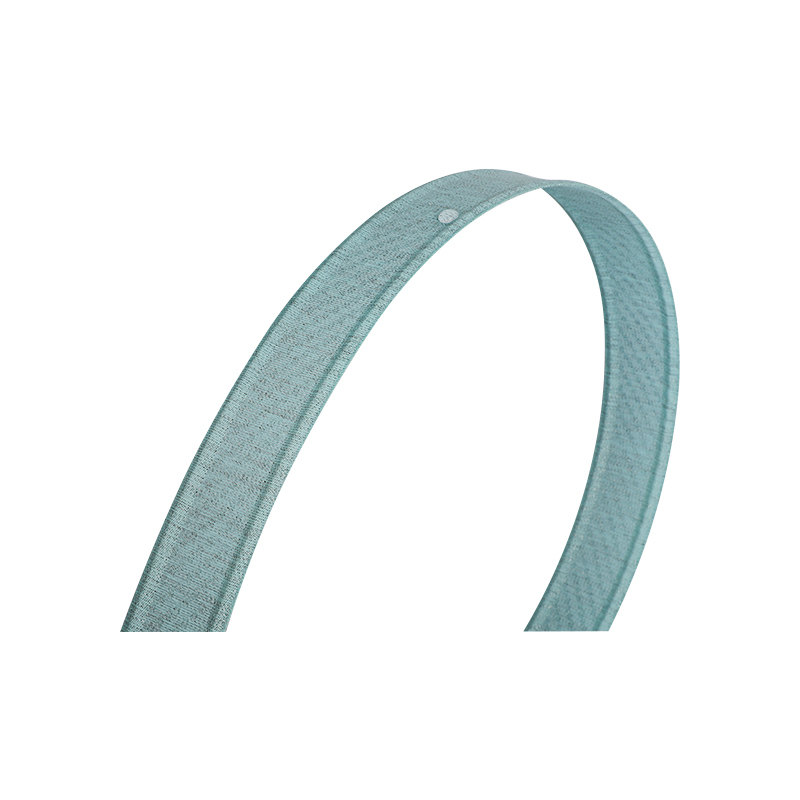 Horizontal Fabric Blinds Slats Manufacturers, Wholesale FactoryHangzhou Youpu Decoration Materials Co., Ltd is China Wholesale Horizontal Fabric Blinds Slats Manufacturers and Horizontal Fabric Blinds...View Product →
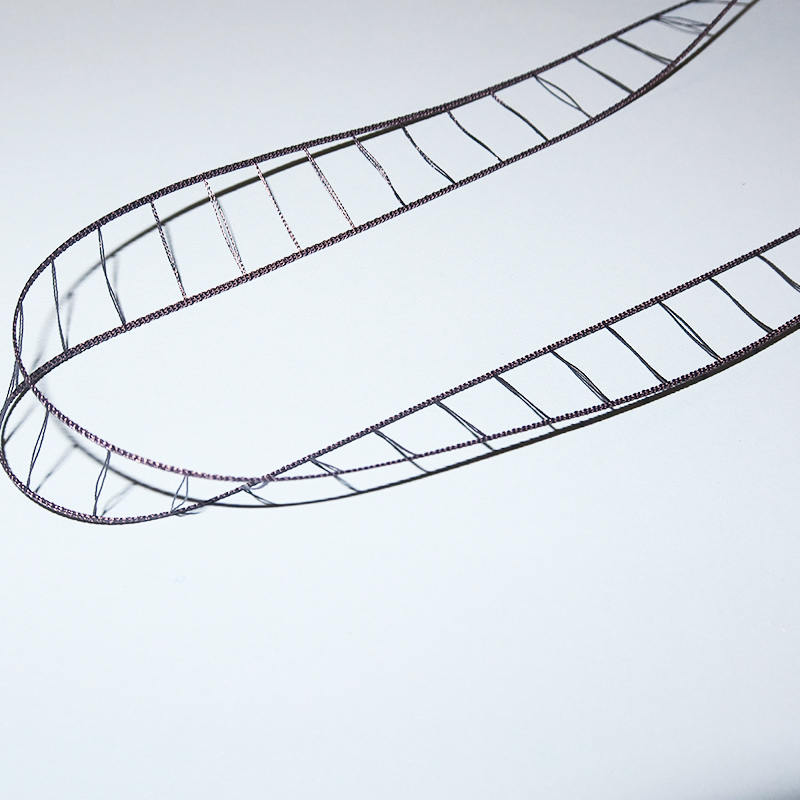
Do not rush the drying step. Fabric that is rehung while still damp can stretch, mildew, and leave water rings. Air-dry the shade in a room with good airflow, away from direct sunlight and heat sources. If the shade has a headrail, dust it and inspect the cords or ladder tapes while the shade is off the window. Make sure the moving parts are clear of dust and debris before reinstalling.
Once the fabric is completely dry, reinstall the shade and test the lifting mechanism slowly. If you notice that a slat is no longer straight, a replacement is usually simpler than trying to reshape the fabric.
Different fabric shade structures require different handling. The table below summarizes safe cleaning methods for common types of fabric window shades.
| Shade type | Best cleaning approach | Things to avoid |
|---|---|---|
| Cellular or honeycomb | Vacuum the cells with a brush attachment; spot-clean the outer surface with a damp cloth | Do not soak the cells, since trapped water can weaken the honeycomb structure |
| Roller shades | Remove the shade, lay it flat, and wipe with a barely damp cloth using mild soapy water | Avoid pulling the fabric taut while rolling it back into place |
| Roman shades | Vacuum both sides; spot-clean folds gently; deep-clean only if the lining allows | Do not wet the folds heavily, because rings and stitching can be damaged |
| Pleated shades | Dry-dust along the pleats; clean with a soft sponge and mild detergent; keep pleats open | Avoid pressing the pleats flat, which can leave permanent creases |
| Sheer shades | Vacuum gently with a brush attachment; spot-clean with minimal moisture | Avoid rubbing the sheer fabric, which can tear or pull the fibers |
| Vertical fabric blinds | Detach individual slats and hand-wash in lukewarm water; hang them back with clean clips | Avoid machine washing unless the label says it is safe |
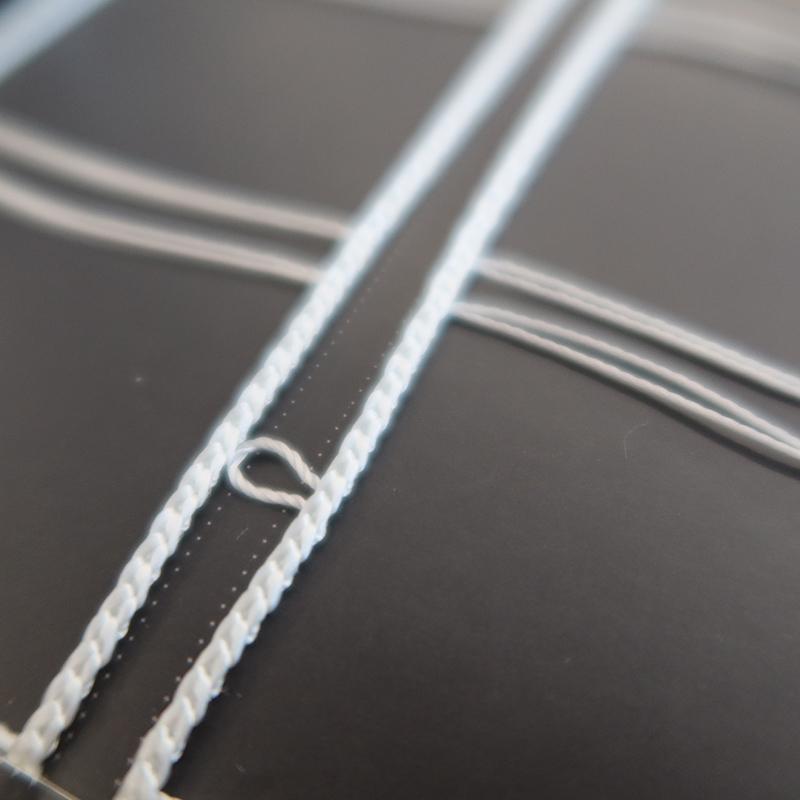
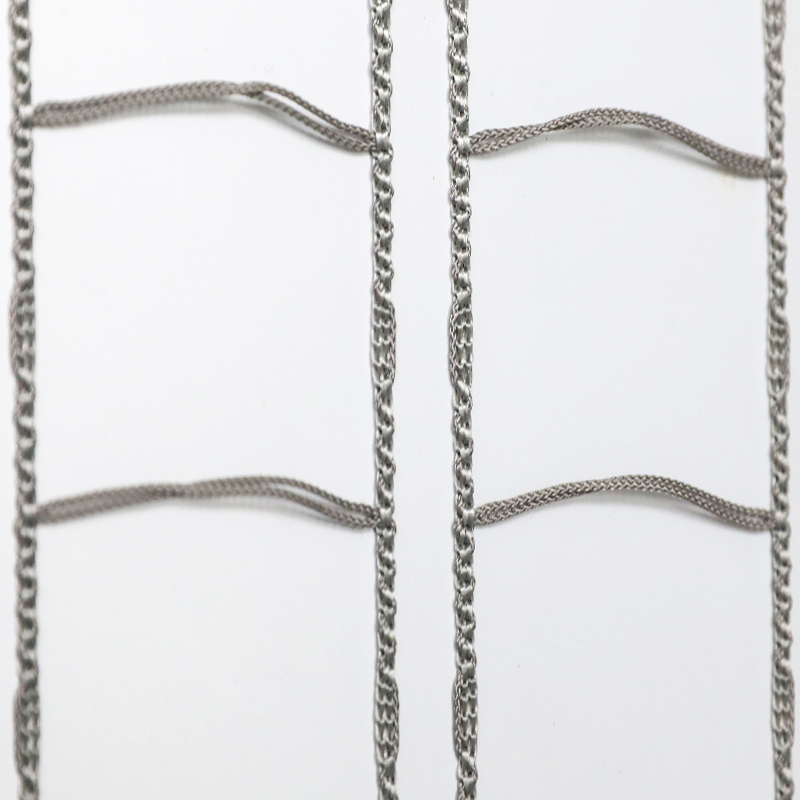
| Horizontal fabric blinds | Wipe each slat with a damp cloth; clean both top and bottom surfaces | Do not let water run into the cord holes or ladder tapes |
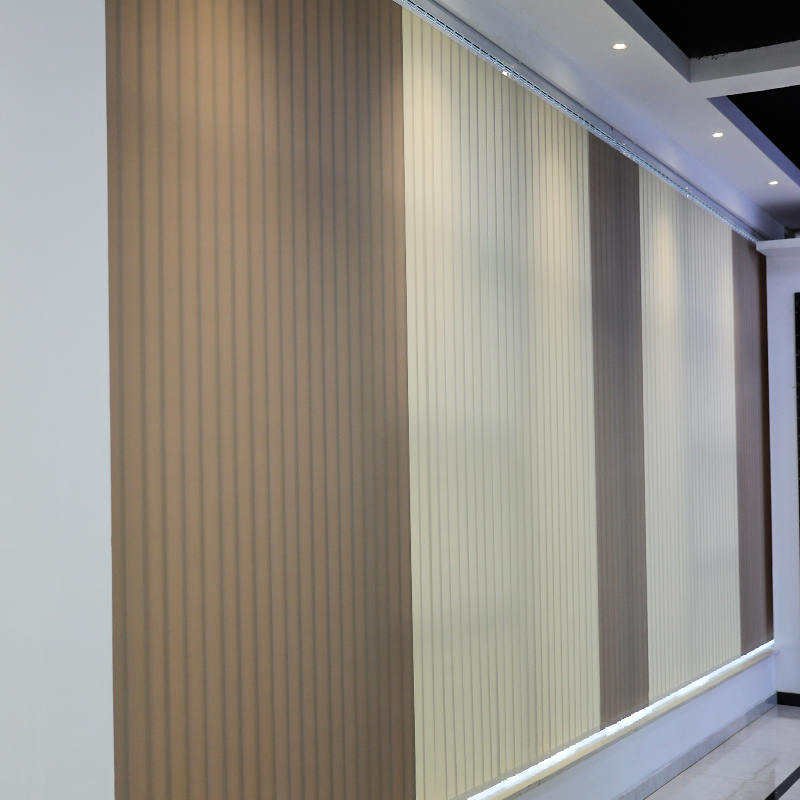
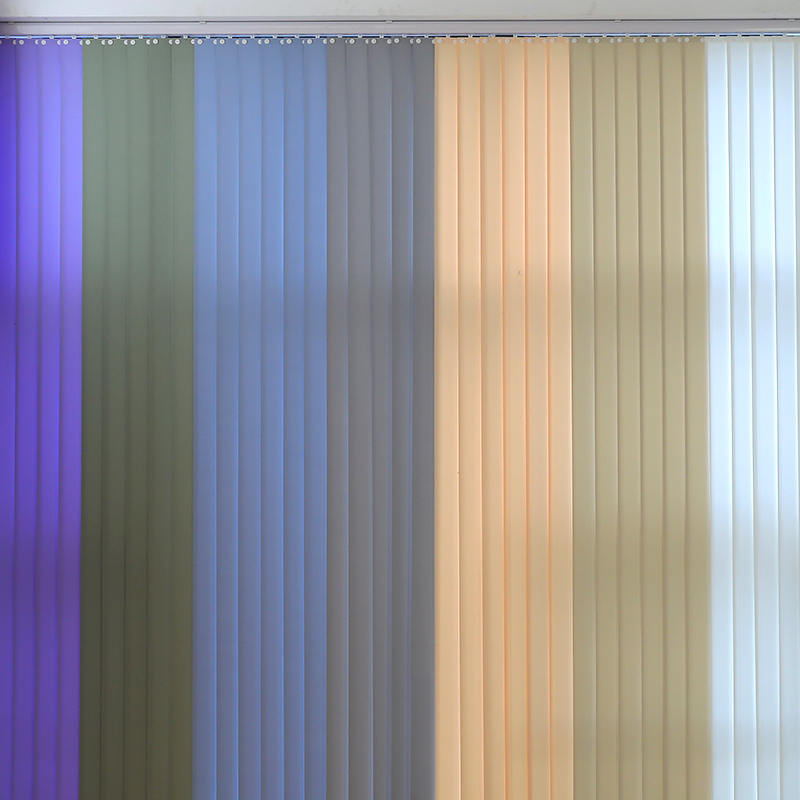
For vertical fabric blinds, the slats can be removed from the carriers, cleaned separately, and rehung. If a vertical slat is bent, discolored, or absorbs odors that will not come out, replacing individual vertical fabric blinds slats is often faster and more practical than replacing the entire blind.
Motorized fabric shades contain a motor, wiring, and often a battery or power supply inside the headrail. That means the headrail must stay dry. Never spray cleaner directly into the motor housing. Clean the fabric using the dry-dusting and spot-cleaning methods described above, and wipe the headrail with a barely damp microfiber cloth only when necessary.
If the fabric is not removable, do not attempt a water-based deep cleaning. Use an upholstery-safe dry-cleaning product, or have the shade serviced professionally. After cleaning, run the motor through one complete open-close cycle to confirm that the fabric tracks evenly.
In most homes, quick dusting every one to two weeks is enough to keep fabric window shades presentable. Spot-clean marks as soon as you notice them. A full deep cleaning should happen every six to twelve months, depending on the room and the amount of dust or grease in the air.
Kitchens, windows above radiators, and rooms with pets or smokers collect dirt faster. If you burn candles frequently or live on a busy street, you may need a more frequent schedule. If you are ever unsure how to care for the cords, chains, and hardware, contact the manufacturer for specific guidance.
These mistakes are easy to avoid and are responsible for most damaged fabric shades. When in doubt, test first and use the least wet method available.
The best way to keep fabric window shades clean is to combine a regular dusting routine with quick spot cleaning. Address marks quickly because set-in stains require more aggressive cleaning and can shorten the life of the fabric. Use the right tools, protect the mechanical parts from water, and allow the fabric to dry fully before reinstalling it.
With a consistent approach, fabric window shades stay fresh, move smoothly, and keep their appearance for years. You do not need a complicated system. You need the right order: dry first, then spot-clean, then deep-clean only when necessary.