 "navigation"


02
Content
Faux wood blinds look great for about six months. Then the lower slats pick up a thin film of kitchen grease, dust settles between every louver, and the pull cords turn a shade of gray that no design catalog lists. Cleaning them is not hard, but the order matters. Dust first, wash second, and never let the slats stay wet. This guide walks through the exact routine, the mistakes that warp slats, and the maintenance habits that keep faux wood blinds working like new.
Faux wood blinds are made from a composite of wood fibers and PVC, finished with a smooth resin coating. That coating is what makes them moisture-resistant, but it also holds a static charge. Every time a window opens or the HVAC runs, dust and pollen are pulled toward the slats. In kitchens, the same surface grabs airborne cooking oil, which bonds to dust and turns into a sticky film that ordinary dusting cannot remove.
The practical implication is that faux wood blinds need two levels of cleaning: a light dusting every one or two weeks and a deeper wash every two to three months. Bathroom or kitchen installations may need deep cleaning more often because humidity and grease accelerate buildup. Skipping the routine is not just a cosmetic issue. A thick layer of dust traps moisture against the surface, which can dull the finish, and grease residue can yellow light-colored slats over time.
Most damage to faux wood blinds happens during cleaning, not during normal use. Abrasive scrubbing and excess water are the two biggest culprits. A proper dusting routine removes the need for aggressive washing later.
This routine takes about five minutes per window. It also gives you a chance to spot problems early, such as a loose ladder cord or a slat that no longer tilts evenly, before they worsen.
When dusting is no longer enough, a wet wash is required. The guiding rule is simple: use the least water possible, keep the slats closed into a flat surface, and dry each slat immediately after washing.
Dip a soft sponge or microfiber cloth into the soapy water, then wring it out as thoroughly as possible. The cloth should be damp, not dripping. Close the slats into a flat position and wipe each slat from the center out toward the ends in one continuous motion. Flip the slats and repeat. Then go back with a dry microfiber cloth and wipe every slat again to remove residual moisture. Work top to bottom so dirty water does not run onto already-cleaned lower slats.
This method handles the vast majority of residential grime, including dust film, fingerprints, and light cooking residue. For heavier buildup, allow the soapy water to sit on the surface for thirty to sixty seconds before wiping, but never let the solution pool in the slat holes where the ladder cords pass through.
You will find many tutorials recommending a full bathtub soak for faux wood blinds. It works, but it carries real risk. Prolonged immersion can weaken the adhesive layers in the slat construction, and the cords and tilt mechanism absorb water that is difficult to fully dry. If you choose this route, limit the soak to fifteen minutes, use lukewarm water and a few drops of dish soap, and hang the blinds immediately with the slats open so air can circulate around every surface. Do not use this method for blinds with metal components in the headrail unless you have verified that they are rust-resistant.
Kitchen grease and cigarette smoke are the hardest residues to remove because they bond with dust and oxidize on the surface. Warm soapy water usually softens the film, but you may need a stronger approach. A solution of one part white vinegar to three parts water works on many stubborn deposits, but test it on a single slat first. Undiluted vinegar can dull the resin finish on some budget-grade faux wood blinds.
For oily spots, a small amount of mild dish soap applied directly to a damp microfiber cloth is more effective than all-purpose spray cleaners, many of which leave a residue that attracts even more dust.
Do not use abrasive scouring pads, powdered cleansers, or any product labeled for wood furniture with wax or polish. These leave a film on the surface that changes how the blinds reflect light and makes them harder to clean next time.
Fingerprints, food splatter, and pet nose prints settle on the lower slats and pull cords. A quick response prevents buildup. Wipe the spot with a damp microfiber cloth and a drop of dish soap, then dry the area with a clean cloth. For slats that have absorbed cooking or tobacco odors, wipe them with a cloth dipped in a very dilute vinegar solution, then dry and open the window for an hour. Never spray air fresheners directly at the blinds; the propellant and fragrance oils stick to the slats and create a tacky film.
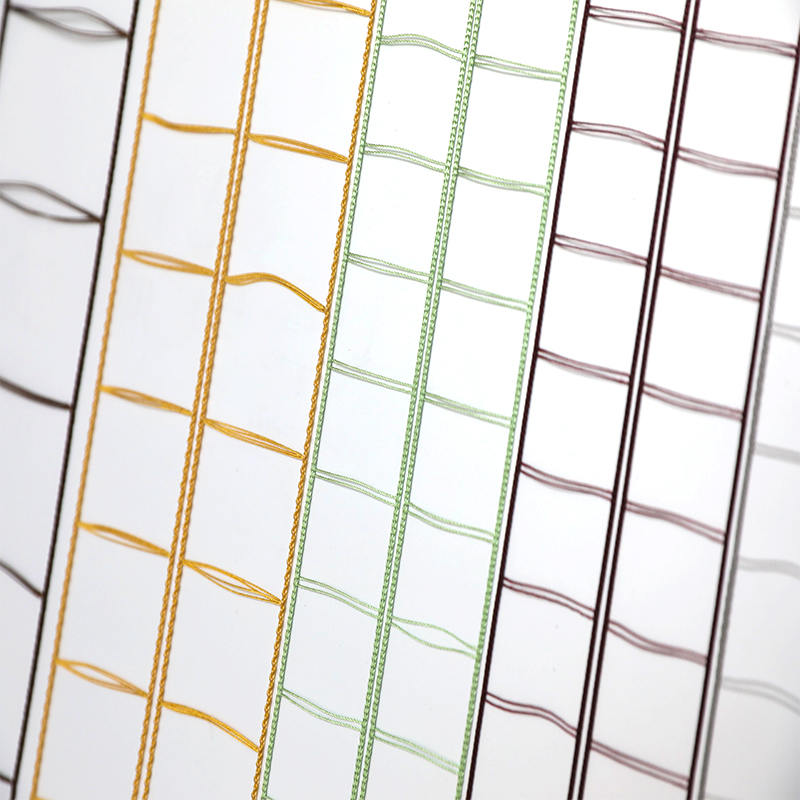
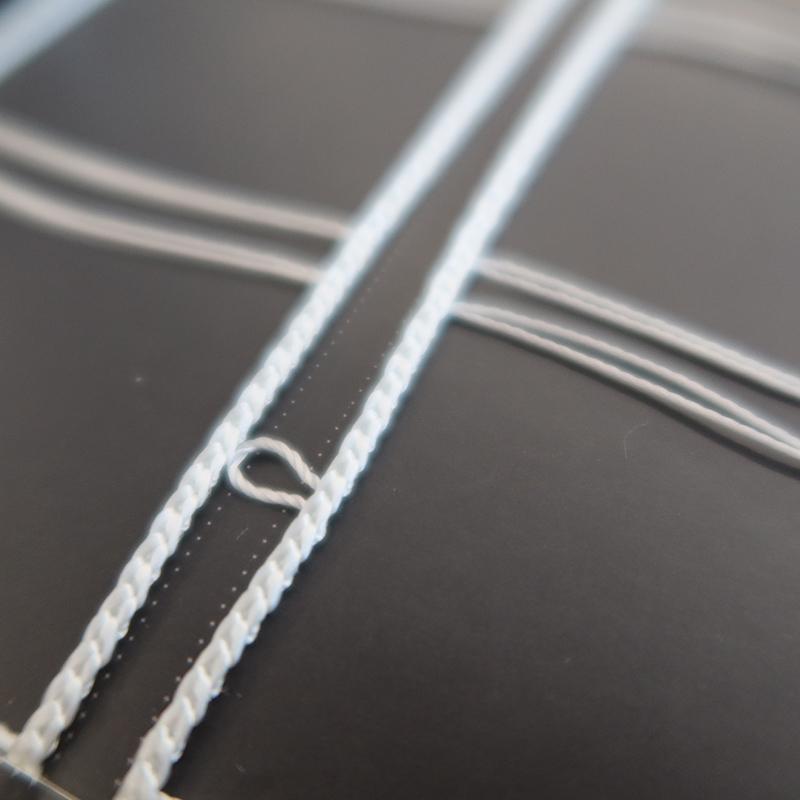
The cords on faux wood blinds collect as much dirt as the slats, and they are the most likely part to fail. Remove the cords from the grommets, if possible, and wipe them with a damp soapy cloth. Rinse the cloth and wipe again to remove soap residue, then let the cords dry fully before feeding them back through the slat holes. Tilt wands and the headrail can be wiped with the same damp cloth, but never spray cleaning solution directly into the headrail mechanism. If the tilt mechanism becomes stiff after cleaning, check for water ingress before attempting to operate it.
Frayed or permanently stained cords pose a safety and functional problem. A cord that has lost its smooth surface creates friction inside the slat holes, making the blinds harder to raise and increasing wear on the entire lift system. When this happens, replace the cord rather than trying to clean it further. A purpose-built faux wood blinds cord is designed for repeated pulling and moisture exposure, and it will restore smooth operation that a cleaned old cord simply cannot match.
 Wooden/Faux Wood/Roman/Bamboo Roller Blinds Cord Manufacturers, Wholesale FactorHangzhou Youpu Decoration Materials Co., Ltd is China Wholesale Wooden/Faux Wood/Roman/Bamboo Roller Blinds Cord Manufacturers and Wooden...View Product →
Cleaning is only half the equation. How you use and position the blinds affects how fast they get dirty and how quickly the moving parts wear.
Faux wood is more heat-tolerant than real wood, but direct, intense sun can still cause fading and slight warping over several years. In south-facing windows, consider keeping the slats partially closed during peak summer hours. This also reduces the amount of dust drawn into the house by solar heating.
In bathrooms and kitchens, humidity is the main enemy. Run the exhaust fan during and after showers or cooking, and wipe any condensation off the slats before it dries into spots. If you notice the slats starting to bow in a high-humidity room, that is a warning sign that the moisture level is too high for that particular blind.
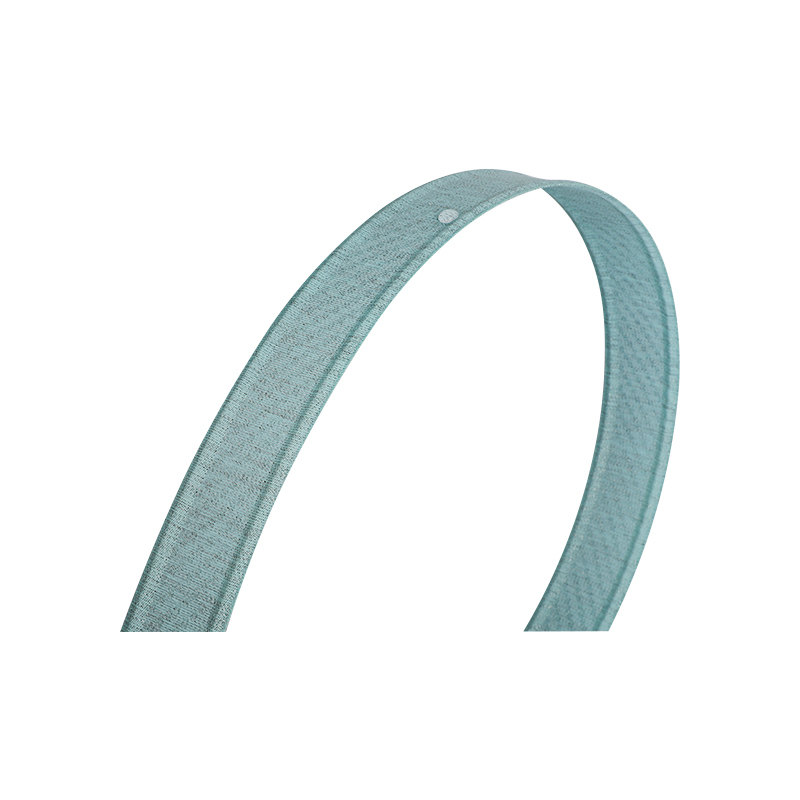
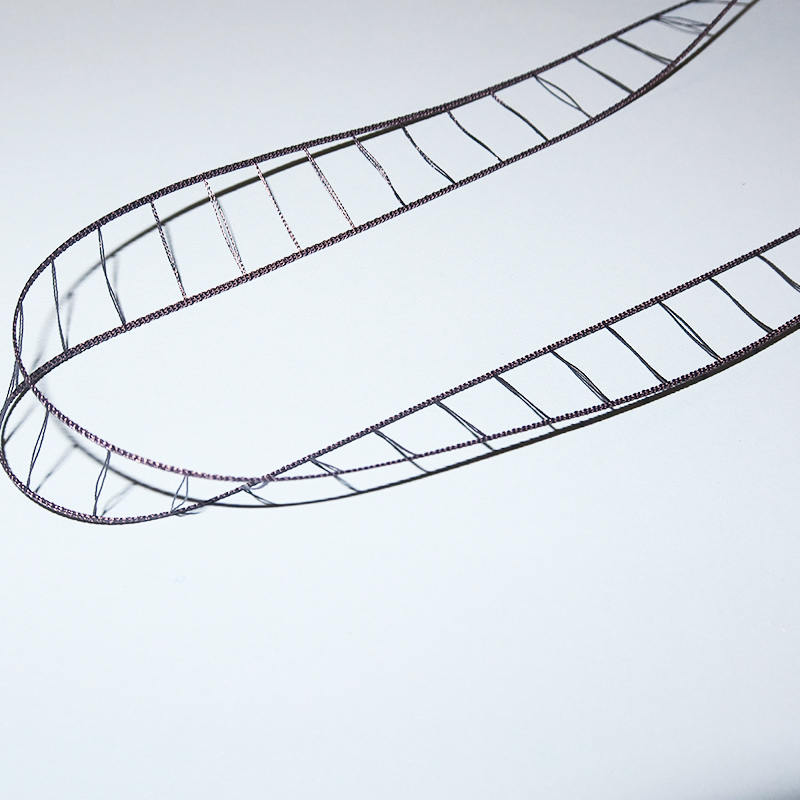
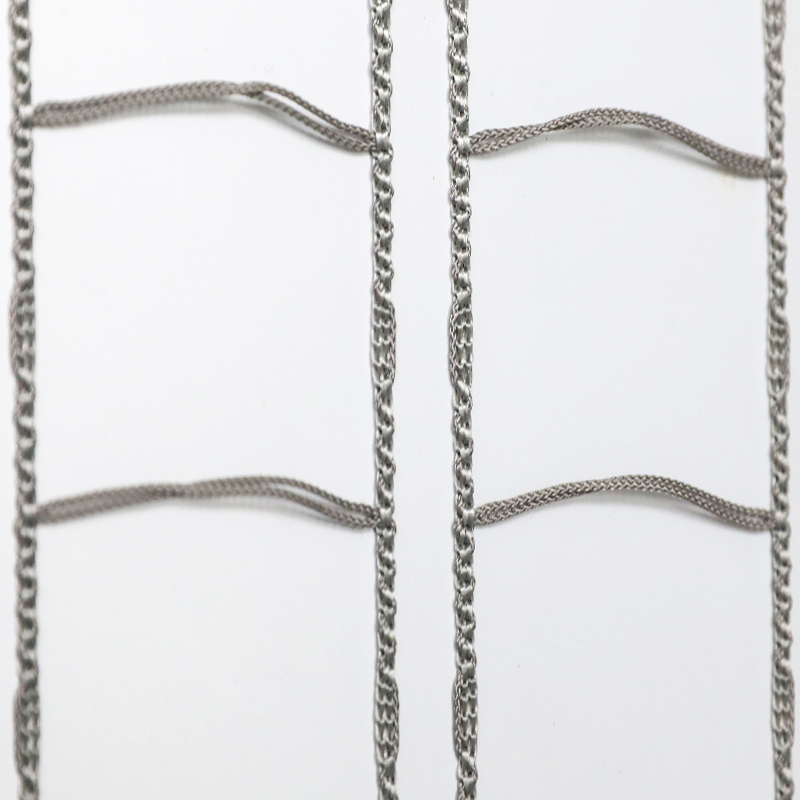
Twice a year, combine cleaning with a quick mechanical check. Wipe the headrail, inspect the ladder cords for fraying, and test that the tilt wand turns smoothly in both directions. A worn ladder cord for blinds is one of the easiest components to replace before it snaps and leaves slats resting at uneven angles. Likewise, if the lift mechanism feels heavy, a fresh blinds lift tape can restore smooth raising and lowering without replacing the entire blind.
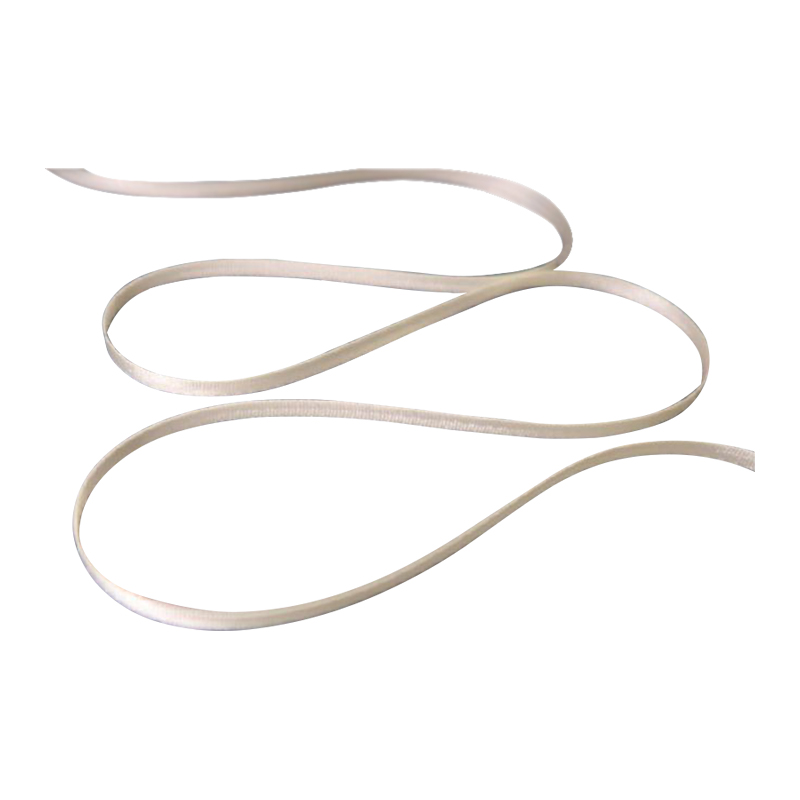 Blinds Lift Tape Manufacturers, Wholesale FactoryHangzhou Youpu Decoration Materials Co., Ltd is China Wholesale Blinds Lift Tape Manufacturers and Blinds Lift Tape Factory, offer wholes...View Product →
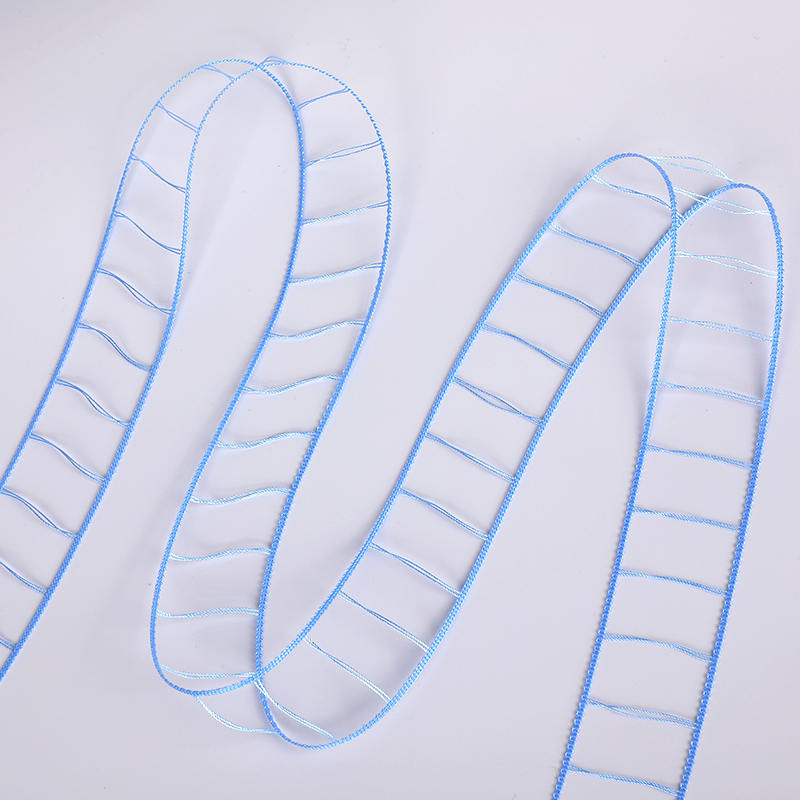 Regular Blinds Ladder Cord Manufacturers, Wholesale FactoryHangzhou Youpu Decoration Materials Co., Ltd is China Wholesale Regular Blinds Ladder Cord Manufacturers and Regular Blinds Ladder Cord F...View Product →
| Problem | Likely Cause | Practical Response |
|---|---|---|
| Slats won't tilt evenly | Ladder cord stretched or slipped off the drum | Re-hang the ladder cord or replace it |
| Blinds are hard to lift | Cord friction, tangled lift cord, or worn lift tape | Clean the cords and check the lift tape for cracking |
| Slats look bowed or wavy | Moisture exposure or heat stress | Reduce humidity and direct sun; replace badly warped slats |
| Yellowing or dull finish | Grease oxidation or abrasive cleaner damage | Deep clean; if the coating is etched, replacement is the realistic option |
| Valance sags or brackets feel loose | Mounting screws pulled out of drywall | Re-anchor with wall anchors designed for the bracket spacing |
Following consistent blinds maintenance rules prevents most of these problems before they start. The pattern is always the same: keep the blinds dusted, keep them dry, and don't wait until a small issue becomes a broken cord that drops half the slats.
Faux wood blinds have a realistic life of five to ten years with regular care. Visible cracks in the slat coating, a tilt mechanism that binds even after cleaning, or rust forming on exposed hardware are signs that continued cleaning will not restore function. If the blinds are otherwise in good shape but the cords or lift tape are failing, replacing just those parts is a cost-effective repair. If several slats are cracked and the mechanism is worn, the more practical decision is to install a new blind and apply the maintenance routine from day one.
Cleaning faux wood blinds comes down to a short list of rules: dust regularly, use a damp-not-wet cloth, dry every slat immediately, keep moisture and grease from building up in the first place, and replace worn cords before they damage the mechanism. Follow those rules and the blinds will keep their color, their shape, and their smooth operation for years. If you have questions about a specific cord or ladder component for your blinds, contact us with the model details and we can help identify the right part.