 "navigation"


02
Content
Plastic blinds are one of the most practical window coverings you can own. They handle humidity, wipe clean quickly, and usually cost less than fabric or wood alternatives. But that does not mean they are indestructible. PVC and vinyl slats can crack, cloud, or yellow when they are scrubbed too hard or left wet. Cords and ladder tapes also suffer when water sits inside the headrail. After years of supplying blinds components to manufacturers, we have learned that the best results come from a few gentle habits, repeated often.
Most plastic blinds are made from PVC, vinyl, or a vinyl-clad foam. These materials tolerate a damp cloth, but they do not like acetone, abrasive scouring pads, or strong bleach. Solvents can dull the surface, bleach can leave chalky streaks, and too much heat can warp thin slats. The goal is to lift dust and grease without driving moisture into the headrail or soaking the cords.
A little mild soap goes a long way. The same approach that protects the slats also protects the moving parts, which is important because a blind that looks clean but has stiff cords will not feel clean for long.
Before you start, gather a few soft tools. You do not need a cupboard full of specialist products.
Skip paper towels, which can leave lint, and avoid sponges with a scouring side. A soft paintbrush is also useful for dusting around the headrail and brackets.
Close the slats or tilt them to one direction. Vacuum from top to bottom with the brush attachment, using low suction. If you do not have a vacuum, wrap a microfiber cloth around your hand and draw it across each slat. Dust the headrail and the bottom rail too. Dry dusting removes the grit that would otherwise turn into muddy streaks when you add water.
Fill a bucket or spray bottle with warm water and add a few drops of mild dish soap. You want slight suds, not a thick foam. For kitchen blinds that collect grease, a 50/50 mix of white vinegar and water can help, but test it on an inconspicuous slat first. Never mix vinegar and bleach, and do not use ammonia-based cleaners on plastic.
Tilt the blinds fully open or closed so the slats lie flat. Dampen a microfiber cloth, wring it out well, and wipe each slat from the center toward the ends. You can wrap the cloth around the slat and slide it along both sides in one pass. Rinse the cloth often in clean water. For vertical blinds, work from the top down and support the bottom of each vane with your free hand so it does not bend.
Go over the slats with a clean, damp cloth to remove soap residue. Then dry immediately with a soft towel. Leave the blinds tilted open and let the room air circulate for an hour before closing them. Do not use a hair dryer on high heat because warm air can soften vinyl. If any water reached the headrail, blot it dry with a towel and leave the headrail exposed to air.
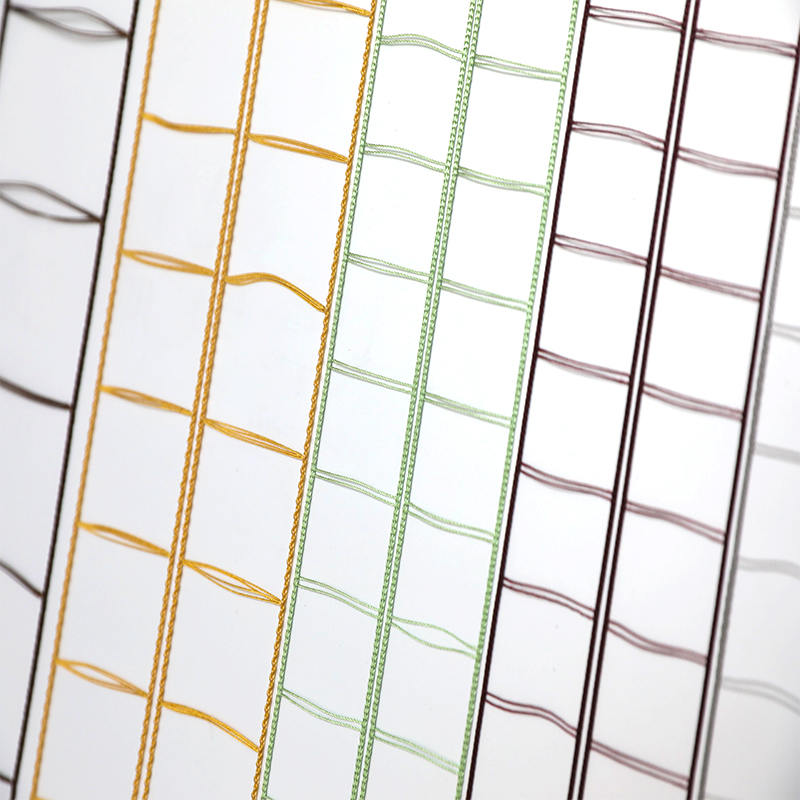
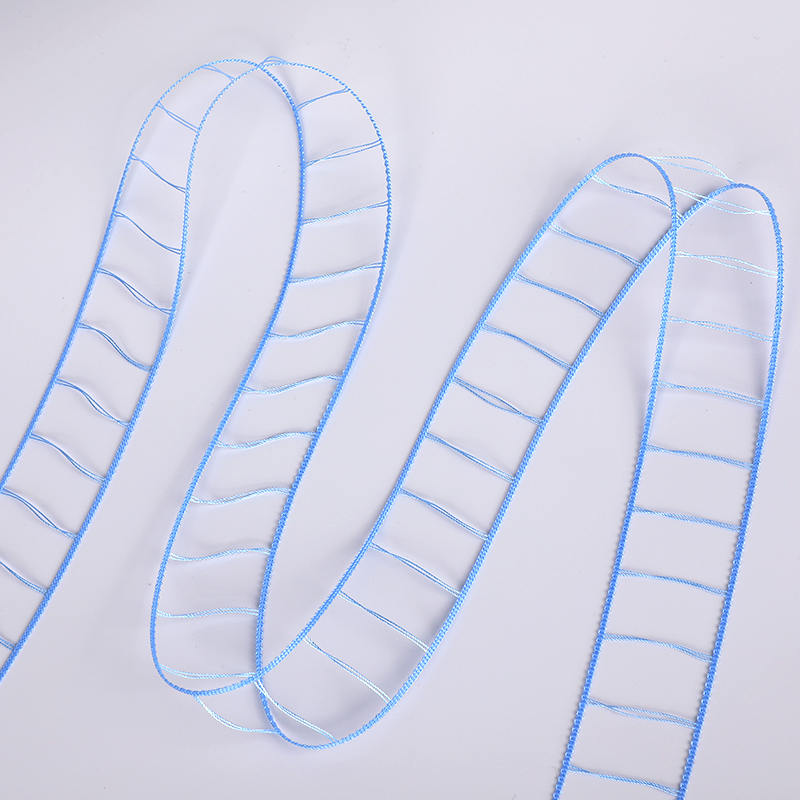
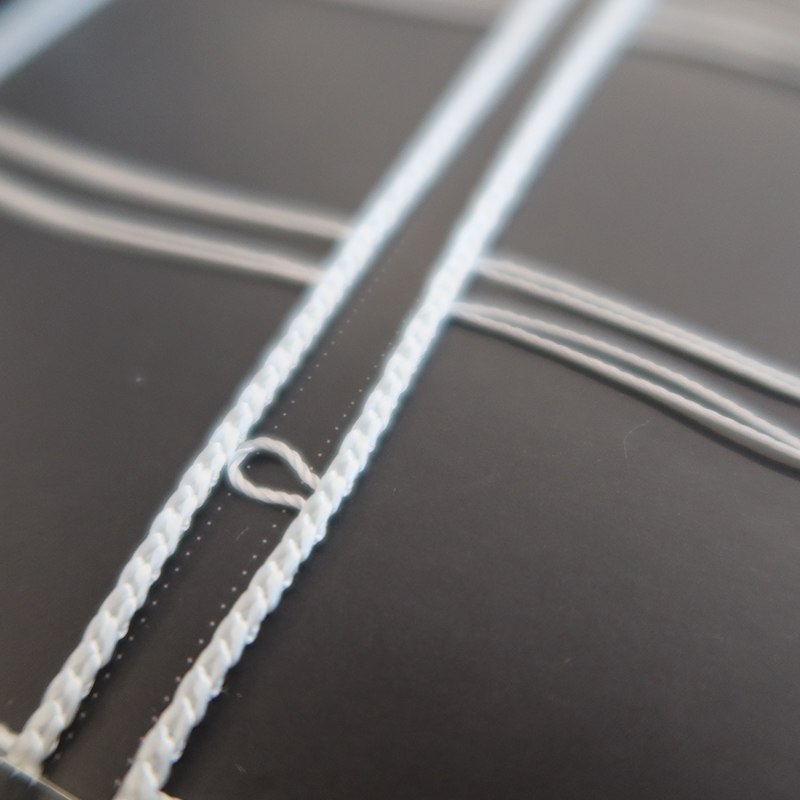
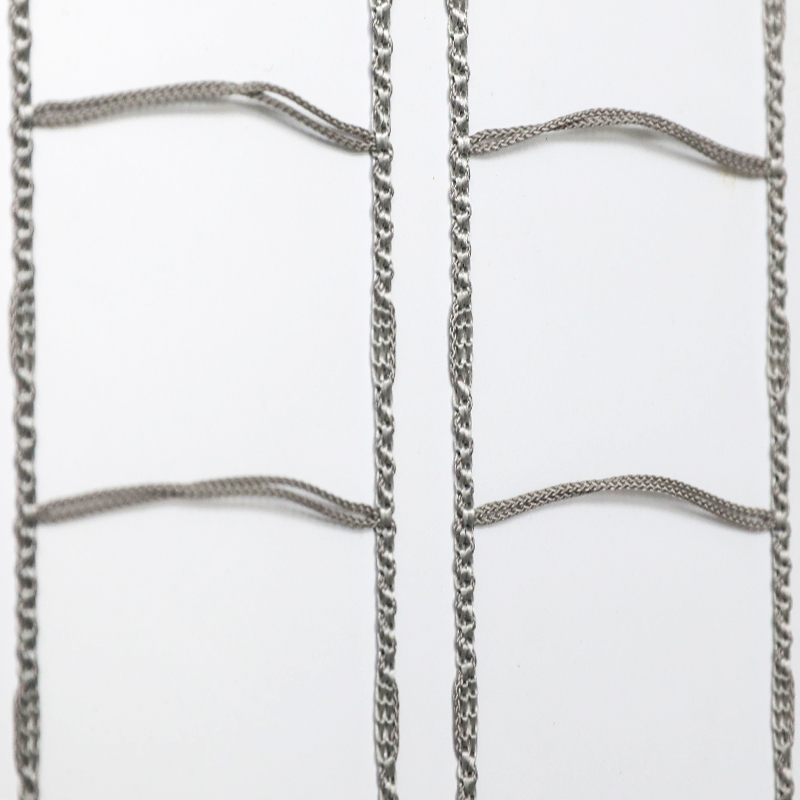
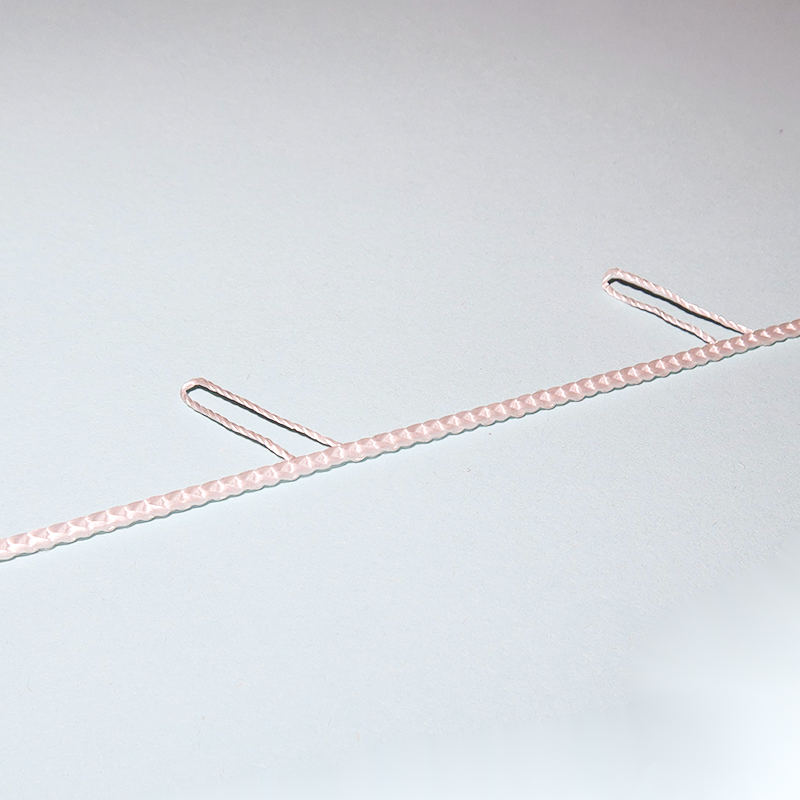
Dust the cords with the vacuum brush or a dry cloth. Do not saturate them with soapy water. Wet cords can stiffen, stretch, or grow mildew inside the headrail. If a cord feels rough, looks frayed, or has a permanent kink, replace it rather than cleaning around it. The same goes for ladder cords and lift tapes that show wear.
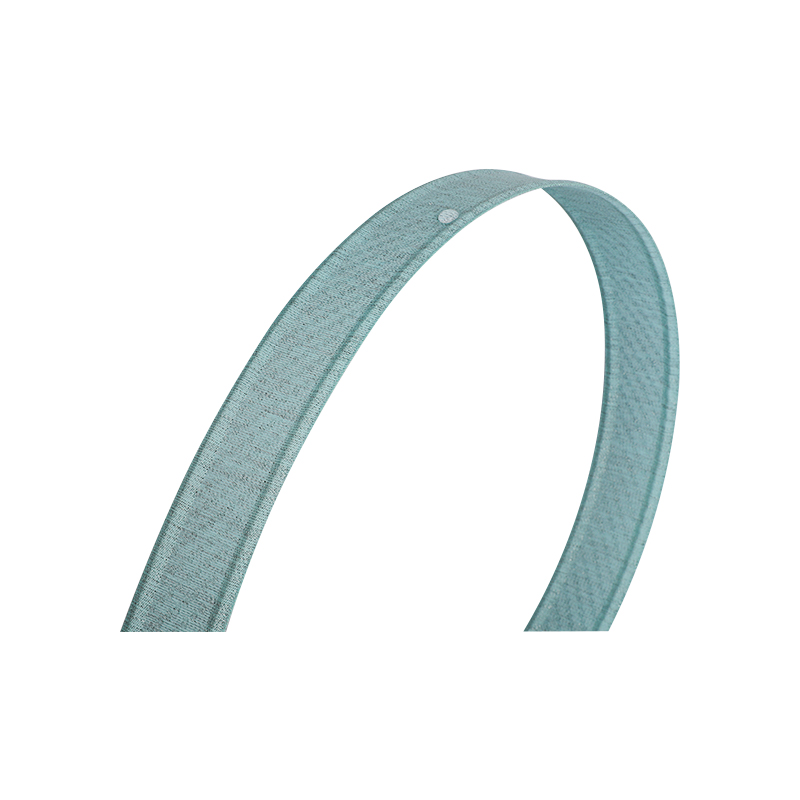
 Pull Cords for Vertical and Other BlindsDurable pull cords for vertical blinds and other coverings, a practical replacement when cords are frayed, kinked, or worn.View Product →
Use this simple table as a starting point. Your schedule will depend on how dusty your street is, whether the blinds are in a kitchen, and how often the windows are open.
| Cleaning task | Best method | Suggested frequency | Avoid |
|---|---|---|---|
| Dusting | Vacuum brush or dry microfiber | Weekly | Pressing hard against slats |
| Damp wipe | Mild soapy cloth, wrung out well | Monthly | Dripping water into the headrail |
| Deep clean | Slat-by-slat wash and immediate dry | Every 2 to 4 months | Soaking slats or cords |
| Spot cleaning | Damp cloth with diluted vinegar | As needed | Bleach or acetone |
| Cord check | Dry dust and inspect for fraying | Monthly | Wetting cords |
Plastic blinds in a living room may only need a weekly dust and a monthly wipe. Kitchen blinds collect airborne grease, so they often need a damp wipe every two to three weeks. Bathroom blinds should be checked for mildew around cords and ladder tapes. If you live near a busy road, dust will settle faster, and a quick pass with a microfiber cloth is easier than a deep clean. For more detailed care guidance, see these blind maintenance rules.
One useful habit is to clean from the top down. Dust and dirty water travel downward, so starting at the headrail keeps you from re-soiling the slats you have just wiped.
Most damage comes from good intentions pushed too far. Here are the common errors we see.
Sometimes the problem is not dirt. Old vinyl can yellow, crack, or become brittle. Scratched slats trap dust in the grooves, and no amount of wiping will smooth them. If only a few slats are damaged, check whether replacements are available. If the whole set is tired, replacing the blinds may be more practical than cleaning them again.
It is also worth checking the lift tape and ladder cords while you clean. A stretched or cracked lift tape can make the whole blind feel stiff, even when the slats are spotless. Replacing that small part is often simpler than replacing the entire window covering.
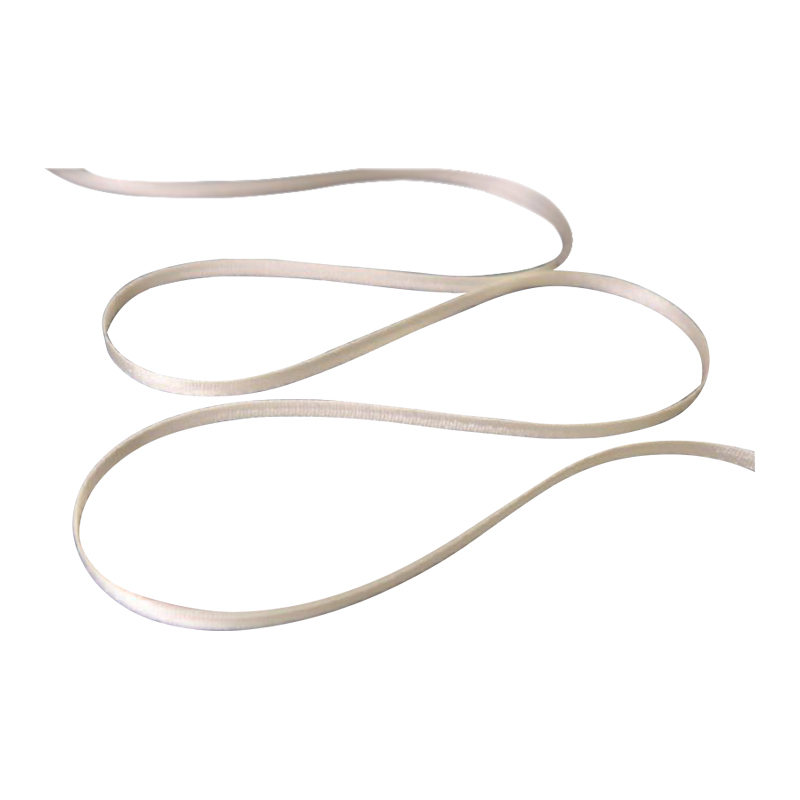 High-Strength Lift Tape for BlindsLow-stretch lift tape for smooth blind height adjustment, suited to replacing stretched or cracked tapes that make blinds feel stiff.View Product →
Cleaning plastic blinds is mostly about rhythm: dust often, wash gently, dry thoroughly, and check the moving parts. Done that way, the slats stay clear, the cords last longer, and the blinds look fresher without harsh products. If you work with blinds every day, the same principles apply at scale: gentle solutions, controlled moisture, and a quick inspection of cords and tapes. That is how you protect both the look and the mechanics.