 "navigation"


02
Content
Blinds are among the most dust-accumulating surfaces in any room — their horizontal slats and fabric folds create ideal traps for airborne particles, pet dander, and grease from cooking vapors. Yet they are also among the most commonly cleaned incorrectly, leading to bent aluminum slats, waterlogged fabric, warped wood, and permanent staining that could have been avoided with the right approach.
The correct cleaning method depends entirely on the blind's material. Venetian blinds — with their horizontal slats in aluminum, faux wood, or real wood — require a completely different approach than fabric blinds, which include roller blinds, Roman blinds, vertical fabric blinds, and cellular (honeycomb) shades. Using the wrong technique on either type risks irreversible damage. This guide covers both categories in full, from routine maintenance to deep cleaning and stain removal.
Venetian blinds come in three primary slat materials — aluminum, faux wood (PVC composite), and real wood — and each requires a tailored cleaning approach. The fundamental process is the same: dust first, then spot-clean or deep-clean as needed. The differences lie in how much moisture each material can safely tolerate.
Dusting should happen weekly or fortnightly as a preventive routine — it takes less than five minutes and prevents the buildup that makes deep cleaning necessary.
Aluminum venetian blinds are the most water-tolerant of all blind types and can be deep-cleaned in place or removed for a more thorough wash.
In-situ cleaning method:
Bathtub soaking method (for heavily soiled blinds):
Faux wood blinds tolerate water well — better than real wood — and can be wiped down in place using the same warm soapy water method as aluminum. They can also be soaked in the bathtub for heavy soiling without warping. Avoid abrasive cleaners and scouring pads, which scratch the PVC surface and create microscopic grooves that trap more dust going forward. For stubborn marks, a paste of baking soda and water applied with a soft cloth, left for two minutes, then wiped off, removes most staining without surface damage.
Real wood blinds are the most demanding to clean because wood is moisture-sensitive — swelling, warping, and finish degradation can all result from improper cleaning. Never soak real wood blinds and never use excess water.
Fabric blinds cover a wide range of products — roller blinds, Roman blinds, vertical fabric blinds, cellular shades, and pleated shades — and cleaning methods vary significantly based on both the blind type and the specific fabric used. The cardinal rule for all fabric blinds is: always check the care label before applying any cleaning method. Most fabric blinds carry a cleaning code (W = water-based, S = solvent, W/S = either, X = vacuum only) and specific wash temperature guidance.
Regular vacuuming is the most important maintenance step for fabric blinds — and the most effective at preventing the buildup that makes deep cleaning necessary. Use a vacuum cleaner with an upholstery brush attachment set to the lowest suction setting. Work systematically from top to bottom in long, even strokes. Avoid pressing the attachment into the fabric; hold it lightly against the surface to lift dust without compressing fibers or distorting the blind's pleating.

A lint roller or sticky tape roller is useful for quickly removing surface lint, pet hair, and loose debris between vacuuming sessions without the need to get the vacuum out — particularly effective for roller blinds and vertical fabric panels.
Roller blinds are the most straightforward fabric blind to clean because they can be fully extended flat for access to the entire fabric surface.
Roman blinds are the most complex fabric blind to clean because their folded construction, internal battens, and ring-and-cord mechanism make both removal and rehanging time-consuming. For most routine cleaning, in-situ vacuuming and spot treatment are preferable to full removal.
Vertical fabric blind slats (vanes) can usually be removed individually from the headrail carrier clips, making them one of the easiest fabric blinds to clean thoroughly.
Cellular and pleated shades have complex three-dimensional fabric structures that cannot be washed or soaked without destroying their shape. These blinds must be cleaned exclusively by dry methods in most cases.
| Blind Type | Routine Cleaning | Deep Cleaning | Water Safe? | Key Caution |
|---|---|---|---|---|
| Aluminum venetian | Microfiber duster | Damp cloth / bathtub soak | Yes | Dry flat — never hang wet |
| Faux wood venetian | Microfiber duster | Damp cloth / bathtub soak | Yes | No abrasives — scratches trap dust |
| Real wood venetian | Dry microfiber cloth | Barely damp cloth + wood conditioner | No (minimal only) | No soaking — warps permanently |
| Roller blinds | Vacuum / lint roller | Spot clean; lay flat to dry | Spot only | Dry fully extended — mildew risk |
| Roman blinds | Vacuum upholstery brush | Hand wash 30°C; remove battens first | Yes (gentle) | No tumble dry — shrinks lining |
| Vertical fabric blinds | Vacuum / lint roller | Machine wash 30°C in mesh bag | Yes | Hang damp — no spin or tumble dry |
| Cellular / pleated shades | Vacuum (low suction) / compressed air | Spot dab only / professional ultrasonic | No | Water collapses cell structure |
Different stain types require different treatment approaches on fabric blinds. Applying the wrong method — particularly heat or rubbing — can set stains permanently. The following treatments apply to most washable fabric blind materials; always test on an inconspicuous area first.
Apply a small amount of dry cornstarch or talcum powder directly to the fresh grease stain and leave for 15–20 minutes. The powder absorbs the oil before it sets into the fabric. Brush off gently, then dab with a cloth dampened with a solution of washing-up liquid and cold water. Never use hot water on grease stains — heat bonds grease to fibers permanently. For old set grease, a small amount of dry-cleaning solvent applied with a clean cloth, blotted from the outside edge inward, is the most effective treatment.
Mildew on fabric blinds — common in bathrooms and poorly ventilated rooms — appears as grey or black speckling and carries a musty odor. For washable fabrics, a solution of one part white vinegar to two parts water, applied with a cloth and left for ten minutes before rinsing, kills mildew spores effectively without bleaching most fabric colors. For stubborn or extensive mildew, a diluted solution of oxygen-based bleach (such as sodium percarbonate) is safe for most synthetic and cotton fabrics but will strip color from natural-dyed fabrics. Always test first. Prevent recurrence by improving ventilation in the affected room and ensuring blinds dry fully after moisture exposure.
Ballpoint ink responds well to isopropyl alcohol (rubbing alcohol) — dab with a cotton pad soaked in alcohol, working from the outside of the stain inward. Replace the cotton pad frequently to avoid redistributing ink. Permanent marker is more resistant; acetone (nail polish remover) can lift it from synthetic fabrics but will damage acetate and some coated fabrics — test on a hidden area before applying. Water-based marker stains on washable fabrics often come out with cold water and mild soap alone if treated immediately.
Hard water droplets leave mineral deposits on fabric blinds that appear as white or grey rings after drying. The counterintuitive treatment is to re-wet the entire panel evenly with distilled water using a spray bottle, then blot with a clean cloth and allow to dry uniformly. This prevents the ring from forming at a water boundary. For existing rings, a solution of white vinegar and distilled water (1:1) applied to the ring and blotted dry dissolves the mineral deposit without bleaching the fabric.
How often blinds need cleaning depends significantly on the room's environment — dust levels, humidity, cooking fumes, and sun exposure all accelerate soiling at different rates.
For blinds that are heavily soiled, valuable, or constructed from delicate materials where home cleaning risks damage, professional blind cleaning services offer specialized methods that are not replicable with household equipment.
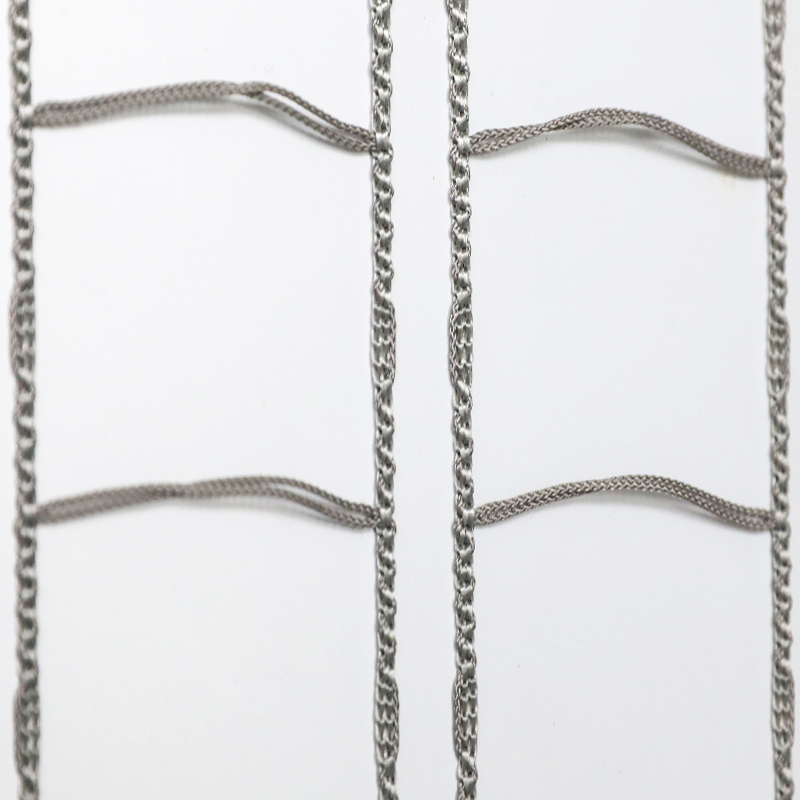
Ultrasonic cleaning uses high-frequency sound waves (typically 25–40 kHz) transmitted through a water-based solution to create microscopic cavitation bubbles that implode against soiled surfaces, dislodging contaminants from crevices and fabric structures that physical cleaning cannot reach. This method is particularly effective for cellular shades, intricate fabric Roman blinds, and venetian blinds with heavily soiled cord ladders. Ultrasonic cleaning removes up to 99.9% of contaminants including dust, bacteria, mould spores, and allergens — significantly more effective than manual cleaning for heavily soiled blinds.
Similar to professional carpet cleaning, injection-extraction systems inject a cleaning solution into fabric blind material and immediately extract it along with dissolved soiling — without removing the blind from the window. This method suits large Roman blinds, fixed pleated shades, and commercial vertical fabric installations where removal is impractical. Results are better than spot cleaning but below ultrasonic quality for heavily soiled blinds.
Professional cleaning is worth considering for blinds that: have not been cleaned in more than two years; show visible mildew that has penetrated deep into fabric; are expensive or difficult to replace; or are made of delicate materials (silk, linen, embroidered fabric) where home cleaning risk is high. The cost of professional cleaning — typically £20–£60 per blind in the UK, or $25–$80 in the US — is almost always less than the cost of replacement for quality blinds.
If you are selecting new blinds with maintenance ease as a priority — particularly for kitchens, bathrooms, homes with children, or rental properties — the material choice makes a dramatic difference to long-term cleaning effort.
Matching the blind type to the room's environment — rather than selecting purely on aesthetics — reduces both the frequency and complexity of cleaning required, and extends the functional lifespan of the blinds significantly.