 "navigation"


02
Content
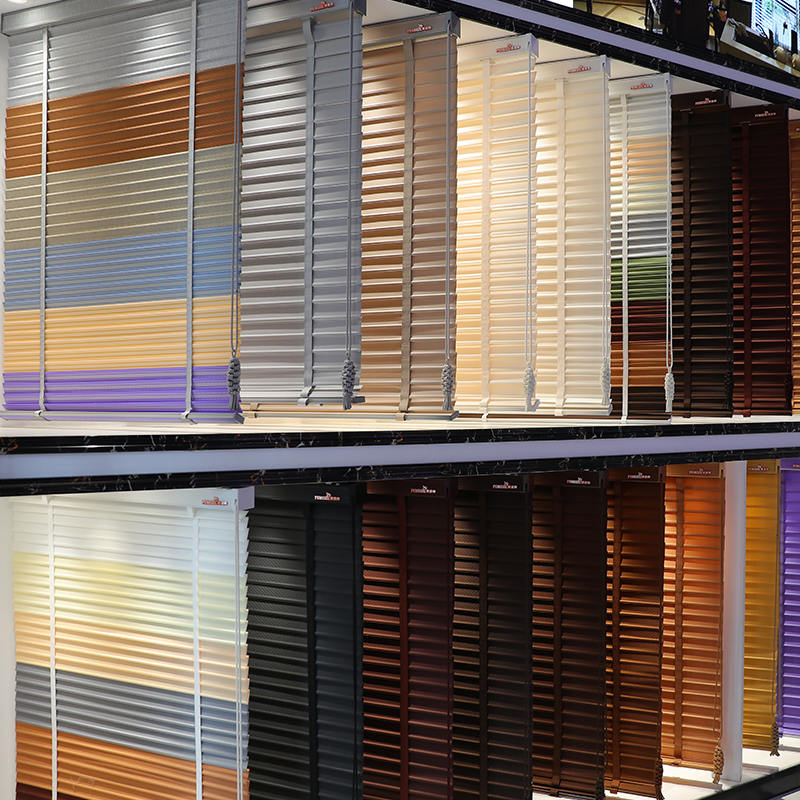
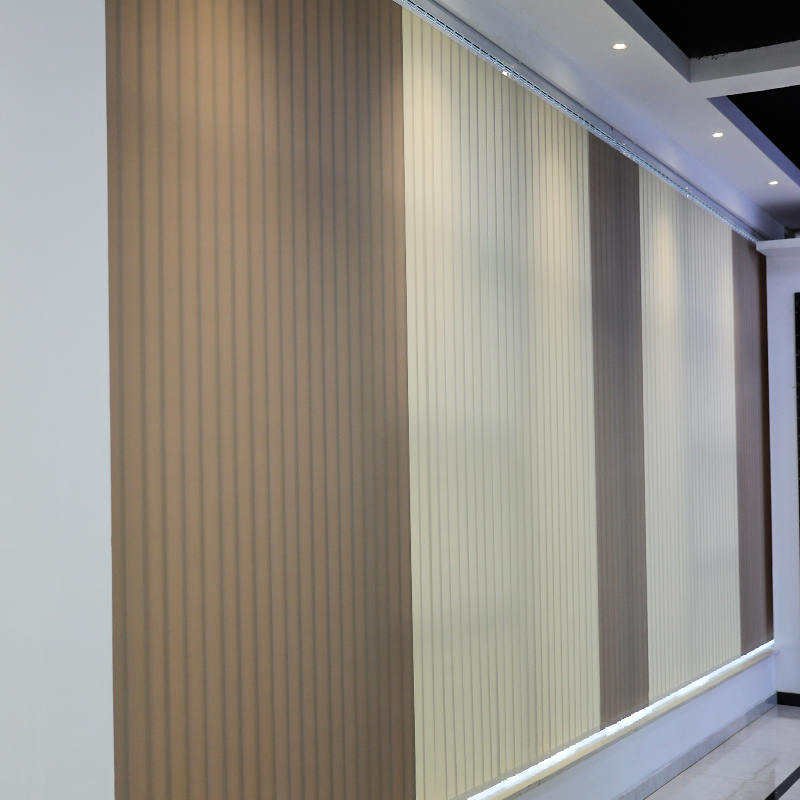
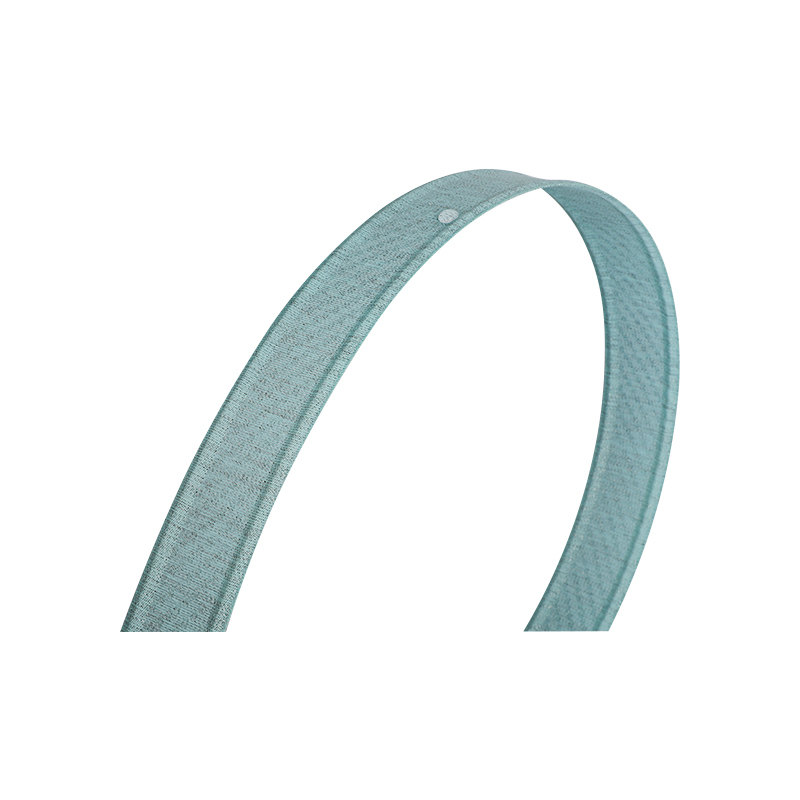
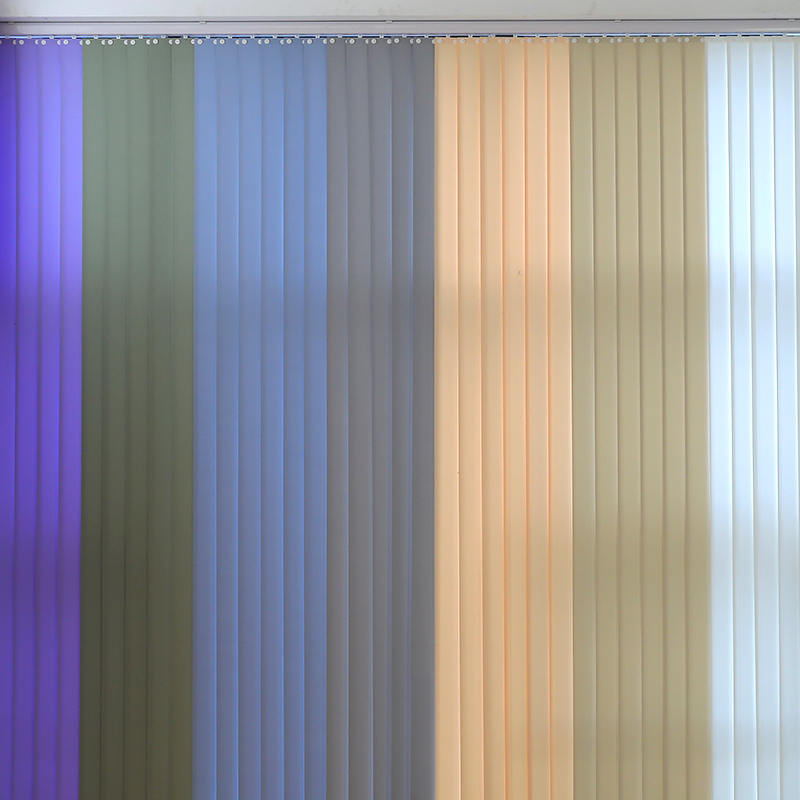
Fabric blinds slats are the individual horizontal or vertical vanes made from woven or coated textile material that make up vertical and panel-style window blinds. Unlike rigid materials such as aluminum, wood, or PVC, fabric slats offer a softer visual texture and greater flexibility in light filtering, allowing them to diffuse sunlight gently rather than blocking or reflecting it sharply.
These slats are typically inserted into a heading track system that allows them to rotate for light control or slide together for full closure, similar to traditional vertical blinds but with the added softness and design versatility that fabric provides over harder materials. Because fabric slats can be produced in a vast range of colors, textures, and opacities, they offer more customization potential than most rigid slat alternatives.
Rigid slats made from PVC or aluminum tend to produce harder shadow lines and a more clinical aesthetic, while fabric slats soften the light entering a room and blend more naturally with soft furnishings like curtains and upholstery. This makes fabric slats a popular choice in residential settings where a warmer, more textile-driven interior look is desired.
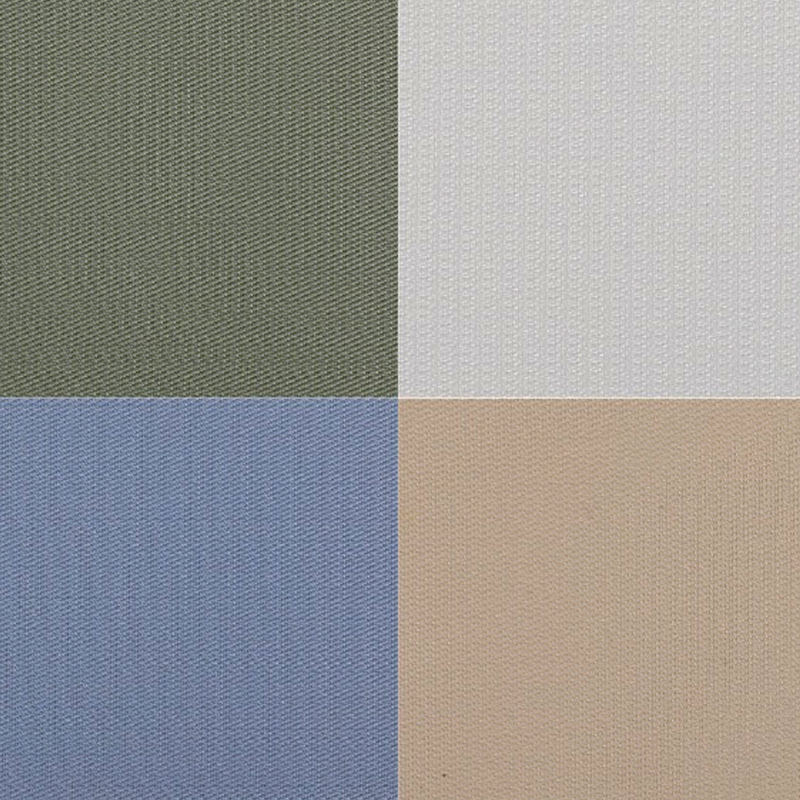
Fabric slats are manufactured from various textile compositions, each offering different levels of light control, durability, and maintenance requirements. Selecting the right fabric type depends on the room's function and the desired balance between privacy and natural light.
| Fabric Type | Light Control Level | Best Suited For |
| Sheer Fabric | Light filtering | Living rooms, spaces wanting soft natural light |
| Polyester Blend | Moderate filtering | General residential and office use |
| Blackout Coated Fabric | Full light blocking | Bedrooms, media rooms, night shift sleepers |
| Textured Weave | Light to moderate filtering | Decorative accent rooms, dining areas |
Sheer fabric slats work well in living spaces where maintaining a bright, airy atmosphere is a priority, while blackout coated slats are better suited to bedrooms or home theaters where complete light control is necessary for comfort or optimal viewing conditions.
Fabric slats are commonly used across residential and light commercial settings where both light control and aesthetic softness are desired. Their flexibility in width and opacity makes them adaptable to a wide range of window sizes and orientations.
Several factors influence how well fabric slats perform over time, including fabric weight, weave density, and any applied coatings. Heavier, more densely woven fabrics tend to hold their shape better and resist sagging, while lighter sheer fabrics may require more frequent adjustment to maintain even spacing between slats.
Coatings applied to the fabric surface, such as those used for blackout or stain resistance, can also affect how the slats drape and move within the track system. Buyers should consider whether the added functionality of a coating outweighs any potential stiffness it introduces to the fabric's natural movement.
Many fabric slat systems include a weighted chain running along the bottom of each slat to keep them hanging straight and prevent excessive swaying from air currents or drafts. This feature is particularly useful for taller windows or installations near frequently opened doors.
When selecting fabric blinds slats, requesting a physical fabric sample before purchasing is highly recommended, since color and texture can appear differently in person compared to online photographs, particularly under varying room lighting conditions. Buyers should also confirm the slat width compatibility with their existing or planned track system to ensure proper fit and smooth operation.
Routine maintenance for fabric slats typically involves regular dusting with a soft brush attachment or microfiber cloth, since built-up dust can be more visible on textured or light-colored fabrics. For deeper cleaning, most fabric slats can be spot cleaned with a mild detergent solution, though checking manufacturer care instructions first is important to avoid damaging any applied coatings or causing uneven shrinkage.