 "navigation"


02
Content
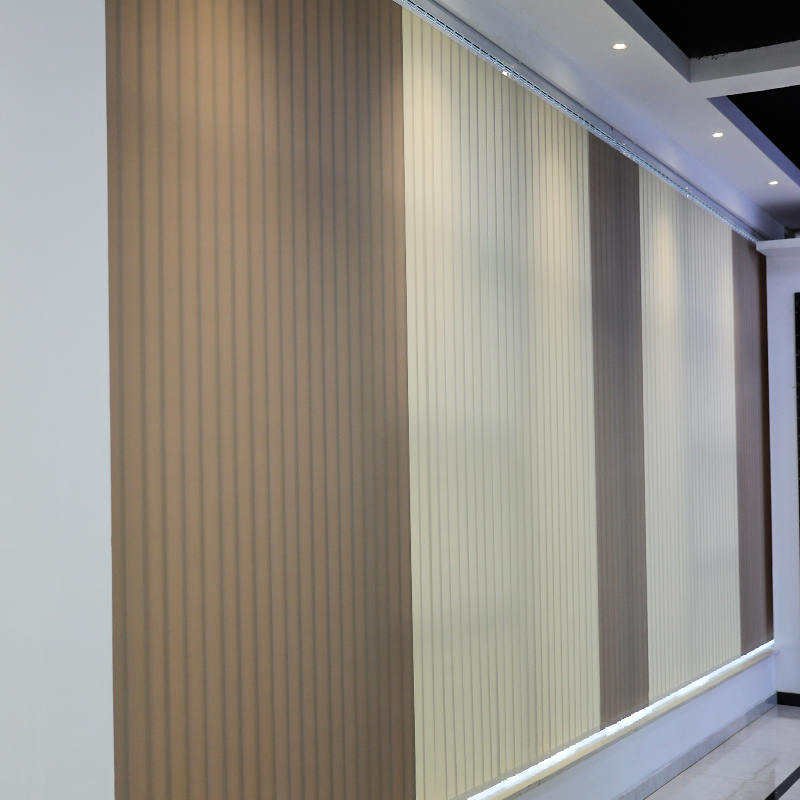
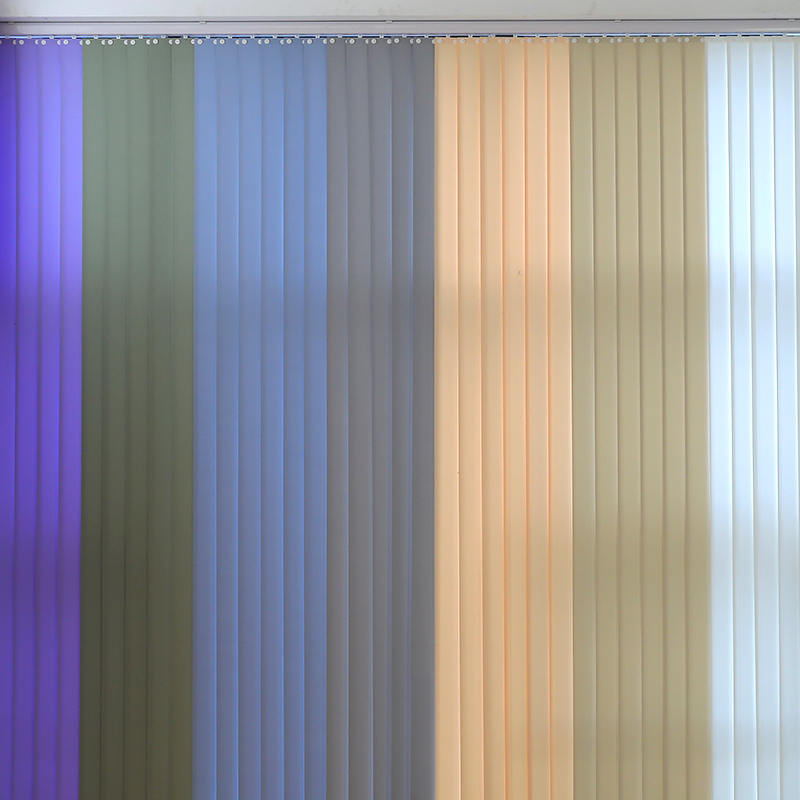
Vertical fabric blind slats, also known as vanes or louvers, represent a sophisticated window covering solution that combines functionality with aesthetic versatility. These slats typically measure between three and a half to four inches in width, though specialty options extend from two inches to six inches depending on window size and design preferences. The vertical orientation differentiates these slats from traditional horizontal blinds, creating a distinctive appearance that particularly suits sliding glass doors, large windows, and contemporary architectural spaces where clean vertical lines enhance the overall design aesthetic.
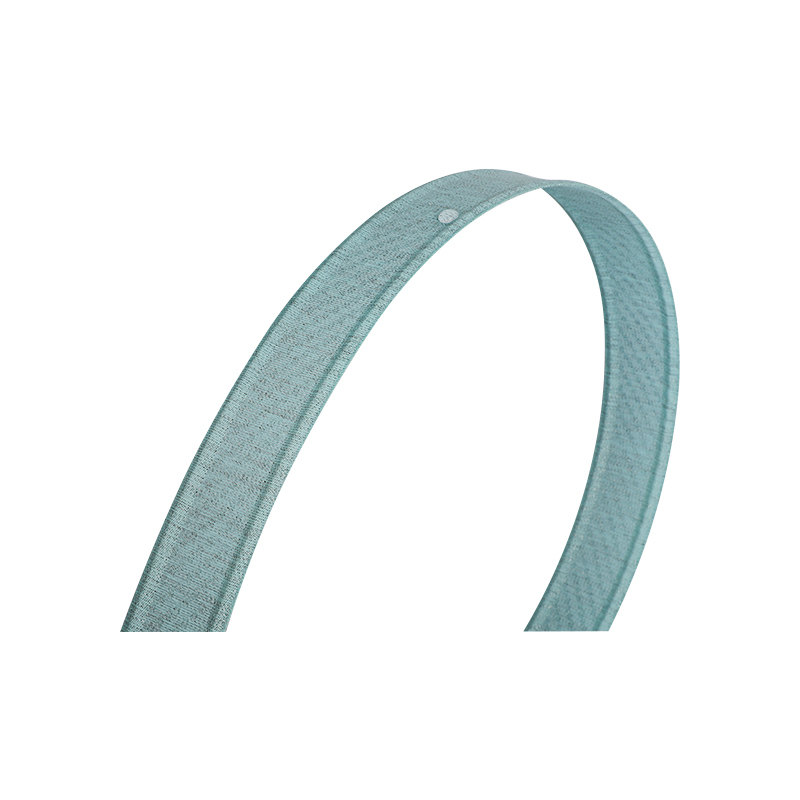
The construction of vertical fabric slats involves multiple layers that work together to provide light control, privacy, and durability. The face fabric forms the visible exterior surface, available in textures ranging from smooth polyester to textured jacquard weaves, linen-look finishes, and embossed patterns that add dimensional interest. Behind this decorative layer lies a stabilizing core, typically constructed from rigid PVC, fiberglass-reinforced material, or aluminum inserts that maintain the slat's straight vertical profile and prevent warping or curling over time, even in high-humidity environments near bathrooms or in coastal locations.
The backing material on vertical fabric slats serves critical functional purposes beyond structural support, including light blocking, insulation enhancement, and protection of the decorative face fabric from ultraviolet degradation. White or light-colored backings maximize light reflection when slats are rotated to the closed position, improving energy efficiency by reducing heat gain during summer months. Some premium vertical blind slats incorporate thermal backing layers with enhanced insulation properties, creating an effective barrier against heat transfer that can reduce energy costs while maintaining comfortable interior temperatures throughout seasonal variations.
Polyester fabric dominates the vertical blind slat market due to its exceptional balance of durability, affordability, and aesthetic flexibility. This synthetic material resists fading from sunlight exposure significantly better than natural fibers, maintains dimensional stability across temperature fluctuations, and tolerates regular cleaning without shrinking or degrading. Polyester vertical slats accept dyes readily, enabling manufacturers to produce extensive color palettes ranging from neutral whites and beiges to bold designer colors, with options for custom color matching available for specific interior design requirements.
PVC-coated fabric slats offer superior moisture resistance compared to standard polyester options, making them ideal for high-humidity environments including bathrooms, kitchens, pool areas, and coastal properties where salt air exposure occurs. The vinyl coating creates a protective barrier that prevents moisture penetration into the fabric substrate, inhibiting mold and mildew growth while simplifying cleaning and maintenance procedures. These slats wipe clean with damp cloths, resisting stains from cooking grease, bathroom condensation, and environmental pollutants that might permanently mark untreated fabric surfaces.
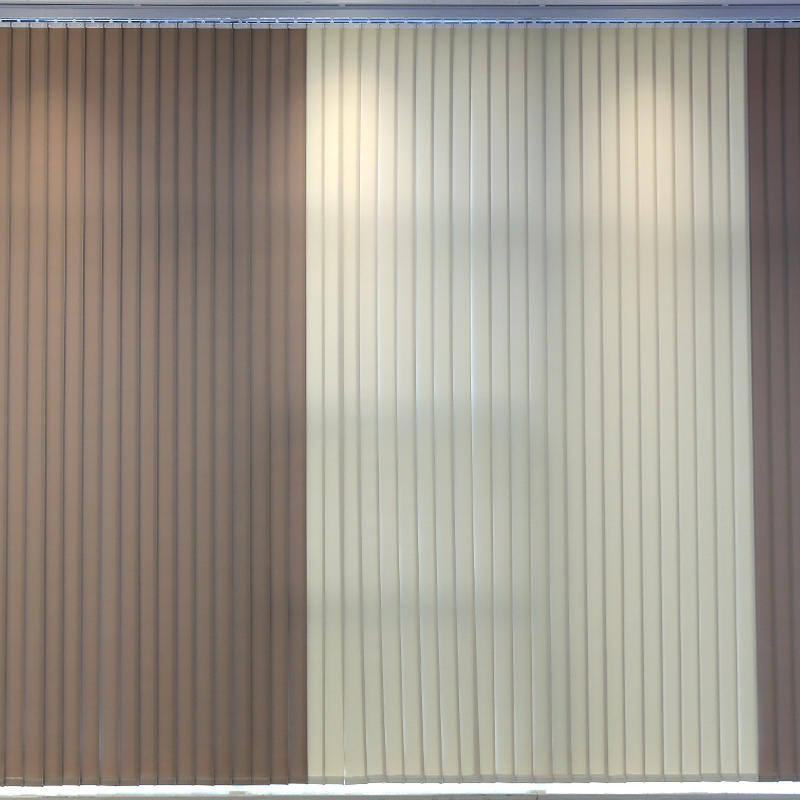
Blackout fabric vertical slats incorporate multiple layers of light-blocking materials, including foam cores or tightly woven opaque fabrics that eliminate light transmission when rotated to the closed position. These specialized slats prove particularly valuable in bedrooms, home theaters, shift-worker residences, or any space requiring complete darkness control. The light-blocking performance is measured by opacity percentage, with true blackout slats achieving ninety-five to one hundred percent opacity, while room-darkening options provide eighty to ninety-five percent light reduction suitable for most residential applications.
| Material Type | Durability Rating | Moisture Resistance | Best Applications |
| Standard Polyester | High | Moderate | Living rooms, bedrooms, offices |
| PVC-Coated Fabric | Very High | Excellent | Bathrooms, kitchens, humid areas |
| Blackout Fabric | High | Moderate | Bedrooms, home theaters |
| Textured Jacquard | Moderate-High | Low-Moderate | Formal spaces, designer interiors |
| Solar Screen | Very High | Excellent | Sun-facing windows, heat control |
Accurate window measurements form the foundation for successful vertical blind installation, determining both the headrail length and the slat drop required to achieve proper coverage and operation. For inside-mount installations where the headrail fits within the window frame, measure the width at three points—top, middle, and bottom of the opening—using the narrowest measurement to ensure adequate clearance. Deduct one-quarter inch from this measurement to accommodate mounting brackets and allow smooth slat traversing without friction against the window frame sides.
Vertical slat length, referred to as the drop, requires measuring from the proposed headrail position to the desired ending point, typically the floor or windowsill. For floor-length installations common with sliding glass doors, measure from the headrail mounting position to within one-half inch of the floor surface, preventing slat dragging while minimizing the gap that allows light penetration and reduces privacy. If obstacles such as heating vents, furniture, or architectural features exist below the window, adjust the drop measurement accordingly to prevent interference with slat operation when traversed or rotated.
Outside-mount configurations, where the headrail mounts on the wall above and beyond the window frame, require different measurement considerations to ensure adequate coverage. Extend the width measurement at least two inches beyond each side of the window frame to prevent light gaps when slats are rotated closed, with four to six inches of overlap recommended for maximum light control and privacy. The drop measurement for outside mounts should extend from the headrail mounting position to at least two inches below the windowsill or to the floor, maintaining proportional appearance while ensuring complete window coverage.
Vertical fabric blind slats connect to the headrail track through specialized carriers or hangers that enable both rotation for light control and lateral traversing for opening and closing the blind. The most common attachment system utilizes a stem that projects from the top of each slat, inserting into a rotating carrier within the headrail track. This stem may be sewn into a fabric pocket at the slat top, heat-welded to PVC-backed slats, or clipped onto the slat using mechanical fasteners, with each method offering different levels of security and ease of replacement.
The bottom of each slat requires weighting to maintain vertical orientation and prevent wind-caused fluttering or tangling, particularly important for slats covering doorways subject to air movement from opening and closing. Traditional chain weights slip into pockets sewn or heat-sealed at the bottom of fabric slats, while newer designs incorporate rigid PVC or aluminum bottom rails that provide superior weight distribution and enhanced slat stability. Bottom weights connect adjacent slats through small chain links, maintaining consistent spacing while allowing individual slat rotation, creating the characteristic light-control functionality of vertical blinds.
Operating controls for vertical fabric blinds include wand mechanisms for rotating slats to adjust light entry and cord or chain systems for traversing slats across the window opening. The wand attaches to the lead slat carrier, and rotating the wand ninety to one hundred eighty degrees rotates all slats simultaneously through the interconnected gear system within the headrail. Cordless operating systems, increasingly popular for child safety and clean aesthetic appearance, eliminate hanging cords through spring-loaded or motorized mechanisms that respond to manual slat manipulation or wall-mounted control switches.
Regular cleaning of vertical fabric blind slats prevents dust accumulation that dulls appearance and potentially affects operation smoothness. For routine maintenance, use a vacuum cleaner with a soft brush attachment set to low suction, working from top to bottom along each slat while supporting the slat with your free hand to prevent stress on the hanging mechanism. This dry cleaning method, performed weekly or biweekly depending on environmental conditions, removes surface dust before it embeds in fabric texture, maintaining fresh appearance and preventing buildup that requires more aggressive cleaning interventions.
Spot cleaning addresses localized stains without subjecting entire slats to moisture exposure that might cause watermarks or dimensional changes. Mix mild dish soap with lukewarm water, creating minimal suds, then apply the solution to stained areas using a soft cloth or sponge with gentle dabbing motions rather than rubbing, which can damage fabric texture or spread stains. Blot treated areas with clean, dry cloths to remove excess moisture, then allow complete air drying before rotating slats to closed position, preventing moisture transfer between adjacent slats that creates water marks or mildew growth.
Deep cleaning of heavily soiled vertical fabric slats may require complete removal from the headrail for thorough washing, though this process demands careful attention to manufacturer specifications regarding acceptable cleaning methods. Some fabric slats tolerate hand washing in bathtub filled with lukewarm water and mild detergent, requiring gentle agitation without twisting or wringing that damages internal stiffeners. PVC-backed slats often clean more effectively with simple wiping using all-purpose cleaner, avoiding immersion that might compromise adhesive bonds between fabric and backing materials. After any wet cleaning, slats must dry completely in horizontal position to prevent water marks and maintain dimensional stability before reinstallation.
Individual slat replacement allows cost-effective repair of vertical blinds without complete system replacement when damage affects only specific slats. Common slat damage includes tears or holes from pet claws or caught objects, permanent staining from spills or environmental exposure, warping from moisture or heat exposure near windows with direct sunlight, and fading where certain slats receive disproportionate sun exposure creating mismatched appearance. Identifying the specific slat style, width, and color enables ordering exact replacements that integrate seamlessly with existing slats.
Removing damaged slats begins with rotating all slats to the open position, providing access to the headrail carriers. Unhook the bottom weight chain connector from the damaged slat, then remove the bottom weight from its pocket or detach the bottom rail if applicable. At the slat top, carefully disengage the stem from the carrier, noting the insertion mechanism for proper reinstallation. The process reverses for installing replacement slats, ensuring the stem fully engages the carrier mechanism and the bottom weight hangs freely without tangling with adjacent slats.
When exact replacement slats prove unavailable due to discontinued patterns or manufacturer changes, strategic slat repositioning can minimize visual impact of slight color or texture variations. Position replacement slats at the window edges where they stack when the blind opens, making subtle differences less noticeable during typical use. Alternatively, if multiple slats require replacement, consider alternating original and new slats in a deliberate pattern that creates an intentional design feature rather than appearing as mismatched repairs, particularly effective when transitioning to complementary colors or updated patterns.
Custom printed vertical fabric slats transform functional window coverings into personalized design statements, incorporating photographs, artwork, corporate logos, or custom patterns that reflect individual style preferences or branding requirements. Digital printing technology enables high-resolution image transfer onto fabric slat surfaces, with UV-resistant inks ensuring longevity and fade resistance comparable to standard dyed fabrics. This customization option particularly appeals to commercial applications where branded environments reinforce corporate identity, or residential installations where personalized artwork creates unique interior focal points.
Decorative valances and cornices coordinate with vertical fabric slats to create cohesive, finished window treatment installations that conceal the functional headrail mechanism. Fabric-wrapped valances utilize the same material as the slats, maintaining color and texture continuity, while contrasting valances in complementary colors or patterns add visual interest and design sophistication. Wooden or composite cornices offer more substantial architectural presence, particularly effective in traditional or transitional interiors where the clean lines of vertical slats benefit from decorative framing that ties the window treatment into the room's overall design vocabulary.
Curved headrail systems adapt vertical fabric blind functionality to bay windows, bow windows, and other non-linear architectural features, maintaining consistent slat operation around gentle radius curves. These specialized tracks require professional measurement and installation to ensure smooth traversing action without binding, but successfully extend vertical blind benefits to window configurations that might otherwise necessitate different treatment types. The slats themselves remain standard straight configurations, with the curved track guiding their movement along the window's contour while maintaining proper spacing and rotation functionality.
Vertical fabric blind slats contribute significantly to residential and commercial energy efficiency through multiple mechanisms that reduce heating and cooling costs while maintaining comfortable interior environments. When rotated to the closed position, overlapping slats create an insulating air space between the window glass and the interior room, reducing convective heat transfer that accounts for substantial energy loss through windows. The effectiveness of this insulation increases with slat width, fabric thickness, and backing material thermal properties, with specialized energy-efficient slats incorporating reflective or insulated backing layers that enhance performance beyond standard options.
Solar heat gain control represents a critical energy efficiency function in climates with significant cooling requirements, where unwanted heat entering through windows substantially increases air conditioning loads. Light-colored vertical slats reflect solar radiation before it penetrates into the interior space, reducing heat gain by up to seventy-eight percent compared to unshaded windows when slats remain in the closed position during peak sun exposure hours. Combining reflective slat surfaces with openness factors that allow view-through while blocking direct solar rays optimizes the balance between natural light admission and heat control, maintaining bright interiors without the thermal penalty of uncontrolled solar exposure.
Glare reduction through vertical fabric slat adjustment enhances visual comfort and reduces eye strain in work environments, home offices, and living spaces where television viewing or computer use occurs near windows with direct sunlight exposure. The ability to rotate slats to precise angles enables users to redirect incoming light toward ceilings for indirect illumination, eliminating harsh direct sunlight while maintaining adequate natural light levels for activities. This adjustability surpasses fixed window treatments that offer only open or closed configurations, providing nuanced control that adapts to changing sun angles throughout the day and seasonal variations in solar elevation.