 "navigation"


02
Content
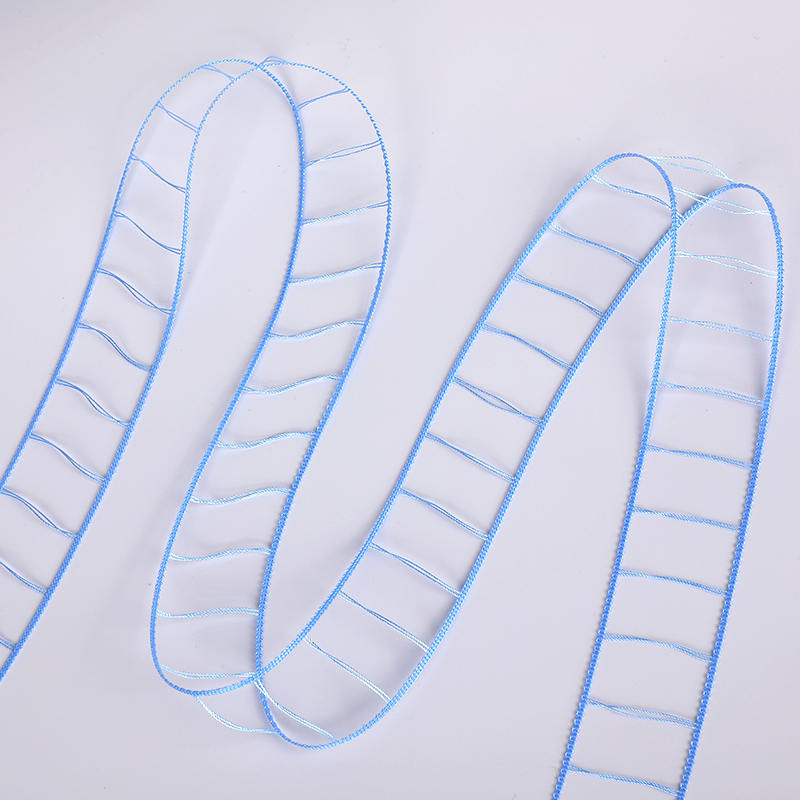
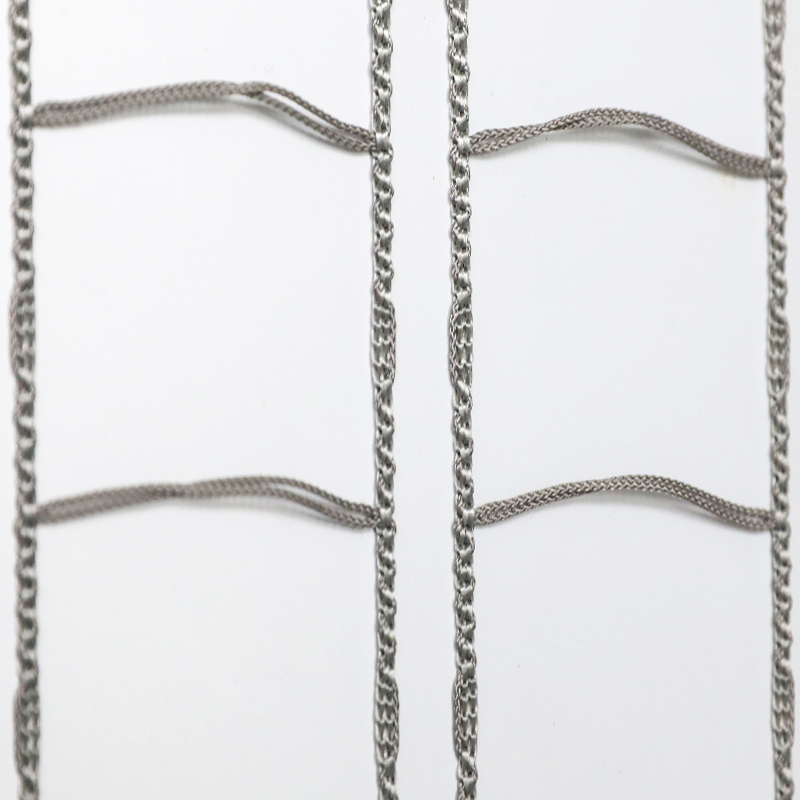
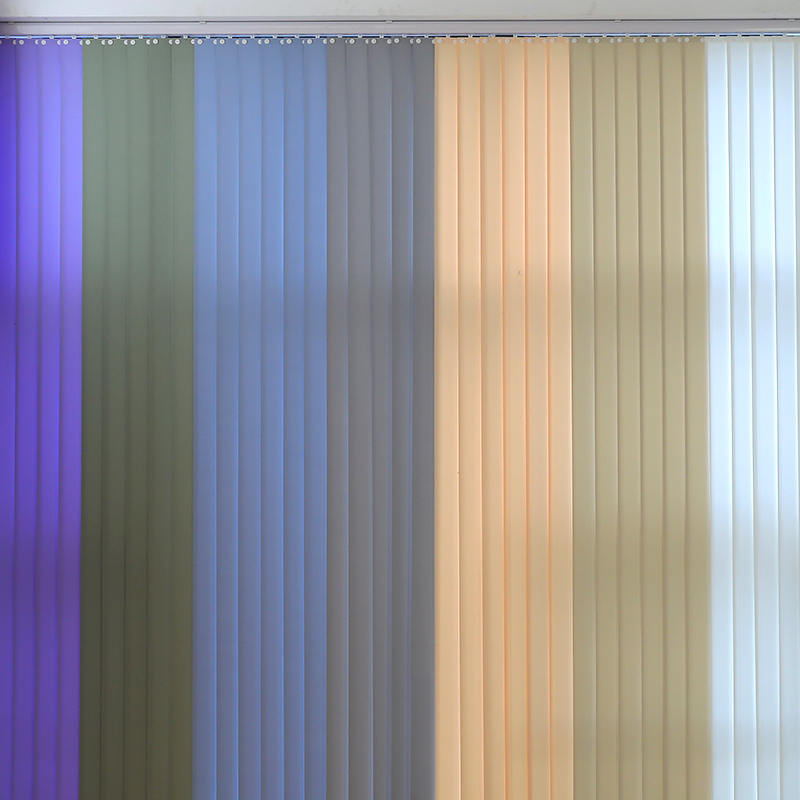
Fabric blinds slats are an increasingly popular alternative to traditional PVC or aluminum slats, especially in residential and commercial interiors that prioritize comfort, aesthetics, and functional versatility. Unlike rigid slats, fabric slats are typically constructed from woven textiles, polyester blends, or coated fabrics that provide softness while maintaining structural stability.
When comparing fabric blinds slats with PVC or aluminum options, the differences extend far beyond appearance. Factors such as light diffusion, acoustic performance, thermal comfort, and design adaptability play a significant role in why fabric slats are often preferred in modern spaces.
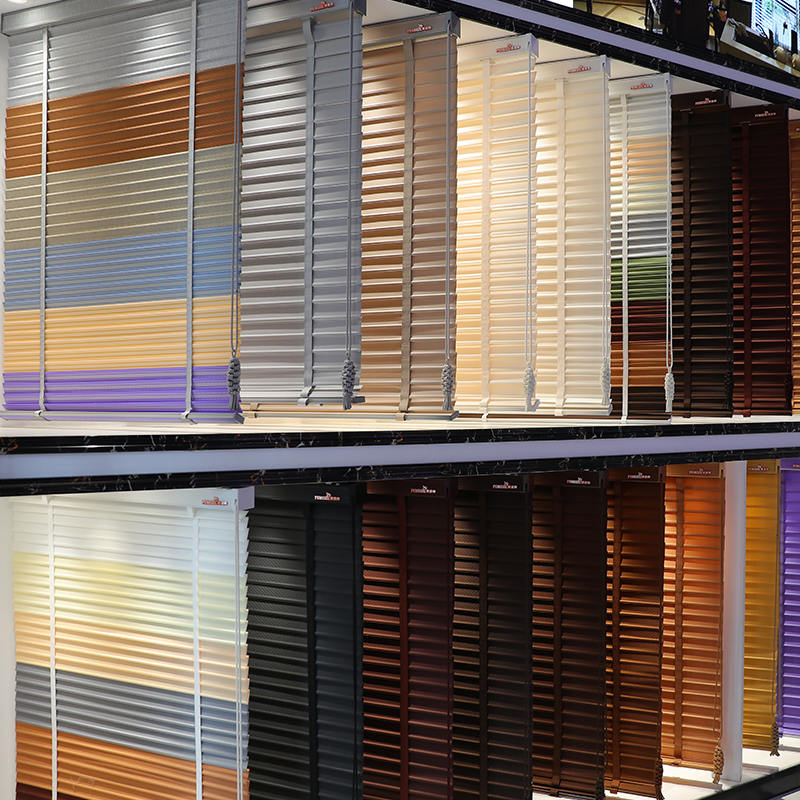
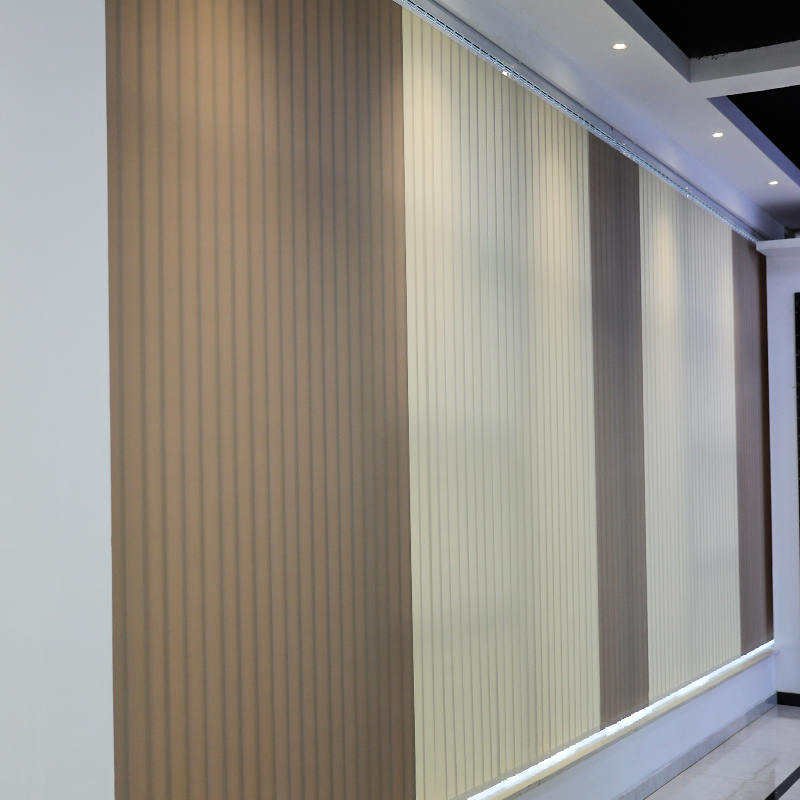
One of the most notable advantages of fabric blinds slats is their visual softness. Fabric introduces texture, depth, and warmth that rigid materials like PVC or aluminum cannot replicate. This makes fabric slats particularly suitable for living rooms, bedrooms, hotels, and offices where a welcoming atmosphere is essential.
Fabric blinds slats are available in a wide range of colors, patterns, and weaves. This allows designers and homeowners to coordinate window treatments seamlessly with furniture, flooring, and wall finishes, creating a cohesive interior style rather than a purely functional installation.
Unlike PVC or aluminum slats, which are often limited to solid colors or metallic finishes, fabric slats can be customized with printed patterns, textured weaves, and layered designs. This level of customization supports both minimalist and decorative interior concepts.
Fabric blinds slats excel in light diffusion. Instead of reflecting or sharply blocking sunlight like aluminum slats, fabric gently filters light, reducing glare while maintaining a bright and comfortable environment. This is particularly beneficial in spaces used for work, relaxation, or entertainment.
PVC slats often allow light leakage through gaps or create harsh contrasts, while aluminum slats can cause reflective glare. Fabric slats balance privacy and illumination more effectively by softening incoming light.
Sound management is an often-overlooked aspect of window treatments. Fabric blinds slats naturally absorb sound waves, helping reduce echo and noise reflection within a space. This makes them particularly valuable in offices, conference rooms, apartments, and hospitality environments.
In contrast, PVC and aluminum slats tend to reflect sound due to their hard surfaces, potentially contributing to a noisier indoor environment. Fabric slats support a calmer and more acoustically comfortable atmosphere.
Fabric blinds slats offer better insulation properties than PVC or aluminum alternatives. The textile structure helps reduce heat transfer through windows by limiting direct sunlight penetration in summer and reducing heat loss in cooler seasons.
Aluminum slats, while durable, conduct heat and cold efficiently, which can negatively affect indoor temperature stability. Fabric slats contribute to a more consistent indoor climate, supporting energy-saving efforts and improved occupant comfort.
| Slat Material | Light Control | Thermal Performance |
| Fabric | Soft diffusion | Good insulation |
| PVC | Moderate blocking | Limited insulation |
| Aluminum | Reflective | Poor insulation |
Fabric blinds slats are lighter and more flexible than PVC or aluminum slats, resulting in smoother and quieter operation. When adjusting the blinds, fabric slats do not produce the clattering noise often associated with metal slats.
Additionally, fabric slats reduce the risk of sharp edges or bending damage. This makes them a safer option for homes with children, elderly occupants, or high-traffic environments.
Modern fabric blinds slats are designed with durability in mind. Many are treated with anti-dust, anti-static, or stain-resistant coatings, making routine maintenance straightforward. Light vacuuming or spot cleaning is often sufficient to keep them in good condition.
PVC slats may discolor over time, especially under prolonged UV exposure, while aluminum slats can dent or bend permanently. Fabric slats tend to age more gracefully, maintaining appearance when properly cared for.
Fabric blinds slats can offer sustainability benefits, particularly when made from recycled fibers or low-impact manufacturing processes. Textile-based slats often require less energy to produce than aluminum and generate fewer environmental concerns during disposal.
For eco-conscious projects, fabric blinds slats align better with green building standards and sustainable interior design goals than conventional plastic or metal alternatives.
Fabric blinds slats are particularly advantageous in spaces where comfort and aesthetics are prioritized over purely utilitarian performance. Their balanced combination of function and style makes them suitable for a wide range of environments.
When compared to PVC or aluminum slats, fabric blinds slats deliver clear advantages in aesthetics, light quality, acoustic comfort, and thermal performance. While rigid slats may suit purely functional or industrial settings, fabric slats address the growing demand for comfort-driven and design-oriented interiors.
By choosing fabric blinds slats, users benefit from a more pleasant living or working environment without sacrificing practicality. This balance of form and function explains why fabric blinds slats continue to gain popularity across residential and commercial applications.