 "navigation"


02
Content
Vertical fabric blinds are window coverings made from soft textile vanes that hang vertically from a headrail and rotate to control light and privacy. They are commonly used for large windows, patio doors, sliding doors, and office partitions. Compared to vinyl or aluminum vertical blinds, fabric options focus more on comfort, aesthetics, and interior harmony rather than purely utilitarian performance.
Vinyl and aluminum vertical blinds are typically selected for durability, moisture resistance, and cost efficiency. However, fabric vertical blinds have gained popularity in residential and commercial interiors where design quality, acoustic comfort, and visual softness are important considerations.
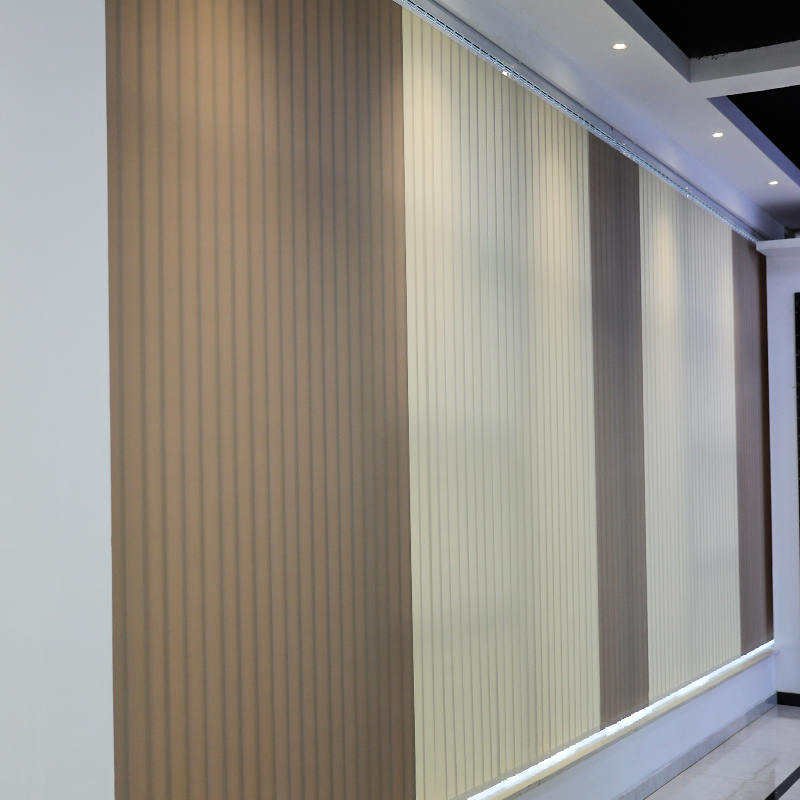
One of the strongest benefits of fabric vertical blinds is their visual softness. Fabric vanes diffuse light gently, creating a warmer and more inviting atmosphere compared to the harder, reflective surfaces of vinyl or aluminum blinds. This makes them particularly suitable for living rooms, bedrooms, hotels, and executive offices.
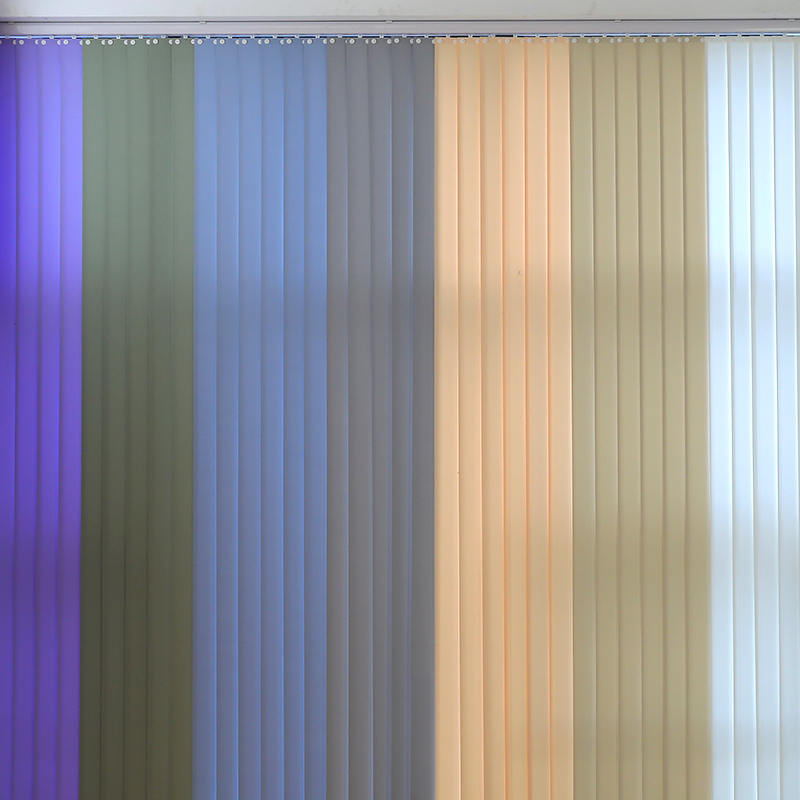
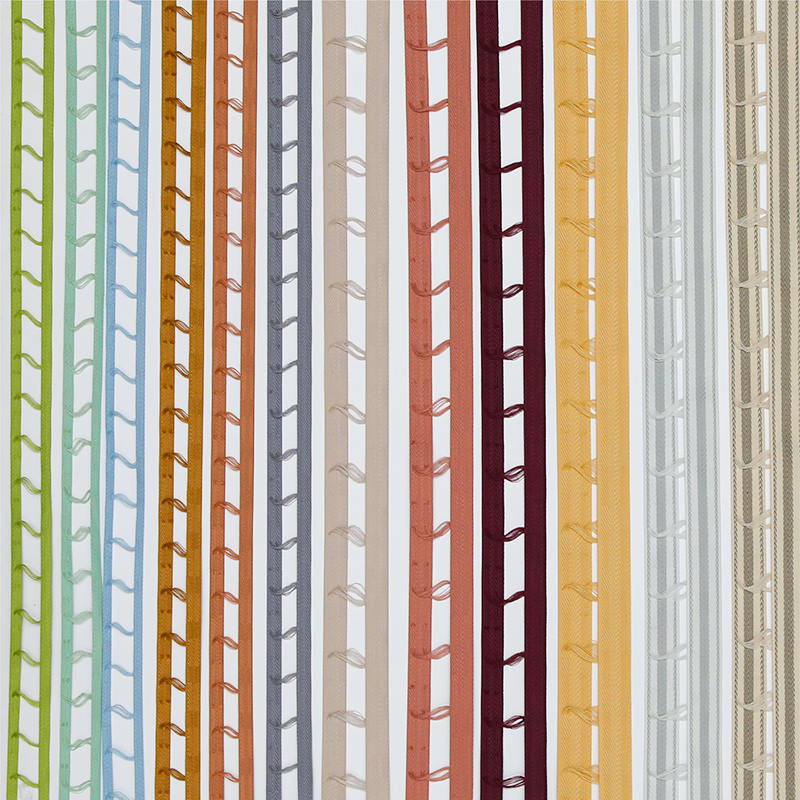
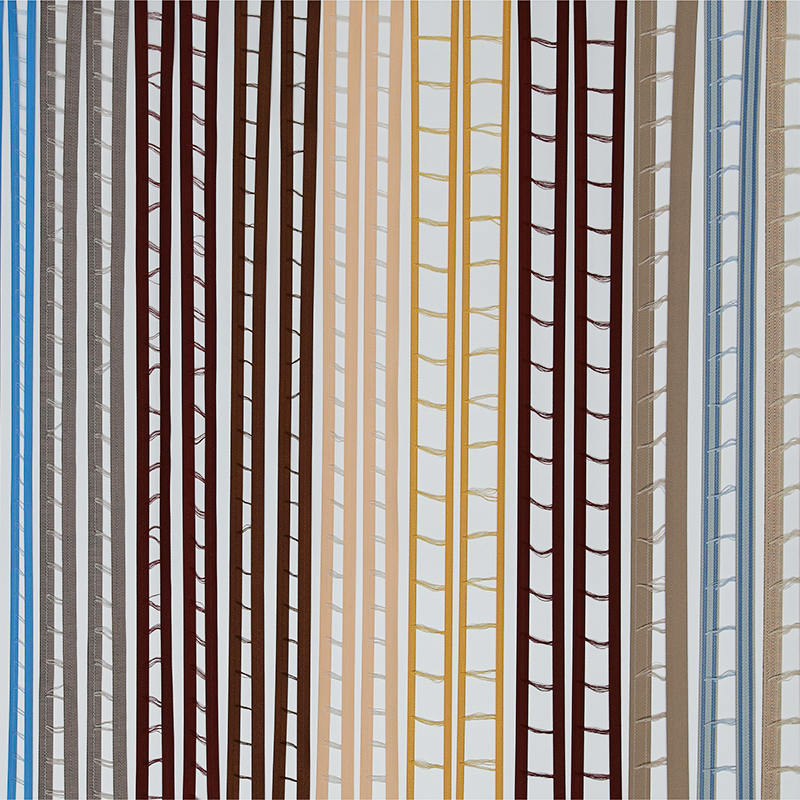
Fabric vertical blinds are available in a wide range of colors, textures, patterns, and weave densities. This design flexibility allows them to blend seamlessly with furniture, flooring, and wall finishes, rather than standing out as a purely functional element.
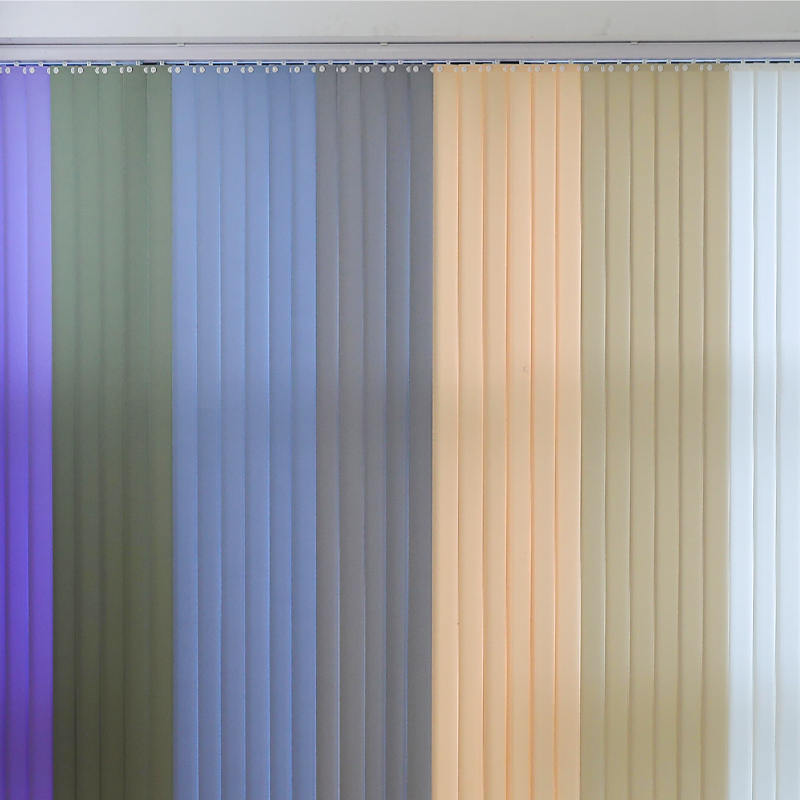
Fabric vertical blinds offer superior light diffusion compared to vinyl or aluminum. While all vertical blinds allow vane rotation to control light direction, fabric materials soften incoming daylight instead of reflecting or blocking it abruptly. This results in a more balanced brightness level within the room.
In spaces where visual comfort is important, such as home offices or conference rooms, fabric vertical blinds help reduce eye strain caused by sharp contrasts between light and shadow. Vinyl and aluminum blinds tend to create stronger light streaks and reflections.
Another key advantage of vertical fabric blinds is their ability to absorb sound. Fabric materials naturally reduce echo and reverberation, making them suitable for rooms with hard surfaces such as tile floors or glass walls. This is especially valuable in offices, meeting rooms, and large living areas.
In contrast, vinyl and aluminum blinds tend to reflect sound rather than absorb it. They may also produce noise when vanes collide due to airflow or movement, which can be distracting in quiet environments.
Fabric vertical blinds contribute to better thermal comfort by adding an insulating layer between the window and the interior space. Certain fabrics are designed to reduce heat gain in summer and limit heat loss during colder months. This helps stabilize indoor temperatures and can support energy-saving efforts.
Vinyl and aluminum blinds provide limited insulation due to their thin, non-porous structure. Aluminum, in particular, can conduct heat, which may reduce overall thermal efficiency near large windows.
| Feature | Fabric Vertical Blinds | Vinyl Vertical Blinds | Aluminum Vertical Blinds |
| Light Diffusion | Soft and even | Moderate | Harsh and reflective |
| Sound Absorption | Good | Low | Very Low |
| Design Options | Extensive | Limited | Minimal |
Fabric vertical blinds provide effective privacy without creating a closed or rigid feeling. The fabric vanes allow subtle light penetration while blocking direct visibility from outside. This balance is particularly valuable for ground-floor rooms and urban apartments.
Additionally, fabric vertical blinds are often used as flexible room dividers in open-plan interiors. Their soft appearance and quiet operation make them more suitable for zoning spaces than vinyl or aluminum alternatives.
Modern fabric vertical blinds are typically treated with anti-static and dust-resistant coatings. Many fabrics are designed for easy spot cleaning or gentle vacuuming. While vinyl and aluminum blinds are often perceived as easier to clean, fabric blinds do not require frequent wiping to maintain a clean appearance.
Fabric vanes also tend to resist visible scratches and dents better than aluminum, which can bend permanently, or vinyl, which may crack over time.
Although fabric vertical blinds may have a slightly higher initial cost, they often provide better long-term value in interior-focused spaces. High-quality fabrics retain color and structure for years, especially in controlled indoor environments.
Vinyl and aluminum blinds excel in high-humidity or industrial settings, but in residential and commercial interiors where comfort and appearance matter, fabric blinds age more gracefully and remain visually appealing.
Fabric vertical blinds are ideal for homeowners and designers who prioritize comfort, design cohesion, and visual softness. They perform particularly well in living rooms, bedrooms, offices, hotels, and hospitality spaces where atmosphere plays a key role.
While vinyl and aluminum options still serve practical purposes in utility areas, the benefits of fabric vertical blinds make them a preferred solution for spaces where both function and aesthetics are equally important.