 "navigation"


02
Content
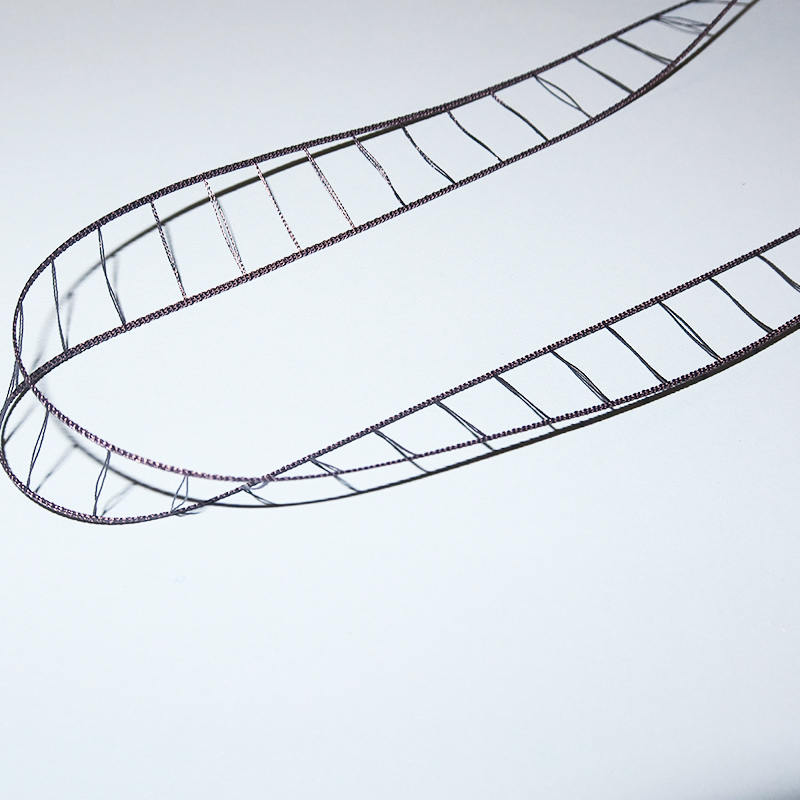
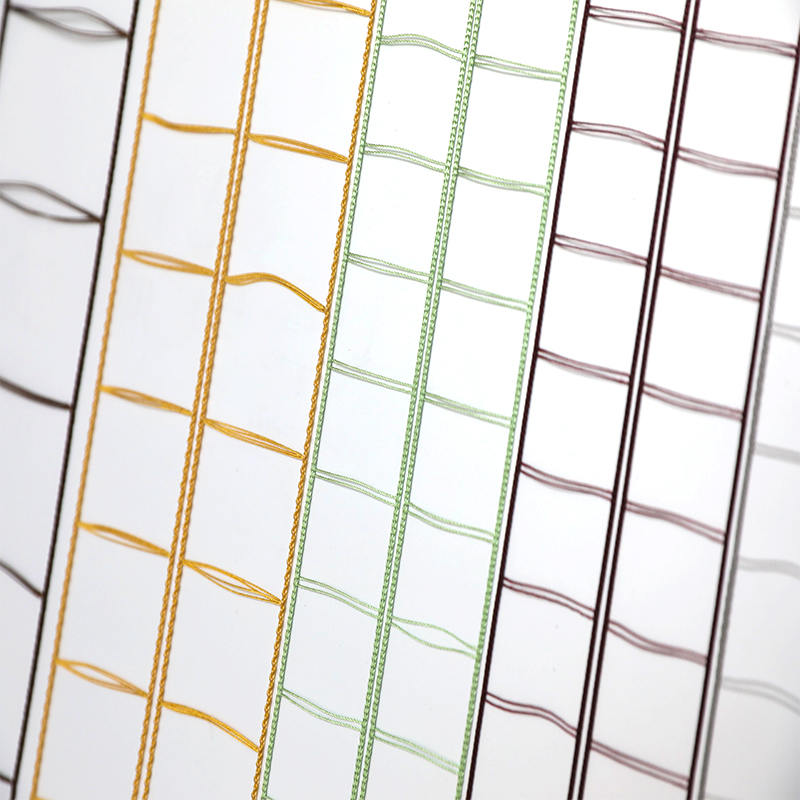
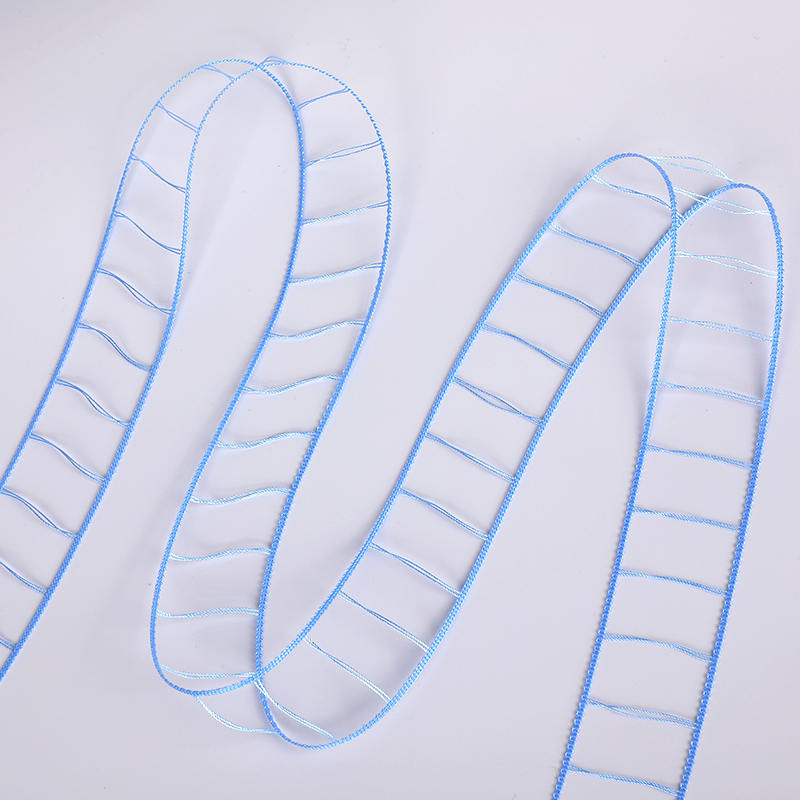
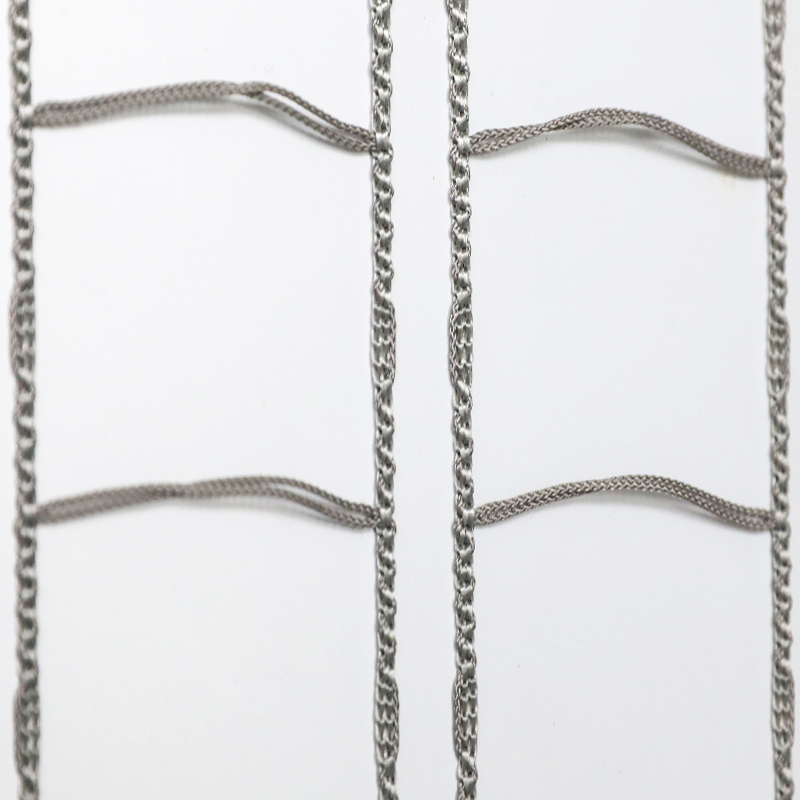
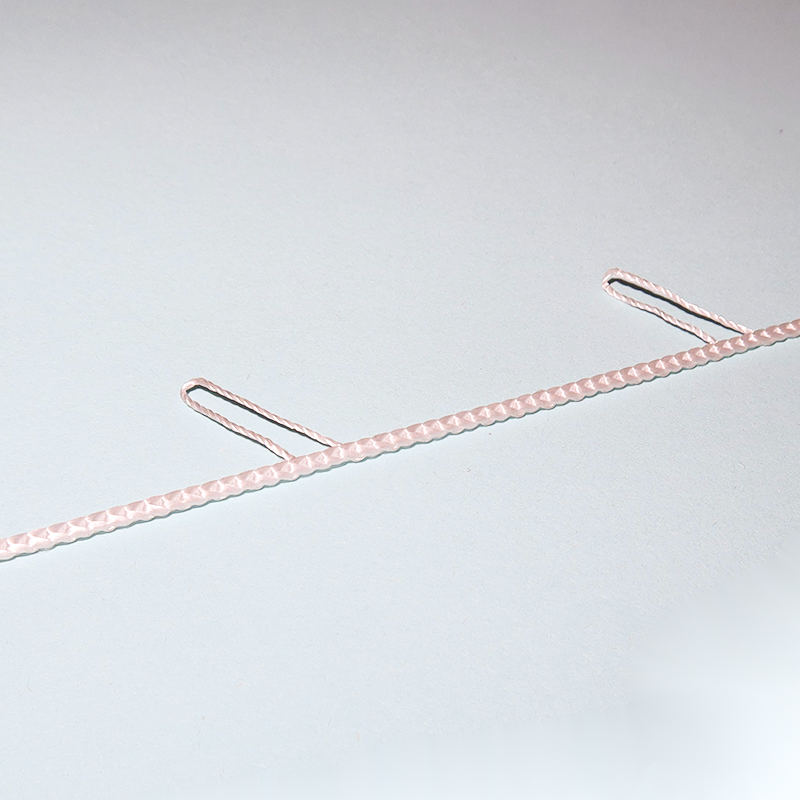
In the blinds industry, the term ladder refers to the support structure that holds the horizontal slats in place and allows them to tilt, raise, and lower smoothly. It is one of the most essential internal components of Venetian blinds, wood blinds, faux wood blinds, and aluminum blinds. The ladder is typically made of thin cords or woven strings arranged in a ladder-like formation, which is where the name comes from.
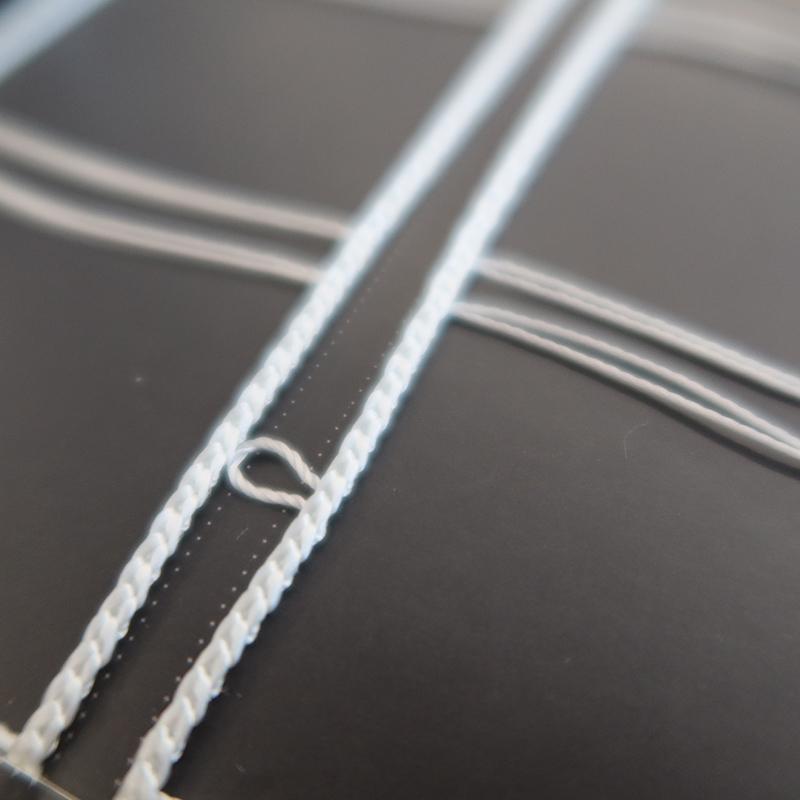
This structure usually consists of two vertical cords connected by evenly spaced horizontal cross strings. Each blind slat rests on these horizontal sections, creating a stable and aligned arrangement. When the tilt mechanism is operated, the ladder cord rotates, changing the angle of the slats to control privacy and light.
Because the ladder is directly responsible for supporting the slats, its strength and spacing significantly affect the overall durability and performance of the blind system.
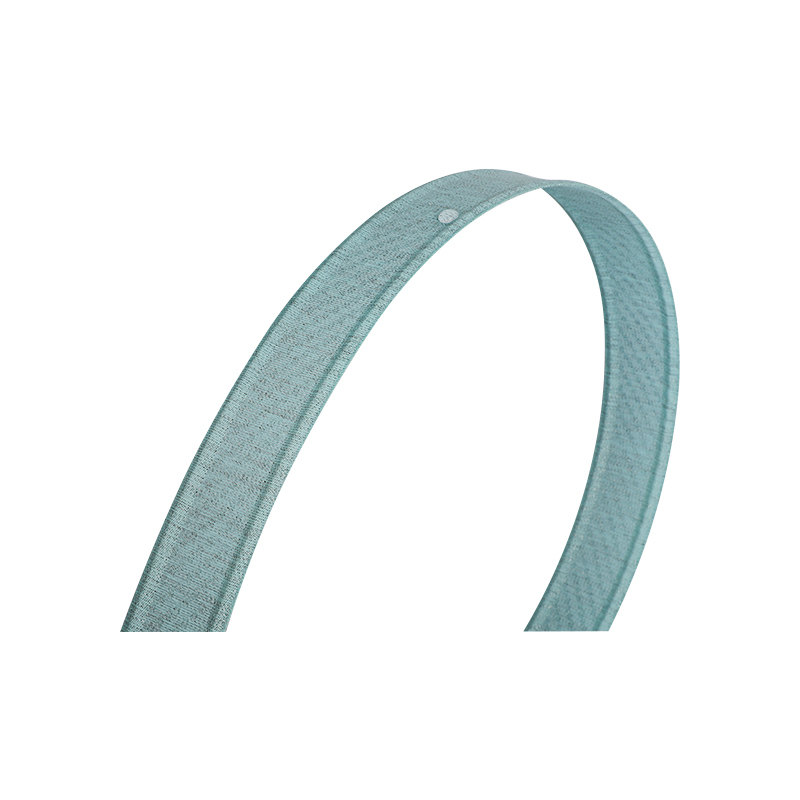
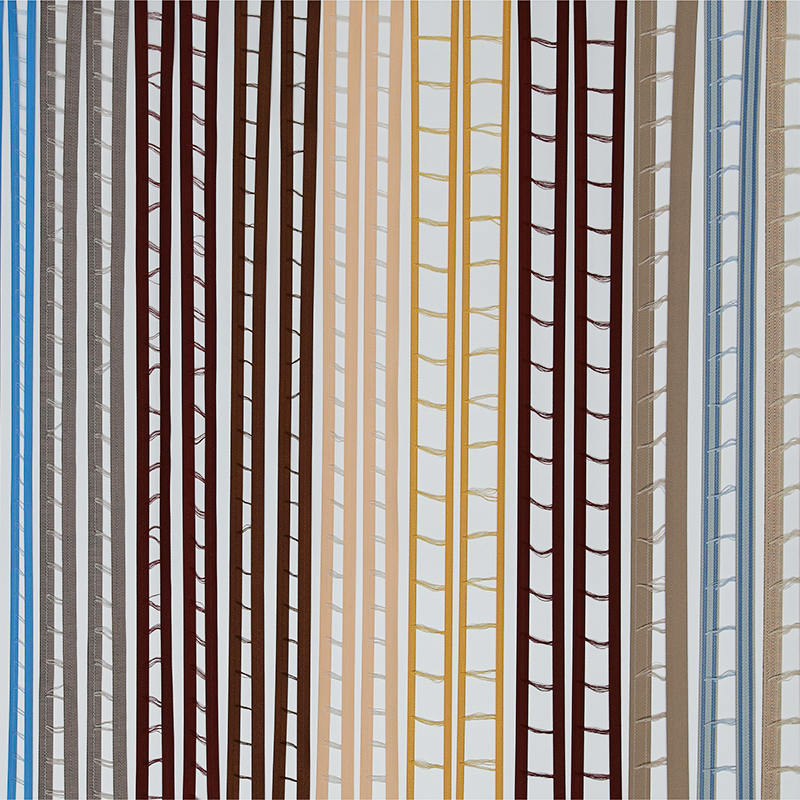
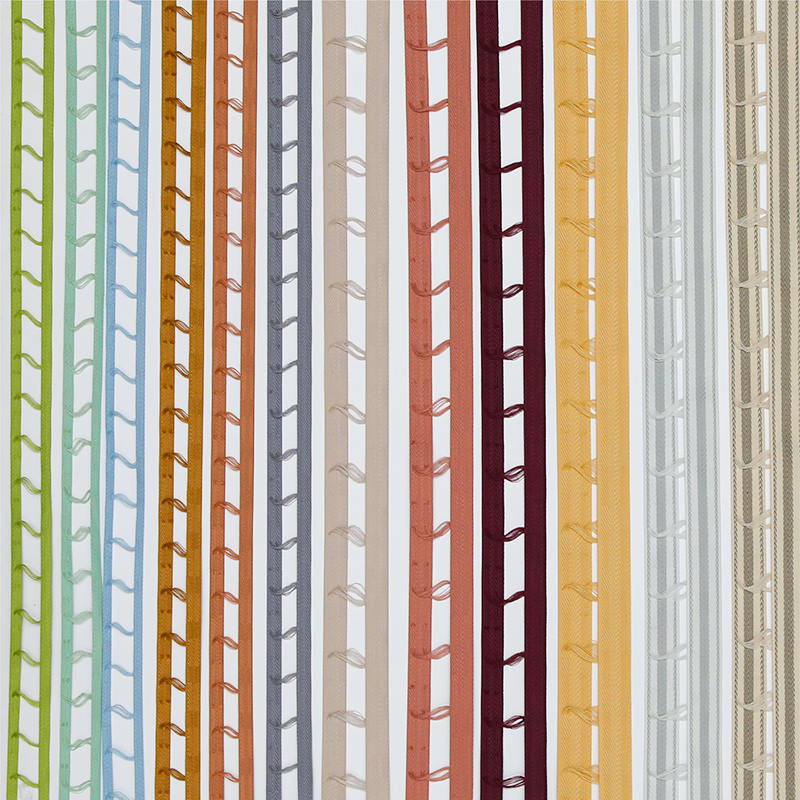
Blinds ladder tape is a wider decorative fabric strip used instead of, or in combination with, standard ladder cords. While it performs the same structural role as a traditional ladder cord, ladder tape is visually more prominent and often chosen for aesthetic purposes.
Instead of thin strings, ladder tape uses woven fabric bands that run vertically from the headrail to the bottom rail. The horizontal pockets or stitched sections support each slat. This gives the blinds a fuller and more elegant appearance while also hiding route holes and internal cords.
Ladder tape is especially common in premium wood blinds, decorative faux wood blinds, and custom interior design projects where visual style matters as much as functionality.
The main difference between a ladder and ladder tape lies in their construction, appearance, and decorative value. Although both serve the same purpose of supporting and tilting blind slats, they differ significantly in design.
| Feature | Ladder Cord | Ladder Tape |
| Material | String or cord | Woven fabric tape |
| Appearance | Minimal and slim | Decorative and wider |
| Visibility | Less visible | Highly visible |
| Style Use | Functional | Functional + aesthetic |
In simple terms, a ladder cord prioritizes practicality, while ladder tape combines functionality with enhanced visual appeal.
One of the biggest advantages of blinds ladder tape is its ability to upgrade the appearance of window coverings. Because the fabric strips are wider, they create a bold vertical accent that complements interior décor.
Ladder tape is available in multiple colors, textures, and widths, allowing homeowners and designers to match it with wall colors, furniture, curtains, or flooring materials. This makes it highly popular in residential settings such as living rooms, bedrooms, and offices.
Another important visual benefit is that ladder tape helps conceal the route holes in blind slats, reducing visible light leakage and creating a cleaner appearance when the blinds are closed.
From a purely functional perspective, both options perform well. However, the ideal choice depends on the intended application.
For homes focused on design and aesthetics, ladder tape is often the better choice. For large-scale commercial use where cost efficiency matters, ladder cord may be more practical.
Blinds ladder tape is widely used in several environments where both appearance and performance are important.
Its decorative versatility makes it a preferred choice for premium blind manufacturers and wholesalers.
When choosing between a ladder cord and ladder tape, it is important to consider several practical factors.
If you need a clean, standard blind solution, ladder cords work perfectly. If you want a more sophisticated and stylish finish, blinds ladder tape offers better visual value.
Understanding the difference between a ladder and a tape in blinds helps buyers, wholesalers, and interior designers make better purchasing decisions. While both components serve the same structural purpose, ladder tape adds an extra layer of style, privacy, and premium appearance.
For manufacturers and suppliers, clearly distinguishing these two terms also helps improve product descriptions, SEO visibility, and customer communication in the blinds market.