 "navigation"


02
Content
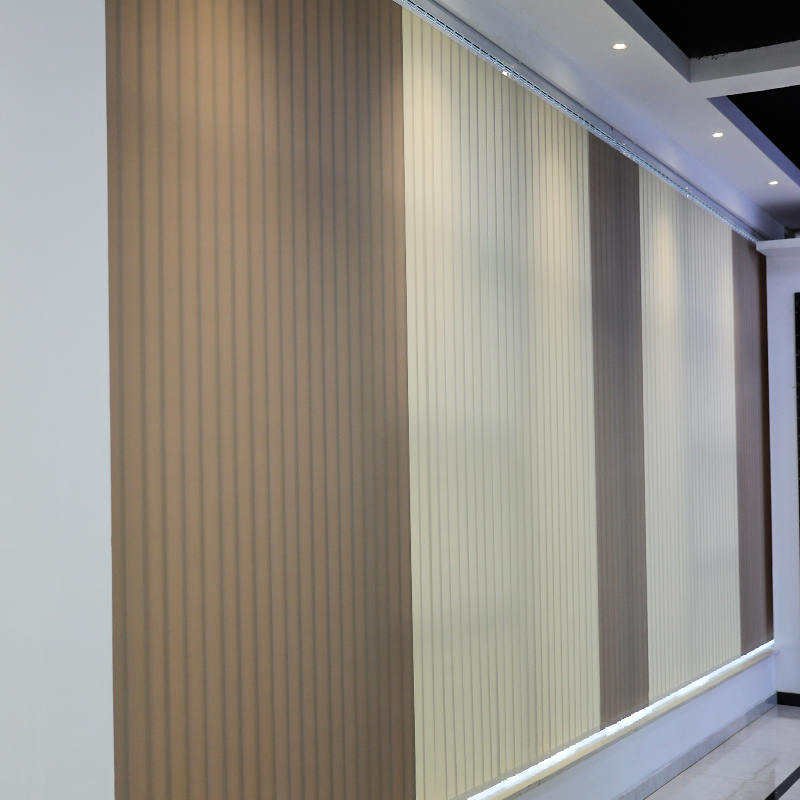
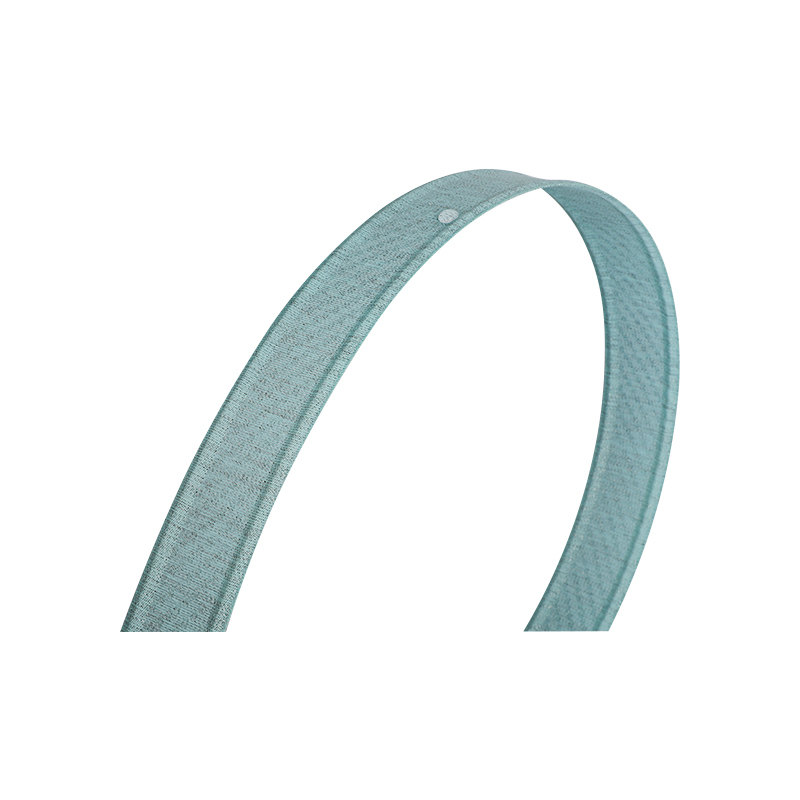
Vertical fabric blinds slats are long, narrow strips of fabric that hang vertically from a track system and rotate to regulate light, privacy, and airflow. Unlike horizontal blinds, which lift and lower, vertical blind slats rotate on their axis and slide sideways along a guided rail. This design makes them particularly effective for covering large windows, patio doors, and spaces requiring adjustable light control.
Their function lies in a simple but effective mechanism: each slat is connected to a carrier clip inside the headrail, allowing the slats to tilt simultaneously when the wand or cord is adjusted. When open, the slats align to let in light; when closed, they overlap to block visibility and sunlight. The flexibility of fabric provides a softer, quieter, and more decorative effect compared to PVC or aluminum vertical blinds.
Vertical fabric blinds slats are available in a wide range of materials, each designed to offer specific functional and decorative advantages. The choice of material affects durability, light filtering levels, maintenance needs, and suitability for various environments.
Polyester is the most widely used fabric for vertical blind slats because of its durability, colorfastness, and easy maintenance. The fibers resist shrinking, fading, and moisture, making them ideal for residential and commercial interiors.
Jacquard fabrics add a premium look due to their textured surface and intricate patterns woven directly into the fabric. These slats are chosen for luxury homes, hotels, and office environments where aesthetics are a priority.
Blackout fabric features a polyurethane or acrylic coating applied on the back of the fabric. It offers complete light blocking, making it suitable for theaters, conference rooms, hospital wards, and bedrooms that require total darkness.
Many commercial buildings require fabrics that comply with fire safety standards. Fire-retardant vertical blind slats resist flame spread and meet certification requirements for hotels, offices, schools, and public buildings.
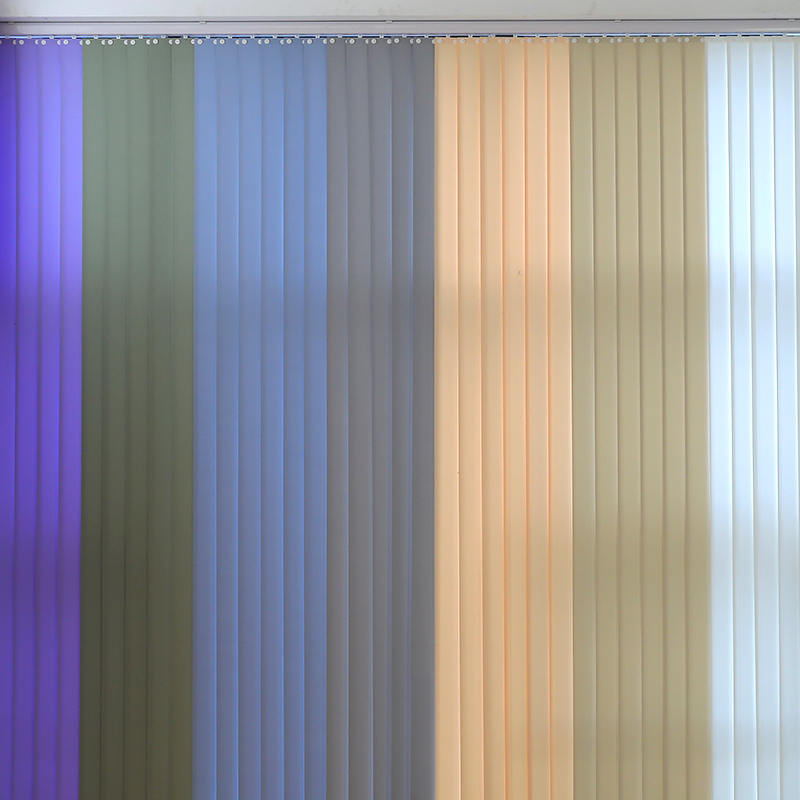
Vertical fabric blinds offer several advantages over other window-covering options. Their combination of function and appearance makes them a preferred choice for both interior designers and property owners.
Choosing between fabric, PVC, and aluminum slats requires understanding their differences in performance, cost, durability, and aesthetics. The comparison below summarizes key features to help buyers make informed decisions.
| Feature | Fabric Slats | PVC Slats | Aluminum Slats |
| Aesthetic | Soft, elegant | Modern, plain | Sleek, metallic |
| Light Control | Excellent diffusion | Good | Moderate |
| Noise Absorption | High | Low | Low |
| Durability | Moderate to high | Very high | High |
| Maintenance | Easy | Very easy | Easy |
Selecting the right slats requires a combination of functional and aesthetic considerations. The environment, window size, lighting needs, and interior design style all influence the selection process.
Heavier fabrics provide more privacy and insulation, while lighter fabrics create soft, ambient lighting. Commercial settings often require medium- to heavy-weight slats for durability and light control.
Light-filtering fabrics allow natural daylight to pass gently through the material, making them suitable for living rooms and offices. Blackout fabrics are ideal for bedrooms, laboratories, and media rooms.
Choose colors and patterns that blend with your interior décor. Neutral tones are popular because of their long-term versatility, while bold textures are used to create visual impact.
Commercial spaces should use fire-retardant fabrics that meet local building and safety codes. Manufacturers often provide test reports and certifications to assure compliance.
Regular maintenance ensures long-lasting performance and keeps blinds looking clean and fresh. Fabric blinds require more care than rigid materials, but cleaning them is still straightforward.
Vertical fabric blinds slats remain one of the most versatile window covering solutions on the market, offering a perfect blend of practicality, design flexibility, and affordability. They suit a wide range of applications—from residential living spaces to large commercial environments—while delivering superior light control, privacy, and aesthetic appeal.
For anyone seeking soft, elegant, and customizable blinds that perform well over time, vertical fabric slats are an excellent choice. Their adaptability, ease of maintenance, and wide variety of material options make them a reliable long-term investment.