 "navigation"


02
Content
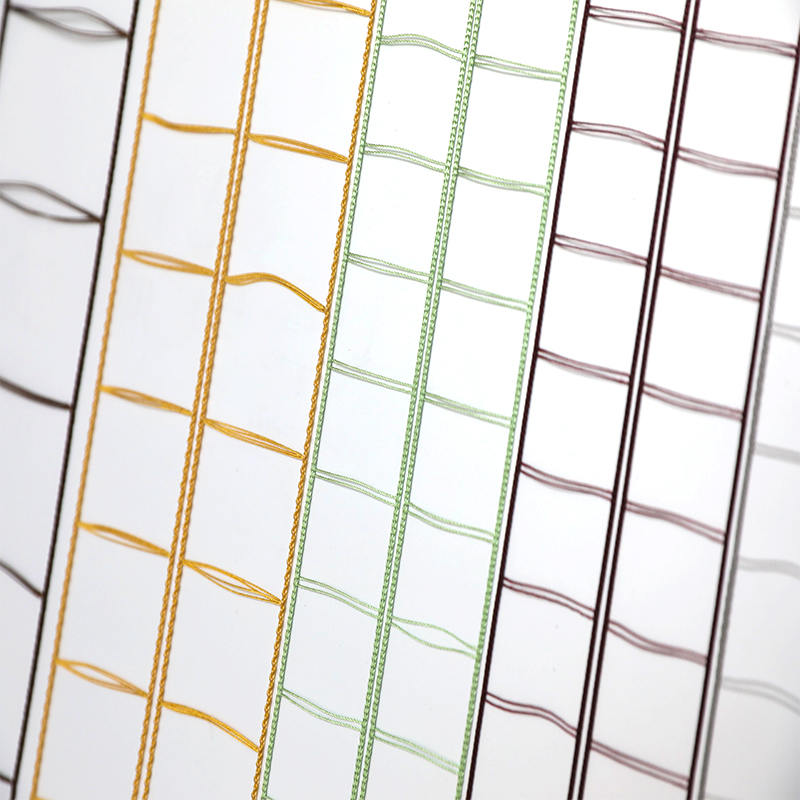
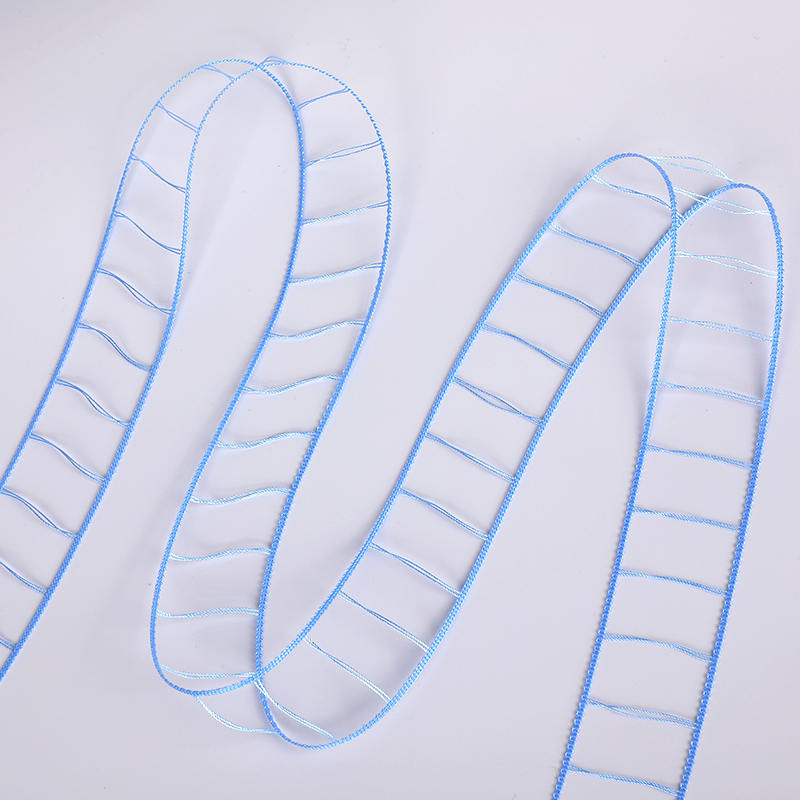
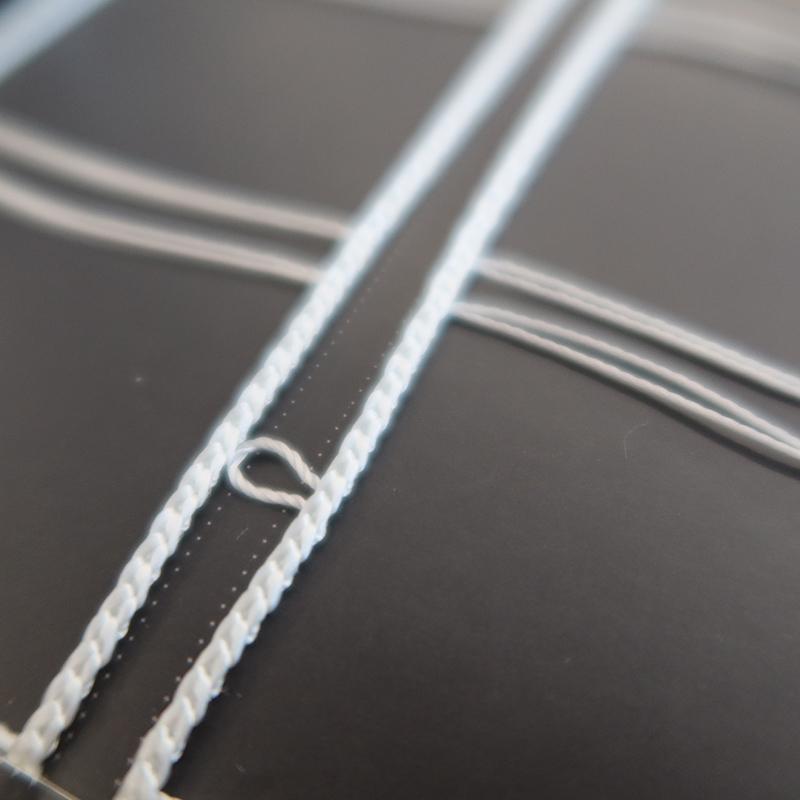
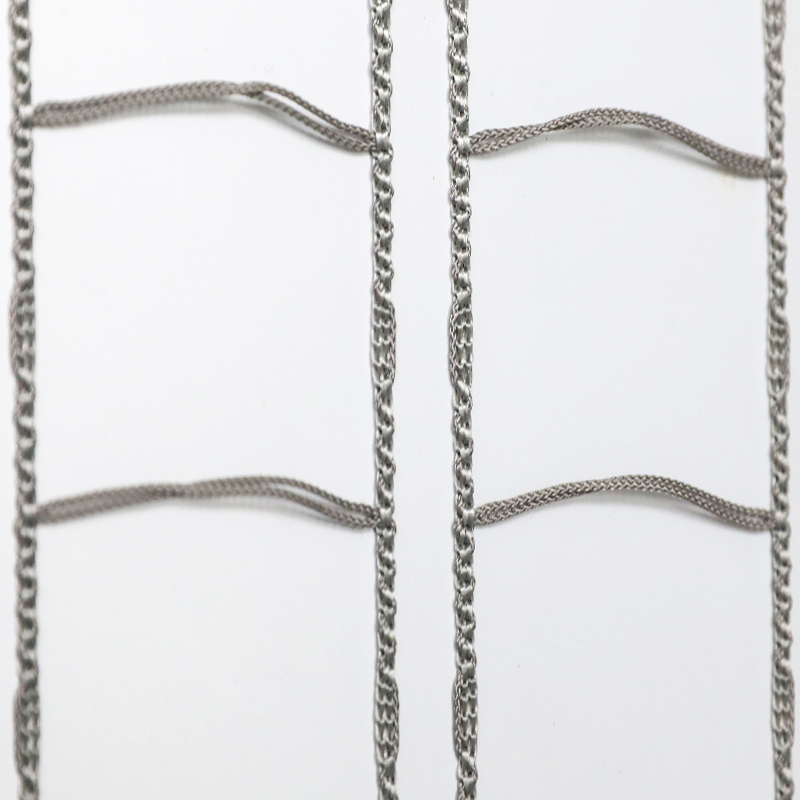
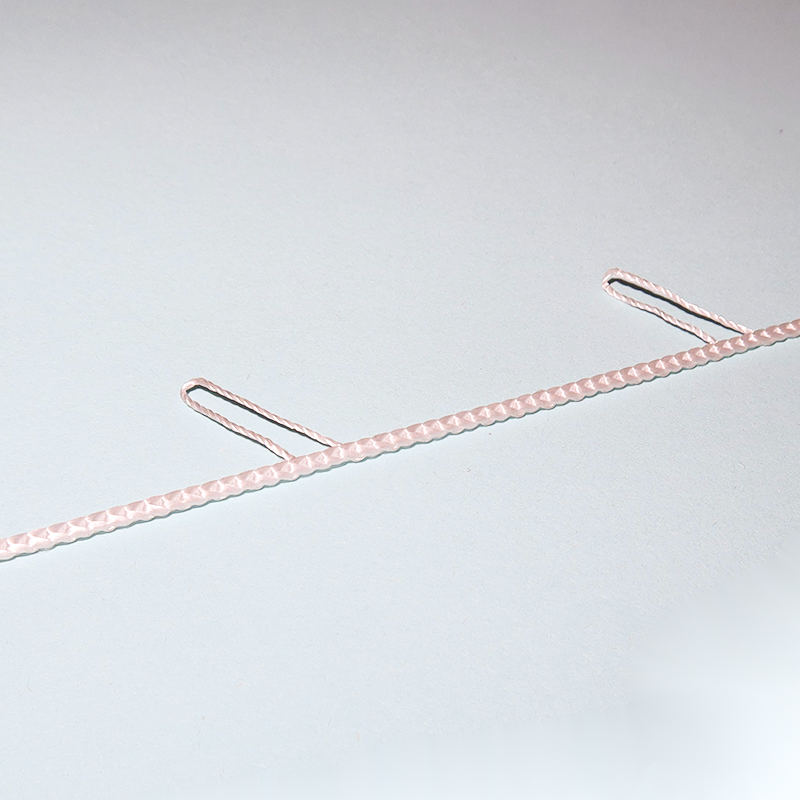
Ladder tape is the woven support structure inside a venetian blind that holds the individual slats in place and allows them to tilt open and closed in unison. Each strip consists of two parallel vertical bands connected by evenly spaced horizontal rungs, creating a ladder-like pattern that gives the component its name. The slats rest on these horizontal rungs, while the vertical bands attach to the headrail at the top and connect to the bottom rail or bottom bar at the base of the blind. When the tilt mechanism is adjusted, the ladder tape shifts slightly, rotating the slats to control light and privacy.
Because ladder tape bears the weight of every slat and undergoes repeated movement each time the blind is adjusted, it experiences gradual wear over years of use. Sun exposure, dust accumulation, and general mechanical stress eventually cause the tape to stretch, fray, or tear, which is the most common reason blinds begin to hang unevenly or fail to tilt properly.
Recognizing early signs of ladder tape failure can prevent slats from falling out of alignment or detaching entirely. Common indicators include the following.
Ladder tape is manufactured from several different materials, each offering a different balance of durability, appearance, and cost.
| Material | Durability | Best Suited For |
| Polyester | High | Most residential and commercial blinds |
| Cotton Blend | Moderate | Lighter-use indoor blinds |
| Nylon | High | High-humidity areas like bathrooms |
| PVC-Coated Tape | Very High | Commercial or outdoor-facing applications |
Polyester remains the most widely used material because it resists stretching and fading while remaining affordable, making it suitable for the majority of standard window blind replacements.
Accurate measurements are essential to ensure replacement tape fits correctly and supports slats without gaps or excessive tension. Two measurements matter most when selecting new tape.
Ladder tape width must match the slat width of the existing blind, since narrower or wider tape will not properly cradle the slats. Common widths include 1 inch for narrow slat blinds and 2 inches for wider standard slats, though specialty sizes exist for custom or older blind models.
Rung spacing refers to the distance between each horizontal rung on the ladder tape, which must align with the spacing of slats on the original blind. Measuring from the center of one rung to the center of the next on the existing tape, where possible, provides the most accurate reference for ordering a matching replacement.
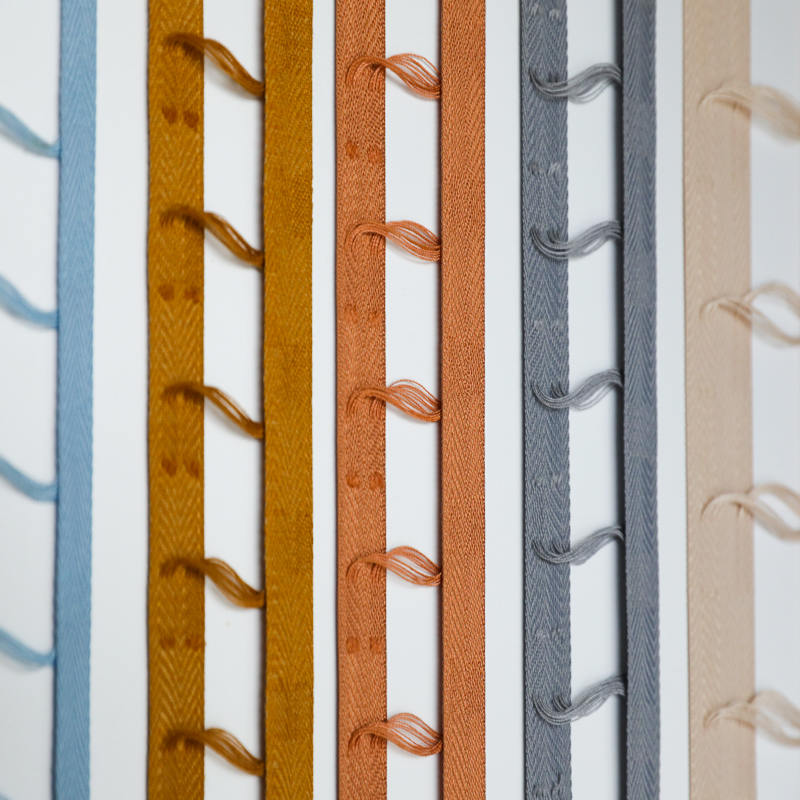
Replacing ladder tape is a manageable project for most homeowners with basic tools and patience. The general process includes the following steps.
While ladder tape replacement is often cost-effective, there are situations where replacing the entire blind makes more sense. If the headrail mechanism is also worn or damaged, if multiple slats are bent or broken beyond repair, or if the blind is an older model where matching replacement parts are difficult to source, the labor and cost of sourcing individual components may approach or exceed the price of a new blind. In these cases, weighing the age and overall condition of the blind against the cost of a full replacement tape kit can help determine the most practical path forward.