 "navigation"


02
Content
If you are comparing motorized window coverings, the bottom line is useful: most residential electric blinds fall between $250 and $750 per window, including a basic motor and installation. Larger windows, hardwired power, smart-home controls, and premium finishes can push the project past $1,000 per window.
That range explains why one homeowner is quoted $280 for one window and $950 for another that sounds similar. "Electric blinds" is not one product. A retrofit roller shade with a battery tube motor sits near the lower end, while a custom vertical fabric blind or a wide wood blind with hardwired automation sits near the top. The product category includes horizontal blinds, vertical blinds, roller shades, Roman shades, and sheer-type shades, and each of those formats has a different price structure.
| Typical installed price ranges for common electric blind setups. Figures are market estimates and vary by region, window size, and supplier. | ||
| System Type | Typical Price per Window | Key Trade-Offs |
| Battery-powered retrofit motor | $250-$500 | Simple installation, no wiring, but batteries need periodic replacement. |
| Hardwired electric blinds | $400-$800 | Cleaner installation and reliable power, but requires additional wiring work. |
| Smart blinds with app, voice, or hub integration | $600-$1,500 | More automation features, usually with a stronger motor and larger custom sizes. |
The variation is not random. Every electric blind is a combination of a motor, a control system, a blind body, and installation labor. Each piece has its own price floor, and your final quote is the sum of those decisions.
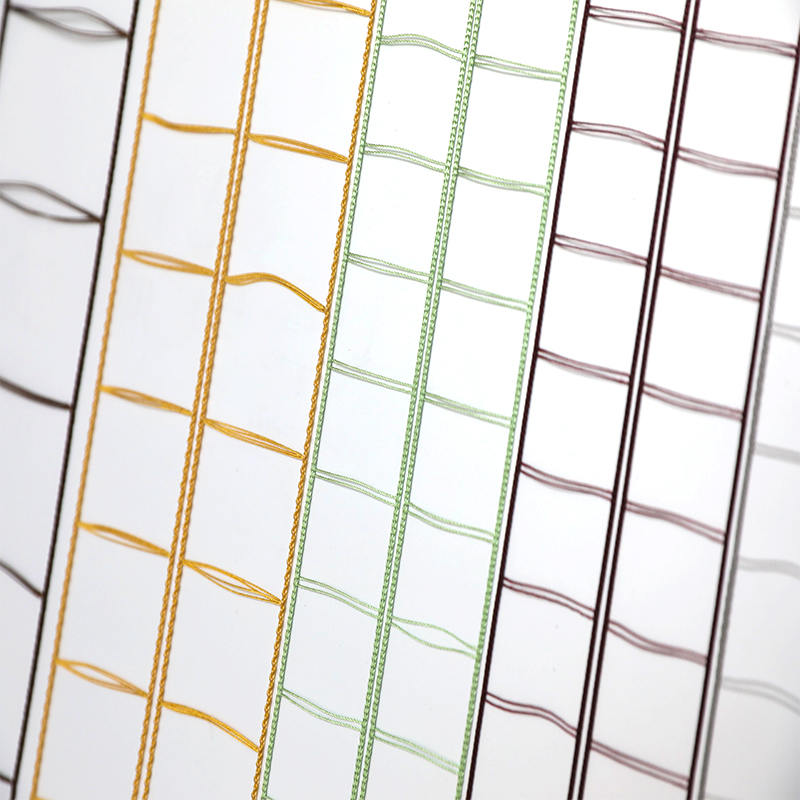
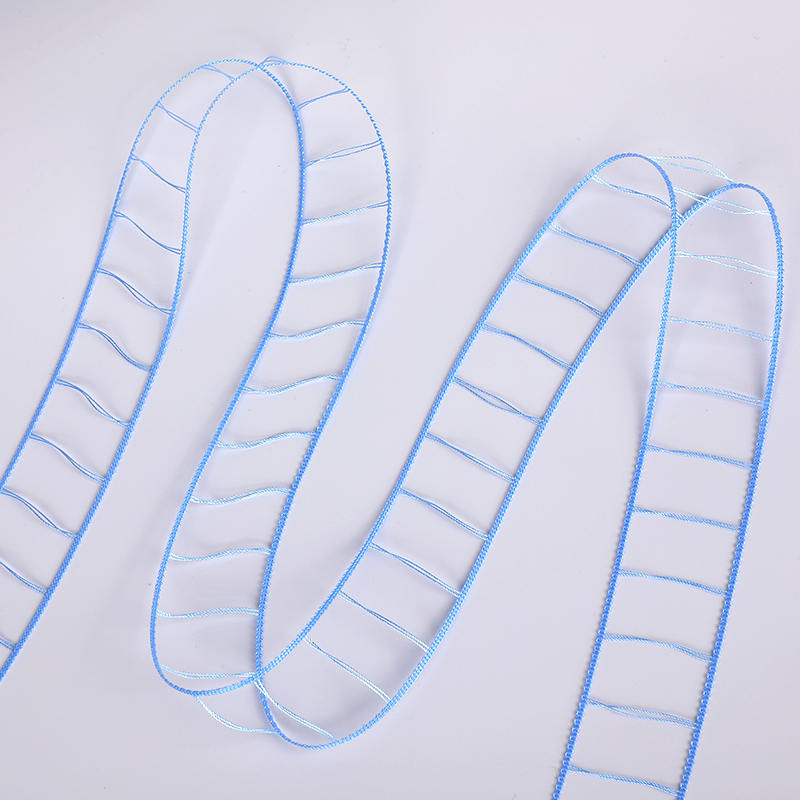
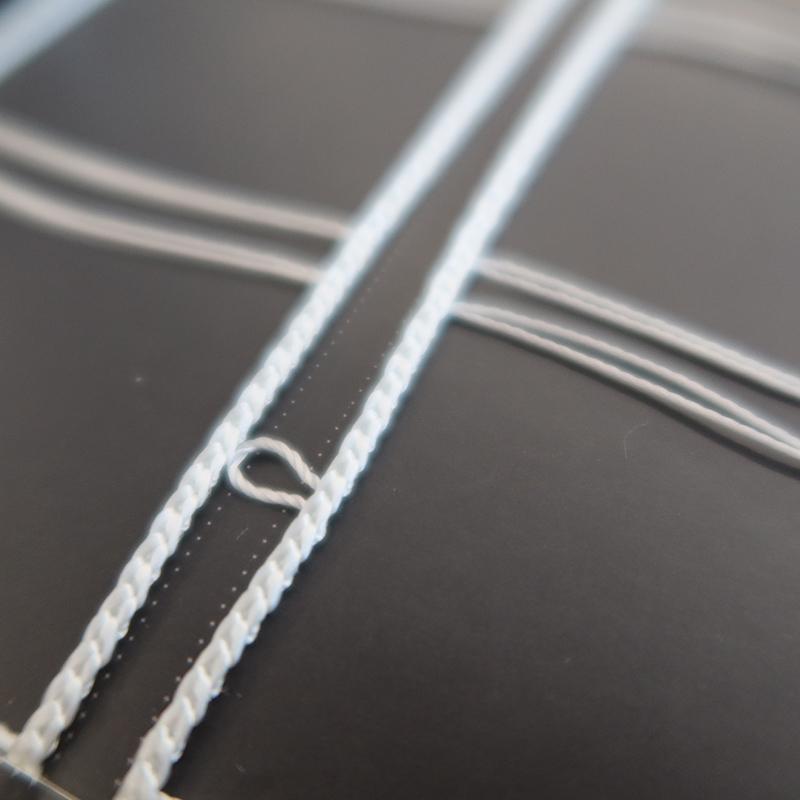
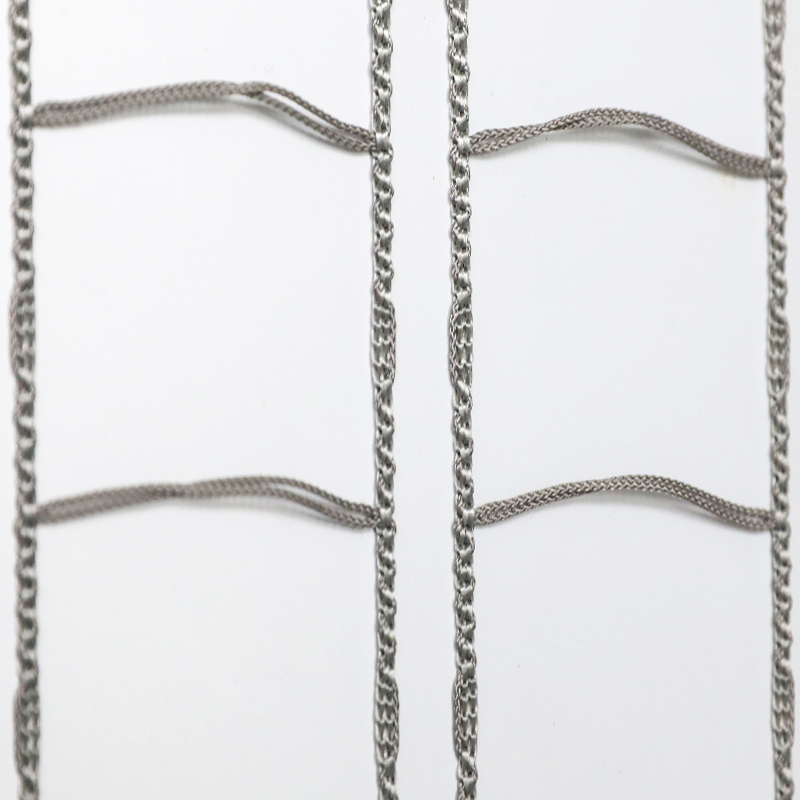
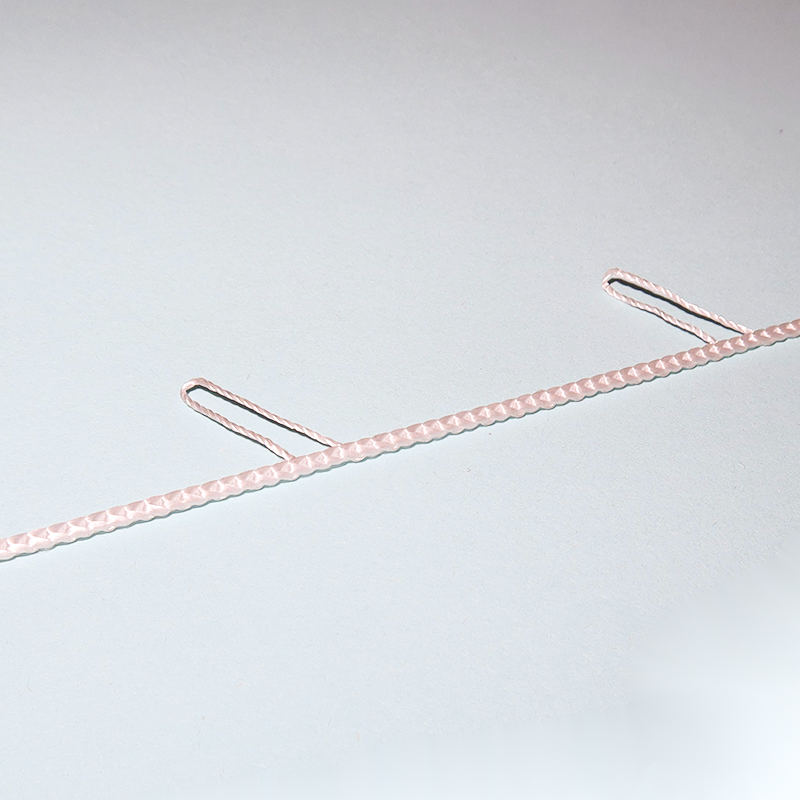
The motor is usually the most expensive single component. A battery-powered tube motor with a radio-frequency remote keeps the entry price low and is the easiest choice for a retrofit project. Hardwired motors cost more because the motor itself is heavier and installation includes running low-voltage wiring to each window. Both approaches have a durability angle. In a horizontal blind, the ladder cord does the tilting work every time the motor runs. A high-end motorized blinds ladder cord is built to handle repeated motorized movement without developing an uneven tilt. Buying a cheap cord here can turn a modest upfront price into a maintenance problem.
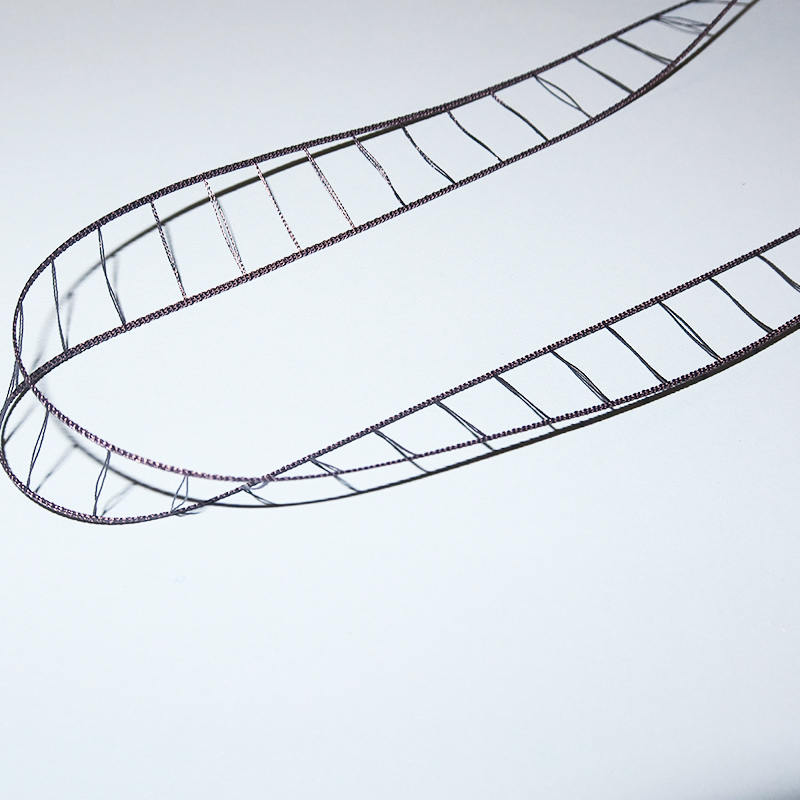 High-end Motorized Blinds Ladder Cord Manufacturers, Wholesale FactoryHangzhou Youpu Decoration Materials Co., Ltd is China Wholesale High-end Motorized Blinds Ladder Cord Manufacturers and High-end Motorize...View Product →
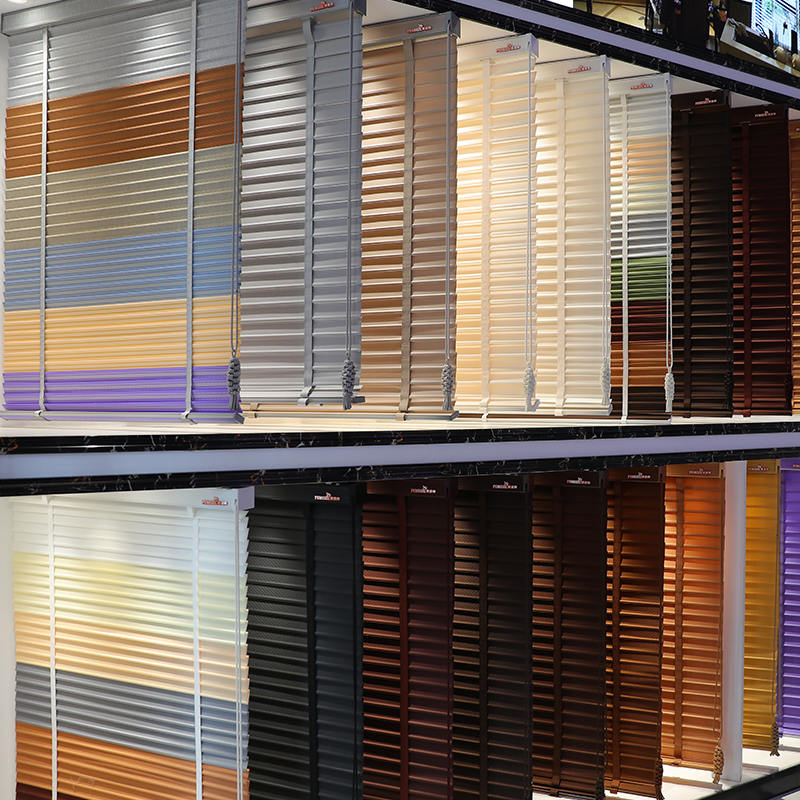
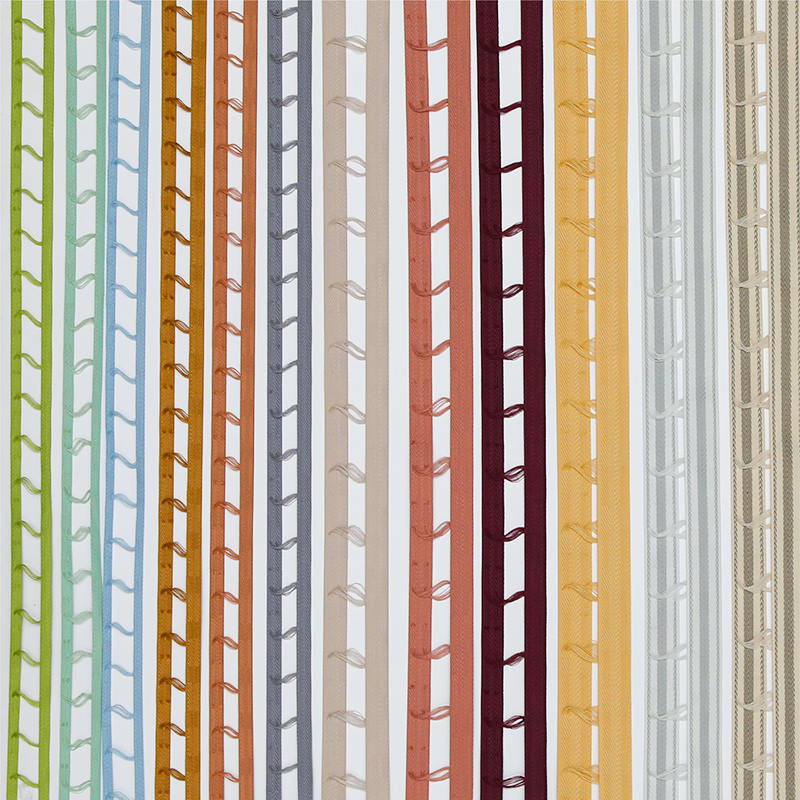
The blind body sets the visible look and accounts for a large part of the material cost. Aluminum and faux wood are common for horizontal blinds; fabric slats have become popular for homeowners who want a soft, modern interior without giving up the clean lines of a blind. As a manufacturer, we see customers underestimate how much the slat material moves the final price. For horizontal electric blinds, our horizontal fabric blinds slats combine a soft fabric face with the dimensional stability needed for a motorized tilt mechanism. Vertical styles are usually more expensive because they need a longer headrail, more fabric, and a motor with enough torque to move a tall stack of slats.
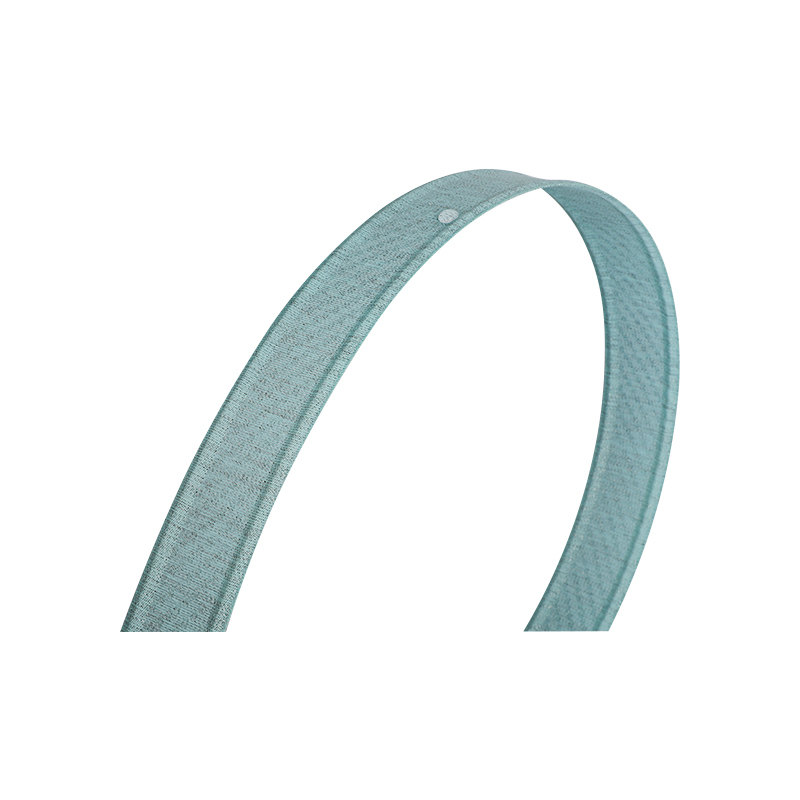 Horizontal Fabric Blinds Slats Manufacturers, Wholesale FactoryHangzhou Youpu Decoration Materials Co., Ltd is China Wholesale Horizontal Fabric Blinds Slats Manufacturers and Horizontal Fabric Blinds...View Product →
Size may be the least negotiable cost driver. A standard 60-inch-square window uses a smaller motor and far less material than a 96-inch patio door or an oversized picture window. Wider slats, taller drops, and unusual shapes all increase the load on the motor and the amount of engineering required. The same control system and blind type can cost $300 at one window and $900 at another, simply because of the dimensions. That is why "per window" averages are useful only as a starting point.
A basic remote is a low-cost component. Wi-Fi modules, app control, voice assistant support, scheduling, and smart-home hub compatibility each add to the bill. Before choosing a controller, decide how much automation you actually need. A simple RF remote is reliable and inexpensive. If you want blinds to open at a set time, close when the room gets too bright, or respond to an alarm, budget for the more advanced controller and the time to configure it. Features have value, but they also have a cost.
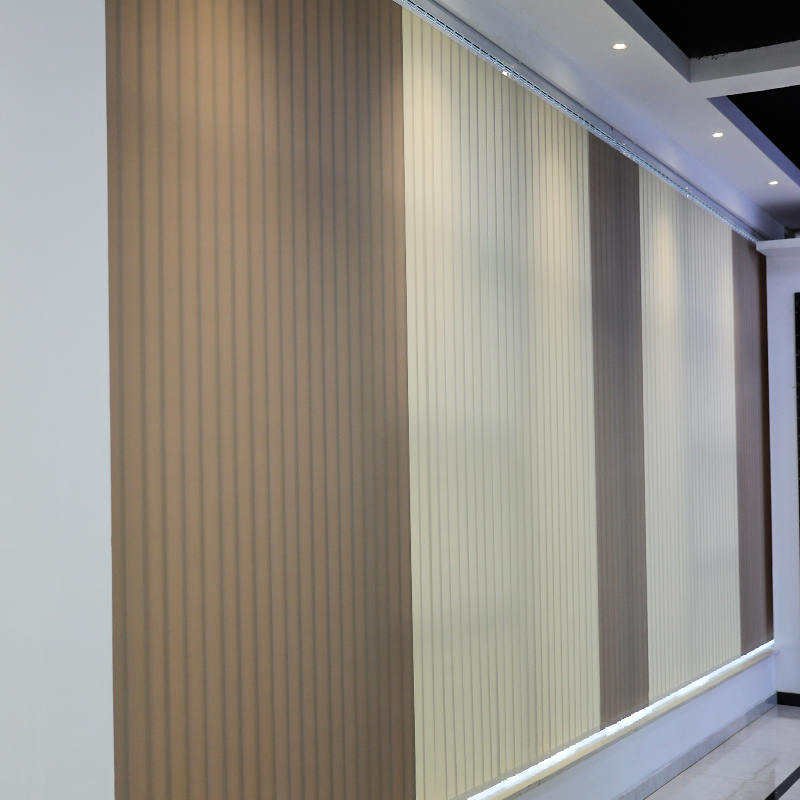
Installation labor is often the least visible line item. A DIY retrofit can keep the project close to the low end of the range; a hardwired system adds electrician time and may require new wiring. The buying channel matters just as much. When a retail dealer, distributor, and installer are all involved, each layer adds a margin. Buying from a manufacturer, or sourcing key components directly, removes parts of that chain. For example, a vertical electric blind is basically a motor, a headrail, a set of brackets, and a set of vertical fabric blind slats. If you can source the slats from a factory, you have more control over the bill of materials and the final cost.
 Vertical Fabric Blinds Slats Manufacturers, Wholesale FactoryHangzhou Youpu Decoration Materials Co., Ltd is China Wholesale Vertical Fabric Blinds Slats Manufacturers and Vertical Fabric Blinds Sla...View Product →
Start by separating the three costs that make up an electric blind quote: the motor and control system, the blind itself, and the installation. If you define those three lines clearly, comparing quotes becomes much easier and you avoid the surprise of a low base price followed by expensive add-ons.
The lowest upfront quote is not necessarily the cheapest electric blind. Motorized window coverings cycle more often than manual ones, so small mechanical components have to tolerate repeated use. Dust and grit can accelerate wear. Following the basic blinds maintenance rules will help the motor, ladder cord, and fabric slats stay aligned for a longer service life.
Material selection matters just as much as maintenance. The durability of a fabric slat is established early, at the specification stage, not after the blind has been assembled. If you are choosing fabric slats for a large project, it is worth reviewing how fabric slat materials and weaving techniques affect durability before you order in bulk.
Electric blinds are not a single product, and a price list cannot replace a quotation based on your window size, control choice, and material preference. If you are a homeowner, start with those three details. If you are a contractor, distributor, or interior designer, include the quantity and the mechanical specifications as well. You can contact our team to discuss a specification that fits your production plan and budget.