 "navigation"


02
Content
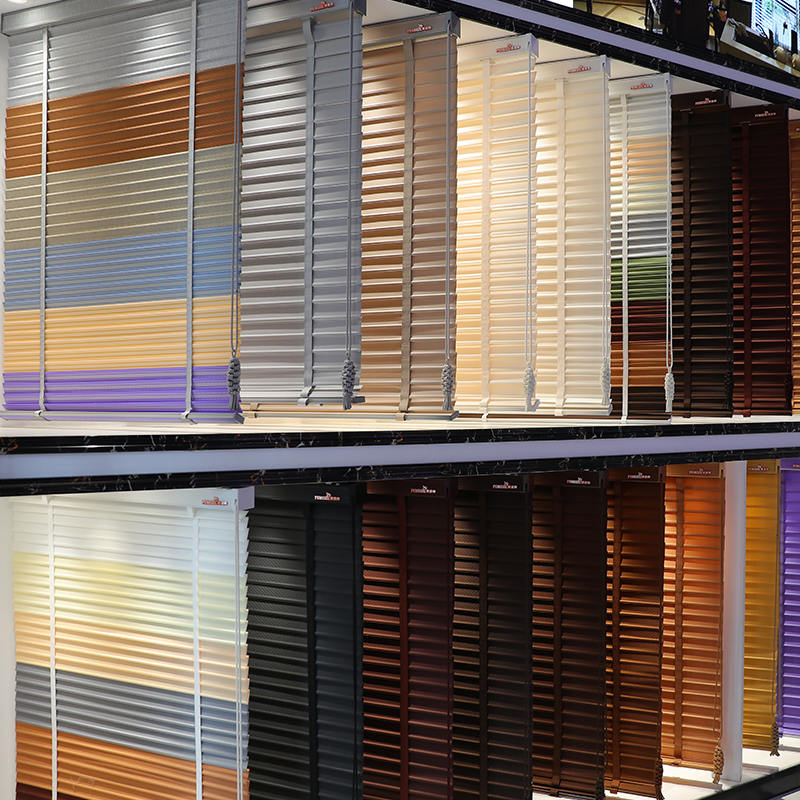
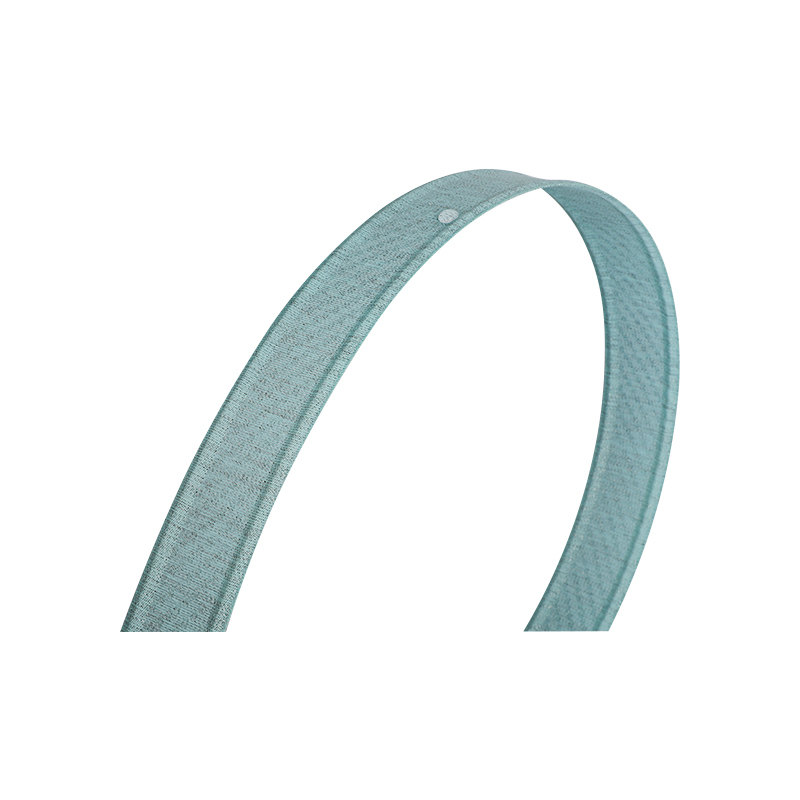
Horizontal fabric blinds slats are individual strips of fabric-covered or fabric-wrapped material arranged in a stacked, horizontal orientation to form a window covering. Unlike traditional venetian blinds made from solid aluminum or PVC slats, fabric slats incorporate woven or coated textile material, often wrapped around a lightweight core, giving them a softer visual texture while still retaining the tilt and raise functionality of standard horizontal blinds.
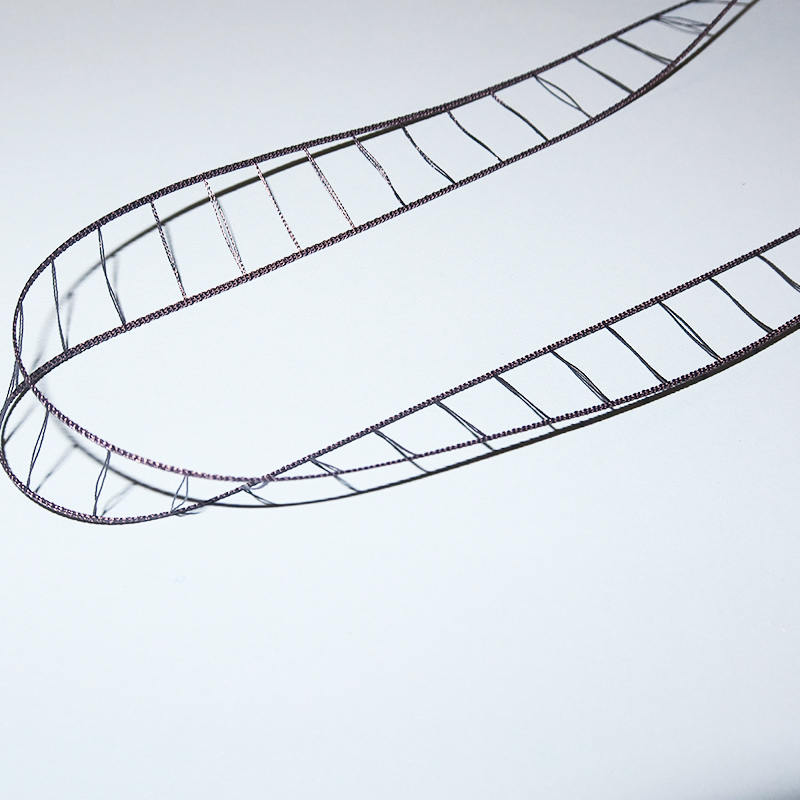
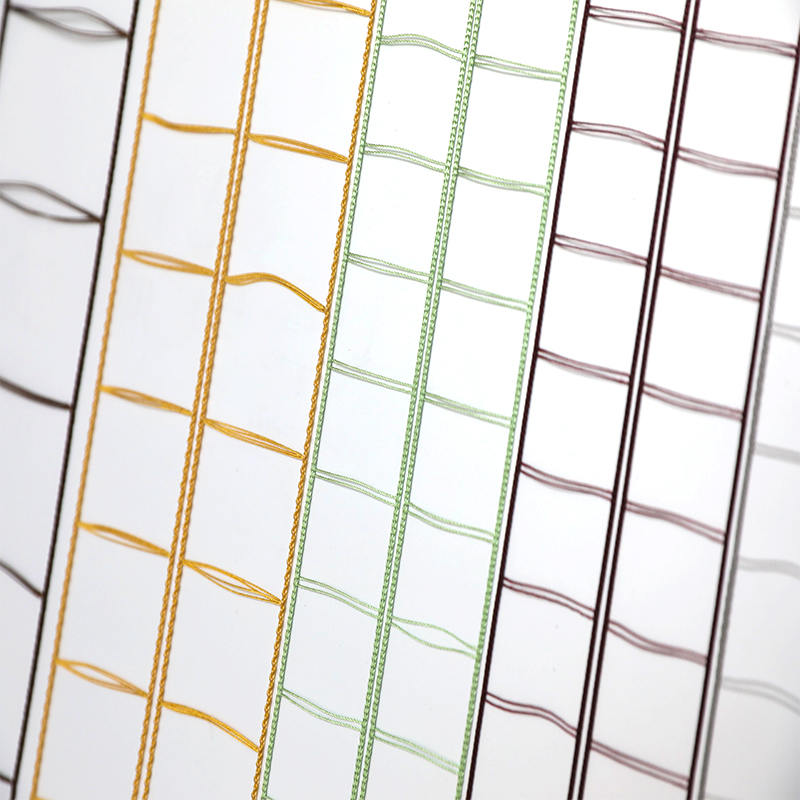
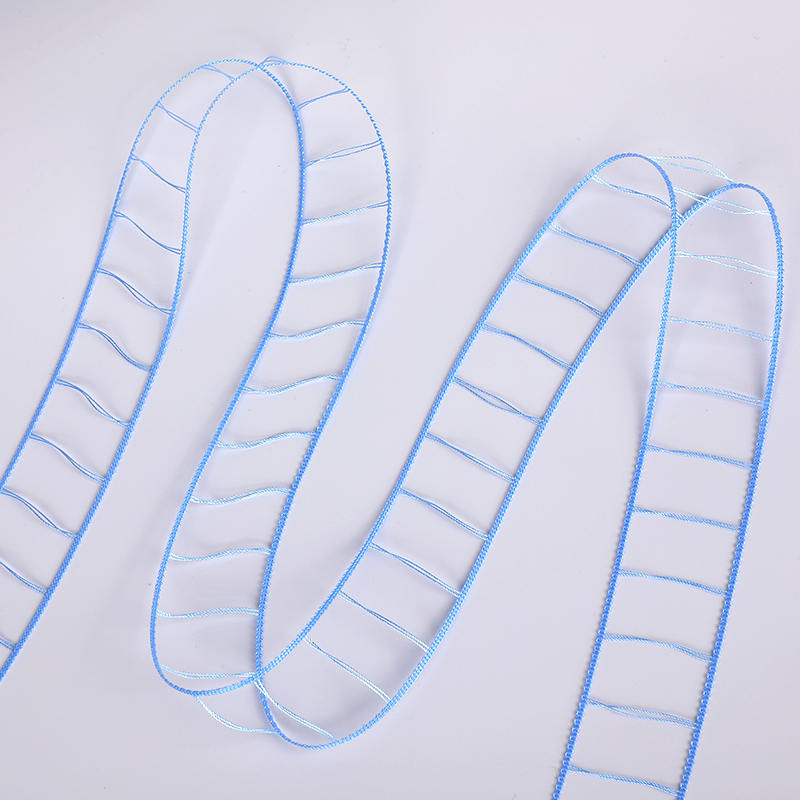
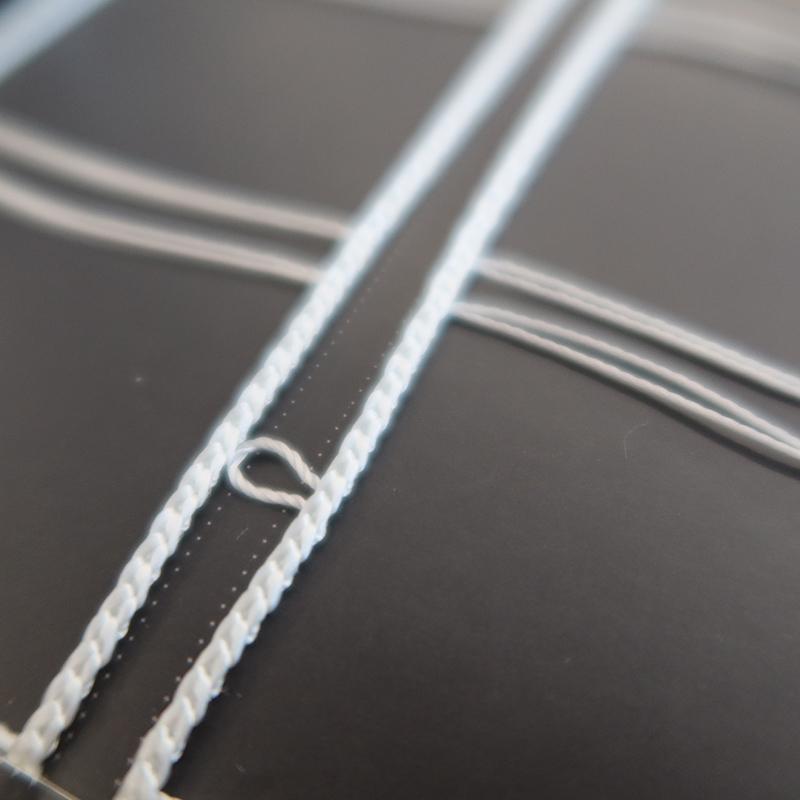
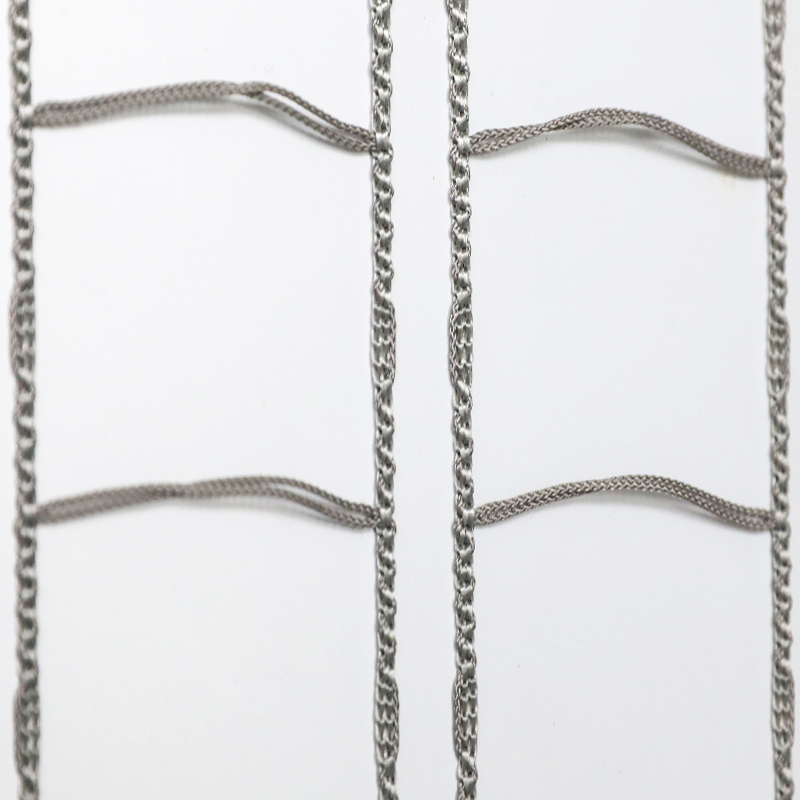
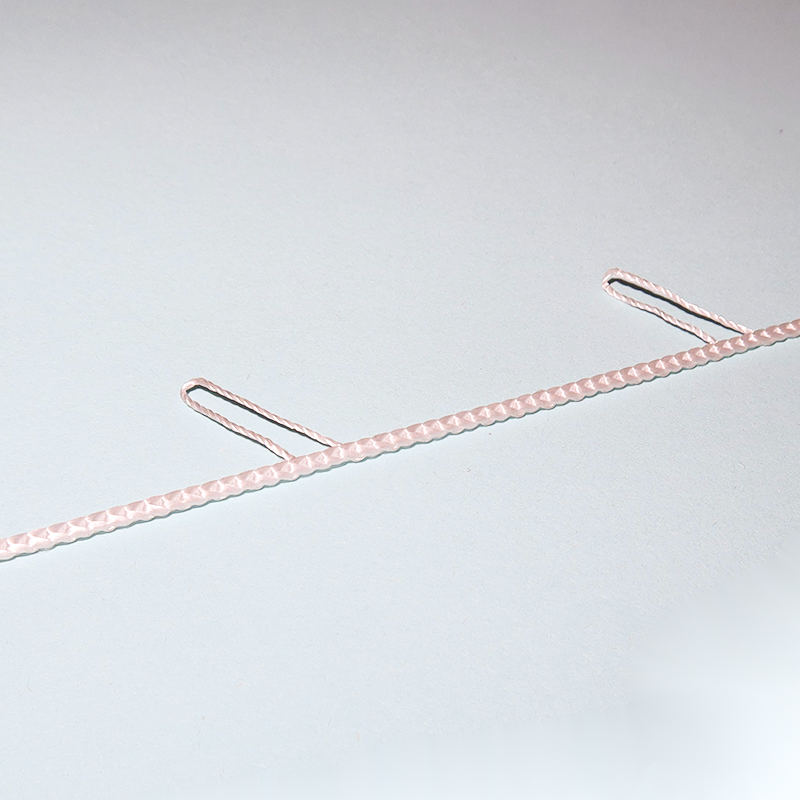
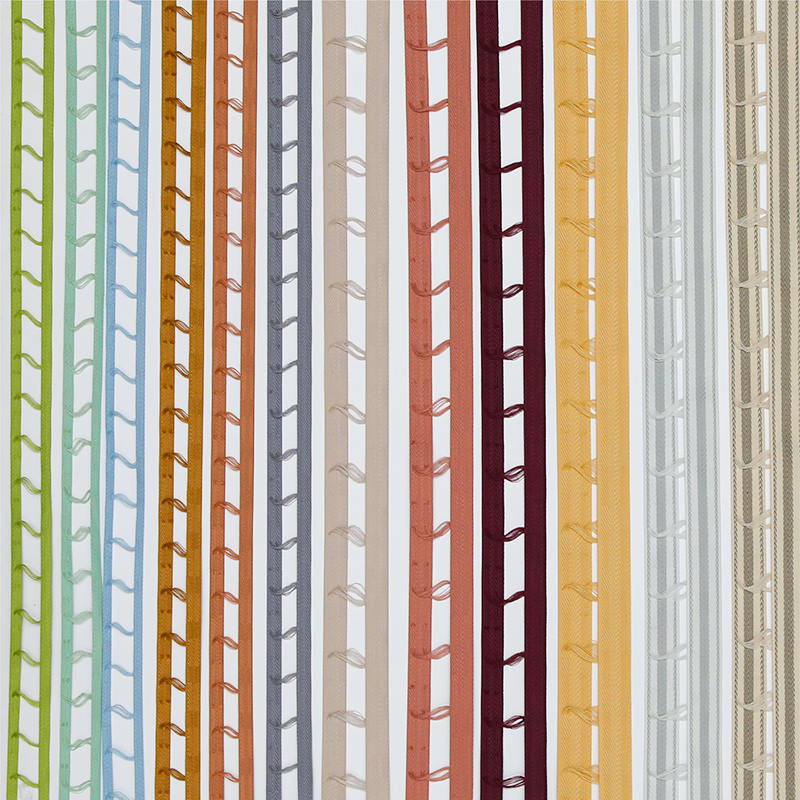
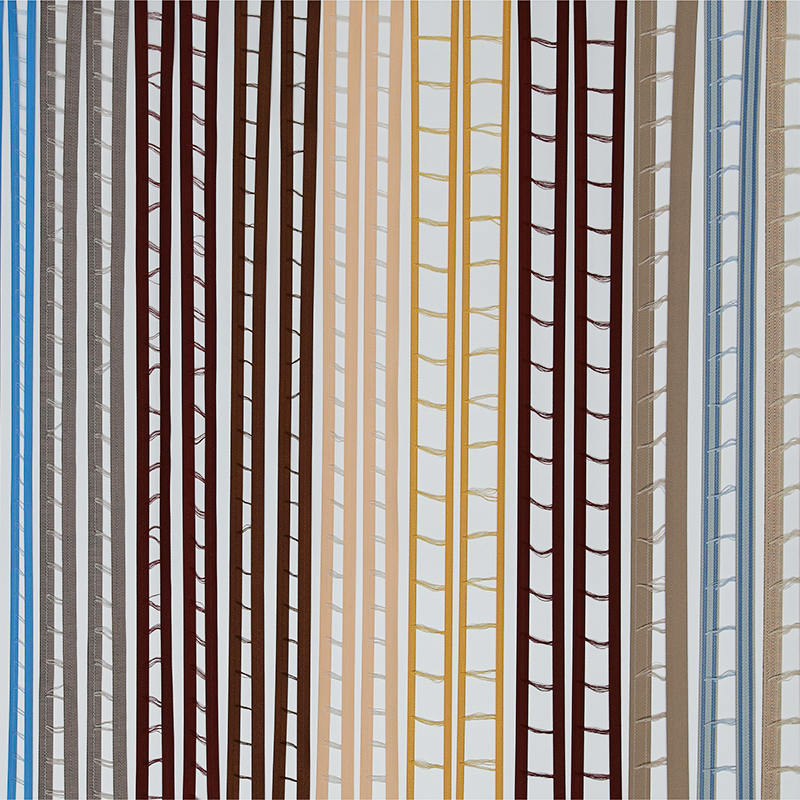
Each slat connects to a ladder cord or tape system that allows the entire set to tilt in unison, adjusting the angle of light entering the room, or to be raised and lowered as a full unit. This mechanism is functionally similar to classic venetian blinds, but the fabric surface introduces a different tactile and visual quality, often described as warmer or more residential in feel compared to the harder, more reflective look of metal or vinyl slats.
The core difference between fabric horizontal blinds and their aluminum or vinyl counterparts lies in the slat material and how it interacts with light and sound. Fabric slats tend to diffuse light more softly rather than reflecting it sharply, which can reduce glare in rooms with intense natural light. They also generally offer a degree of sound-dampening benefit due to the slightly textured, absorbent nature of woven fabric compared to hard, smooth surfaces.
| Feature | Fabric Slats | Aluminum/Vinyl Slats |
| Light Diffusion | Soft, diffused | Sharp, reflective |
| Sound Absorption | Moderate | Minimal |
| Visual Warmth | Textured, residential feel | Sleek, modern feel |
| Moisture Resistance | Lower, unless treated | Higher |
This makes fabric slats better suited to living rooms, bedrooms, and home offices where acoustic comfort and softer light matter, while aluminum or vinyl slats often remain the more practical choice for bathrooms, kitchens, or other high-moisture environments.
Fabric slats are produced using a range of textile materials, each offering different levels of light control, durability, and visual texture.
Polyester is one of the most common materials used for fabric slats due to its durability, resistance to fading, and relatively low cost. It holds shape well over time and resists sagging, which helps maintain even slat alignment across the width of the blind.
Some fabric slats incorporate natural fibers like cotton or linen blended with synthetic materials for added durability. These offer a more organic texture but may require more careful cleaning and are generally less resistant to moisture and UV fading than fully synthetic options.
For rooms requiring greater light-blocking or moisture resistance, some fabric slats include a coated or laminated backing layer. This adds a degree of opacity and durability while still preserving the fabric's outward texture and appearance.
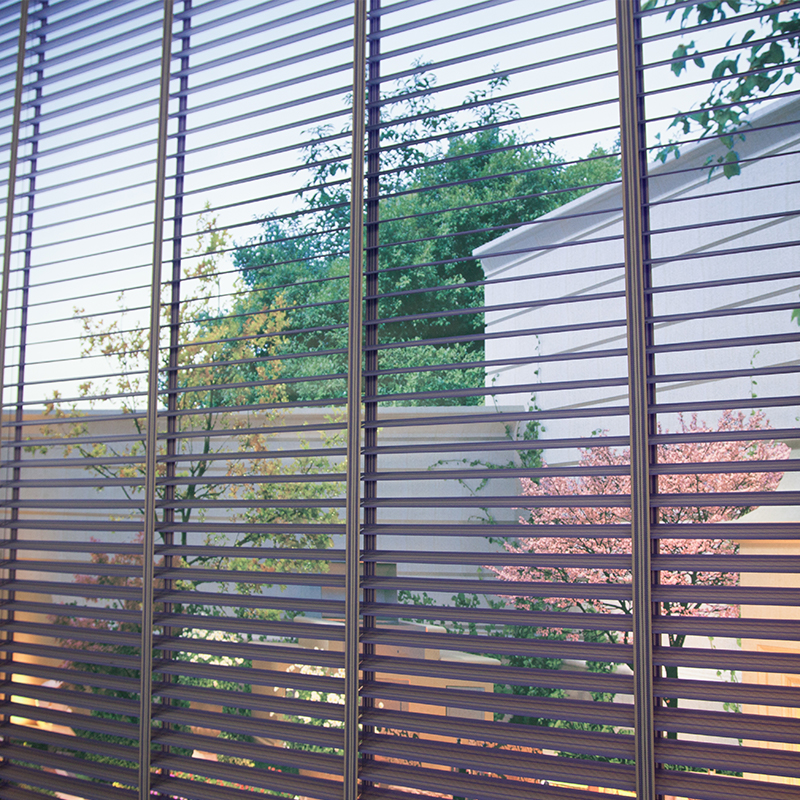
One of the main advantages of horizontal fabric blinds slats is the level of adjustability they offer for both light control and privacy. Because the slats tilt on a ladder system, users can fine-tune the angle to allow indirect light in while blocking direct sightlines from outside, or close them fully for maximum privacy and light blocking.
This flexibility makes fabric horizontal blinds particularly practical for rooms facing direct sun exposure during certain times of day, where the ability to fine-tune slat angle helps manage glare without fully darkening the room.
Fabric slats are commonly available in a range of widths, with narrower slats often chosen for smaller windows or a more refined, detailed appearance, and wider slats favored for larger windows where a bolder visual statement or simpler installation is preferred.
Accurate measurement of the window frame, including width and drop, is essential before ordering, since fabric slats are typically manufactured to fit a specific window size rather than being universally adjustable like some cellular or roller shade products. Inside-mount installations, where the blind fits within the window frame, generally require more precise measurements than outside-mount installations, which cover the frame and surrounding wall area.
Installing horizontal fabric blinds slats generally follows the same mounting principles as standard venetian blinds, using brackets attached to the window frame or wall to hold the headrail in place. Ensuring the brackets are level and securely anchored helps prevent uneven slat alignment over time.
Routine maintenance for fabric slats typically involves light dusting with a soft brush or vacuum attachment, since fabric surfaces can trap more dust than smooth aluminum or vinyl slats. For deeper cleaning, spot cleaning with a mild fabric-safe cleaner is usually recommended over fully submerging or soaking the slats, as excess moisture can cause warping or affect the shape retention of the fabric over time. Regularly checking the ladder cords and tilt mechanism for wear also helps maintain smooth, even operation across the full width of the blind.
Horizontal fabric blinds slats offer a distinct combination of soft light diffusion, textural warmth, and functional adjustability that makes them well suited to living spaces, bedrooms, and offices where comfort and acoustic softness are priorities. For high-moisture areas like bathrooms or kitchens, however, aluminum or vinyl slats, or fabric options with moisture-resistant coatings, tend to hold up better over time. Considering the room's light exposure, humidity levels, and desired aesthetic will help determine whether fabric slats are the right fit for a given window.