 "navigation"


02
Content
Fabric blinds are one of the most versatile and visually appealing window treatment options available for both residential and commercial spaces. Unlike hard blinds made from wood, aluminium, or PVC, fabric blinds bring softness, warmth, and a wide range of design possibilities to any room. However, with so many types, fabrics, and operating systems on the market, choosing the right fabric blind can feel overwhelming. This guide breaks down every key consideration — from blind type and fabric weight to light control and room suitability — so you can make a confident, well-informed decision.
The first step in choosing fabric blinds is understanding the structural differences between the main types. Each blind style operates differently, stacks differently when raised, and creates a distinct visual effect on your window. The type you choose will affect everything from how much light enters the room to how easy the blind is to clean and maintain.
Roller blinds are the most popular and straightforward type of fabric blind. The fabric is mounted on a cylindrical tube at the top of the window and rolls up or down in a single flat sheet. Because the fabric lies flat against the window, roller blinds are ideal for rooms where you want a clean, minimal aesthetic with minimal visual clutter. They are available in an enormous range of fabrics — from sheer voile to heavy blackout — and are one of the most cost-effective fabric blind options. Roller blinds work exceptionally well in kitchens, bathrooms, and home offices where simplicity and easy cleaning are priorities.
Roman blinds fold into neat horizontal pleats as they are raised, creating a soft, layered look that adds a sense of elegance and luxury to a room. They are fabric-intensive by nature, which means they showcase patterns, textures, and rich colours beautifully. Roman blinds are available in flat-fold, hobbled (looped fold), and relaxed styles, each creating a slightly different silhouette. They are best suited to living rooms, dining rooms, and bedrooms where decorative impact is as important as function. Because they use more fabric than roller blinds, they are typically more expensive, but the visual result is often worth the investment.
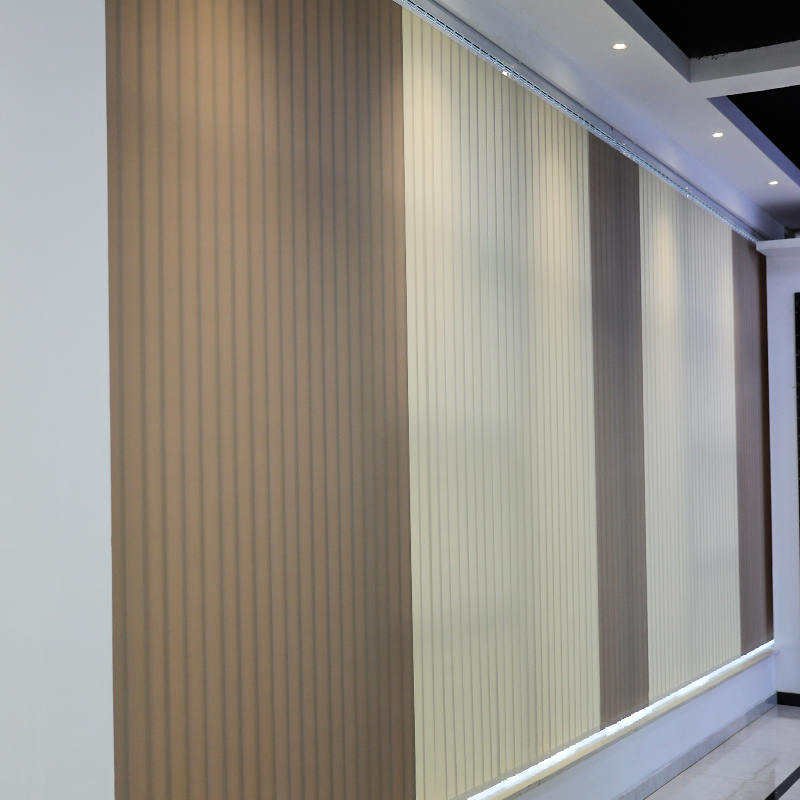
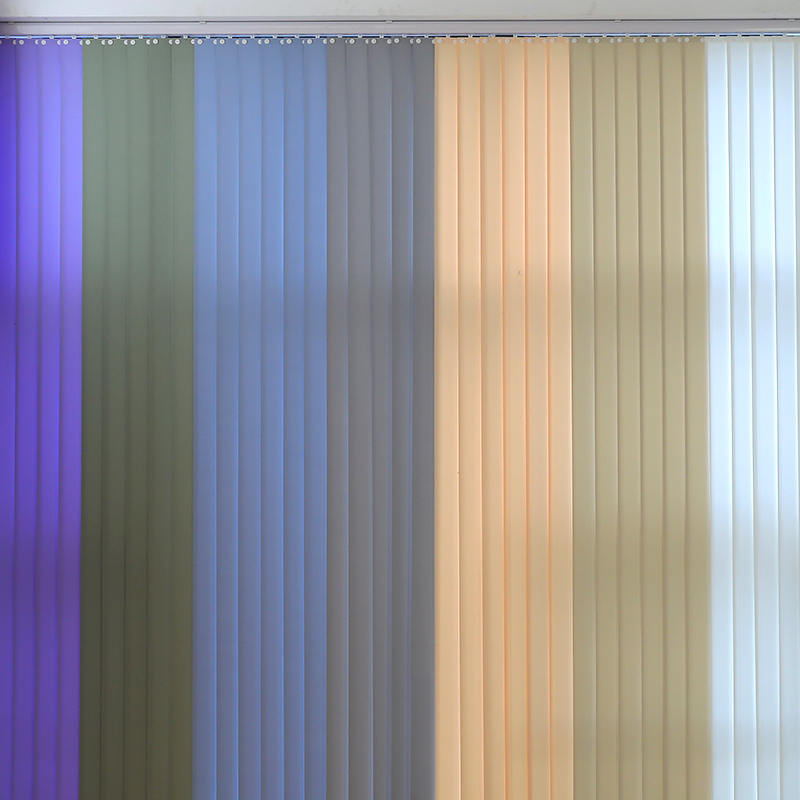
Vertical fabric blinds consist of individual fabric louvres that hang vertically from a top track and can be rotated or drawn to one or both sides. They are particularly well suited to large windows, patio doors, and floor-to-ceiling glazing where horizontal blinds would be impractical. The vertical orientation also makes them less prone to dust accumulation compared to horizontal slatted blinds. Fabric vertical blinds are available in a wide range of weights and opacity levels, making them adaptable to both privacy-focused and light-filtering applications in living areas and offices.
Cellular blinds — also called honeycomb blinds — are made from pleated fabric that forms a series of air pockets when viewed in cross-section. These air cells act as insulation, trapping warm or cool air and significantly improving a window's thermal efficiency. Single-cell, double-cell, and triple-cell configurations offer increasing levels of insulation. This type of fabric blind is an excellent choice for rooms where energy efficiency is a priority, such as conservatories, attic rooms, or any space with large areas of glazing that experiences significant heat loss in winter or overheating in summer.
Panel blinds consist of wide fabric panels that slide along a track system, overlapping as they stack. They are a contemporary alternative to curtains and work particularly well on very wide windows, room dividers, and sliding door openings. Because each panel is a large, uninterrupted expanse of fabric, they are excellent for showcasing bold patterns, large-scale prints, or textured woven materials. Panel blinds offer a modern, architectural look and are well suited to minimalist and Scandinavian interior design styles.
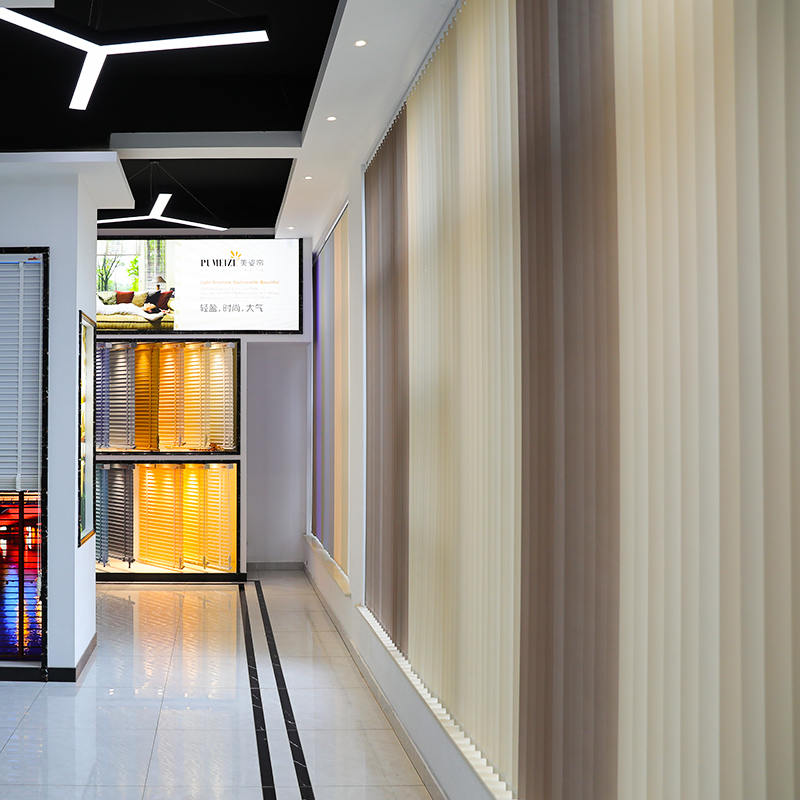
The fabric itself is one of the most critical decisions when choosing fabric blinds. Fabric weight, weave density, and any additional backing or lining determine how much light passes through, how much privacy the blind provides, and how well it insulates the room. Fabrics for blinds are broadly categorised into four opacity levels:
| Opacity Level | Light Transmission | Privacy Level | Best For |
| Sheer / Voile | High | Low | Living rooms, diffusing glare |
| Light Filtering | Moderate | Moderate | Living areas, kitchens, offices |
| Translucent | Low to moderate | Good | Bathrooms, bedrooms |
| Blackout | None | Total | Bedrooms, nurseries, media rooms |
Blackout fabrics contain a foam or acrylic coating on the reverse side that blocks virtually all light transmission. They are essential for shift workers who sleep during the day, for children's bedrooms where early morning light disrupts sleep, and for home cinema rooms where any ambient light degrades picture quality. Light-filtering fabrics allow a soft, diffused glow to enter while still providing daytime privacy, making them ideal for living rooms and kitchens where you want to maintain a bright, welcoming atmosphere without direct glare or visibility from outside.
Every room has different requirements for light control, privacy, humidity resistance, and aesthetic style. Choosing a fabric blind that suits the specific demands of each room will ensure both performance and longevity. The following guidance covers the most common rooms in a home.
Bedrooms require maximum privacy and the ability to block early morning light effectively. Blackout roller blinds or blackout Roman blinds are the most practical choices. If you want a softer, more decorative look, a blackout Roman blind in a textured linen or patterned cotton fabric gives you the elegance of a Roman fold combined with functional light exclusion. For a layered approach, pair a sheer roller blind with a blackout Roman blind on the same window — the sheer provides daytime softness and privacy, while the Roman blind is drawn at night for total darkness.
Living rooms benefit most from fabric blinds that filter light gently without blocking the view entirely during the day. Light-filtering roller blinds, sheer vertical blinds, or relaxed Roman blinds in natural fabrics such as linen, cotton, or bamboo blends create a warm, inviting atmosphere. In living rooms with south-facing windows that receive strong afternoon sun, consider fabrics with a degree of solar reflectivity to reduce heat build-up and prevent furniture and flooring from fading. Roman blinds in bold patterns or contrasting colours can also serve as a strong decorative focal point in an otherwise neutral room.
Kitchens and bathrooms are high-moisture environments that demand fabrics with moisture resistance and easy-clean properties. PVC-coated roller blind fabrics or moisture-resistant polyester fabrics are specifically manufactured for wet room applications and can be wiped clean with a damp cloth without shrinking, warping, or developing mould. Avoid natural fabrics like cotton or linen in these rooms as they absorb moisture, discolour over time, and are difficult to clean thoroughly. Roller blinds are generally the most practical choice for kitchen windows positioned above sinks, as they sit flat against the window and are easy to raise and lower with one hand.
In home offices and study spaces, glare control is the most important factor. Direct sunlight on a computer screen creates eye strain and reduces productivity. Screen fabric roller blinds — also known as solar screen or sunscreen fabrics — are specifically engineered for this purpose. They are made from an open-weave polyester fabric with a small percentage of open area (typically 1% to 10%) that allows you to see through the blind to the outside view while blocking direct glare and UV radiation. A 3% openness factor is a good starting point for most office windows, providing a balance between glare control and outward visibility.
Fabric blinds are available with several different operating systems, and choosing the right one affects safety, convenience, and aesthetics. The main options are manual cord systems, chain drive systems, spring-loaded cassette systems, and motorised operation.
Corded systems are being phased out in many markets due to child safety regulations, as looped cords pose a strangulation risk to young children. Cordless spring-loaded systems are now widely recommended for family homes — the blind is simply pushed up or pulled down by hand and holds its position automatically without any cord mechanism. Motorised fabric blinds, controlled by remote, wall switch, or smartphone app, are increasingly affordable and are an excellent choice for large or hard-to-reach windows, for people with mobility limitations, and for smart home integration. Motorised systems can also be programmed to open and close on a schedule, improving energy efficiency by automatically adjusting to solar gain throughout the day.
Before placing an order for fabric blinds, there are several practical considerations that will significantly affect your satisfaction with the final result. Taking the time to address each of these points before purchase avoids costly mistakes and remakes.
As environmental awareness grows, many buyers are now considering the sustainability credentials of their fabric blind choices. Several manufacturers now offer roller blind and Roman blind fabrics made from recycled polyester (rPET), which is produced from post-consumer plastic bottles and has a significantly lower carbon footprint than virgin polyester. Natural fabrics such as organic cotton, linen, and jute offer a biodegradable alternative for buyers who prefer materials derived from renewable plant sources, although these require more careful maintenance and are not suitable for high-humidity rooms without specialist treatment.
Cellular and honeycomb blinds deserve special mention from a sustainability perspective because their insulating properties actively reduce the energy consumption of a building by minimising heat loss through windows in winter and reducing solar heat gain in summer. Investing in high-quality, energy-efficient fabric blinds can contribute meaningfully to lower heating and cooling bills over the lifetime of the product, offsetting the initial purchase cost while reducing environmental impact. When evaluating fabric blind options, looking beyond price alone and considering long-term performance, durability, and environmental credentials will always lead to a more satisfying and sustainable outcome.