 "navigation"


02
Content
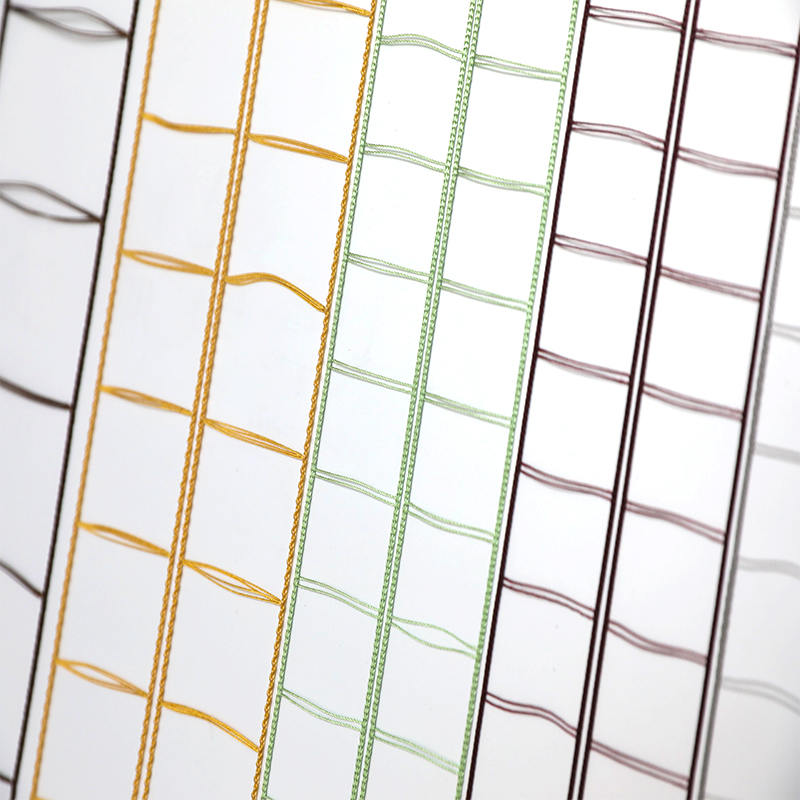
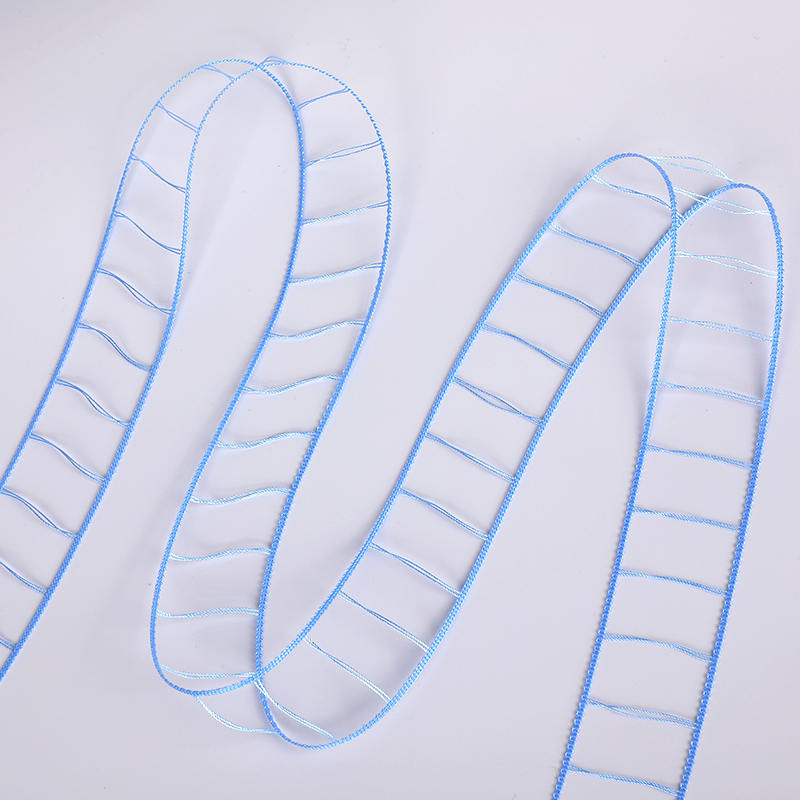
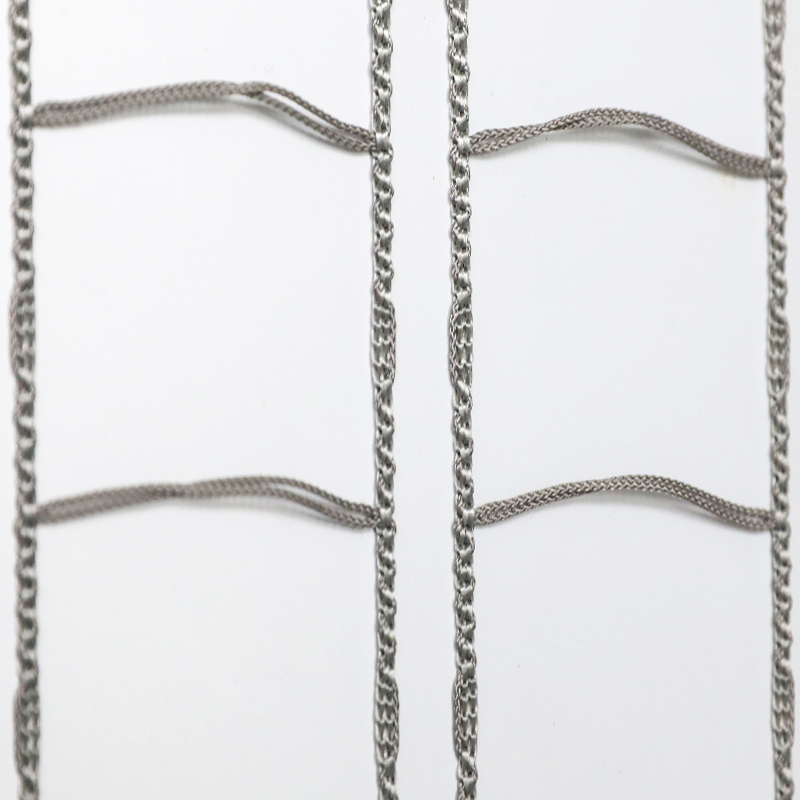
Wooden blinds slats are the defining structural and aesthetic element of one of the most enduringly popular window treatment categories in residential and commercial interior design. Unlike fabric shades or synthetic alternatives, wooden slats bring a warmth, natural grain variation, and material authenticity to a window that no manufactured substitute can fully replicate. The slat — that individual horizontal blade suspended between ladder tapes and threaded with lift cords — does far more than simply block or admit light. It controls the quality and direction of natural light entering a space, contributes substantially to the acoustic and thermal character of a room, and functions as a visible design element whose species, width, finish, and profile define the entire visual character of the blind. For homeowners, designers, and specification professionals making purchasing decisions, understanding what differentiates wooden blind slats across all these dimensions is essential to selecting a product that performs well and looks right for decades.
The production of wooden blind slats begins with the selection and preparation of suitable timber. Logs are sawn into boards, kiln-dried to reduce moisture content to a stable 6–10% range — a critical step that minimizes the dimensional movement the finished slat will experience in service as ambient humidity fluctuates — and then passed through a series of moulding and ripping machines that produce slats of precise width, thickness, and profile. The accuracy of these dimensions is not merely aesthetic: slats that vary significantly in width across a set will produce gaps in the closed blind that compromise both privacy and light control, while slats that vary in thickness will cause uneven tension distribution through the ladder tapes and premature wear of the lift cord system.
After milling to dimension, slats are sanded progressively through finer grit sequences to achieve the smooth surface required for consistent finish absorption. The finishing process — whether staining, painting, or applying a clear lacquer — is applied by spraying or rolling in a controlled environment and then cured by heat or UV exposure depending on the finish chemistry. Multiple finish coats are standard on quality slats, providing a durable surface that resists moisture, UV fading, and the minor abrasion of regular blind operation without requiring the customer to apply any protective treatment before or after installation.
The choice of wood species is the most fundamental variable in wooden blind slat specification, influencing the slat's weight, strength, grain character, color range, dimensional stability, and cost. Different species suit different applications and design contexts, and understanding their relative properties helps buyers make selections appropriate to their specific requirements.
| Wood Species | Weight | Grain Character | Moisture Stability | Best Applications |
| Basswood | Very Light | Fine, uniform | Good | Standard residential, large windows |
| Ramin | Medium | Straight, subtle | Moderate | General use, painted finishes |
| Paulownia | Very Light | Coarse, visible | Good | Budget range, stained finishes |
| Oak | Heavy | Pronounced, attractive | Moderate | Premium residential, feature windows |
| Cedar | Light | Fine, aromatic | Excellent | Humid rooms, bathrooms |
| Bamboo | Light–Medium | Linear, distinctive | Very Good | Contemporary, eco-focused projects |
Basswood is by far the most widely used species in the global wooden blind industry, accounting for the majority of production across all price segments. Its exceptionally fine, straight grain absorbs stain and paint with great consistency, producing a smooth, even finish across all slats in a set — a quality that matters considerably in a product where dozens or hundreds of individual slats are visible simultaneously. Its light weight is a practical advantage for large blinds, where heavier species can make operation noticeably more laborious and impose higher loads on mounting hardware. Cedar's natural oils make it the recommended choice for bathrooms and other humid environments where moisture fluctuations would cause less stable species to warp or twist over time, and its inherent resistance to mold and insect attack provides long-term durability advantages in these applications.
Wooden blind slats are available in three standard width categories — 25mm (1 inch), 35mm (1.5 inches), and 50mm (2 inches) — each producing a distinctly different visual character and practical light control behavior. The choice of slat width should be driven by the scale of the window, the height of the ceiling, and the desired visual density of the blind in its closed and open positions.
The narrowest standard option, 25mm slats produce a fine, closely-spaced horizontal pattern that suits smaller windows, rooms with lower ceilings, and design contexts where a more delicate, detailed aesthetic is appropriate. Because more individual slats are required to cover a given window height, the stacked height of the blind when fully raised — the bulk of slats, ladder tapes, and lift cords gathered at the top of the window — is proportionally greater than for wider slat options, which can reduce the useful glazed area visible when the blind is fully open. In small windows, however, the finer proportion of 25mm slats looks more balanced than the wide, chunky appearance that 50mm slats can produce at small scales.
The 35mm width occupies a versatile middle ground that suits a wide range of window sizes and interior styles without the visual extremes of the narrowest or widest options. It is particularly well-suited to standard residential window sizes in the range of 600mm to 1200mm width, producing a proportionally balanced blind that feels neither too fine nor too architectural. Many designers consider 35mm the default recommendation for residential projects where no specific design rationale points toward a narrower or wider alternative.
The widest standard slat width makes an architectural statement in proportion to the window size. On large windows — particularly floor-to-ceiling glazing in rooms with high ceilings — 50mm slats produce a bold, graphic horizontal rhythm that reads as a deliberate design element rather than simply a window covering. They also stack to the least bulk when raised, maximizing the clear view through the glazing. In rooms with standard ceiling heights and smaller windows, 50mm slats can appear oversized and dominant, so this width is most effectively specified for large-scale applications where its proportional boldness is an asset rather than a liability.
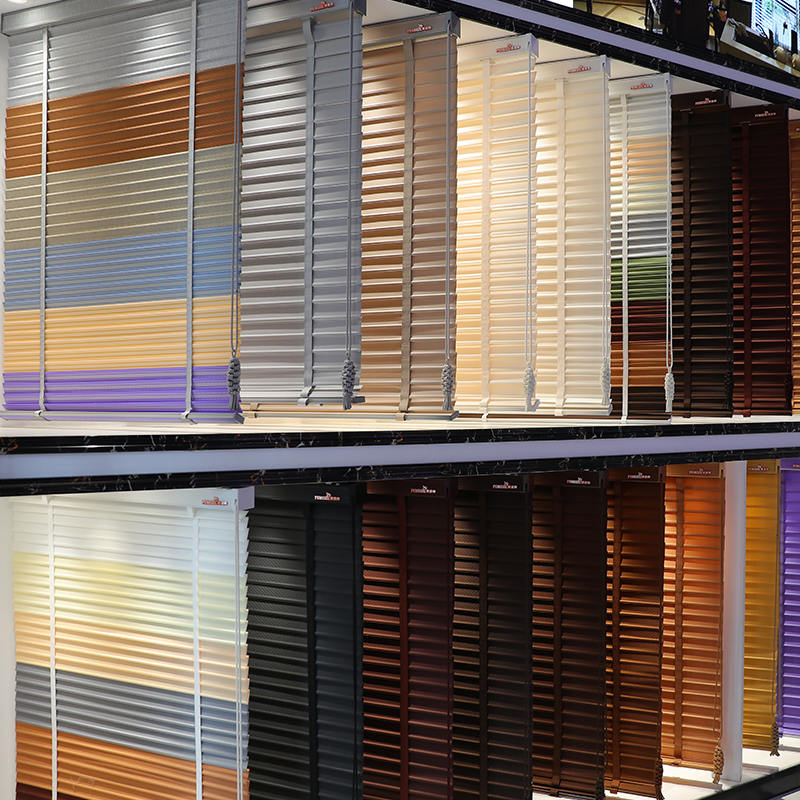
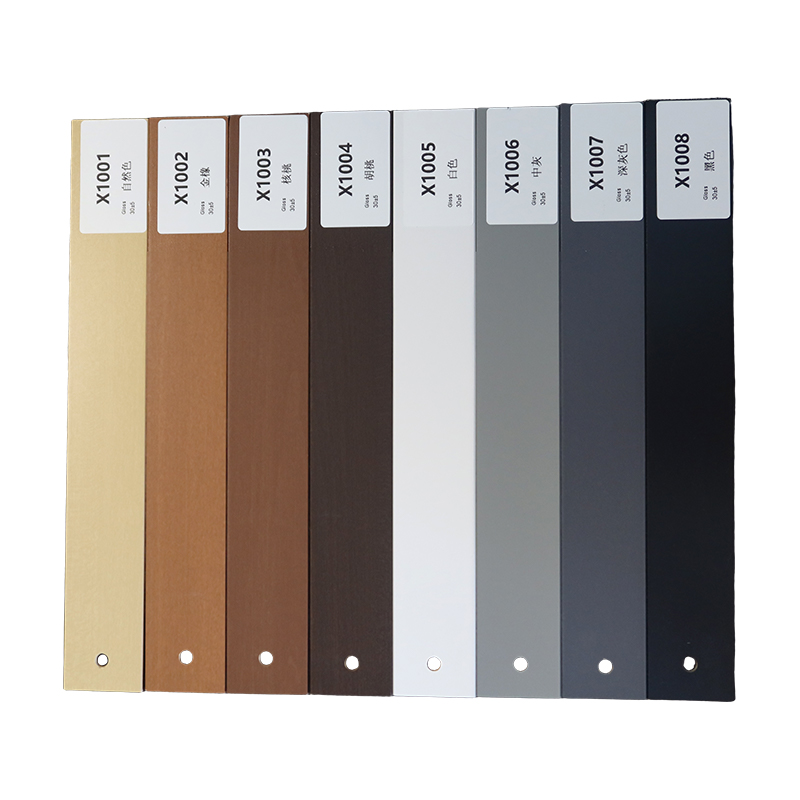
The finish applied to wooden blind slats determines their color, sheen level, surface durability, and how convincingly they complement or contrast with other timber elements in a room. The range of finishing options available from quality manufacturers is extensive, spanning natural wood tones, painted colors, and decorative effects.
Standard wooden blind slat thickness ranges from 2mm in budget-grade products to 4.5mm in premium ranges, with 3–4mm being the most common specification across the mid-market. Thickness is not simply a quality indicator — it has direct practical implications for the slat's rigidity, its light-sealing performance when closed, and the weight of the assembled blind. Thicker slats are stiffer and less prone to warping, flex less under their own weight in wide blinds, and overlap more effectively when the blind is closed, providing better light blockage across the slat-to-slat joints. In wide blind applications — particularly widths above 120cm — the additional rigidity of a 3.5mm or 4mm slat is a meaningful practical advantage over a 2.5mm equivalent that may bow visibly along its length in wide panels.
Slat profile — the cross-sectional shape — is typically either flat or slightly crowned (curved along its width). Flat slats produce a clean, contemporary look and stack very compactly when raised. Crowned slats have a gentle upward curvature across their width that provides additional structural stiffness — allowing a given thickness to span wider without visible sagging — and creates a subtle shadow line along each slat edge that adds visual depth to the blind face. The choice between flat and crowned profiles is largely aesthetic for standard window widths, but for wide blinds above 180–200cm, a crowned profile or increased slat thickness is advisable to maintain a flat, even appearance across the full width of the blind.
One of the significant practical advantages of wooden venetian blinds over fabric shades or cellular blinds is that individual damaged or stained slats can be replaced without replacing the entire blind. This repairability significantly extends the effective service life of a wooden blind installation and makes it a more sustainable long-term investment. Understanding the replacement process allows homeowners to maintain their blinds in good condition with minimal cost and effort.
Wooden blind slats require more careful maintenance than synthetic alternatives but respond well to consistent, appropriate care that keeps them clean, preserves their finish, and prevents moisture-related warping. Establishing a regular maintenance routine from the time of installation is far more effective than attempting to restore neglected slats.
Making the optimal wooden blind slat selection requires balancing visual goals, practical performance requirements, and budget across the key variables of species, width, finish, and thickness. Begin by assessing the window size and ceiling height — these parameters drive the slat width selection more than any other factor. For windows above 150cm wide, prioritize slat thickness of at least 3.5mm or a crowned profile to ensure the slats span without visible sagging. For rooms with high moisture levels, specify cedar or bamboo species regardless of other aesthetic preferences, as dimensional stability in humid conditions is a non-negotiable practical requirement that overrides stylistic preferences.
Match the finish tone to the existing timber elements in the room — flooring, furniture, and architectural woodwork — rather than trying to match them exactly. A complementary relationship between the blind slat tone and other timber elements, with deliberate contrast where desired, typically produces more sophisticated results than an overly matched approach that can look formulaic. Finally, consider the light quality desired when the blind is partially closed — lighter, natural-toned slats filter light with a warm, honey-tinted quality, while darker stained slats produce a moodier, more dramatic filtered light effect. This interplay between slat finish and filtered light quality is one of the most distinctive and rewarding characteristics of wooden blinds as a window treatment, and it is worth evaluating by requesting slat samples and observing them in the actual light conditions of the installation space before finalizing the specification.