 "navigation"


02
Content
Metal blinds collect more airborne grease and dust than most people expect. If the slats in your kitchen stick when you tilt them, or the ladder cords look dull gray instead of white, the cause is usually neglected routine cleaning rather than a defect in the blinds themselves. The good news is that aluminum Venetian blinds are among the easiest window coverings to restore, provided you use the right sequence: dust first, wash with mild detergent, dry thoroughly, and inspect the cord system before rehanging them.
Most metal blinds are made from aluminum, and the finish determines how aggressively you can clean them. Painted slats scratch more easily than anodized ones, while bare aluminum can develop white oxidation spots if moisture sits on the surface for long. Check the manufacturer's cleaning instructions first, and test your chosen cleaner on the bottom slat in an inconspicuous spot before cleaning the whole blind.
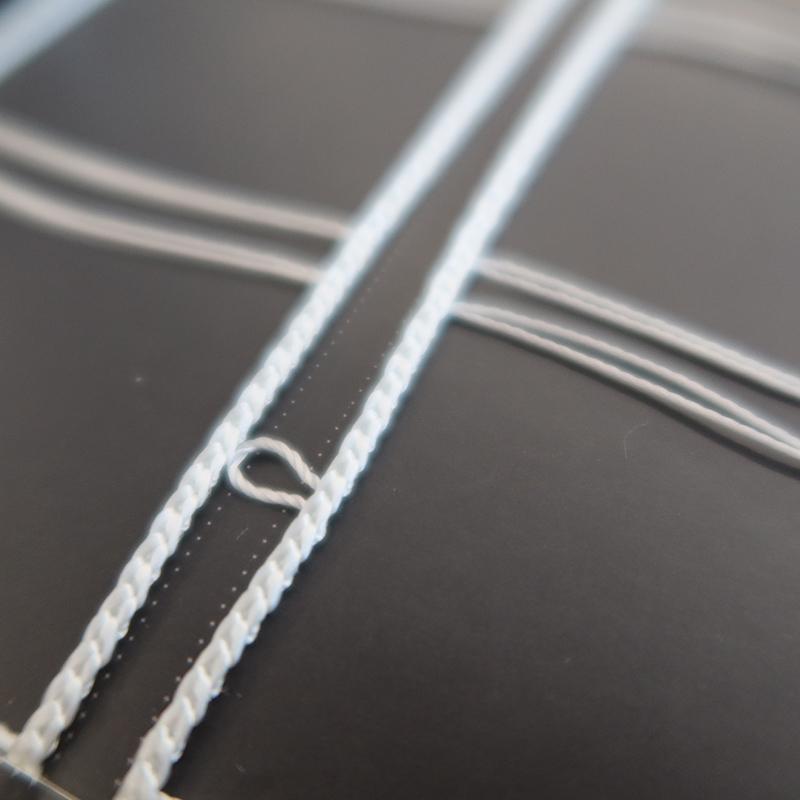
It also helps to understand what you are actually cleaning. A typical aluminum Venetian blind has four main components: the slats, the ladder cord or ladder tape that holds the slats level, the lift cord that raises and lowers the blind, and the tilt mechanism inside the headrail. Water that reaches the headrail can wash out lubricants and cause small springs to rust, which is why the best cleaning methods keep moisture away from the top of the blind.
You do not need specialized products. Most routine cleaning can be done with items you already own:
Avoid ammonia-based glass cleaners, bleach, abrasive powders, and strong degreasers. These can strip the protective coating on painted or anodized aluminum and leave permanent streaks that are visible every time the light hits the slats.
Close the blind fully so the slats create one flat surface, then dust from top to bottom with a microfiber cloth wrapped around your fingers. For large windows, the vacuum with a soft brush attachment is faster: run it horizontally across the closed slats, then flip the blind and repeat on the opposite side. This single step removes about 80 percent of the loose dust and makes the wet cleaning step far quicker.
When the slats have dust plus light grease, mix a few drops of mild dish soap into a bowl of lukewarm water. Wring a microfiber cloth until it is damp, not dripping, and wipe each slat from the center toward the edges, top surface first. Then turn the blind and wipe the underside. Do not flood the slats; excess water runs along the ladder cords toward the headrail and creates problems you cannot see until the mechanism starts sticking.
For stubborn spots, hold a dry cloth behind the slat and press with the damp cloth on the front so you avoid bending the metal.
If the blinds have sticky kitchen grease or years of accumulated grime, the fastest method is a full soak. Remove the blinds from the window, retract them completely, and place them in a bathtub filled with lukewarm water and a small amount of mild detergent. Let them soak for five to ten minutes, no longer, because the ladder cords absorb water and can stretch out of shape. Gently move the blind back and forth in the water to loosen dirt, then rinse with clean water. Keep the shower head aimed at the slats, not at the headrail.
Dampness is the main enemy of both aluminum slats and the cords that support them. Pat the blind with a towel, then hang it in the shower or over the bathtub with the slats slightly open so air can circulate. Let the ladder cords and lift cords dry fully before rehanging. Putting a wet blind back on the window invites water spots, oxidation, and stretched cords that make the slats hang unevenly.
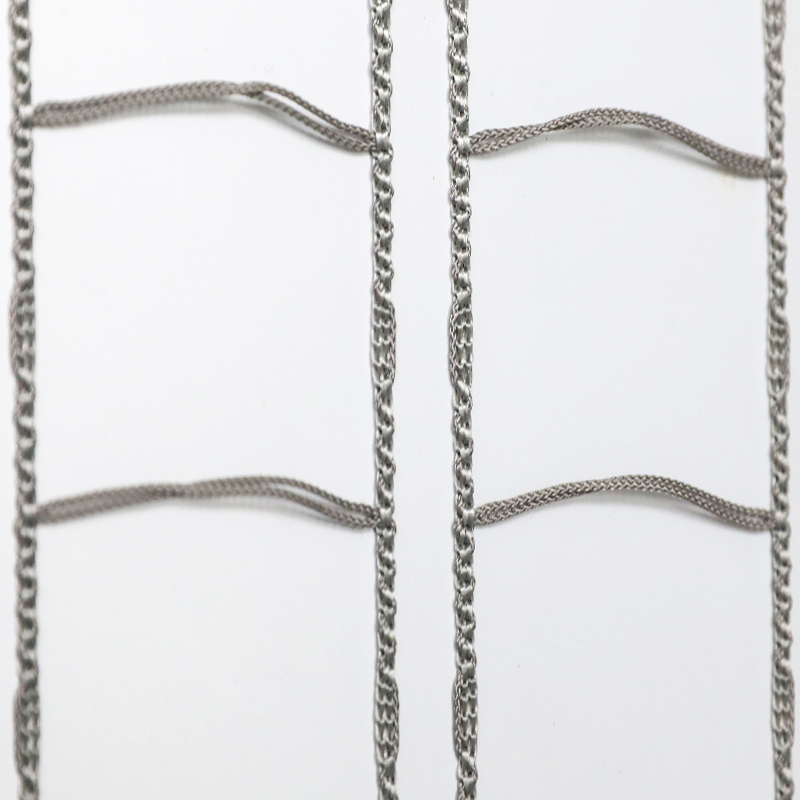
The parts that hold a metal blind together take the most stress and are usually the first to fail. Ladder cords and ladder tapes collect dust and grease, stiffen over time, and eventually crack where they fold around the slats. Lift cords that tangle or kink make the blind frustrating to operate and can strain the internal mechanism.
While cleaning, look for these warning signs: slats that no longer sit level, a ladder cord with frayed sections, a lift cord that catches or tangles when you pull it, and any stiffness in the tilt cord. If the ladder cord has stretched unevenly, installing a replacement ladder cord restores the slats to a level line without replacing the entire blind.
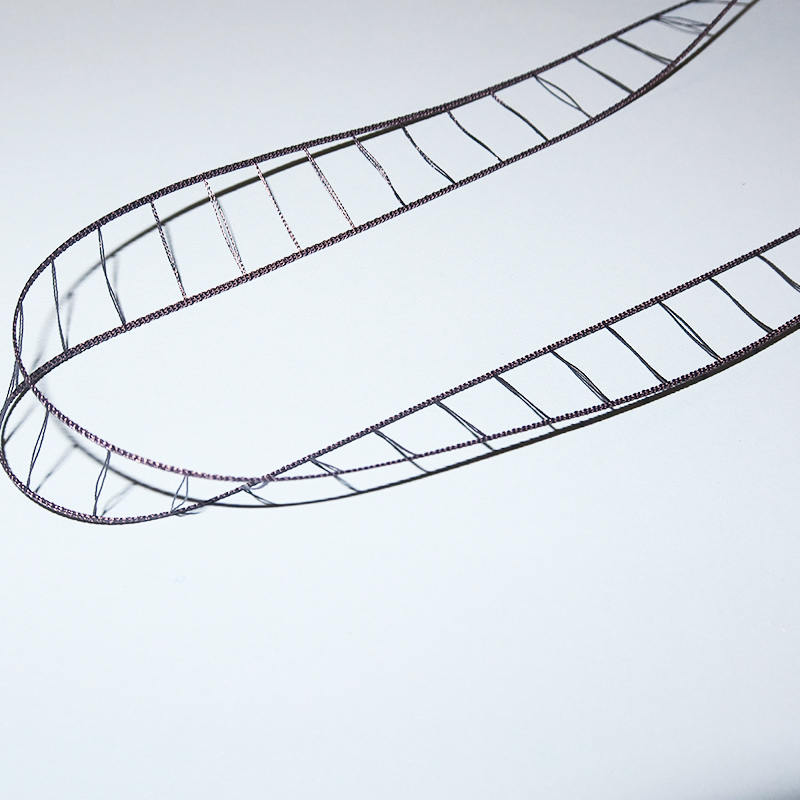
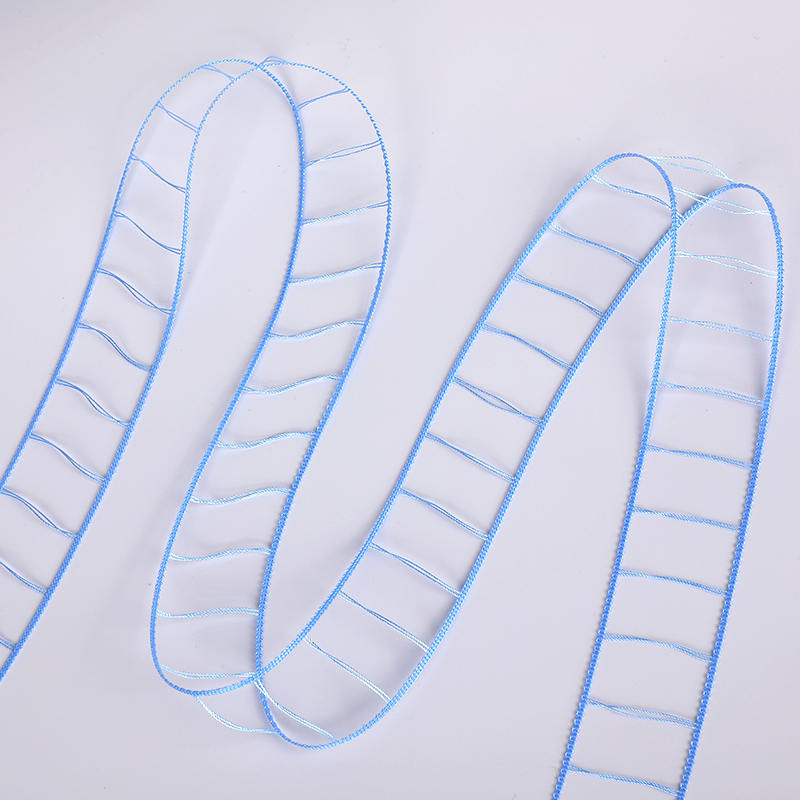 Regular Blinds Ladder Cord Manufacturers, Wholesale FactoryHangzhou Youpu Decoration Materials Co., Ltd is China Wholesale Regular Blinds Ladder Cord Manufacturers and Regular Blinds Ladder Cord F...View Product →
For blinds that are cleaned frequently, the cord material matters more than many owners realize. A quality aluminum blinds cord resists tangling and stays flexible through repeated washing and drying cycles, so you spend less time fighting with the mechanism and more time with clean, well-functioning blinds.
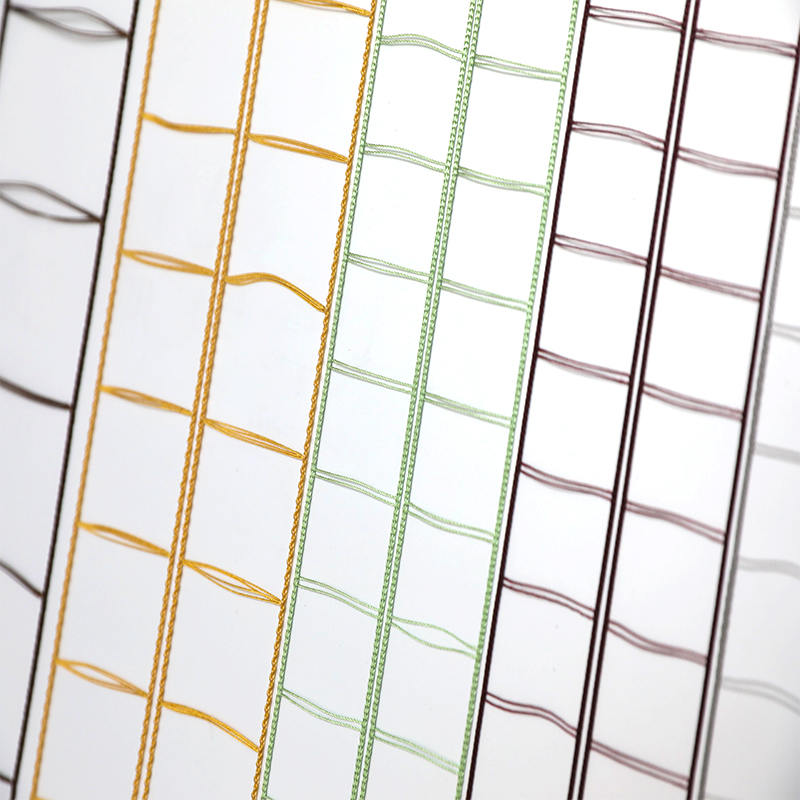
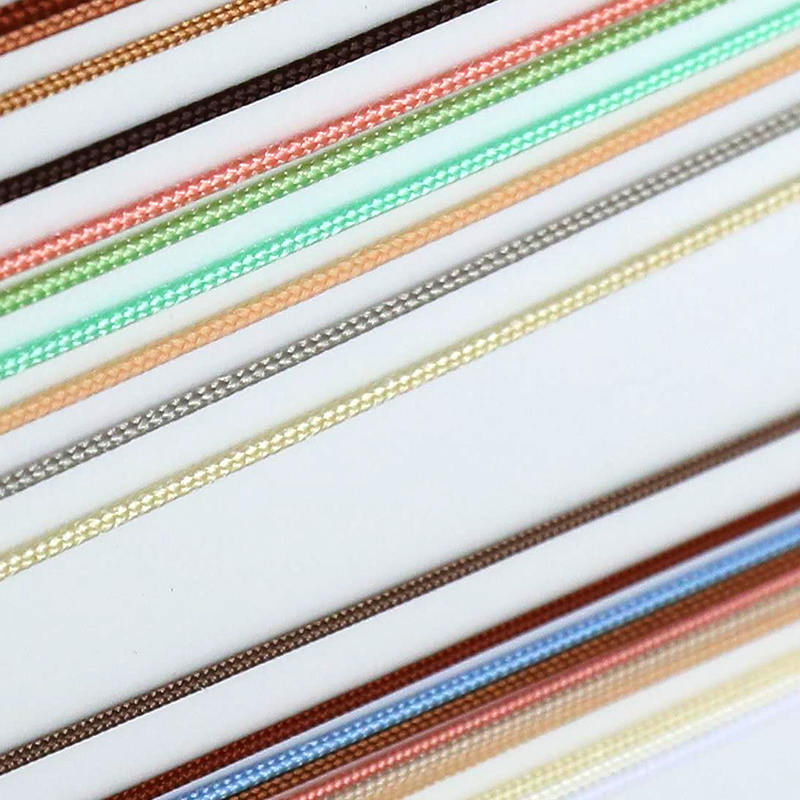 Aluminum Blinds Cord Manufacturers, Wholesale FactoryHangzhou Youpu Decoration Materials Co., Ltd is China Wholesale Aluminum Blinds Cord Manufacturers and Aluminum Blinds Cord Factory, offe...View Product →
Some metal blinds use fabric lift tape instead of cord. If the tape becomes stiff or frayed after years of use, matching blinds lift tape replacements are available in different widths to suit the original hardware.
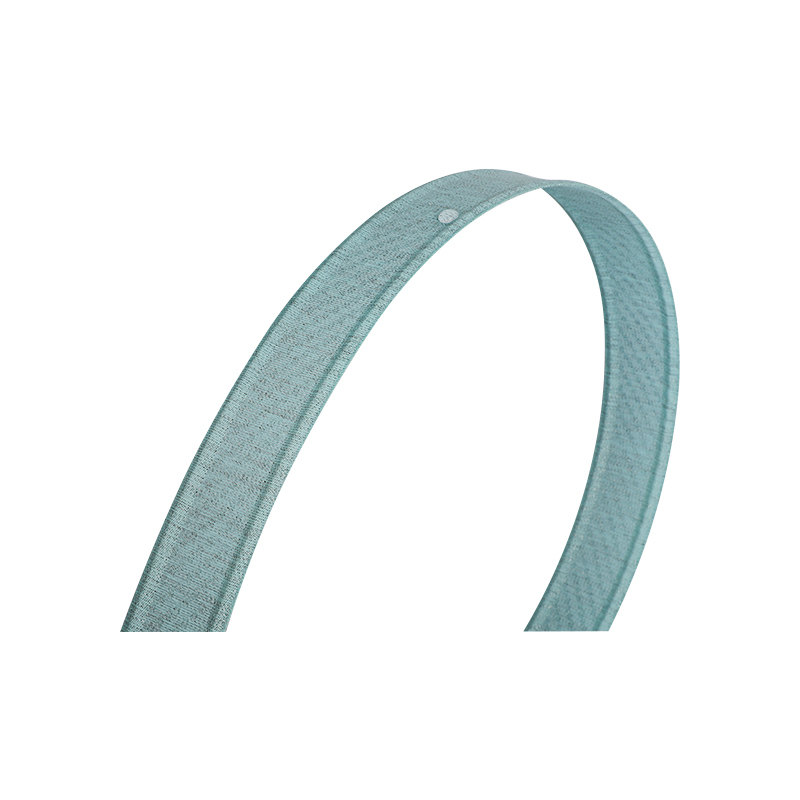
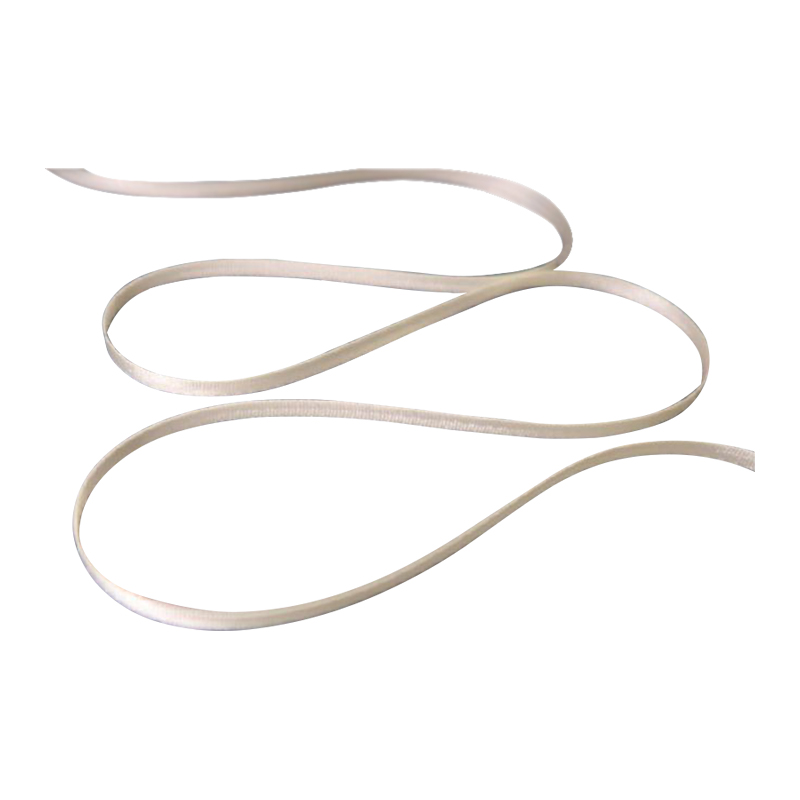 Blinds Lift Tape Manufacturers, Wholesale FactoryHangzhou Youpu Decoration Materials Co., Ltd is China Wholesale Blinds Lift Tape Manufacturers and Blinds Lift Tape Factory, offer wholes...View Product →
The most common cause of damage is not washing too often but using too much water. Damp cloth, gentle pressure, and thorough drying will keep aluminum blinds looking new for years.
How often you clean depends on where the blinds are installed. Kitchens and bathrooms require more frequent attention because airborne grease and humidity settle on the slats quickly.
| Location | Dusting frequency | Deep cleaning frequency |
|---|---|---|
| Kitchen | Weekly | Monthly, or when grease becomes visible |
| Bathroom | Weekly | Every 1 to 2 months |
| Bedroom and living room | Every 1 to 2 weeks | Every 3 to 4 months |
| Office or low-traffic room | Every 2 weeks | Twice a year |
Following general blinds maintenance rules will catch small problems before they become expensive repairs. If the ladder cord or lift cord needs replacement, do it at the same time as the deep cleaning rather than waiting for the blind to fail while in use.
For households that clean metal blinds regularly, the payoff is smooth operation and fresher-looking windows. When you do encounter a tangled cord, understanding why aluminum blind cords tangle helps you choose a more reliable replacement the next time. And if you need help identifying the correct cord or tape for your blind, contact our technical team; we manufacture ladder cords, lift tapes, and related window covering components for the industry.