 "navigation"


02
Content
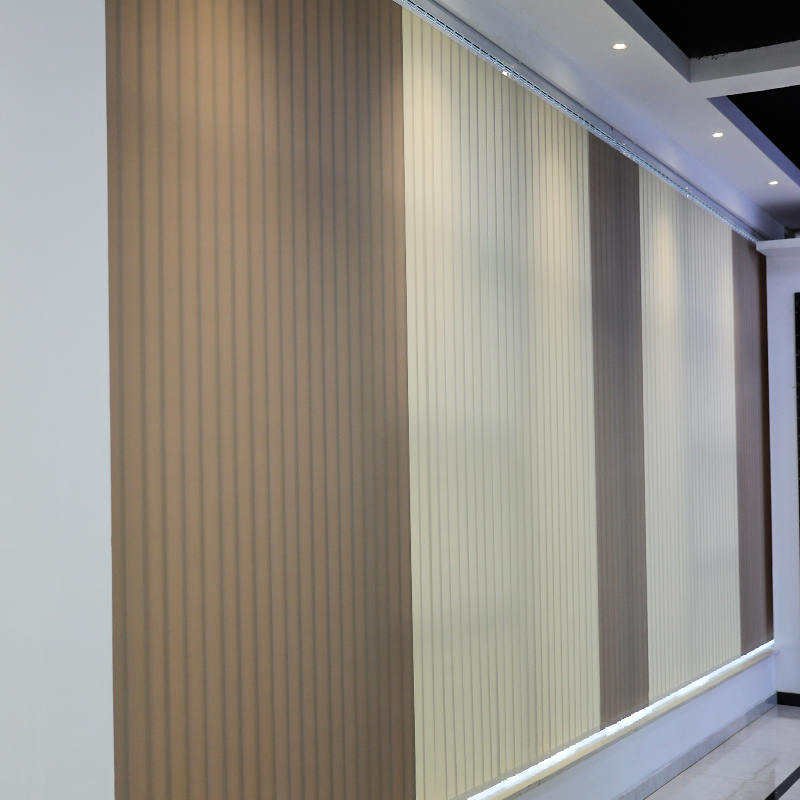
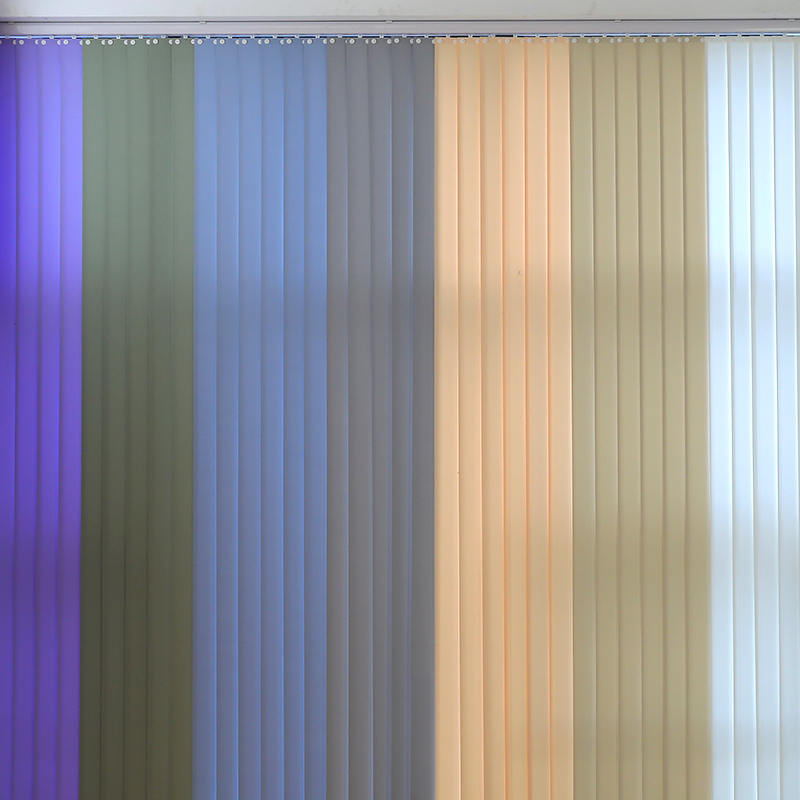
Vertical fabric blinds are a window covering system made up of long, hanging vertical slats crafted from woven or non-woven fabric, suspended from a top-mounted track and connected at the base by a chain to keep the slats aligned. Unlike horizontal blinds, which stack slats one above another, vertical blinds rotate along their vertical axis and slide horizontally along the track, making them particularly well suited for wide windows, sliding glass doors, and patio door openings where horizontal movement offers more practical light and privacy control.
The fabric construction of these blinds distinguishes them from vertical blinds made of PVC or aluminum, offering a softer visual texture and a wider range of color and pattern options. This makes fabric vertical blinds a popular choice for both residential living spaces and commercial office environments, where a balance of function and aesthetic appeal is often required.
Vertical fabric blinds function through two primary types of movement: rotation and traverse. Rotation refers to the slats turning on their vertical axis, which adjusts the angle of the fabric to control how much light enters the room without fully opening or closing the blinds. Traverse movement refers to the slats sliding along the track to one side, fully exposing the window when an unobstructed view or maximum light is desired.
Motorized options have become increasingly popular in recent years, particularly in larger installations or commercial settings where manually operating wide window coverings would be cumbersome or where consistent scheduling of light control is desired.
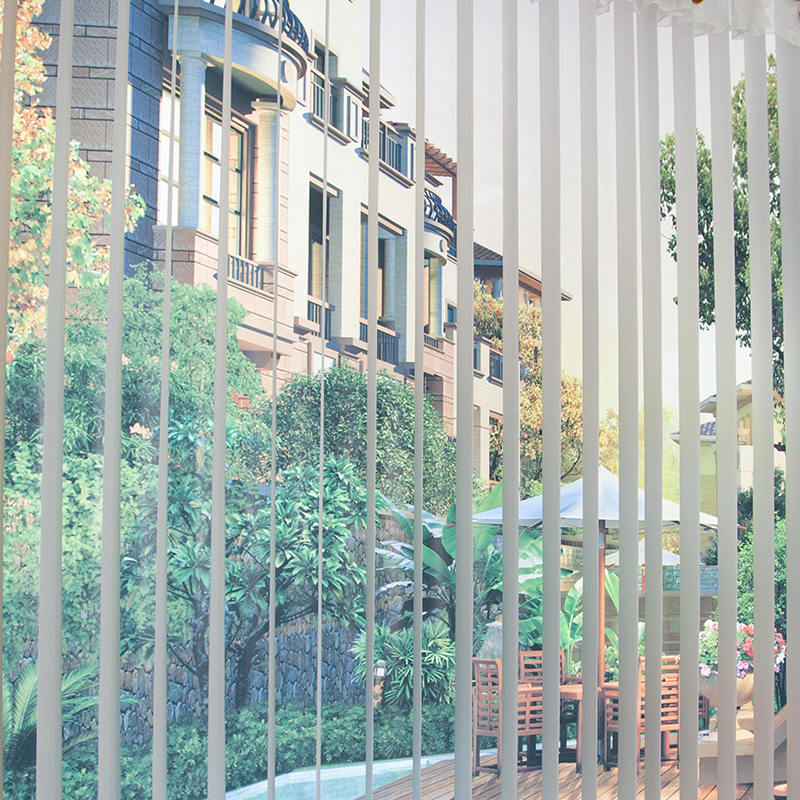
The fabric used in vertical blinds significantly affects light control, privacy level, and overall appearance. Manufacturers typically offer several fabric categories, each suited to different rooms and functional needs.
| Fabric Type | Light Control | Best Suited For |
| Sheer Fabric | Light filtering | Living rooms, dining areas |
| Blackout Fabric | Full light blocking | Bedrooms, media rooms |
| Textured Weave | Moderate filtering | Home offices, commercial spaces |
| Antimicrobial Coated | Varies by base fabric | Healthcare facilities, clinics |
Blackout fabric options are frequently chosen for bedrooms and home theaters, while sheer or textured fabrics are more common in living areas where natural light is still desired even when the blinds are partially closed.
Vertical fabric blinds are widely used in residential settings for sliding glass doors, floor-to-ceiling windows, and large picture windows where their horizontal traverse motion offers a practical advantage over other blind styles. In commercial environments, they are frequently installed in office buildings and conference rooms, where their clean lines and easy operation suit professional interior design while providing effective glare control for computer screens and presentation displays.
Healthcare and educational facilities also make use of vertical fabric blinds, particularly antimicrobial-treated versions, due to their ease of cleaning and ability to control light in shared or high-traffic spaces without compromising hygiene standards.
Regular maintenance keeps vertical fabric blinds looking clean and functioning smoothly over time. Dusting the slats weekly with a soft brush attachment or microfiber cloth prevents dust buildup from settling into the fabric weave, which can otherwise become difficult to remove if left unaddressed for extended periods.
For deeper cleaning, most fabric slats can be spot cleaned using a mild detergent solution and a soft cloth, though it is important to avoid saturating the fabric, as excess moisture can cause warping or discoloration. Some fabric slats are also machine washable if removed from the track, though buyers should always check manufacturer guidelines before attempting to wash them, since fabric weight and coating type can affect how well the material holds up to washing.