 "navigation"


02
Content
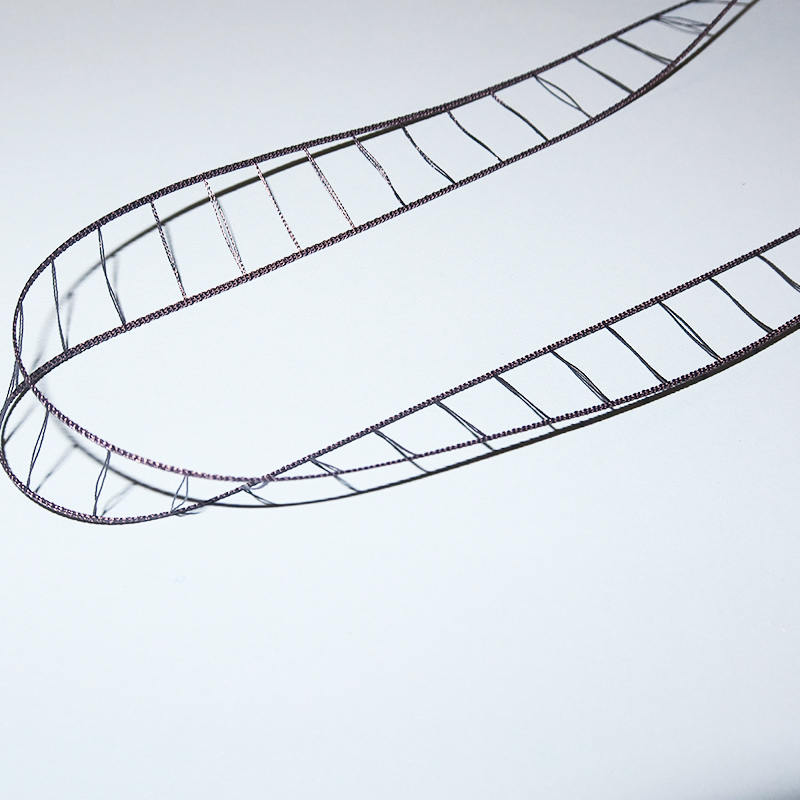
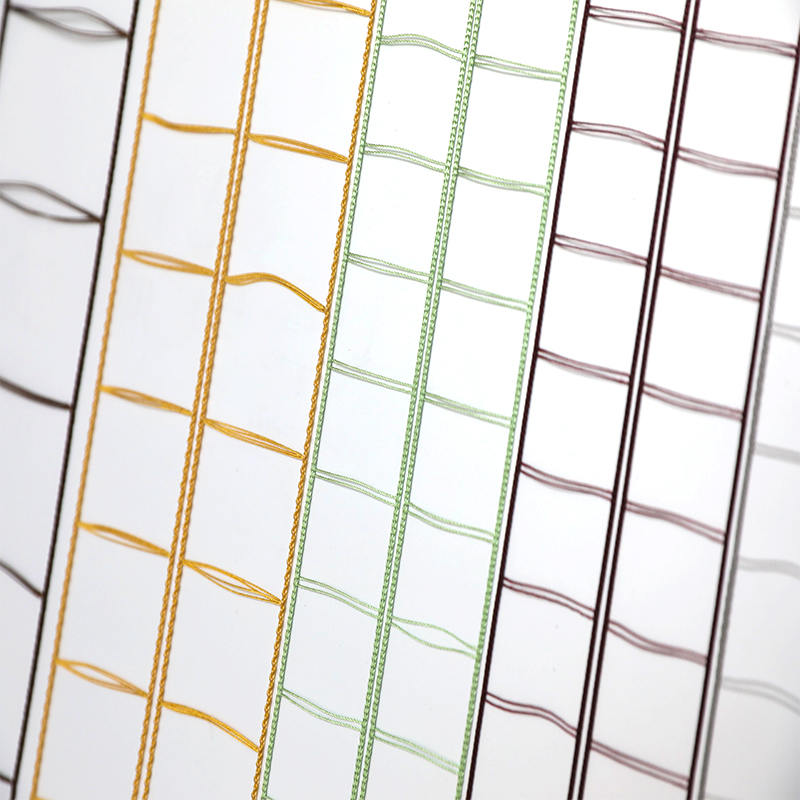
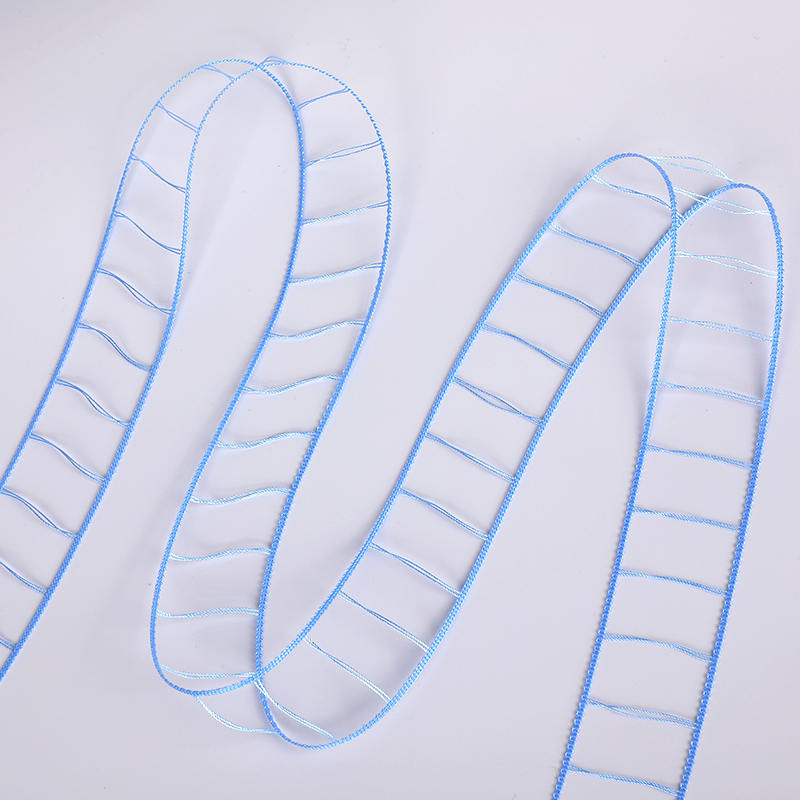
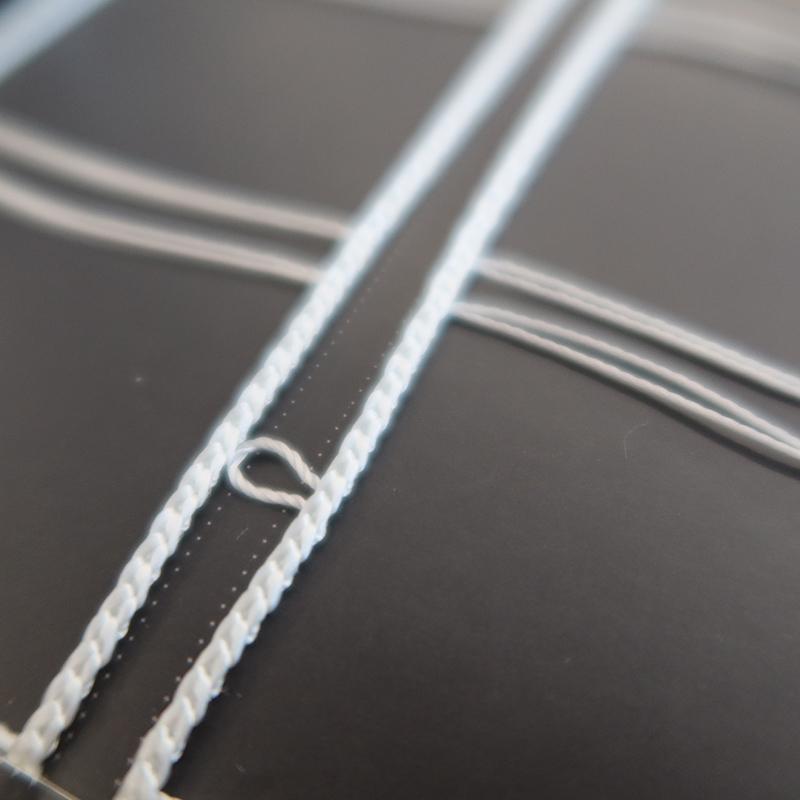
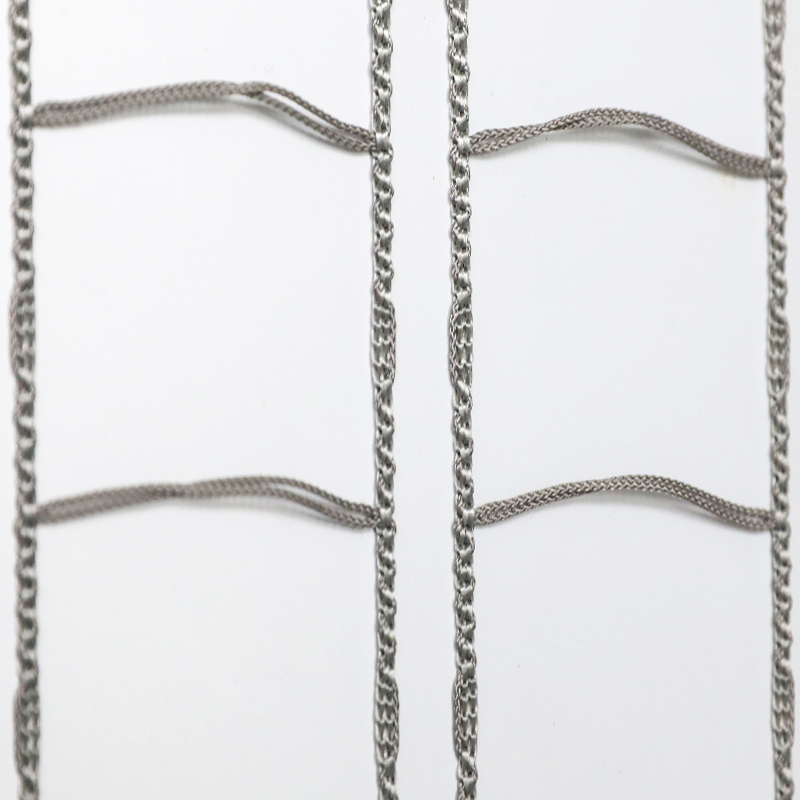
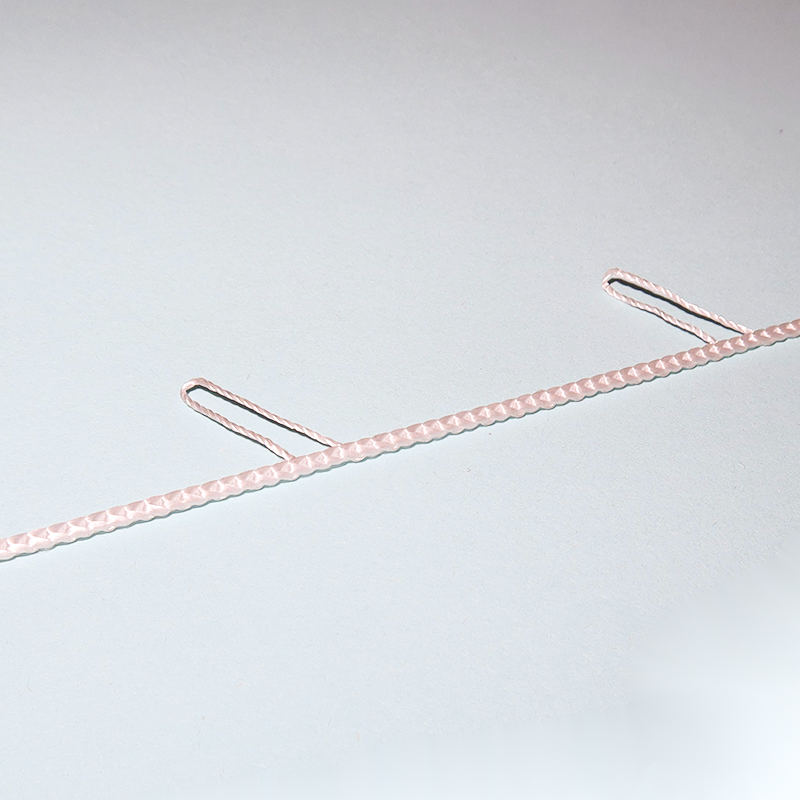
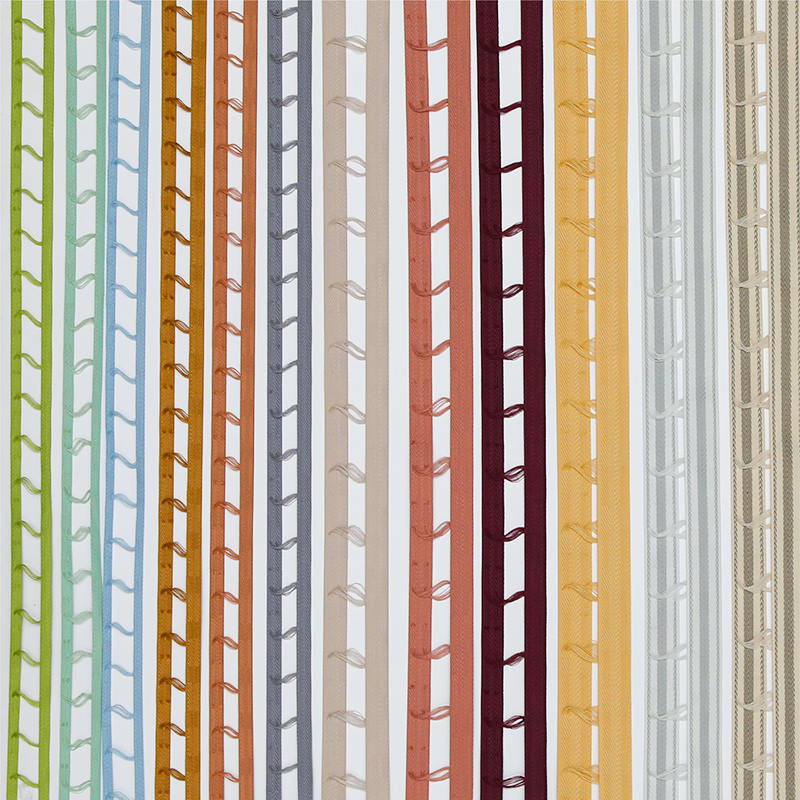
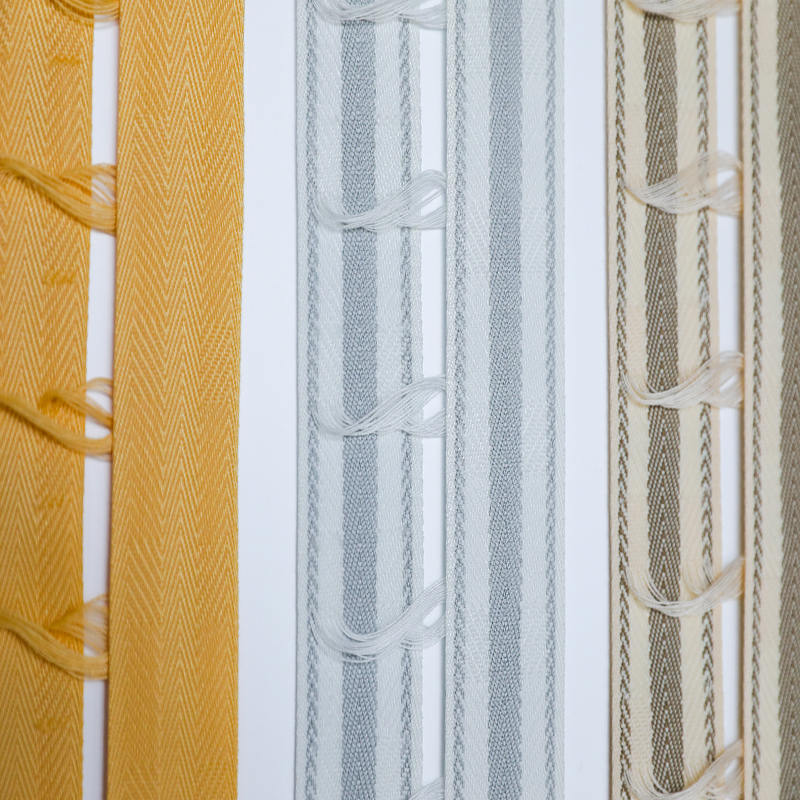
Blinds ladder tape is a woven fabric component used in horizontal venetian-style blinds to hold each individual slat in place while allowing it to tilt open and closed. Structurally, the tape resembles a ladder, with two vertical side rails connected by evenly spaced horizontal rungs, each of which supports one slat along its length. This design allows the entire slat assembly to rotate uniformly when the tilt mechanism is adjusted, controlling how much light passes through the blind.
Although often overlooked compared to more visible components like the headrail or tilt wand, ladder tape plays a foundational structural role in a blind's operation. When ladder tape stretches, frays, or breaks, slats can become misaligned, sag unevenly, or fail to tilt properly, significantly affecting both the blind's appearance and its light control functionality.
Understanding the mechanical role of ladder tape within the broader blind system clarifies why its condition directly affects overall performance and why replacement is sometimes necessary even when other components remain functional.
Each horizontal rung of the ladder tape cradles one slat, holding it at a consistent spacing from the slats above and below. This even spacing is essential for the blind to stack neatly when raised and to present a uniform appearance when lowered and closed.
The top of the ladder tape attaches to a tilt drum or tilt ladder gear located inside the headrail, which connects to the tilt wand or tilt cord control. When the user adjusts the tilt control, this mechanism rotates the ladder tape's side rails in opposite directions, causing all connected slats to pivot simultaneously.
While ladder tape controls slat tilt, a separate lift cord threads through the center of each slat to raise and lower the entire blind assembly. These two systems work independently but must remain properly aligned, since damaged or stretched ladder tape can cause the lift cord to bind or the slats to hang unevenly when the blind is raised.
Ladder tape is manufactured from several material types, each offering different combinations of strength, appearance, and cost. Selecting the appropriate material depends on both the intended aesthetic and the expected durability requirements of the installation.
| Material | Characteristics | Typical Use |
| Polyester Tape | Durable, resists stretching over time | Residential and commercial blinds |
| Cotton Blend Tape | Softer texture, moderate durability | Decorative or vintage-style blinds |
| Nylon Tape | High strength, good moisture resistance | Humid environments, kitchens, bathrooms |
Polyester ladder tape is the most widely used option in modern blinds due to its balance of affordability, strength, and resistance to sagging over long periods of use, while nylon variants are often preferred in environments with higher humidity where moisture resistance is a priority.
Recognizing the early signs of ladder tape wear allows homeowners to address the issue before it leads to more significant blind malfunction or slat damage. Several common indicators suggest that replacement may be necessary.
Because ladder tape is typically installed behind the slats and only partially visible, many of these issues are first noticed through the blind's functional problems rather than direct visual inspection, making it important to periodically check the tape condition during routine cleaning.
Several environmental and mechanical factors contribute to the gradual degradation of ladder tape over the lifespan of a blind installation.
Ultraviolet radiation from direct sunlight breaks down the fibers in ladder tape over time, particularly in windows that receive strong afternoon sun. This UV exposure causes the tape to become brittle and prone to tearing, often before other blind components show comparable wear.
Frequent tilting and raising of the blind places ongoing mechanical stress on the ladder tape's rungs and side rails. Over years of daily use, this repeated stress can cause the tape to stretch or the stitching to loosen at connection points near the headrail.
In bathrooms, kitchens, or other humid environments, ladder tape made from moisture-absorbent materials like cotton blends can weaken more quickly than synthetic alternatives, particularly if the tape does not fully dry between periods of high humidity.
When ladder tape needs to be replaced, matching the new tape to the existing blind's specifications is essential for proper fit and function. Several measurements and characteristics should be confirmed before ordering replacement material.
The spacing between rungs on the ladder tape must match the slat spacing of the existing blind assembly. Using tape with incorrect rung spacing can cause slats to sit unevenly or fail to nest properly when the blind is raised.
Ladder tape width should correspond to the slat width of the blind, since narrower slats typically use correspondingly narrower tape to maintain proper proportion and avoid visible tape edges beyond the slat when closed.
While ladder tape is largely concealed when slats are closed, it becomes more visible when the blind is tilted open, particularly in blinds with wider slats. Selecting a tape color that complements or matches the slat color helps maintain a cohesive appearance throughout the blind's range of motion.
Replacing ladder tape typically involves removing the blind from its mounting brackets, detaching the bottom rail and lift cords, and carefully sliding out each slat from the old ladder tape's rungs. The new tape is then threaded through the headrail's tilt mechanism, and each slat is reinserted into the corresponding rung before the bottom rail and lift cords are reattached.
This process requires careful attention to maintaining consistent slat order and orientation, since installing slats in the wrong sequence or upside down can affect how the blind stacks and functions once reassembled. For blinds with complex tilt mechanisms or motorized components, consulting the manufacturer's specific replacement instructions helps avoid damage to other functional parts during the tape replacement process.
Simple maintenance habits can meaningfully extend the service life of ladder tape and delay the need for replacement. Regular dusting of the blinds prevents dirt buildup that can accelerate fiber wear, while periodically checking for early signs of fraying allows for proactive replacement before a full failure disrupts the blind's operation.
For windows receiving intense direct sunlight, using sheer curtains or window films to reduce UV exposure can help slow the degradation process, extending the usable life of both the ladder tape and the slats themselves. Avoiding excessive force when tilting or raising the blind also reduces mechanical strain on the tape's stitching and connection points over time.
Blinds ladder tape may be a hidden component, but its condition directly determines how smoothly and evenly a blind operates over its lifespan. By understanding the signs of wear, selecting the correct replacement specifications, and following simple maintenance practices, homeowners can keep their blinds functioning reliably and looking their best for many years of continued use.