 "navigation"


02
Content
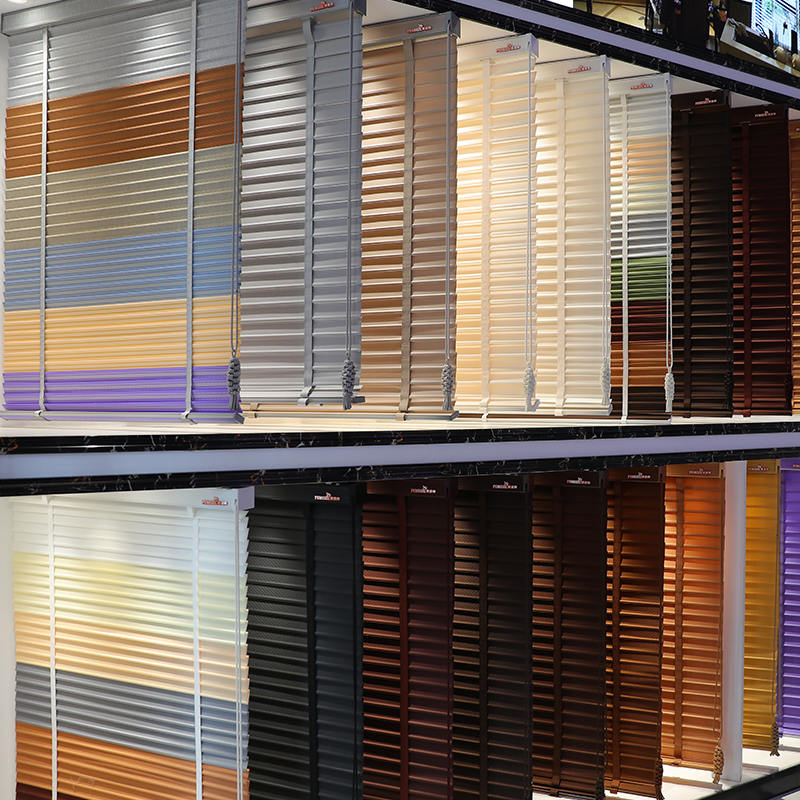
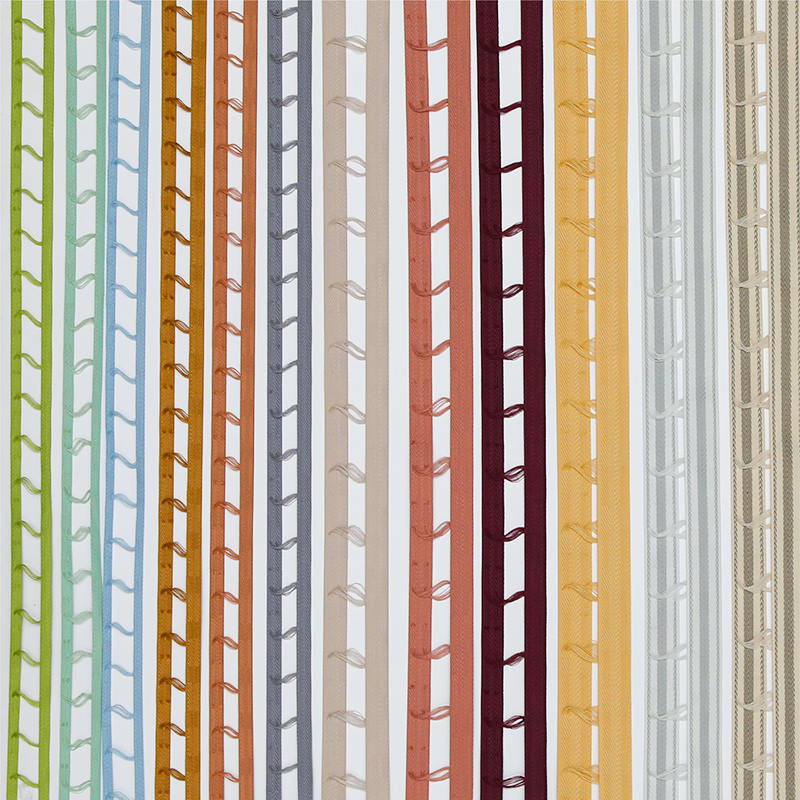
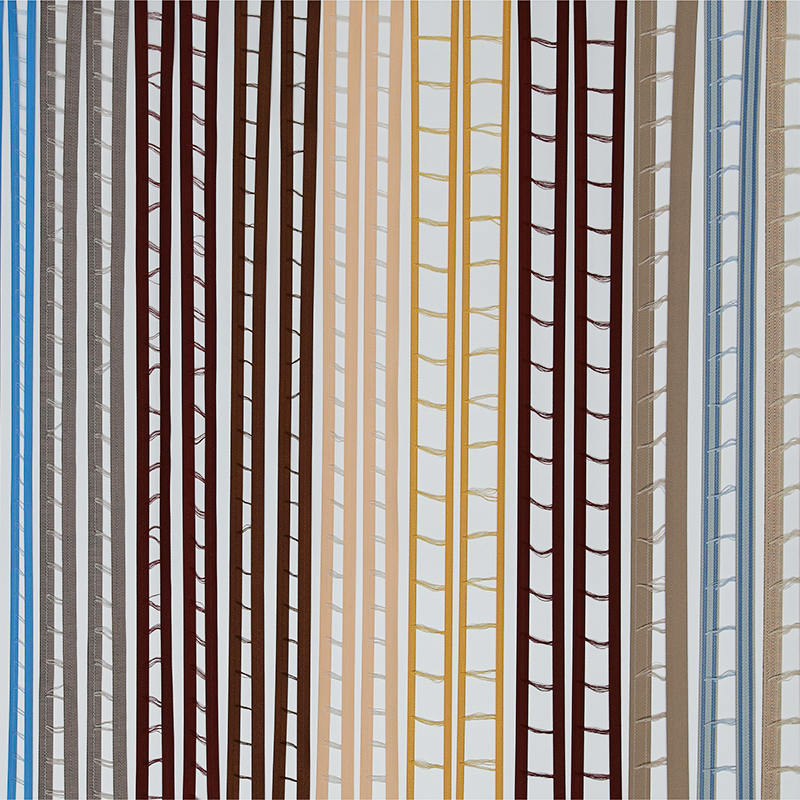
Horizontal fabric blinds are a window covering system built around a series of parallel slats arranged in a stacked horizontal formation. Unlike vertical blinds that hang from a top track, or roller blinds that use a single continuous sheet of fabric, horizontal fabric blinds operate through the coordinated movement of individual slats that can be tilted to control light direction or stacked neatly at the top of the window when fully raised. The slat is the fundamental functional unit of this system — its material, width, texture, and weave density determine everything from how much natural light enters a room to how effectively the blind insulates against heat and noise. Understanding how slats are constructed and what options are available is the essential starting point for anyone selecting horizontal fabric blinds for residential or commercial interiors.
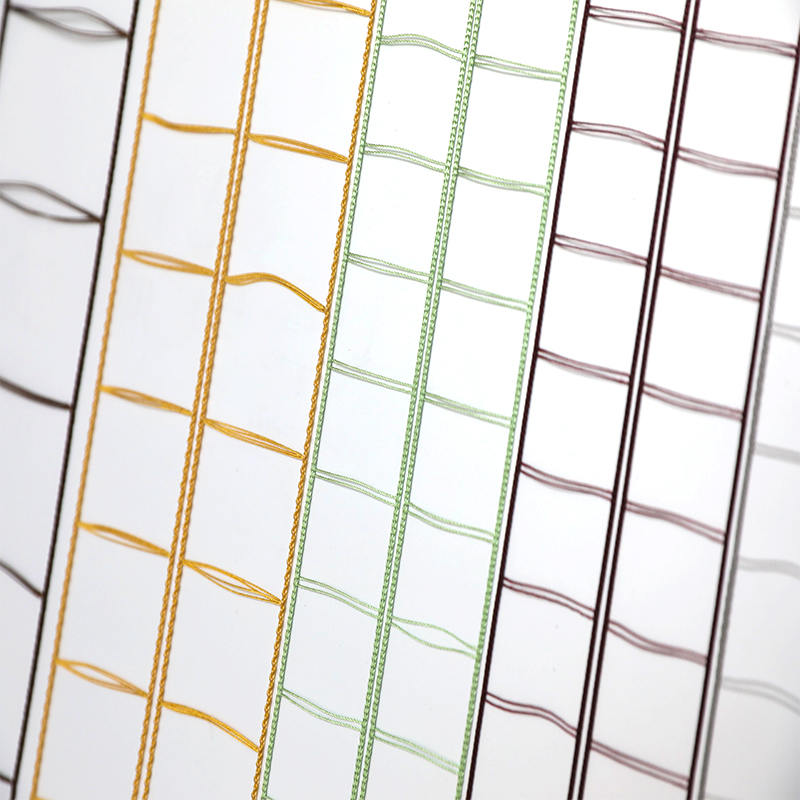
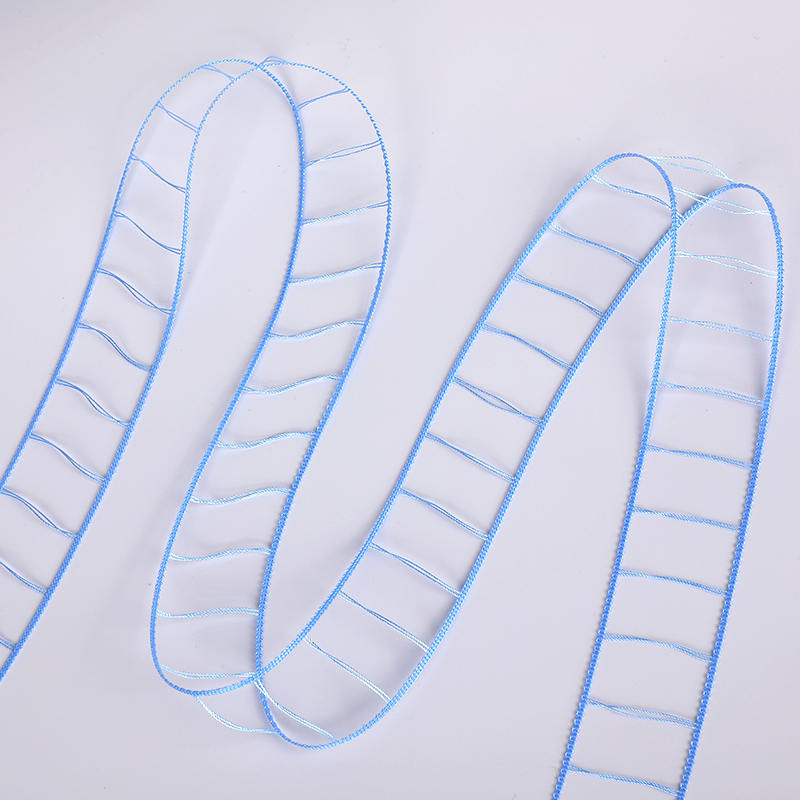
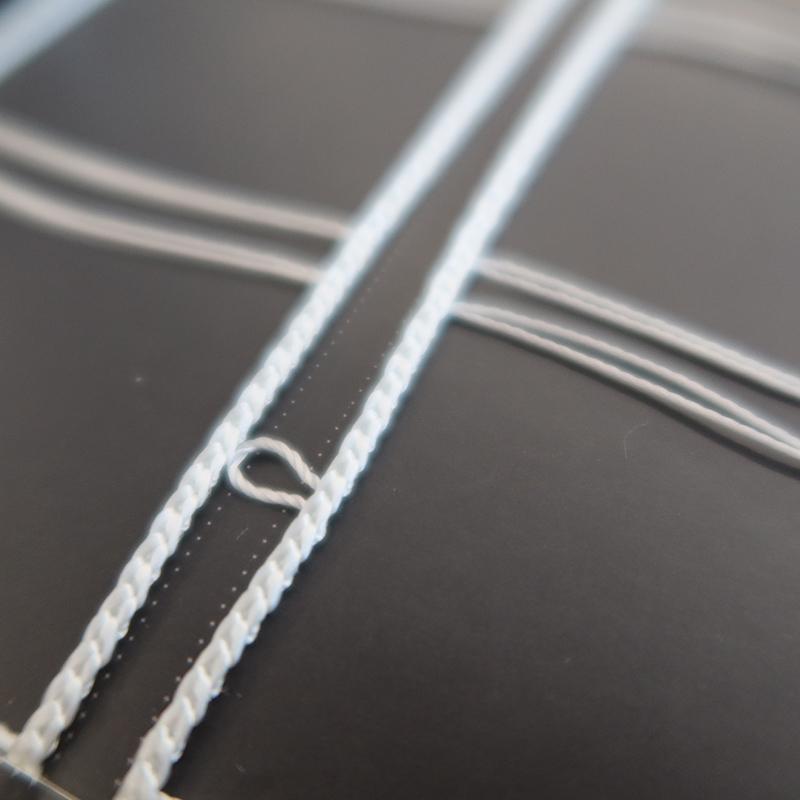
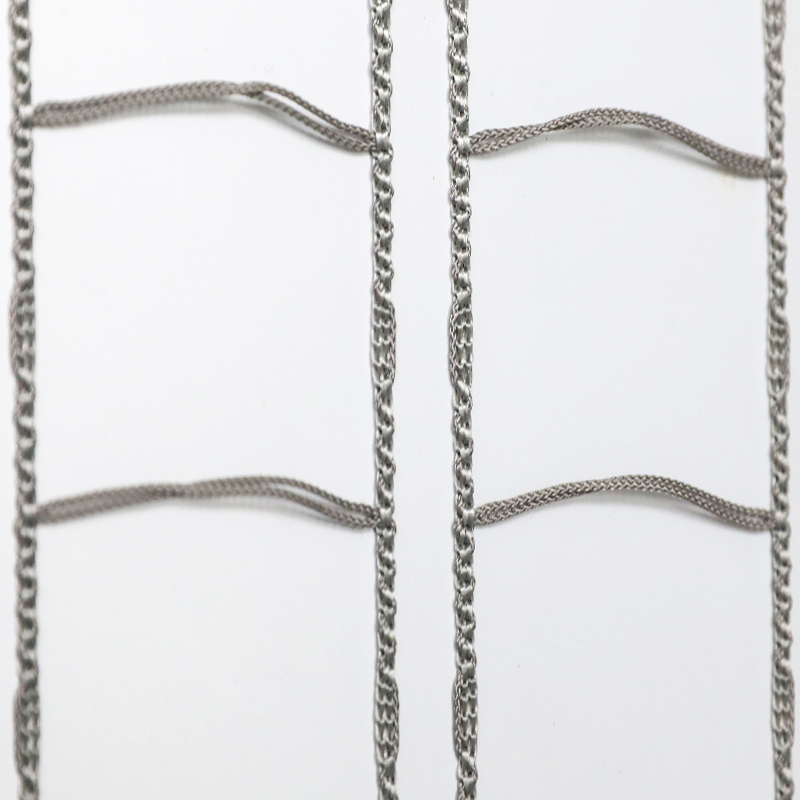
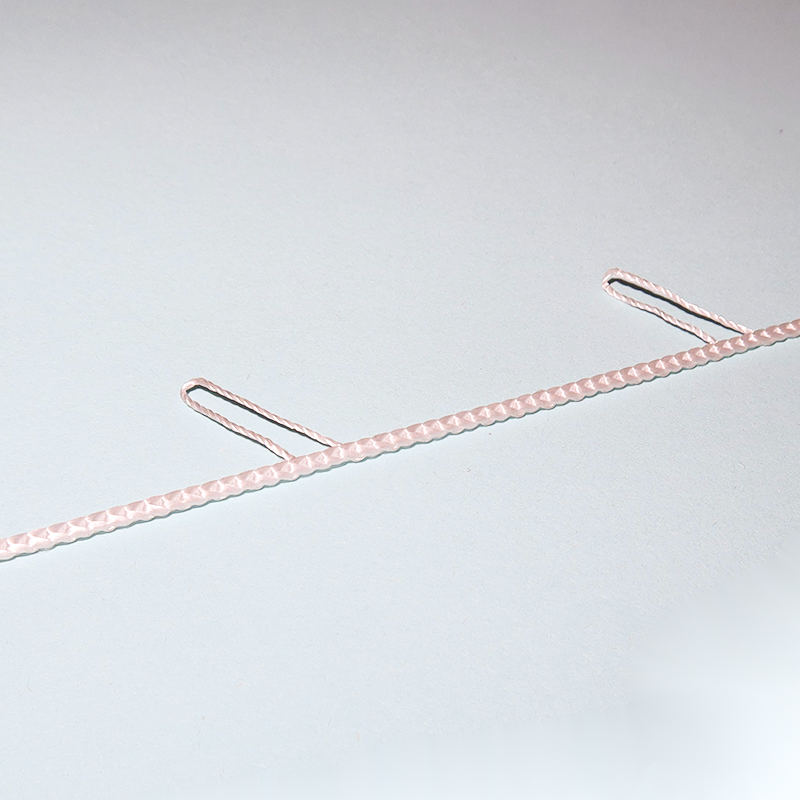
The operating mechanism works by threading a ladder tape or cord ladder through the slats at regular intervals, allowing all slats to tilt simultaneously when the control rod or wand is rotated. A lift cord system then allows the entire stack of slats to be raised or lowered to the desired height. This combination of tilt and lift functions gives horizontal fabric blinds a level of light and privacy control that is highly versatile — the user can admit diffused daylight while maintaining privacy, block direct sun glare while preserving an outward view, or achieve complete blackout by closing slats tightly and lowering the blind fully.
The defining characteristic that separates fabric slats from aluminum or wood slats is the role that weave structure and fiber composition play in managing light. Fabric slats are woven from synthetic or natural fibers — polyester, fiberglass, PVC-coated yarn, cotton, or blended materials — and the density and openness of the weave directly controls the amount of light that passes through each individual slat when it is in the closed position. This creates a spectrum of light-filtering options that is unique to fabric as a slat material.
| Fabric Type | Openness Factor | Light Effect | Best Application |
| Sheer / Open Weave | 5% – 14% | Soft diffused glow, view-through | Living rooms, offices with views |
| Semi-Open Weave | 3% – 5% | Filtered light, reduced glare | Bedrooms, meeting rooms |
| Light Filtering | 1% – 3% | Warm ambient light, daytime privacy | Bedrooms, dining rooms |
| Room Darkening | 0% – 1% | Significant light block, high privacy | Bedrooms, media rooms |
| Blackout Fabric | 0% | Complete light block | Nurseries, home theaters, shift workers |
The openness factor — expressed as a percentage of open area relative to total slat area — is the key metric used by manufacturers to classify fabric slats. A 10% openness factor allows significant view-through and admits generous natural light, making it ideal for office environments where maintaining connection to the outdoors is desirable. A 1% or lower openness factor provides strong privacy and near-blackout performance when slats are closed, making it appropriate for bedrooms or media spaces. Understanding this specification allows buyers to select slats that precisely match their light management objectives rather than relying on vague descriptors like "light filtering" without numerical context.
Horizontal fabric blind slats are produced in several standard widths, and the choice of slat width has significant implications for both the visual appearance of the blind and its functional light control performance. Wider slats create fewer gaps between slats when tilted, which can improve privacy slightly, while narrower slats allow finer incremental adjustment of light and create a more traditional, refined appearance with greater visible detail in the fabric texture and pattern.
The 25mm slat width is the narrowest commonly available option for horizontal fabric blinds and produces a refined, detailed appearance that suits smaller windows and contemporary interiors. Because each individual slat is narrow, the stacked blind at the top of the window is more compact, maximizing the visible glass area when the blind is raised. The finer slat width also means more slats per window, which allows for very precise tilt adjustment and creates an elegant, linear texture across the face of the blind. This width is particularly popular in residential bedrooms, home offices, and commercial settings where a sleek, understated window covering is preferred.
The 35mm width represents the most widely used slat size across both residential and commercial applications, offering a balance between compact stacking depth and visible fabric detail. This width works well across a broad range of window sizes — from standard residential casement windows to larger commercial glazing panels. The slightly wider slat surface gives more visual prominence to fabric textures and patterns compared to 25mm slats, making this width a good choice when the fabric design itself is a significant part of the interior decoration strategy.
50mm fabric slats are the broadest standard option and are best suited to larger windows, floor-to-ceiling glazing, and commercial or hospitality environments where a bold, architectural window treatment statement is desired. The wider slat surface accommodates more complex woven textures and decorative patterns, and the blind as a whole has a more substantial, furniture-like presence. The trade-off is a deeper stack when the blind is raised, which can reduce visible glass area at the top of large windows, though this is generally a minor consideration in spaces with generous ceiling heights.
The fiber content of horizontal fabric blind slats affects their durability, ease of cleaning, dimensional stability, and resistance to moisture and UV degradation. The following materials are most commonly used in the manufacture of fabric slats for horizontal blinds:
Correct measurement is one of the most important factors in achieving a well-fitted horizontal fabric blind. Even premium-quality slats will produce a poor result if the blind is incorrectly sized for the window opening. The following measurement principles apply to standard inside-mount and outside-mount horizontal blind installations:
One of the most practical advantages of horizontal fabric blinds over other window covering types is the ability to replace individual damaged or stained slats without replacing the entire blind. Because slats are threaded onto ladder tapes and lift cords rather than being permanently bonded together, a single broken or discolored slat can be removed and replaced with a matching replacement slat relatively easily. This repairability significantly extends the effective service life of horizontal fabric blinds and reduces long-term ownership costs. When ordering replacement slats, it is important to specify the exact fabric collection, color code, and slat width from the original manufacturer to ensure a visual match — fabric colors can vary between production batches, so sourcing from the same manufacturer and ideally the same dye lot is strongly recommended.
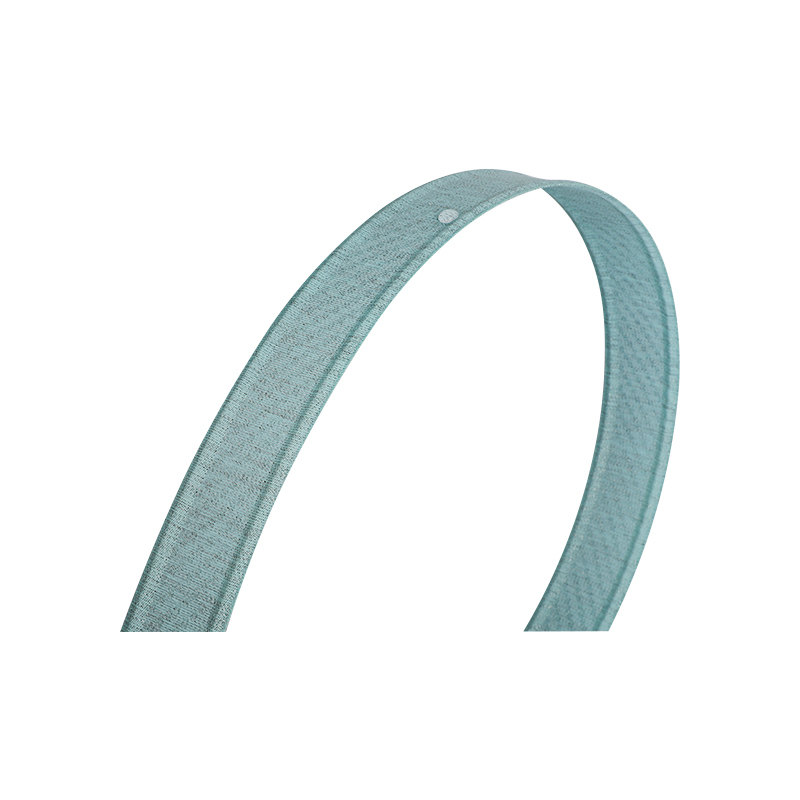
Regular maintenance keeps fabric blind slats looking their best and prevents the buildup of dust and allergens that can accumulate on horizontal surfaces. The following care practices are recommended for most fabric slat types:
Selecting the optimal horizontal fabric blind slats requires balancing light control requirements, privacy needs, aesthetic preferences, and practical maintenance considerations specific to the room and its use. For living areas and open-plan spaces where connection to natural light is a priority, sheer or semi-open weave slats in 35mm or 50mm widths create a bright, airy environment while managing direct sun glare. For bedrooms and media rooms, room-darkening or blackout fabric slats in 25mm or 35mm widths provide the privacy and light control needed for restful sleep or screen viewing. In commercial offices and hospitality environments, fiberglass-core or PVC-coated slats in neutral tones provide the durability, fire compliance, and low-maintenance performance that high-traffic settings demand. Taking the time to evaluate slat specifications — openness factor, fiber type, slat width, and finish — against the specific requirements of each window and room ensures a result that performs well, looks refined, and provides lasting value.