 "navigation"


02
Content
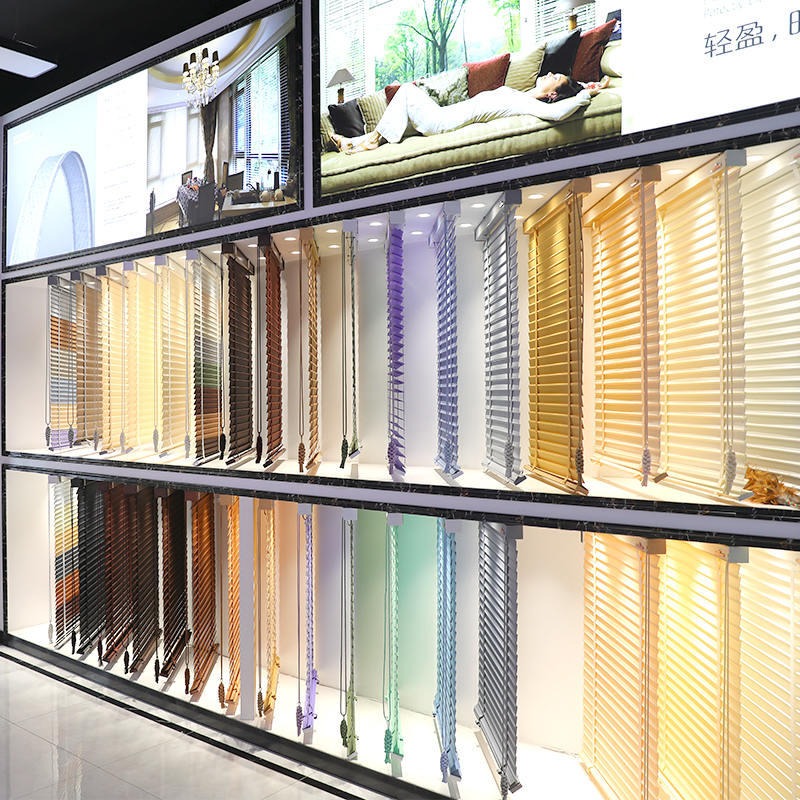
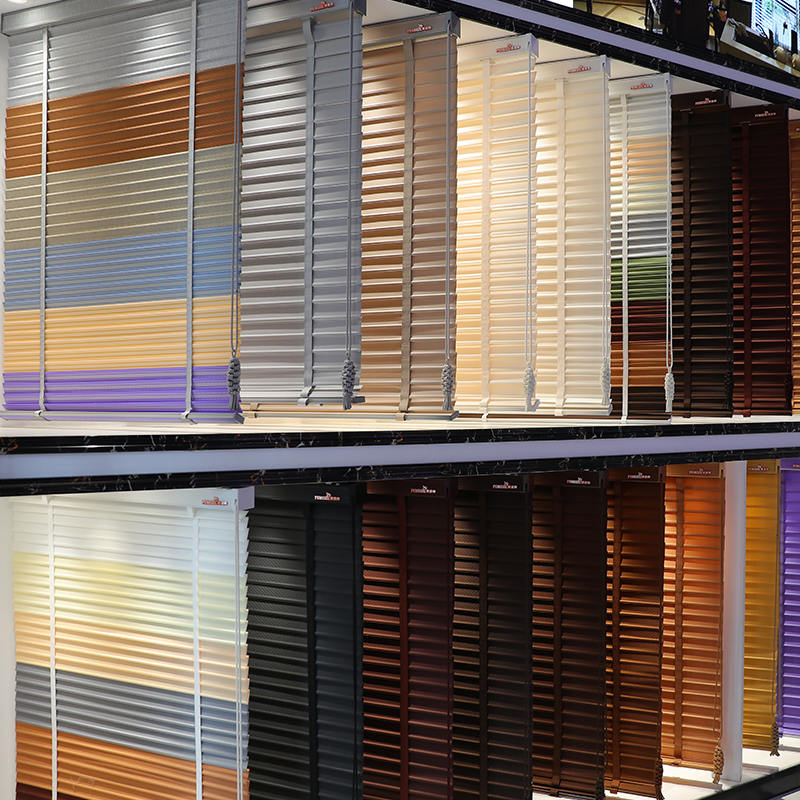
Horizontal fabric blinds are window coverings constructed from individual horizontal slats or panels made from woven, non-woven, or coated fabric materials, designed to be raised, lowered, and tilted to control the amount of light and privacy in a room. Unlike hard-slatted blinds made from aluminum, wood, or PVC, fabric blinds introduce a softer visual texture and a wider range of light-filtering properties that allow for much finer control over the quality and quantity of light entering a space. The horizontal orientation of the slats or layers is what distinguishes them from vertical blinds, roller shades, or Roman shades — all of which manage light and privacy through fundamentally different mechanisms.
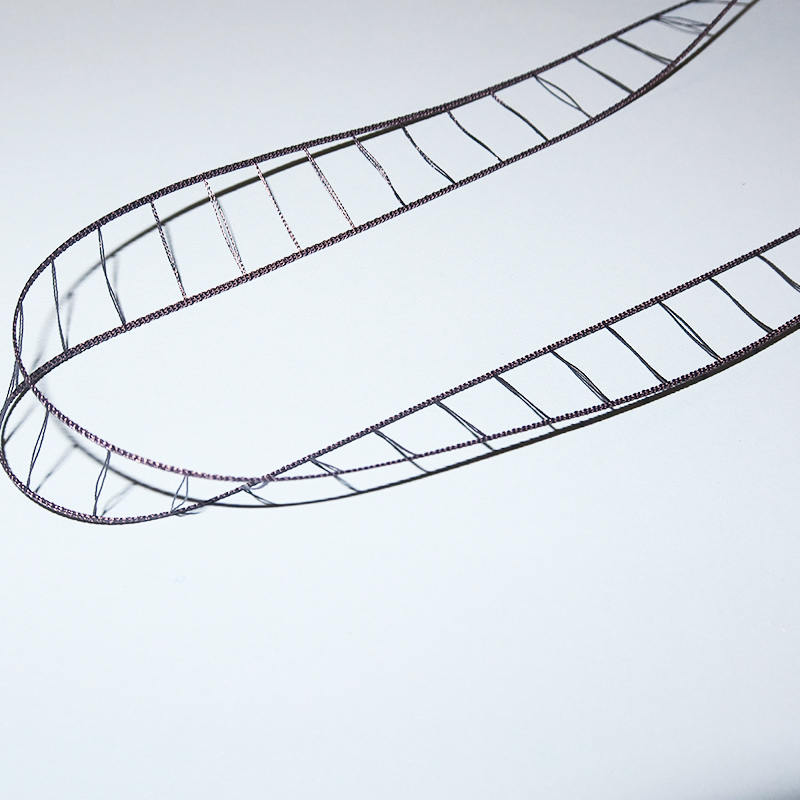
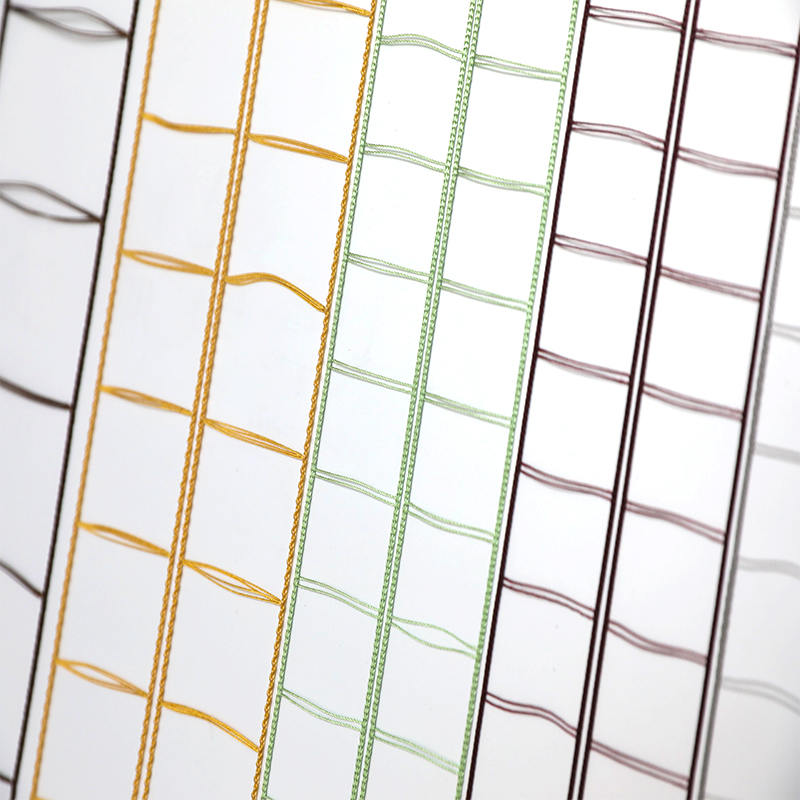
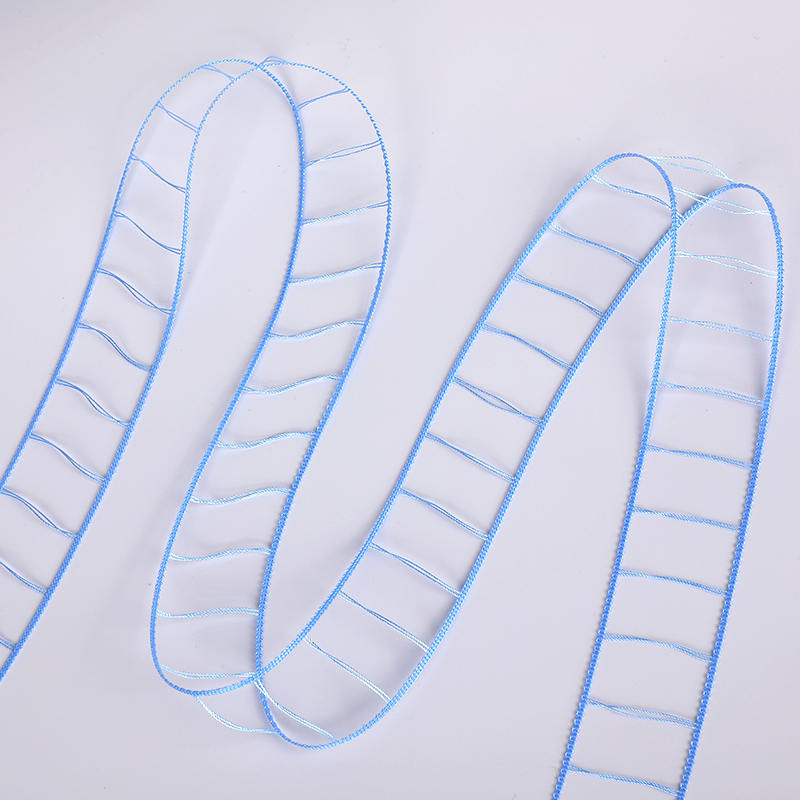
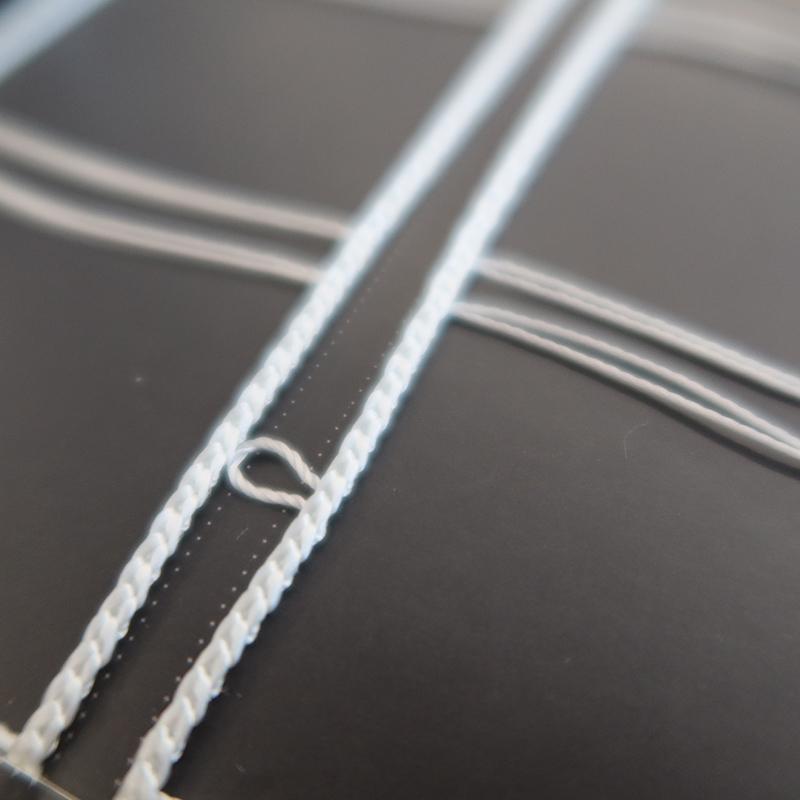
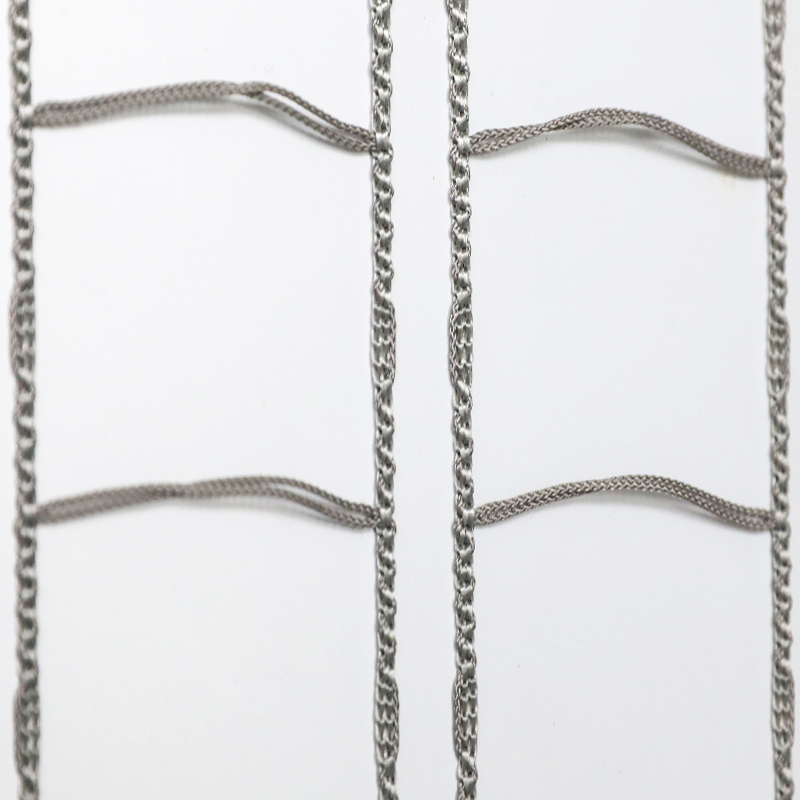
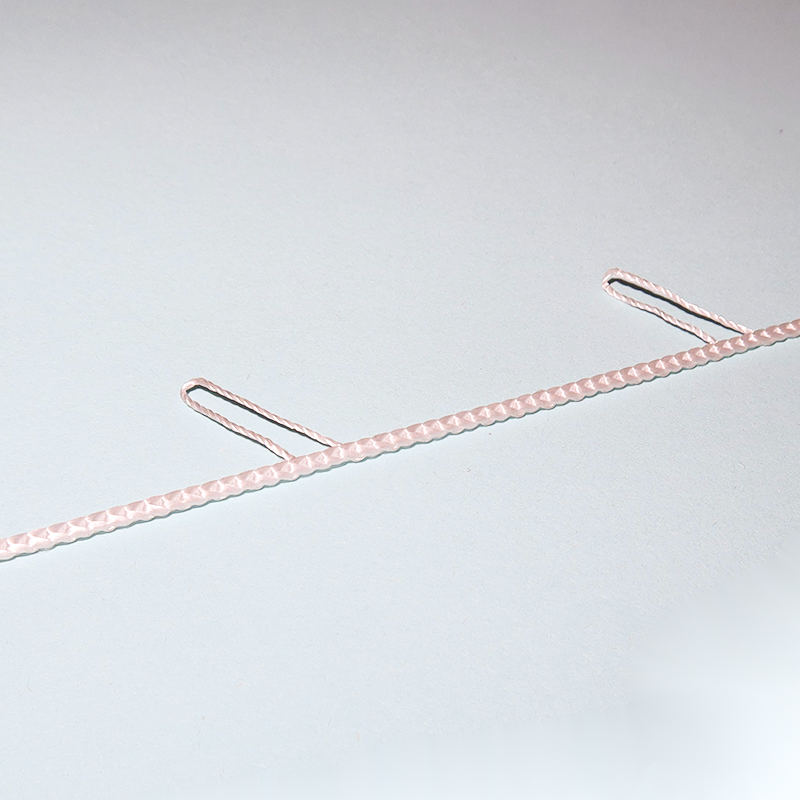
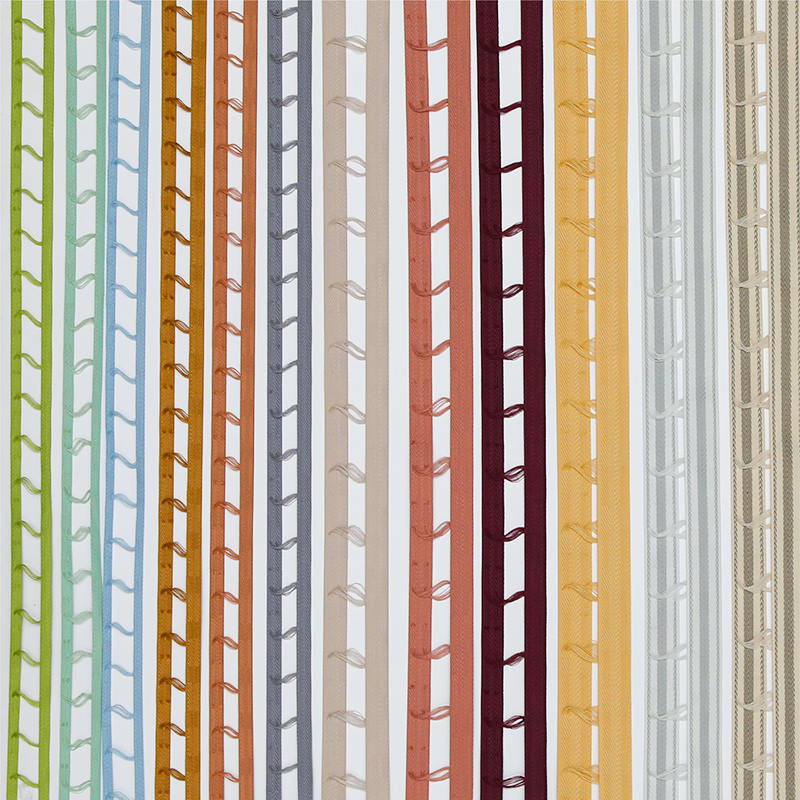
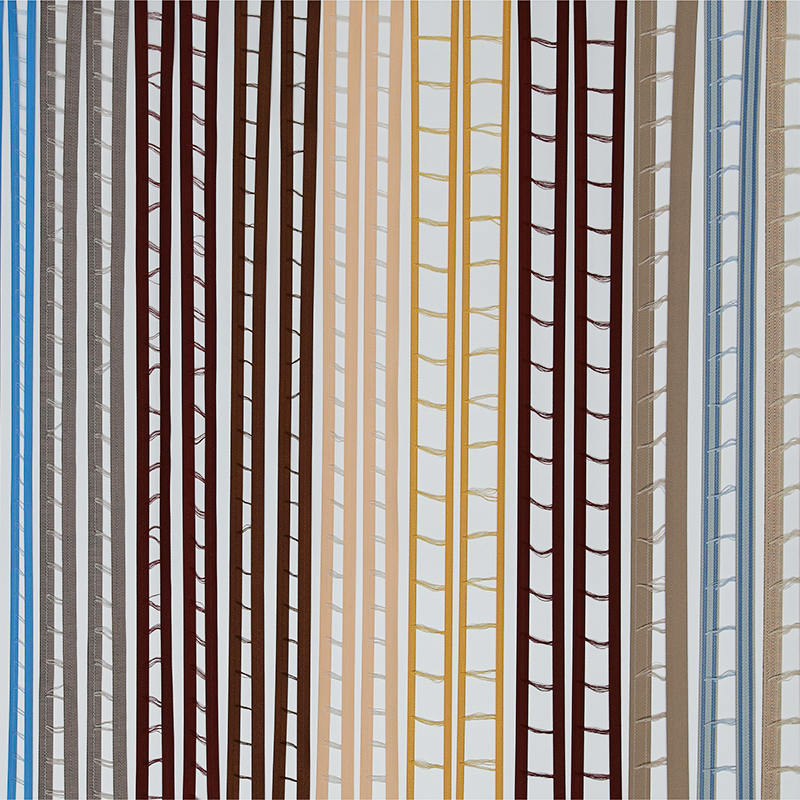
The operating principle of most horizontal fabric blinds involves a ladder cord or tape system that supports each slat in a horizontal position while allowing them to be tilted simultaneously by rotating a control rod or cord. A separate lift cord allows the entire blind assembly to be raised or lowered to any position within the window frame. This combination of tilt and lift control gives horizontal fabric blinds exceptional versatility — they can be fully open, fully closed, or positioned at any intermediate angle to redirect light upward toward the ceiling, downward toward the floor, or diffused evenly across the room depending on the direction of the slat tilt.
The category of horizontal fabric blinds encompasses several distinct product types, each with a specific construction logic, performance profile, and aesthetic character. Understanding the differences between these types is essential before making a purchase decision, as each suits different window sizes, room functions, and design goals.
Fabric Venetian blinds apply the classic multi-slat Venetian blind format to woven or coated fabric slats rather than aluminum or wood. Slat widths typically range from 25 mm to 50 mm, with narrower slats creating a more refined, contemporary look and wider slats producing a bolder, more modern aesthetic. The fabric slats in this category are often treated with stiffening agents or backed with a thin layer of polyester to maintain their flat, horizontal profile without warping. Because the slats are fabric rather than metal, they absorb rather than reflect light, producing a warmer, softer quality of diffused illumination when the blind is closed in a tilted position. This makes fabric Venetian blinds particularly effective in home offices and living rooms where hard glare from aluminum slats would be uncomfortable.
Silhouette shades represent one of the most sophisticated product categories in horizontal fabric blinds. They consist of two layers of sheer fabric with horizontal fabric vanes suspended between them. When the vanes are open, light passes through both sheer layers and around the vanes, producing an exceptionally soft, diffused illumination with virtually no glare. When the vanes are closed, they press against the back sheer panel to provide daytime privacy while still admitting filtered light. The result is a window treatment that combines the light management of a blind with the soft, luminous appearance of a sheer curtain — a combination particularly valued in formal living rooms, dining rooms, and spaces where natural light quality is a design priority.
Cellular or honeycomb shades are constructed from accordion-folded fabric panels that form interconnected air pockets when the blind is lowered. While these are technically shades rather than slatted blinds, they are horizontal in their stacking and light-control orientation and are frequently included in the broader horizontal fabric blind category. The cellular structure provides excellent thermal insulation — single-cell constructions offer moderate insulation, while double-cell and triple-cell constructions create progressively more effective thermal barriers between the window glass and the room interior. This makes them a particularly practical choice for energy efficiency in both hot and cold climates, where reducing heat transfer through windows contributes meaningfully to heating and cooling costs.
Woven wood and bamboo blinds use natural plant-based materials — bamboo, grasses, reeds, jute, or a combination — woven into horizontal panels. While the primary material is not a synthetic or woven textile fabric, these products fall within the broader category of horizontal fabric-style blinds because of their woven construction and similar operating mechanisms. They introduce an organic, biophilic texture to interior spaces that synthetic fabric blinds cannot replicate and pair well with natural material palettes — timber floors, rattan furniture, linen upholstery, and terracotta or clay-tone walls. Their light filtering is inherent to the weave density rather than applied coatings, with tighter weaves providing more privacy and looser weaves allowing more ambient light.
The fabric used in horizontal blinds determines light transmission, privacy, UV protection, and room ambiance more than any other single specification. Manufacturers typically classify fabrics into three main performance categories, and selecting the right category for each room requires understanding what each one delivers in practice.
| Fabric Category | Light Transmission | Privacy Level | Best Room Application |
| Sheer / Light-Filtering | High — softens and diffuses light | Low daytime privacy | Living rooms, dining rooms, sunrooms |
| Semi-Opaque / Room Darkening | Moderate — reduces glare significantly | Good daytime privacy | Bedrooms, home offices, nurseries |
| Blackout | Minimal — blocks nearly all light | Maximum privacy day and night | Master bedrooms, media rooms, shift worker rooms |
| Solar / Screen Fabric | Variable (1%–14% openness factor) | View-through during day; limited at night | Offices, kitchens, rooms with views to preserve |
Solar or screen fabrics deserve particular attention because they are unique to horizontal fabric blinds and roller shades. The openness factor — expressed as a percentage — describes how much of the fabric surface is open weave versus closed fiber. A 1% openness factor provides near-blackout performance while preserving a narrow outward view, while a 14% openness factor is highly transparent and primarily serves to reduce UV radiation and glare without significantly affecting light levels. Solar fabrics are especially valuable on south and west-facing windows where afternoon sun creates intense glare and solar heat gain without the user wanting to sacrifice the exterior view entirely.
Accurate measurement is the single most important step in purchasing horizontal fabric blinds. Even the highest quality blind will look wrong and perform poorly if the dimensions are incorrect. The two primary installation methods — inside mount and outside mount — require different measurement approaches and produce distinct visual results.
An inside mount blind fits within the window recess, sitting flush with or recessed slightly behind the face of the window frame. This installation gives a clean, built-in appearance that exposes the window architrave and creates a neat, tailored look. To measure for an inside mount, use a steel tape measure to record the exact width of the window opening at three points — top, middle, and bottom — and use the narrowest measurement to ensure the blind fits without binding against the frame. Measure the height at three points — left, center, and right — and use the longest measurement. For inside mounts, most manufacturers apply a small deduction from the width measurement during fabrication to ensure the blind operates smoothly within the opening; confirm whether this deduction is applied automatically or whether you should order the exact opening dimension.
An outside mount blind is fixed to the wall or window frame above and outside the window opening, covering the recess entirely. This is the preferred choice for windows with shallow recesses that cannot accommodate an inside mount blind with adequate depth clearance, or for windows where maximum light blockage at the edges is required. Measure the width of the area you wish to cover — this should extend at least 5 to 8 cm beyond the window opening on each side to prevent light leakage around the edges when the blind is closed. Measure the height from the desired top mounting point to where you want the blind to end, adding sufficient drop below the window sill to prevent light leakage at the bottom. Outside mounts make windows appear larger and taller, which is a useful visual effect in rooms with compact window proportions.
Beyond blind type and fabric category, several additional factors should inform the selection process to ensure the chosen blind performs correctly and continues to look good throughout its service life. Overlooking any of these factors is a common source of post-purchase dissatisfaction.
Proper maintenance keeps horizontal fabric blinds looking clean and functioning smoothly throughout their service life. The appropriate cleaning method depends on the fabric type and any applied coatings, and using the wrong method can permanently damage delicate fabrics or delaminate protective coatings.
Horizontal fabric blinds occupy a distinct performance and aesthetic position relative to other window treatment categories, and understanding where they excel and where alternatives might be more appropriate helps buyers make confident, well-informed decisions rather than defaulting to the most familiar option.
Compared to roller shades, horizontal fabric blinds provide superior light control flexibility — the ability to tilt slats to different angles means the same blind can redirect light in multiple ways throughout the day without being raised or lowered, something a roller shade cannot do. However, roller shades offer a simpler, more streamlined appearance with no visible slat structure, making them the preferred choice for minimalist interiors where clean surfaces are the design priority. Roller shades also accommodate printed and patterned fabrics more effectively than slatted blinds, where patterns are interrupted by slat gaps and ladder cords.
Compared to aluminum or wood Venetian blinds, fabric Venetian blinds produce softer light diffusion and a warmer room atmosphere, but they are generally harder to clean thoroughly and less tolerant of humid environments. For bathrooms, kitchens, and commercial settings where hygiene and durability under regular cleaning are primary concerns, aluminum Venetian blinds remain the more practical specification. For residential living spaces where tactile softness, acoustic absorption, and design warmth matter alongside functional light control, horizontal fabric blinds consistently deliver a more refined result that hard-material alternatives cannot match.